

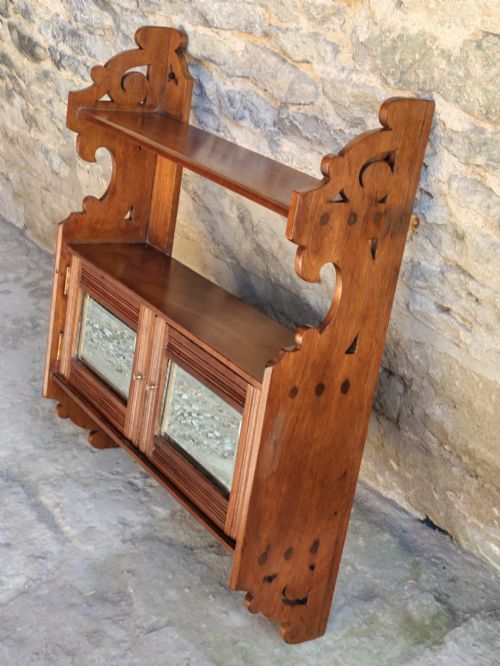
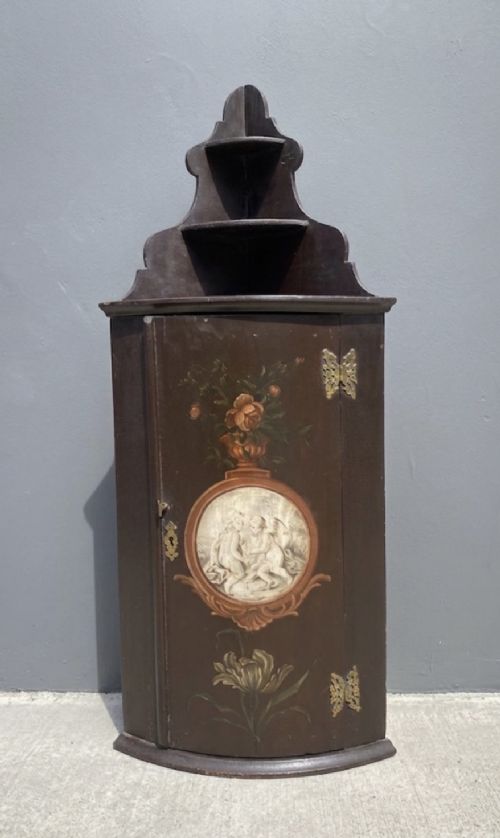

Antique Wall Mounted Cupboard
An antique wall mounted cupboard offers practical storage while lifting furniture off the floor, bringing period timber into corners and small rooms.
Antique Wall Mounted Cupboard
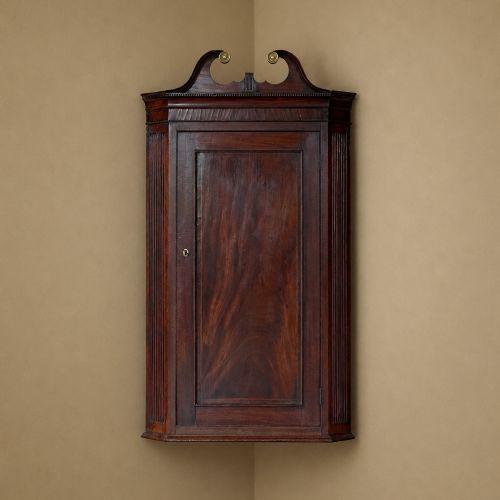
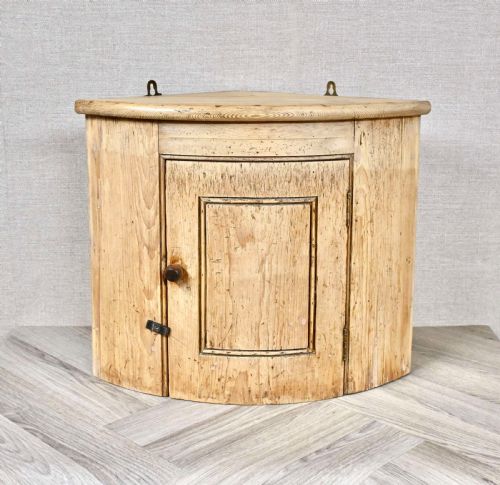
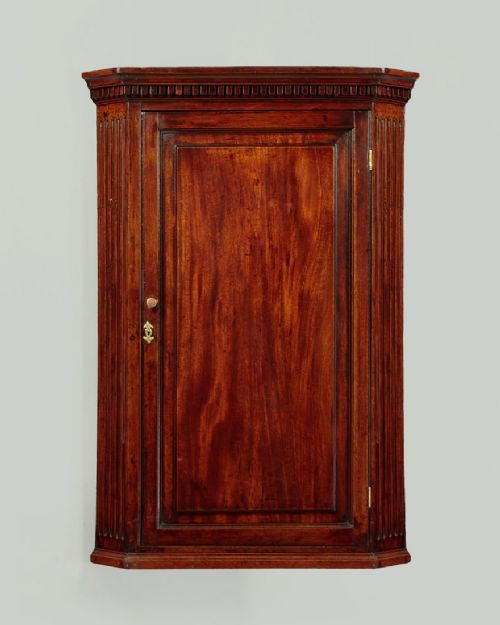
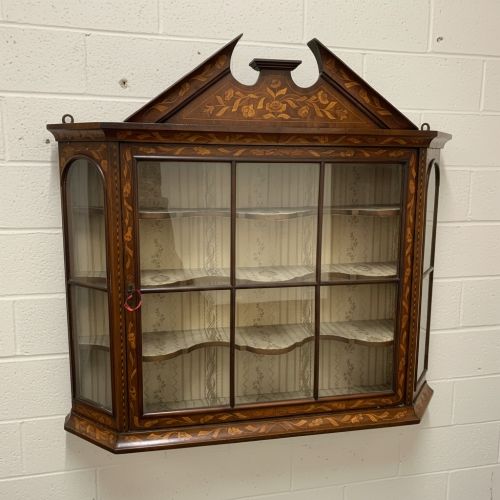
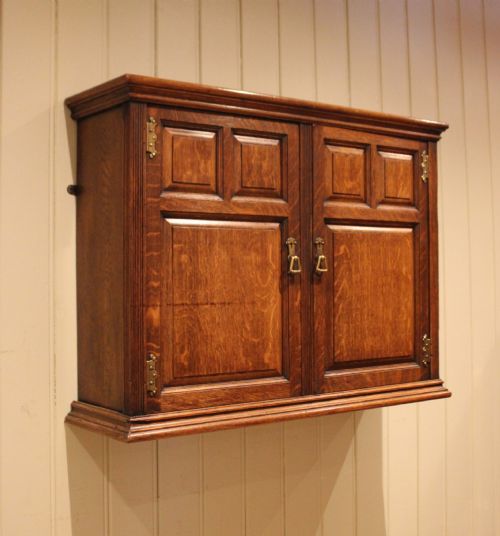
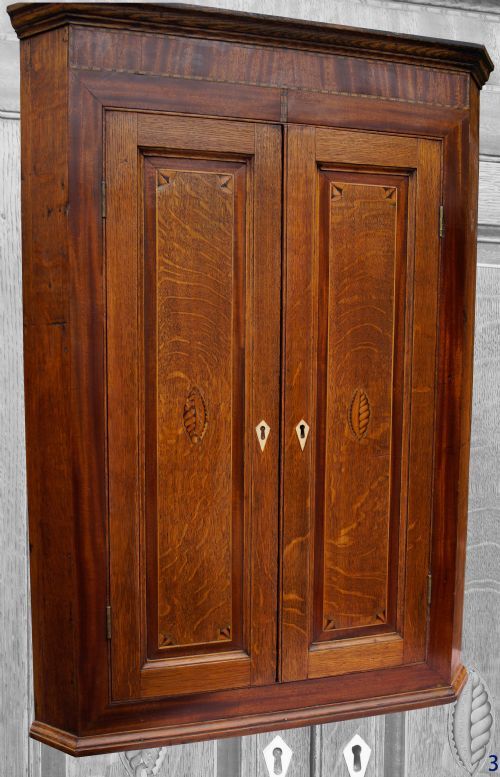
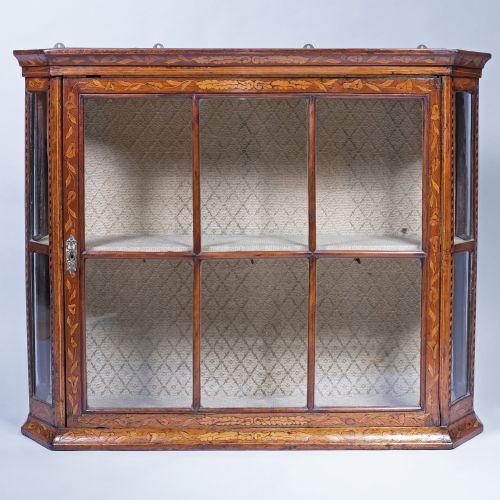
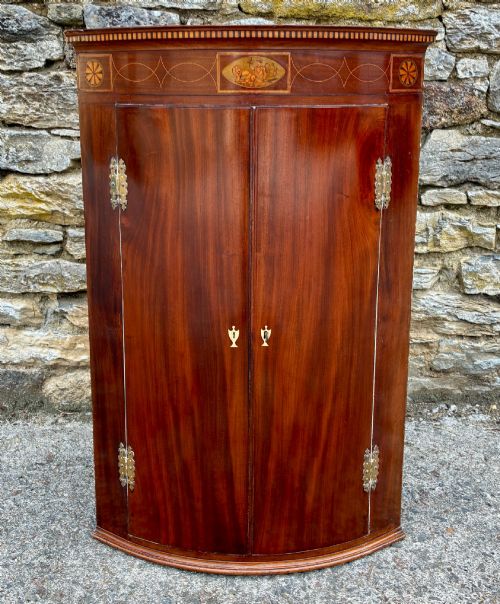
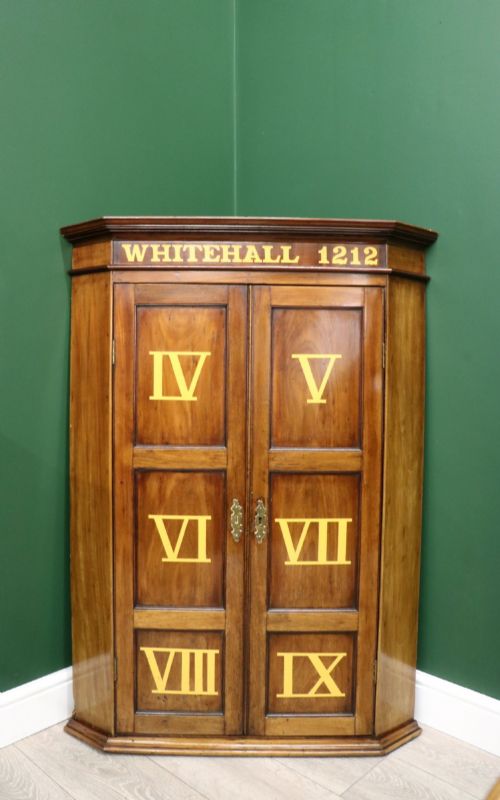
An antique wall mounted cupboard is primarily represented here by corner cabinets, hanging wall units, and bow front cupboards originating from the Georgian, Victorian, and 18th-century periods.
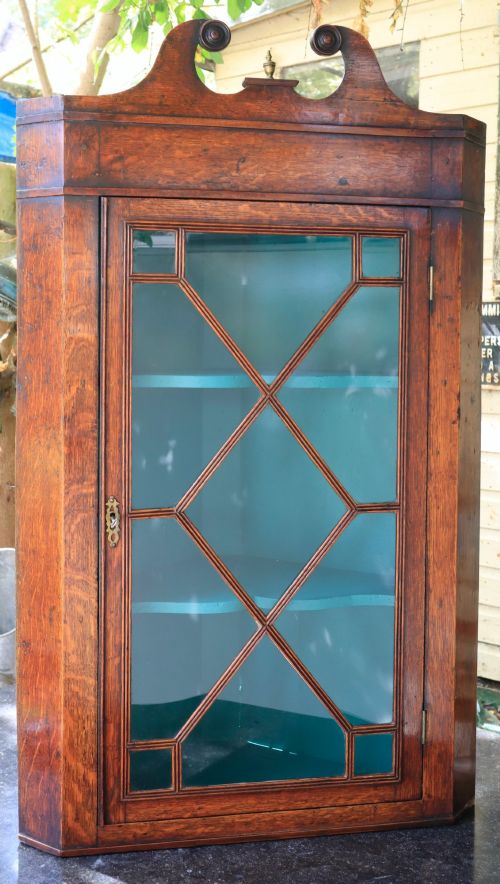
Makers designed these pieces in oak, mahogany, walnut, and pine to utilise awkward spaces, frequently incorporating glazed doors, shelving, and internal drawers.
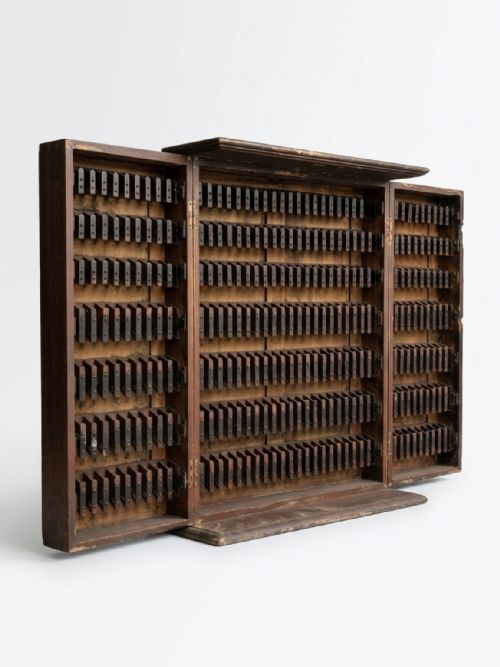
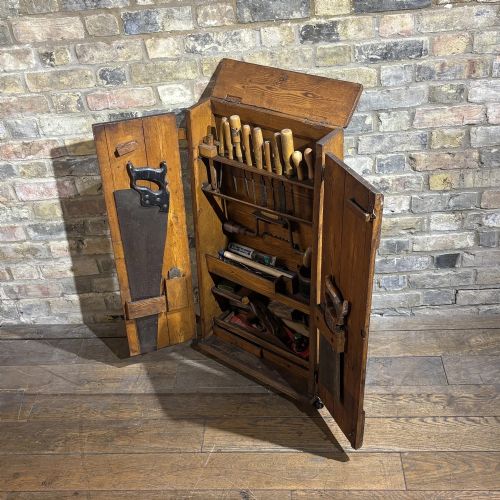
Regional variations span English workshops, Welsh origins, Scottish pieces, and French provincial examples, alongside specialised forms such as railway ticket cupboards and tool cabinets.
Materials and construction methods
Carpenters constructed these wall units predominantly using solid and veneered hardwoods like mahogany, oak, and walnut, paired with secondary softwoods such as pine.
Construction details include inlaid woodwork, painted finishes, marquetry, and pokerwork decoration, complemented by brass hardware and glass panels for display purposes.
Antique Wall Mounted Cupboard Retail Price Guide 2026
Typical asking prices for wall mounted cupboard among the pieces listed under this phrase on Sellingantiques today, from the lower quarter to the upper quarter. They describe what is for sale here now, not the wider market.
Listings feature woods including mahogany, oak, walnut, pine, and chestnut, spanning periods from the 18th century through the Georgian and Victorian eras.
Judging the standard of execution
Quality rests on timber selection and grain continuity across the visible surfaces, particularly on curved bow fronts and burr walnut panels.
The precision of joinery, the retention of original brass fittings and working locks, and the crispness of architectural details like pediments distinguish superior examples.
The Antique Wall Mounted Cupboard Glossary
- Bow front
- A convex curved cabinet front that projects outward from the corners, frequently seen in Georgian mahogany and pine examples.
- Pediment
- The decorative architectural crowning structure above the upper cornice of a cabinet, sometimes found in broken arch designs.
- Marquetry
- The decorative craft of applying small pieces of veneer to form intricate pictorial patterns on the surface of a cabinet.
- Lavabo
- A wash basin unit with a cistern, represented in provincial French cabinet making using chestnut and pewter.
Antique Wall Mounted Cupboard: Frequently Asked Questions
How were these cupboards mounted?
These cabinets were hung directly onto walls using internal fixing points or brackets, designed to save floor space in domestic rooms.
Because they carried heavy timber loads and often contained ceramics or glass, proper structural support into wall studs or masonry was essential.
Where should I hang one?
Corner cupboards suit empty room junctions where standard furniture cannot fit, while flat wall cabinets work well above tables or in hallways.
Ensure the wall material can bear the combined weight of the solid oak or mahogany structure and its contents.
How do I date a piece?
Dating relies on timber species, construction techniques, and stylistic markers such as Georgian proportions, Victorian pine usage, or Edwardian design elements.
Secondary woods, hinge types, and interior timber ageing provide further physical clues to the century of manufacture.
Can they hold heavy items?
Most antique wall mounted cupboards feature fixed or shaped interior shelving suitable for books, glassware, or everyday display items.
Original hinges and historical timber strength should be evaluated before loading the interior with dense objects.