

Antique Silver Flatware Set
An antique silver flatware set brings the weight and detail of past dining tables directly into daily use.
Antique Silver Flatware Set
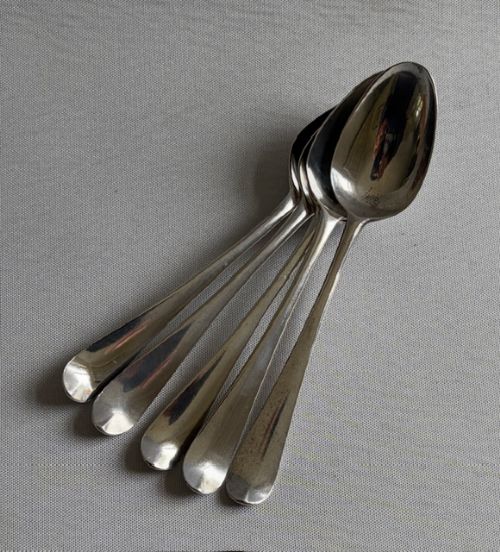
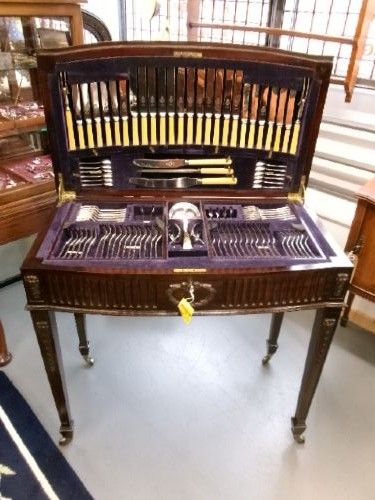
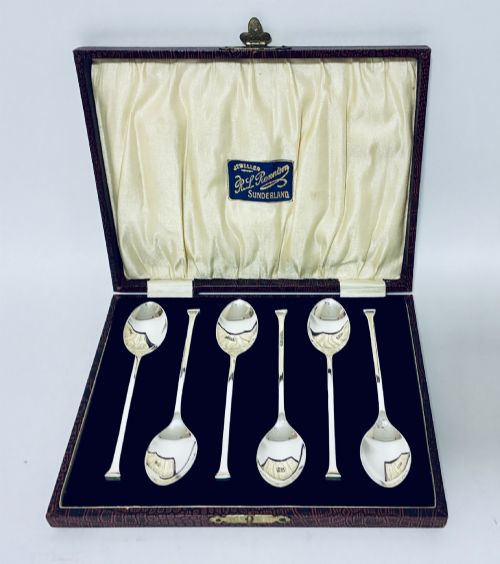
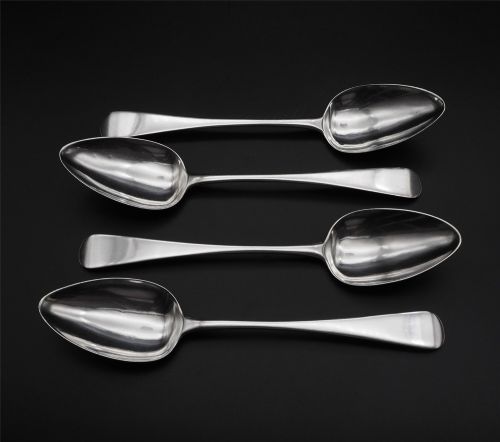
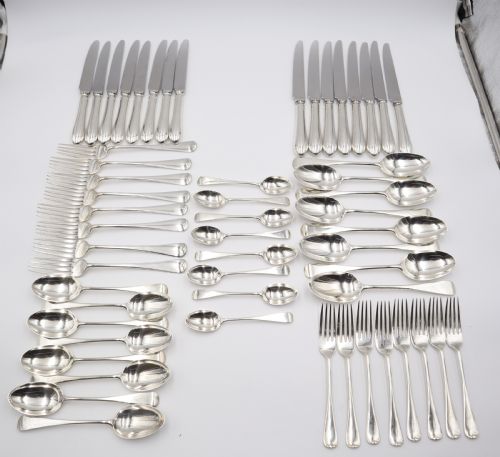
An antique silver flatware set encompasses coordinated collections of cutlery, serving spoons, and specialised implements produced across the Georgian, Victorian, and Edwardian eras. Buyers encounter everything from modest boxed sets of teaspoons to extensive canteens of fiddle pattern cutlery designed for multiple diners.
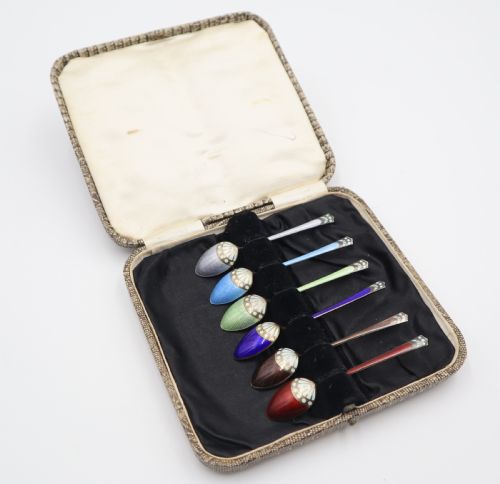
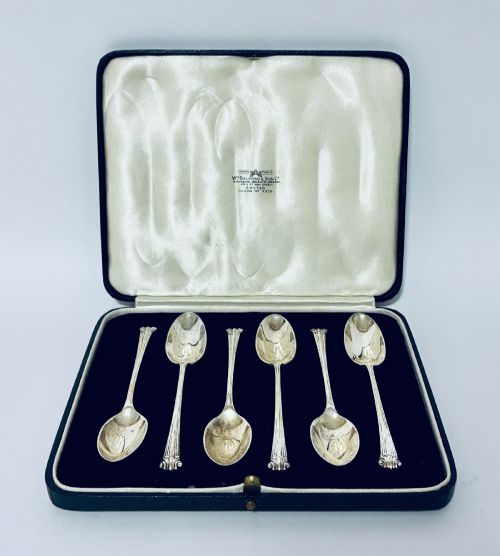
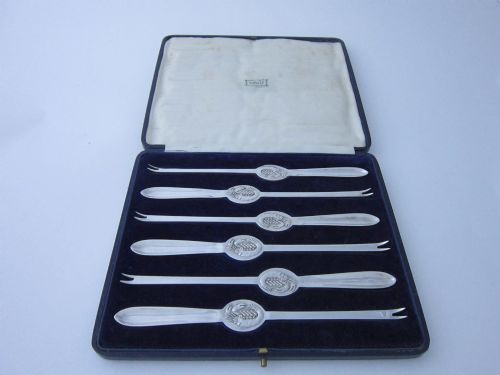
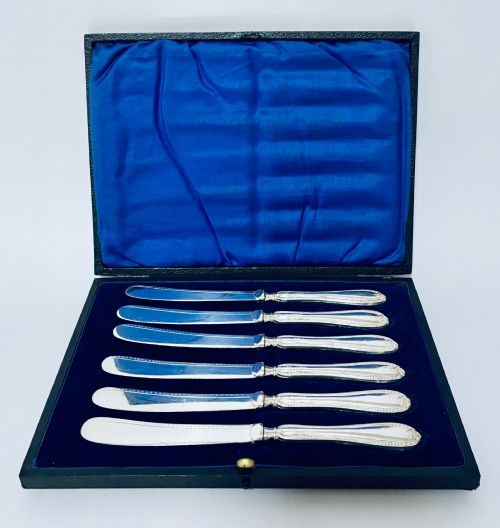
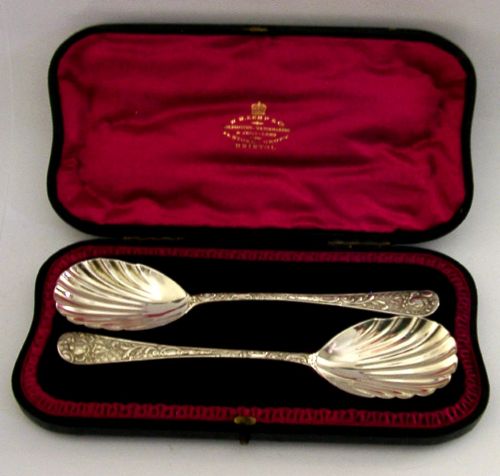
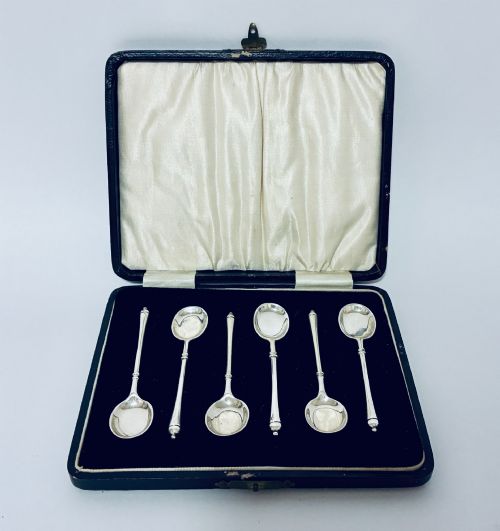
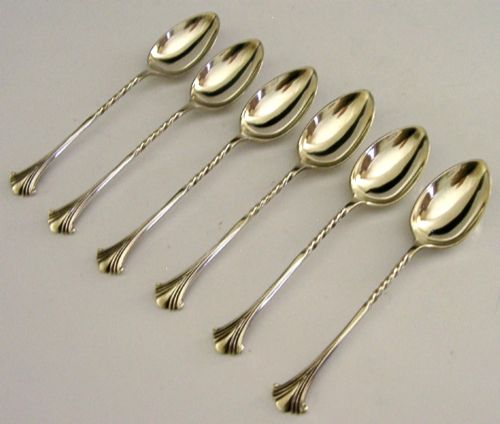
The selections span standard silver and sterling silver alongside silver plated alternatives, often housed in fitted cases lined with velvet, silk, or leatherette. Many examples reflect specific domestic rituals, including Christening sets, grapefruit spoons, lobster forks, and fruit knives.
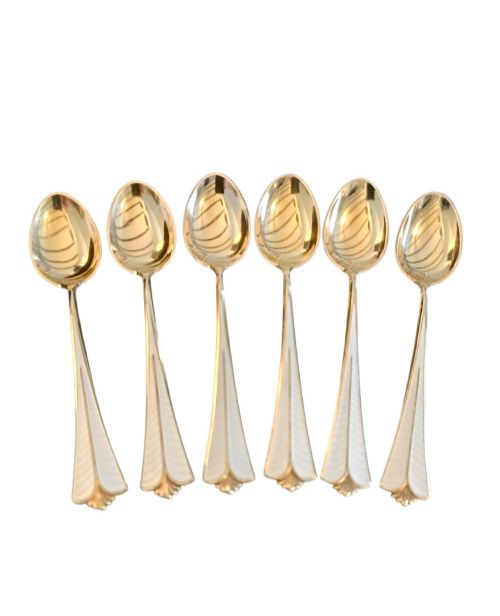
Regional variations appear across British, Dutch, Ottoman, Russian, and French productions, demonstrating diverse stylistic shifts from bright-cut engraving to Art Deco geometry. These objects function simultaneously as historical domestic tools and cohesive table services.
How they were made
Makers shaped sterling silver and silver plate through combinations of casting, hammering, and rolling, supplemented by steel for cutting edges on knives and lobster picks. Artisans applied specialised techniques such as bright-cut engraving, cloisonné enamel, and figural casting to ornament handles and bowls.
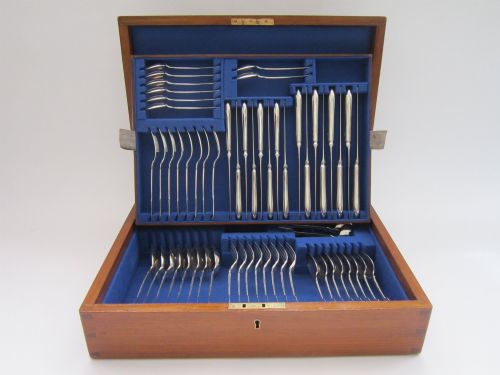
Fitted presentation boxes utilised wooden foundations covered in leatherette and lined with plush velvet or silk to secure each individual piece. Utensils requiring functional strength, such as forks and fish servers, combined robust metal gauges with balanced proportions for daily dining.
Antique Silver Flatware Set Retail Price Guide 2026
Typical asking prices for silver flatware set among the pieces listed under this phrase on Sellingantiques today, from the lower quarter to the upper quarter. They describe what is for sale here now, not the wider market.
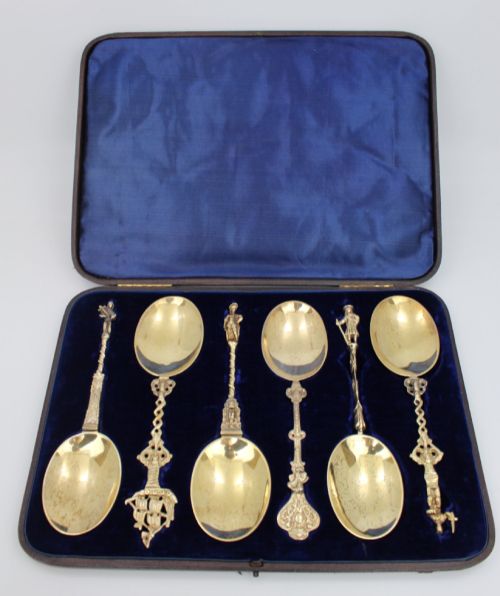
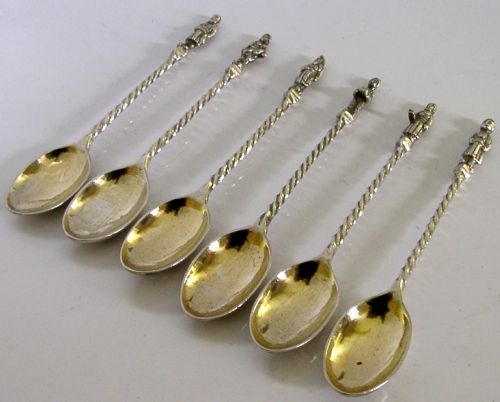
The documented pieces include specialised implements such as lobster forks, grapefruit spoons, apostle spoons, butter knives, and salad servers.
What varies in quality
Quality rests in the heaviness of the metal gauge and the integrity of the original fitted case, distinguishing substantial sterling services from lighter plated alternatives. Finer sets maintain matching maker marks and consistent patterns across every single component rather than assembled replacements.
The precision of the engraving, the clarity of hallmarks, and the preservation of delicate elements like figural casting or enamel work determine the distinction between standard utilitarian canteen output and superior craftsmanship.
Hamilton & Inches·Christofle·Tiffany·Suckling Ltd.·Georg Jensen·Dmitrii Nikolaevich Nikolaev
The Antique Silver Flatware Set Glossary
- Sterling silver
- A silver alloy containing 92.5 percent pure silver by mass, standard for quality British tableware. This standard ensures durability while maintaining a bright metallic lustre.
- Silver plate
- A base metal substrate coated with a thin layer of pure silver. It offered an accessible alternative to solid sterling for larger canteens.
- Fiddle pattern
- A nineteenth-century cutlery handle design characterised by a narrow stem widening towards a squared, shoulders-and-notch terminal resembling a violin. It dominated Victorian dining tables.
- Bright-cut engraving
- A surface decoration technique using faceted angled cuts to create sparkling geometric patterns. This method was popular on Georgian teaspoons and ladles.
- Apostle spoon
- A spoon featuring the figure of an apostle cast on the handle terminal, often produced in sets. These date from historic traditions through to revivalist Victorian interpretations.
- Canteen
- A fitted box or chest designed specifically to store a complete set of cutlery. These containers often feature designated slots and velvet linings to protect the silver.
Antique Silver Flatware Set: Frequently Asked Questions
How do I clean antique silver flatware?
Clean silver flatware gently using a dedicated silver cloth or mild specialised polish to preserve hallmarks and delicate engraving. Avoid abrasive pads or harsh chemical dips that strip away the natural patina accumulated over generations.
Store the pieces dry inside their original fitted cases or anti-tarnish rolls when not in use. Regular gentle handling helps maintain an even finish across the entire set.
Can I use an antique flatware set daily?
Solid sterling silver and sturdy silver plated sets handle regular family dining perfectly well. Hand washing prevents the excessive heat and harsh detergents of modern dishwashers from damaging wooden handles, velvet linings, or delicate soldered joints.
Silver naturally acquires minor surface scratches through active use, which simply adds to its historic character. Selecting robust patterns like fiddle pattern ensures longevity for everyday meals.
How do I identify the date of my silver?
British silver typically carries a series of stamped hallmarks identifying the maker, the assay office, and a specific date letter. Comparing these sovereign marks against standard reference tables reveals the exact year of manufacture.
Foreign pieces, such as Ottoman or Russian items, often rely on alternative purity stamps and maker ciphers instead of standard British date letters. Stylistic indicators like Art Deco geometry or Georgian bright-cut engraving also provide broad chronological clues.
What is the difference between sterling and plate?
Sterling silver consists of solid precious metal throughout the entire piece, marked with symbols such as the lion passant. Silver plate involves a thin coating of pure silver bonded over a base metal core like nickel silver or copper.
Solid sterling maintains its intrinsic material value and resists base metal exposure over time. Plated items offer identical visual elegance for large canteens at a more accessible production cost.