



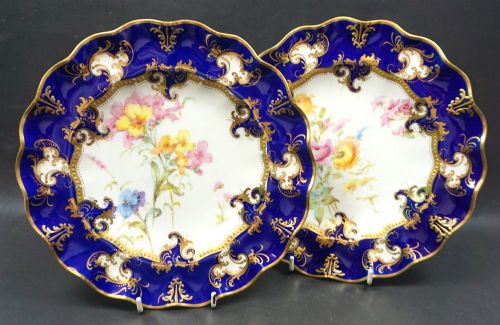
Antique Porcelain Display Dish
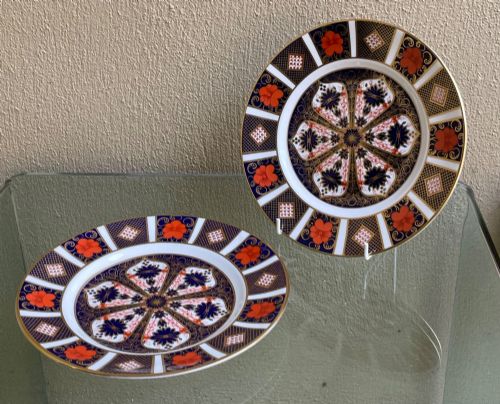
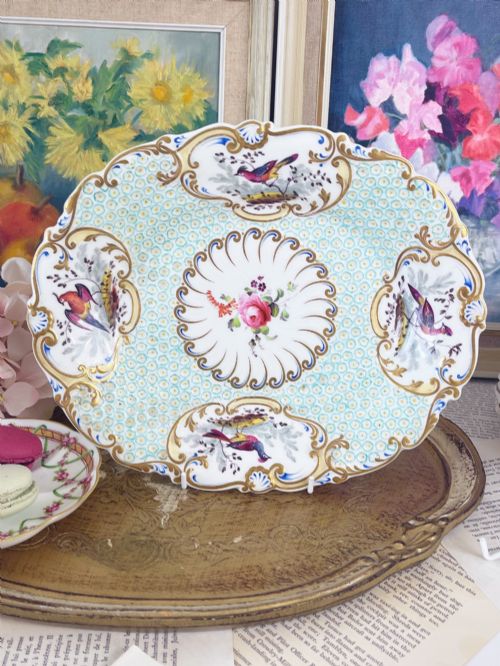
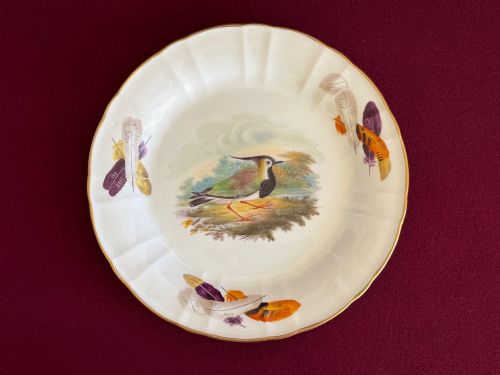
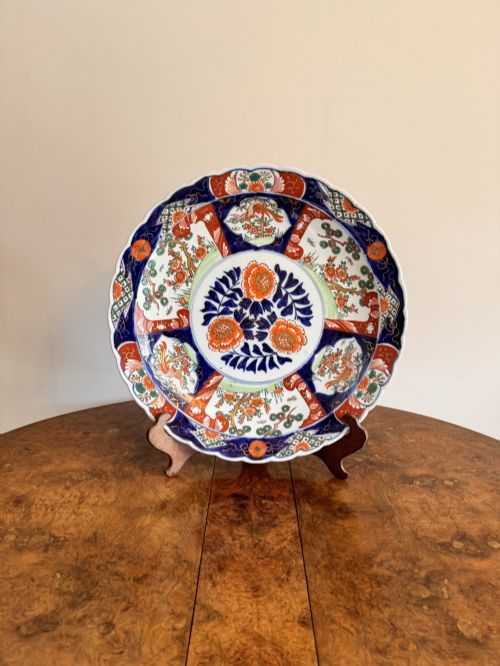
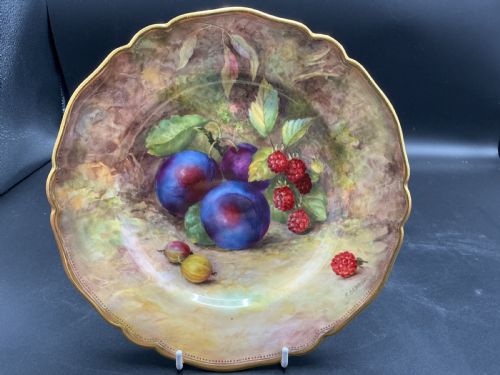
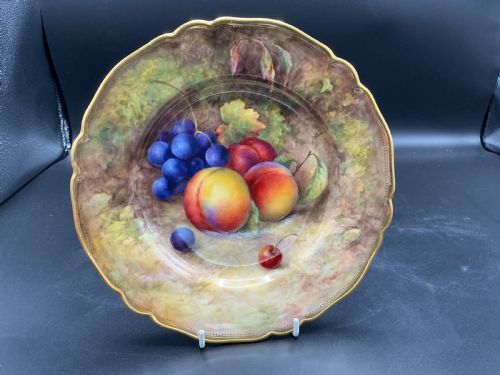
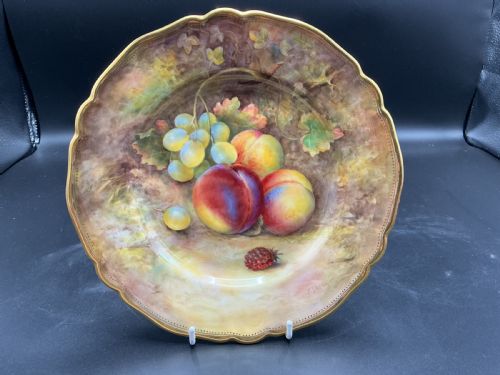
An antique porcelain display dish brings hand-painted birds, vibrant Imari patterns, and ornate gilt borders straight from the Victorian drawing room into a modern interior.
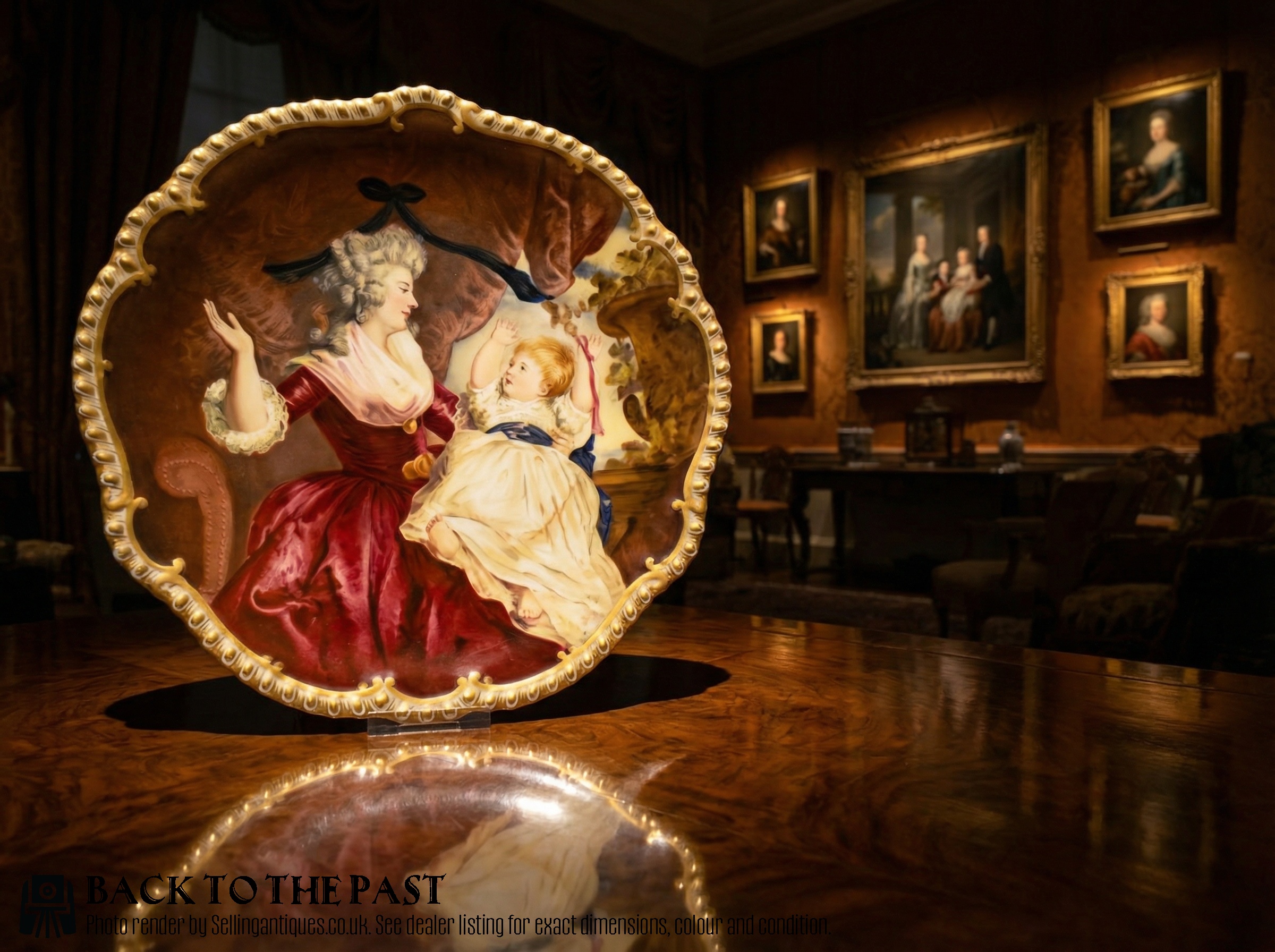
Understanding the antique porcelain display dish
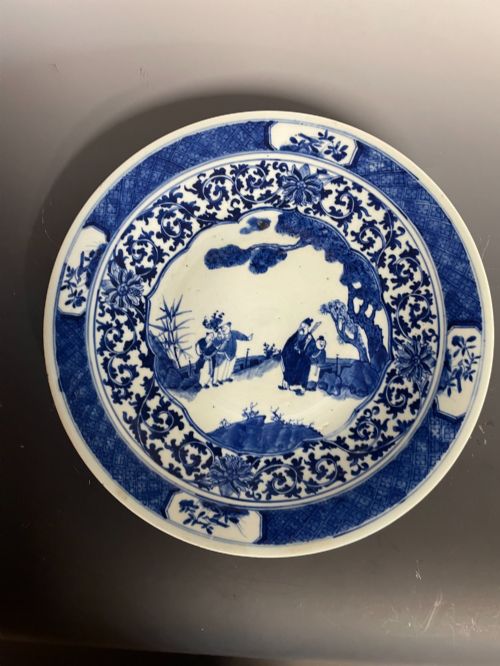
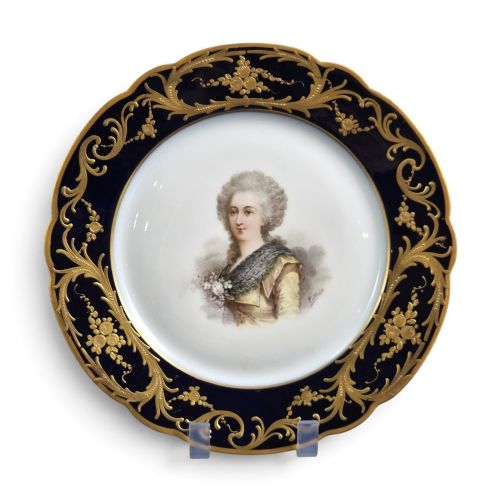
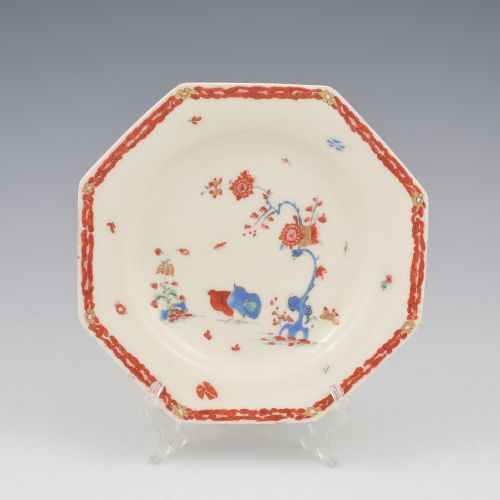
An antique porcelain display dish encompasses decorative plates and cabinet pieces created to be showcased rather than used for daily dining. These items emerge from various periods, including the nineteenth century, the Meiji period, and the Edwardian era, spanning English, German, and Japanese origins.
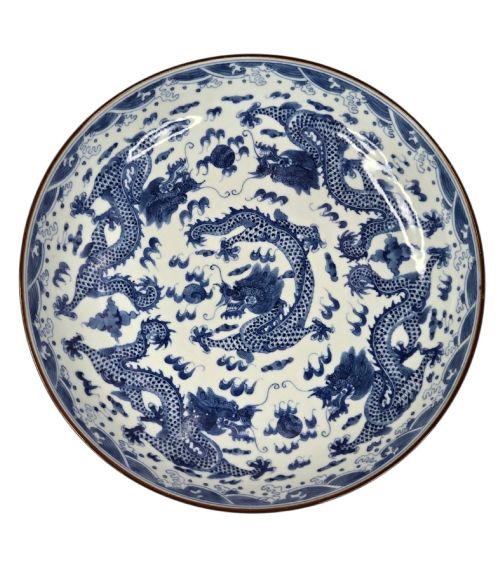
Buyers encounter forms such as dessert cabinet plates, ornithological bird dessert dishes, and Imari ceramic dishes. Copeland, Chamberlains, Coalport, and Meissen workshops supplied these decorative items for formal display.
Victorian rococo revival and English rococo revival styles dominate the visual language alongside Japanese Meiji aesthetics. Each piece reflects the decorative tastes of nineteenth-century and early twentieth-century collectors who prized fine ceramic artistry.
Materials and manufacture
Potters utilised hard-paste porcelain and bone china as the primary ceramic bodies for these cabinet plates and dessert dishes. Artisans applied overglaze enamel and enamel glaze to build up rich, colourful pictorial surfaces.
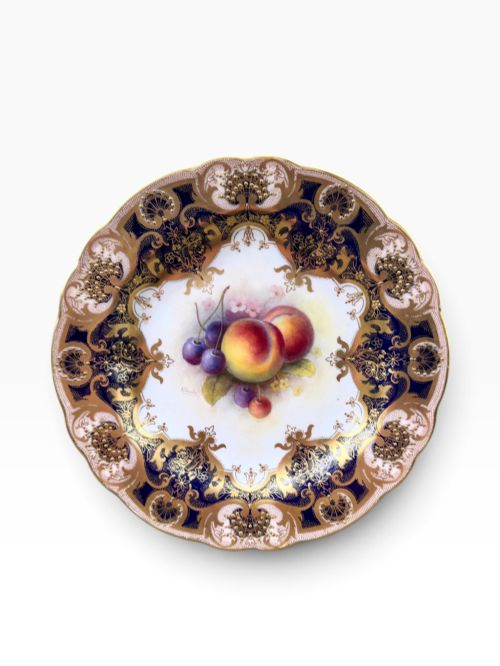
Gilt and gold leaf embellishments highlight the rims and borders, framing the central hand-painted subjects. Master painters executed detailed ornithological studies and intricate Imari patterns directly onto the glazed ceramic surface before final firing.
Retail Price Guide 2026
Typical UK retail prices for porcelain display dish, calculated from the Sellingantiques database of over a million retail prices indexed since 2003. This retail price guide relies exclusively on Sellingantiques data; no external sources or auction records are used, so the figures do not describe the wider market.
Listings feature hard-paste porcelain and bone china decorated with overglaze enamel, gilt, and gold leaf.
Assessing quality in ceramic display pieces
Quality rests upon the skill of the hand-painted execution, distinguishing factory work from individual artistic mastery. Pieces painted by named artists like Tom Keeling command attention through superior brushwork and detailed observation.
The precision of the gilding and the depth of the enamel glaze separate standard factory productions from exceptional cabinet pieces. Well-preserved gold leaf and crisp overglaze enamel preservation elevate the status of an antique dish.
The Antique Porcelain Display Dish Glossary
- Cabinet plate
- A decorative ceramic dish intended purely for display in a cabinet or on a wall rather than for serving food. These items often feature elaborate hand-painted scenes and gilt borders.
- Hard-paste porcelain
- A durable ceramic material fired at very high temperatures, composed of kaolin and petuntse. European factories utilised this robust body for fine decorative wares.
- Overglaze enamel
- Pigments applied over the fired glaze and subjected to a lower temperature firing to fix the colours. This technique allows for a brilliant palette on decorative dishes.
- Imari
- A style of Japanese export porcelain featuring deep cobalt blue and iron red, heavily accented with gold. British potteries frequently copied these vibrant geometric and floral motifs.
- Rococo revival
- A nineteenth-century design style characterised by asymmetrical scrolls, C-scrolls, and naturalistic shell motifs. This aesthetic heavily influenced the moulded borders of Victorian display dishes.
Frequently Asked Questions
What is a cabinet plate?
A cabinet plate is a decorative ceramic dish created for display within a formal room rather than for practical table use. These pieces often showcase intricate hand-painted artwork and delicate gilt rims.
Potters designed them to be exhibited on stands or hung on walls, reflecting the refined tastes of nineteenth-century collectors. They highlight the pinnacle of a pottery's artistic output.
How do I display these dishes?
Display these dishes using sturdy plate stands on mantels, sideboards, or inside glass-fronted cabinets. Secure wall hangers designed for antique porcelain also allow them to be safely mounted.
Keep them away from direct sunlight to protect the vibrant overglaze enamel and gold leaf embellishments from fading over time.
What makes Imari porcelain distinct?
Imari porcelain is instantly recognisable by its striking combination of underglaze cobalt blue, iron red, and rich gold leaf detailing. Japanese Meiji period makers and nineteenth-century English potteries both produced this style.
The dense, colourful patterns create a visually dynamic display piece that stands out among plain white ceramics.
How can I tell the period?
Dating relies on identifying the workshop mark, the style of the ceramic body, and the painting technique. Nineteenth-century pieces often feature rococo revival moulding and hand-painted ornithological or floral subjects.
Examining the wear on the foot rim and the style of the gilt borders helps confirm whether a piece originates from the Victorian era or the Edwardian period.