


Japanese Ceramics
Japanese antique ceramics bring centuries of artistry into your home, offering finely decorated porcelain and earthenware from the Meiji period and the nineteenth century.
Japanese Ceramics
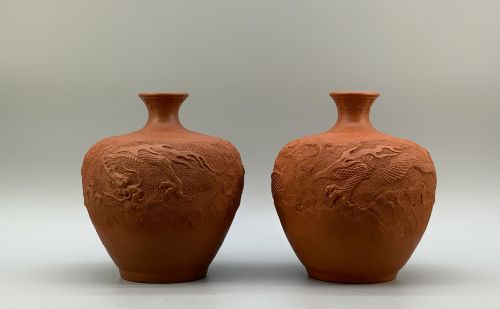
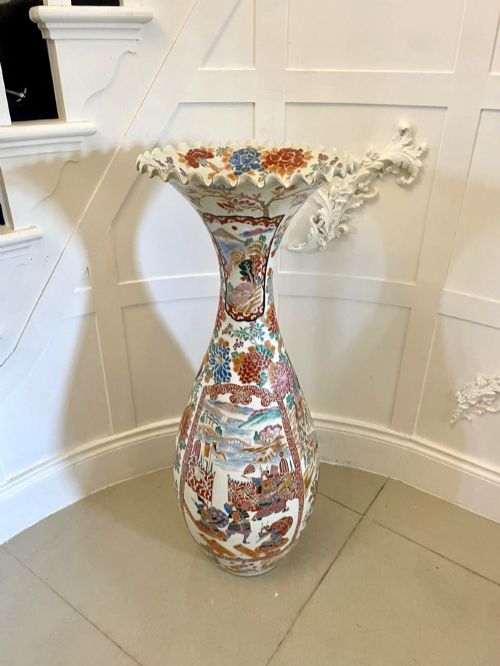
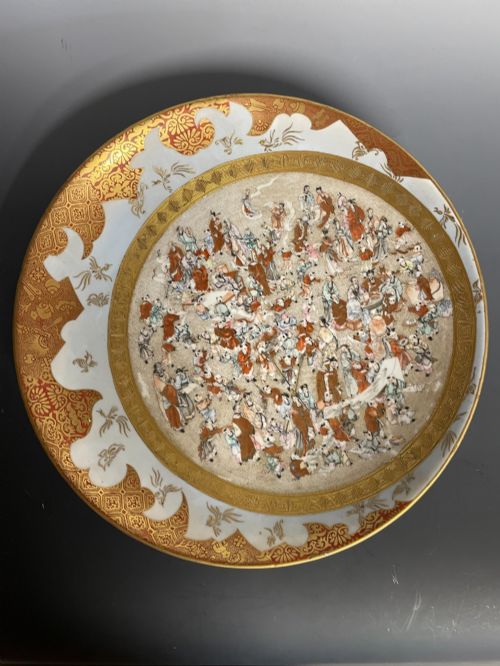
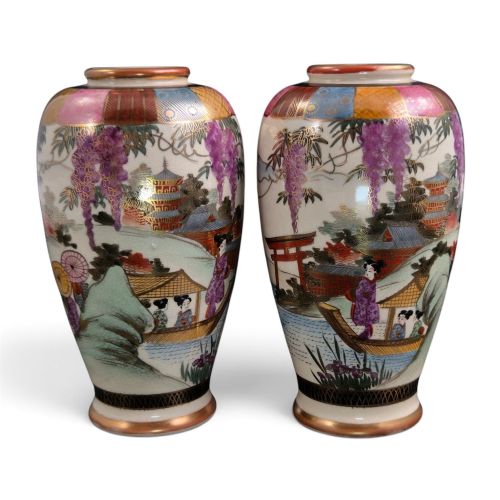
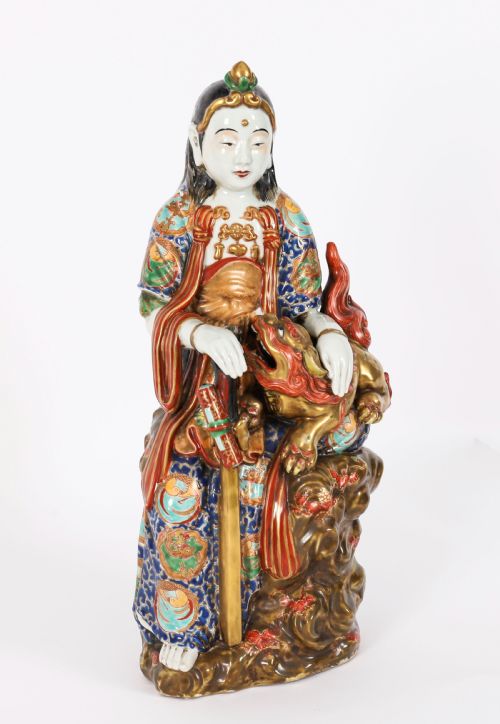
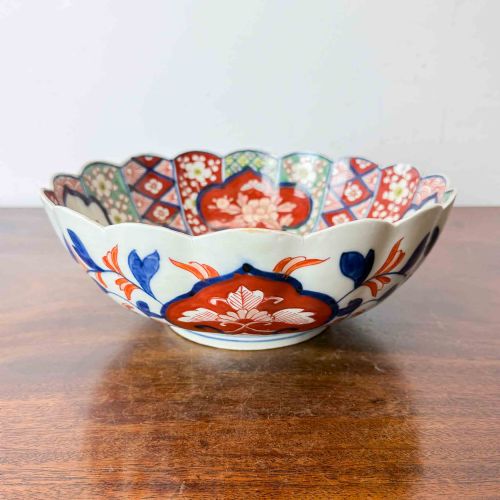
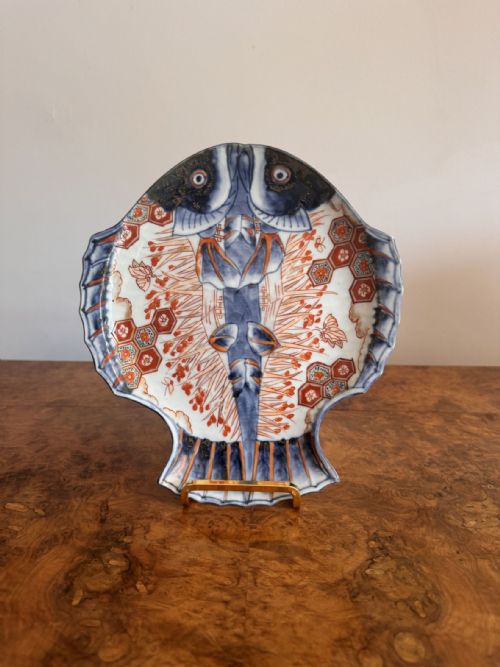
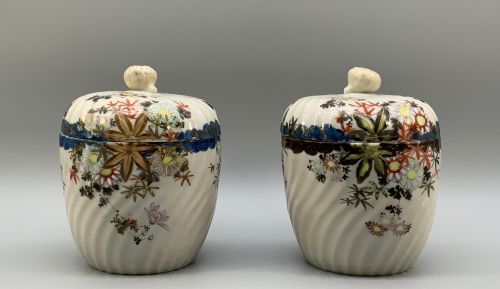
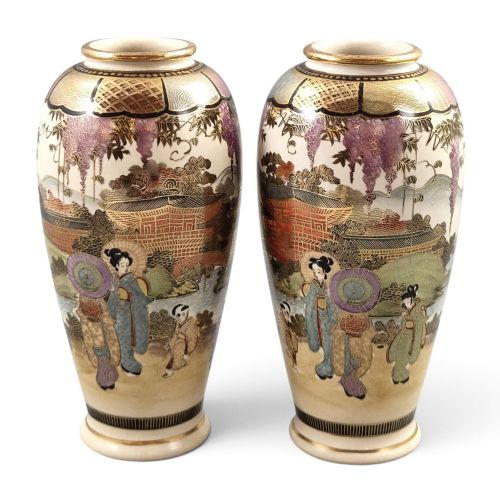
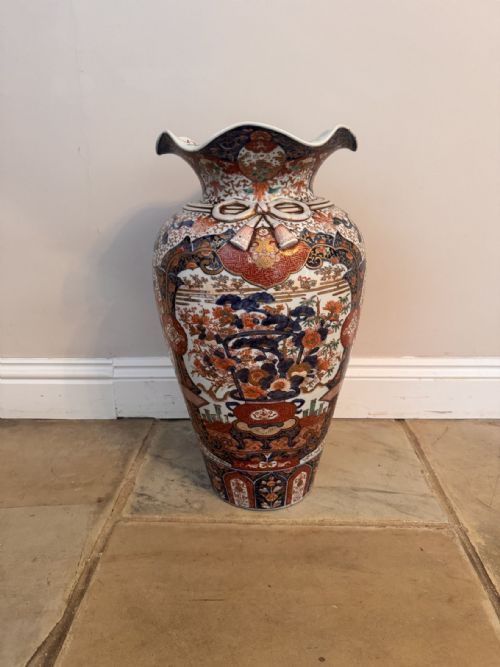
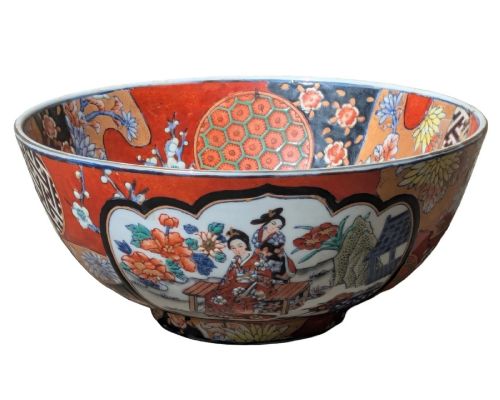
When you search for Japanese antique ceramics, you are looking at items like decorative bowls, decorative plates, incense burners, and vases. The nineteenth-century examples and Meiji period pieces on this page represent the core of what you will encounter.
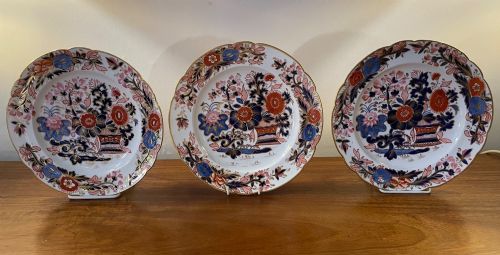
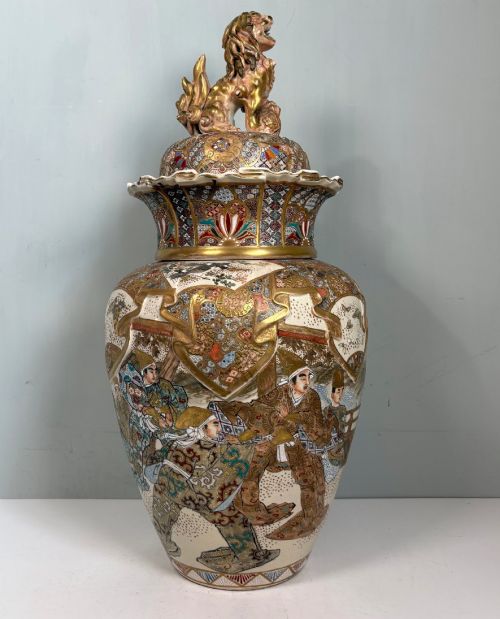
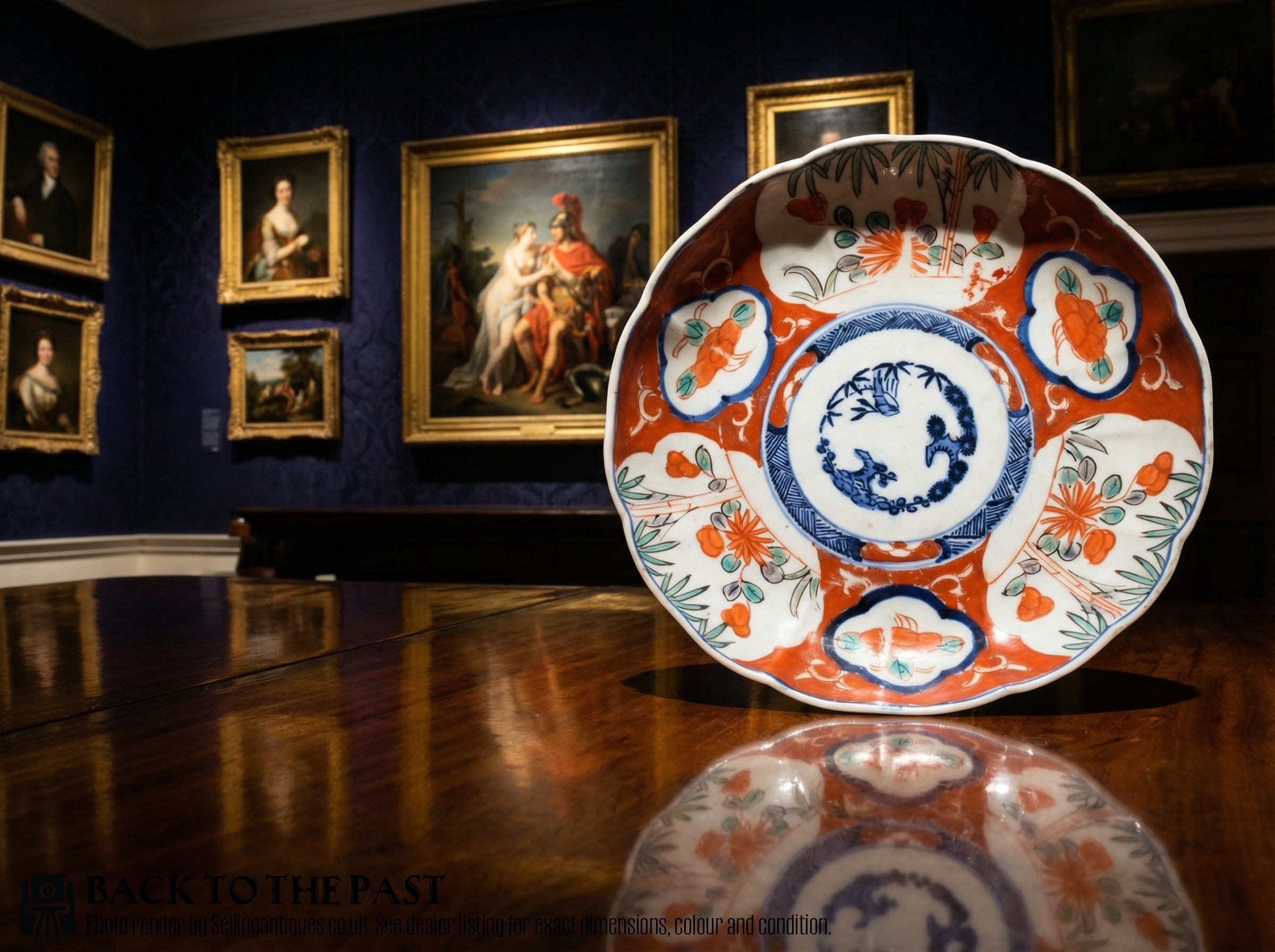
Satsuma ware and Japanese Imari form the specific aesthetic of these listings. These items showcase the distinct artistic output of Japan during the nineteenth century and the Edwardian era.
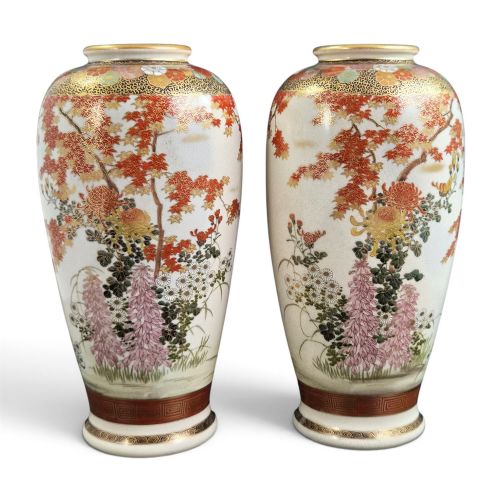
The selection ranges from large bowls by named makers to paired vases and plates. Each object demonstrates the traditional forms associated with this category of antique ceramics.
How they were made
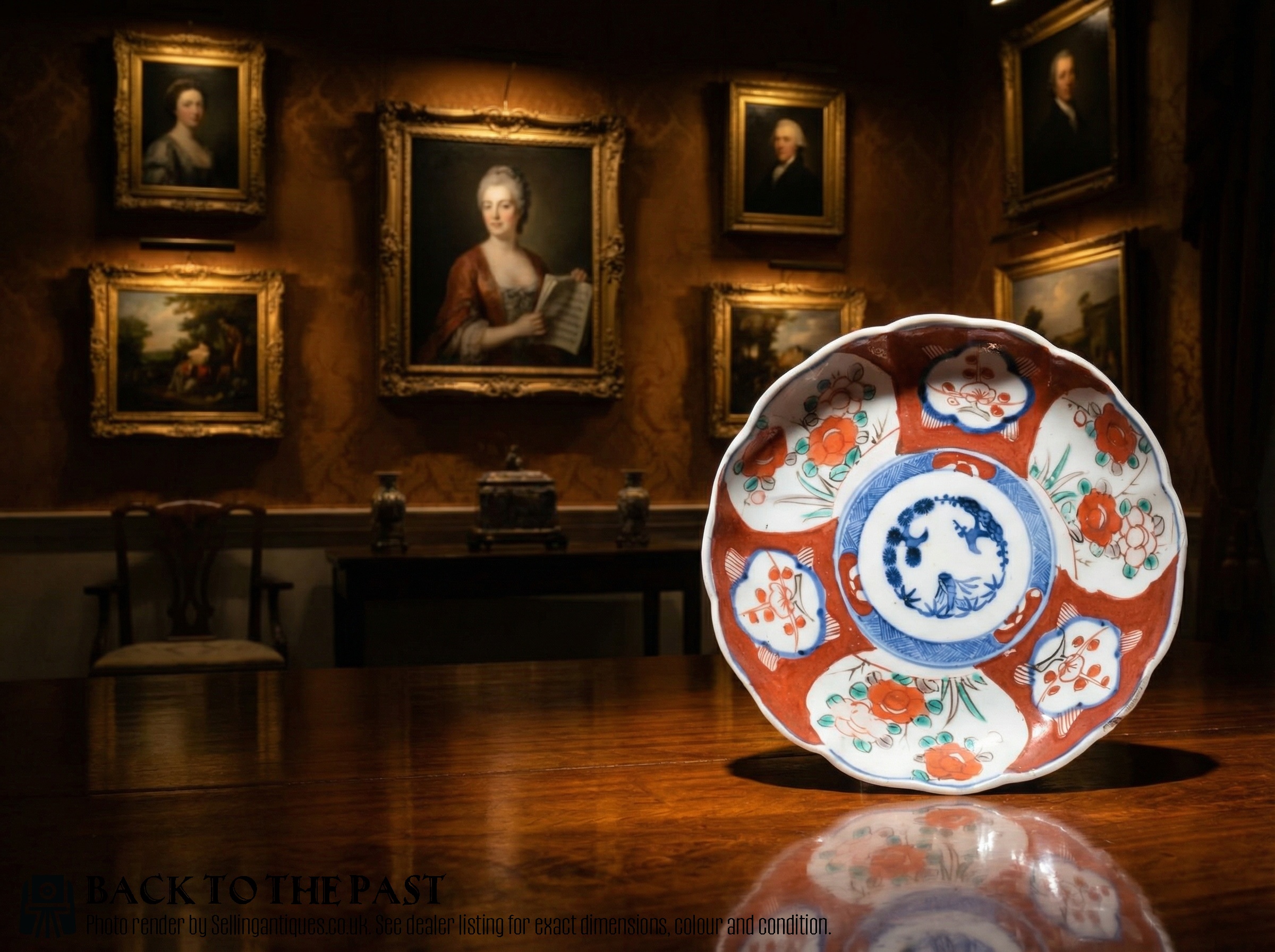
The makers utilised porcelain and earthenware as the primary base materials for these vessels and plates. Artisans then applied detailed enamel work and glaze across the surfaces.
Gold leaf, gilding, and gold gilt provide the metallic highlights seen on these pieces. These decorative techniques combine to create the intricate patterns characteristic of Satsuma and Imari wares.
Japanese Ceramics Retail Price Guide 2026
Typical asking prices for japanese ceramics among the pieces listed under this phrase on Sellingantiques today, from the lower quarter to the upper quarter. They describe what is for sale here now, not the wider market.
Listings feature items from the nineteenth century, nineteen hundred, and the Edwardian era, spanning materials like enamel, earthenware, and gold leaf.
What varies in quality
Quality rests in the precision of the enamel work and the application of gold leaf or gilding. Superior examples display sharper detail in the painted scenes and greater control over the glaze.
The presence of a known signature, such as the work of Ryuzan or Hododa of Yokohama, elevates a piece. The crispness of the earthenware or porcelain body further distinguishes finer production.
Ryuzan·Hododa
The Japanese Ceramics Glossary
- Satsuma
- A type of Japanese earthenware featuring a crackle glaze decorated with enamel and gold gilt. It originated in Satsuma Province and became popular for export during the Meiji period.
- Imari
- A style of Japanese porcelain decorated in underglaze blue and overglaze red, gold, and green. These plates and vessels were named after the port from which they were shipped to the West.
- Koro
- A traditional Japanese incense burner typically supported on three feet and fitted with a pierced lid. These incense burners often appear in Satsuma ware.
- Meiji Period
- The era in Japanese history spanning from eighteen sixty-eight to nineteen twelve. Pieces from this time frequently combine traditional motifs with intricate decorative techniques.
Japanese Ceramics: Frequently Asked Questions
What are Satsuma vases?
Satsuma vases are earthenware vessels characterised by a pale, crackle-glazed body decorated with detailed enamel and gold gilt. They emerged as a major export form during the Meiji period.
These pieces often depict traditional figures, landscapes, or floral patterns. Their intricate ornamentation makes them distinct from other ceramic types.
How do I identify Imari plates?
Imari plates are made of porcelain and typically feature a distinct palette of underglaze blue, iron red, and gold. This specific colour combination defines the traditional Imari aesthetic.
Such plates were produced for both domestic use and export. Their robust porcelain bodies and rich decoration allowed them to survive in large numbers.
When is the Meiji period?
The Meiji period spans from eighteen sixty-eight to nineteen twelve, marking an era of significant artistic production in Japan. Ceramics from this time often reflect both historical traditions and the demands of Western collectors.
Items bearing this attribution showcase the high level of craftsmanship achieved during the reign of Emperor Meiji. This era is central to the history of Japanese antiques.