



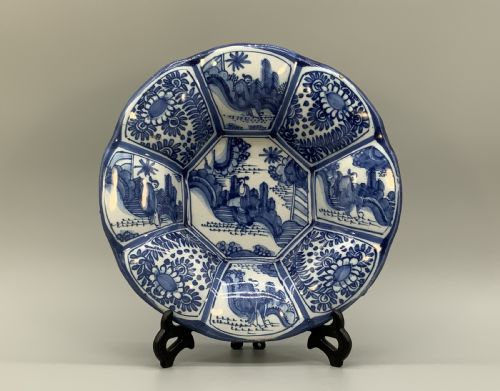
Antique Earthenware Wall Plate
An antique earthenware wall plate brings seventeenth-century tin-glazed chargers and Victorian transfer-printed scenes into domestic interiors.
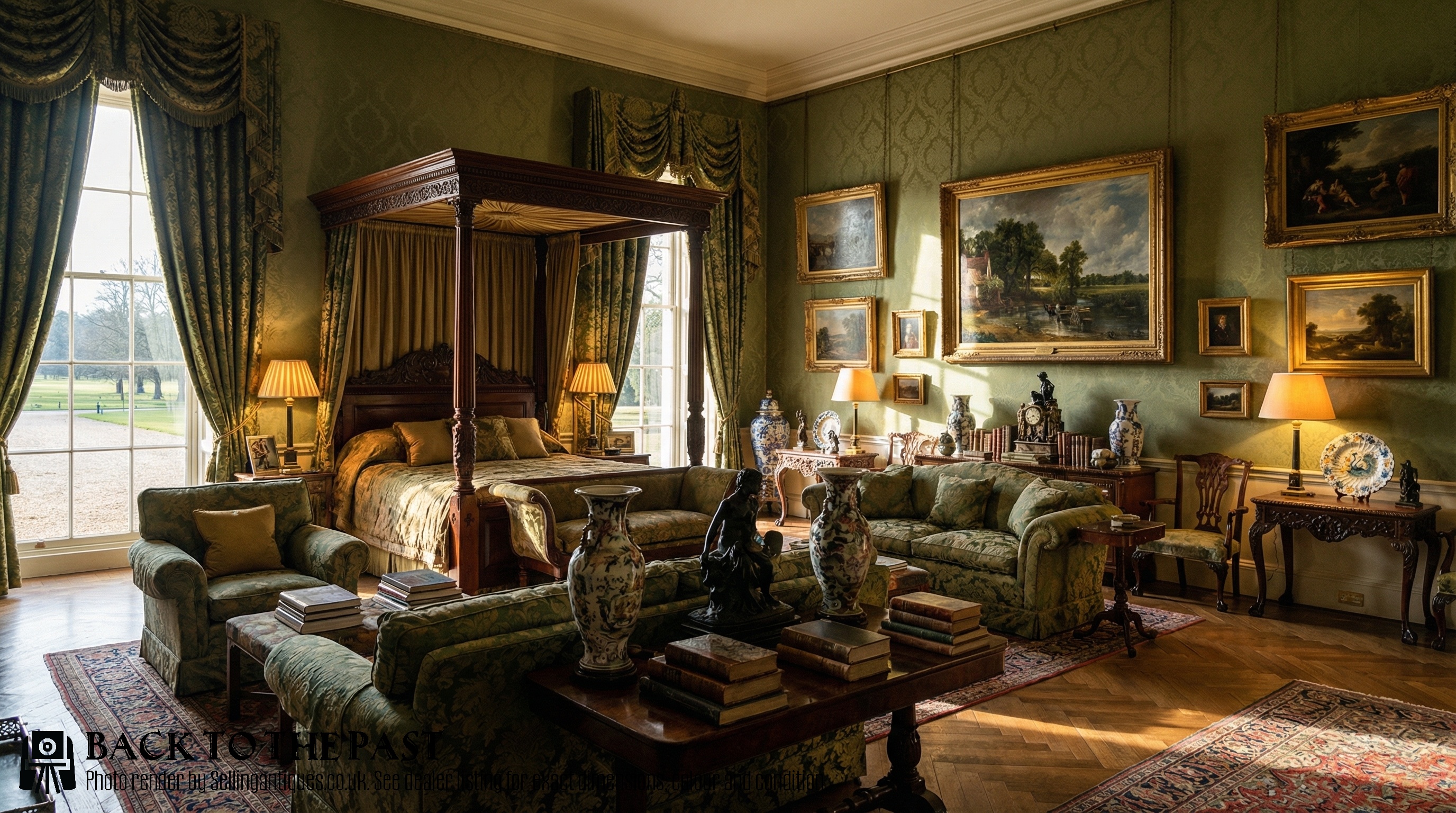
Antique Earthenware Wall Plate
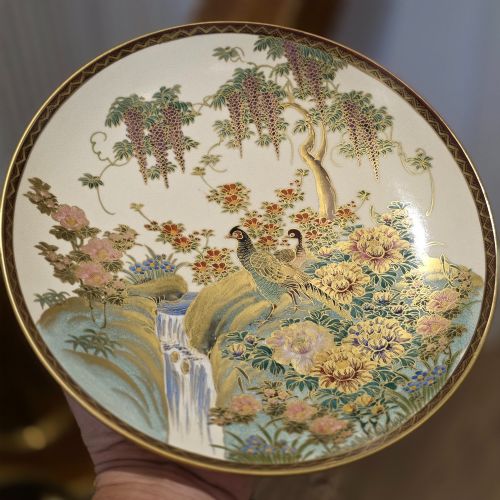
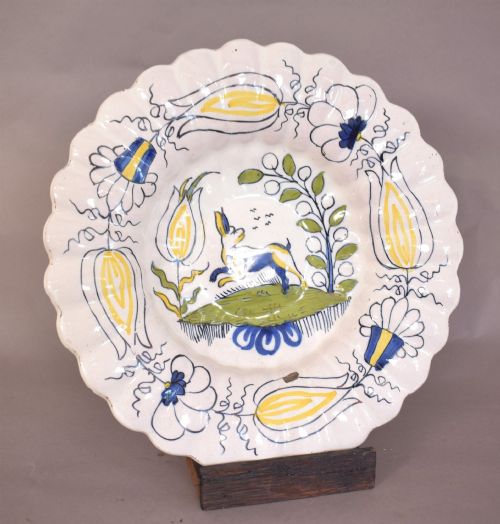
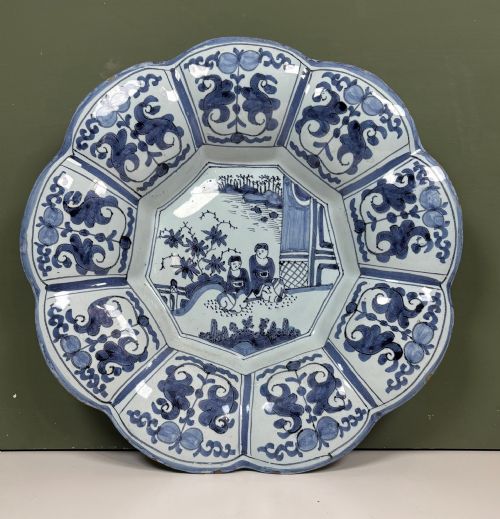
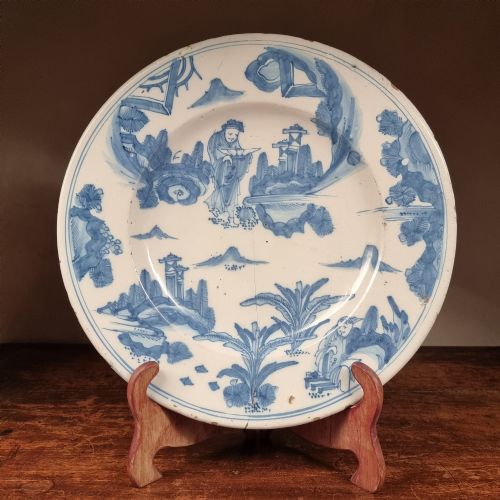
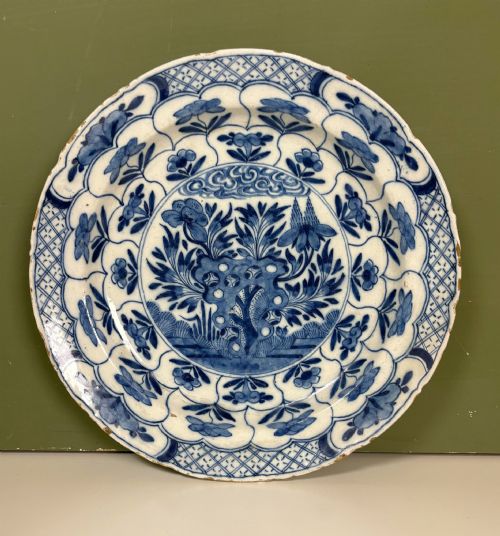
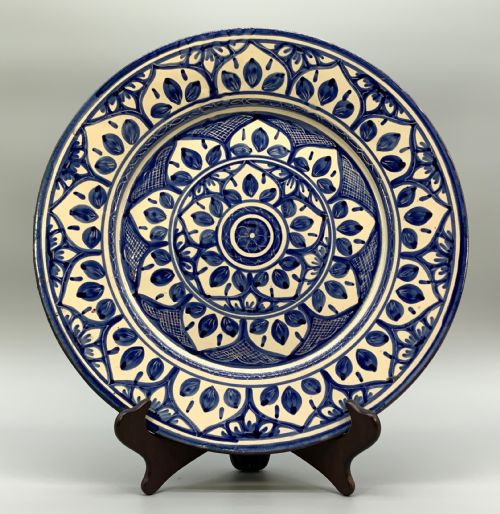
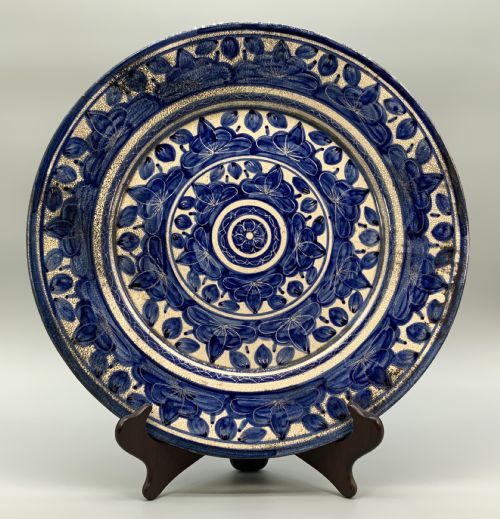
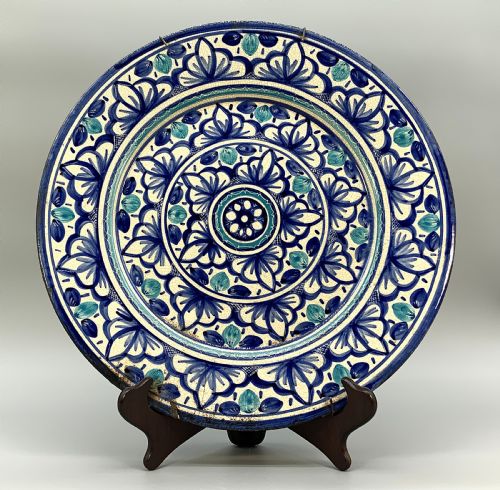
When you search for an antique earthenware wall plate, you encounter a variety of substantial domestic ceramic objects designed primarily for display rather than dining. These pieces range from deep seventeenth-century Dutch Delft chargers to nineteenth-century Victorian transfer-printed plates and decorative wall plaques.
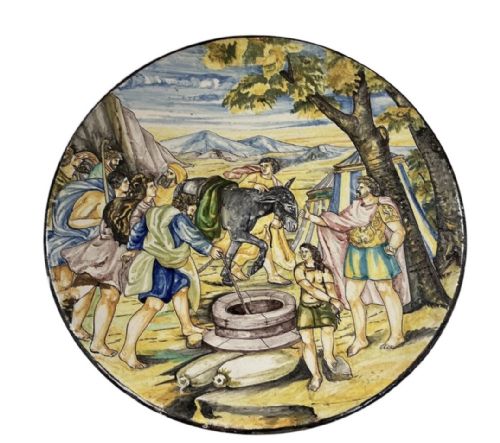
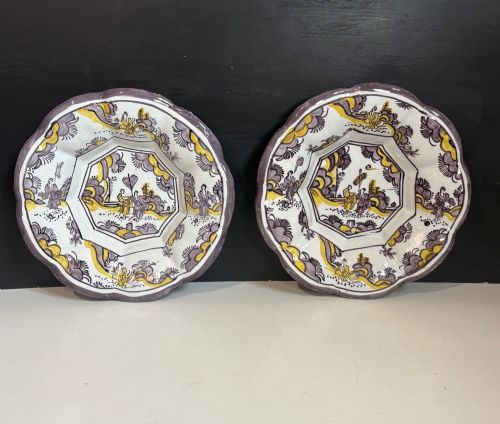
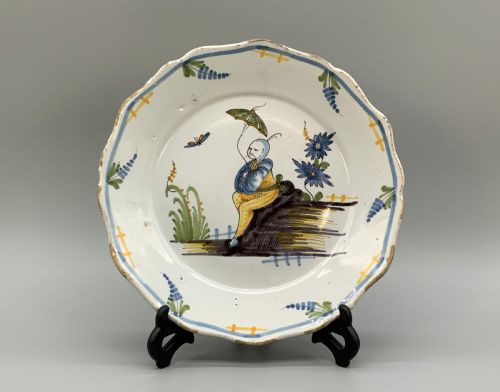
The most common items on this page are large chargers and decorative dishes originating from English, Dutch, French, and Italian kilns. You will frequently find pieces spanning the seventeenth, eighteenth, and nineteenth centuries, featuring styles from traditional blue and white Chinoiserie to Moorish and Renaissance revivals.
Many examples utilise earthenware bodies finished with tin glaze, faience, or maiolica, often shaped as lobed dishes or wide circular chargers meant to hang upon a wall. The forms bridge functional tableware and pictorial art, reflecting the aesthetic preferences of Georgian, Victorian, and earlier continental households.
Materials and Construction
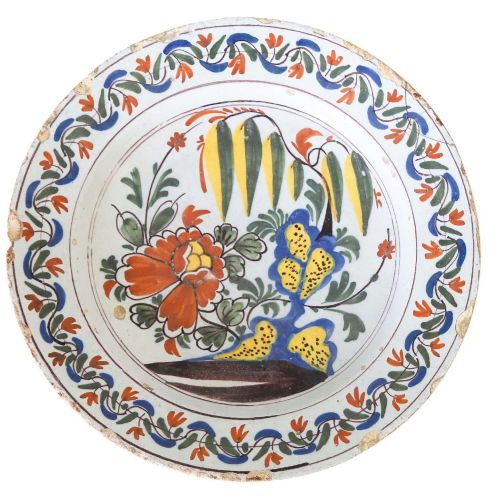
Potters constructed these objects using porous earthenware bodies formed into plates, chargers, and plaques, which were then coated in opaque tin glazes to create a smooth white canvas for painting. Artisans applied metallic oxides such as cobalt pigment for blue designs, alongside manganese, yellow, and polychrome enamels for multi-coloured pictorial scenes.
Decoration was typically hand-painted directly onto the unfired or raw glaze, a technique seen across Dutch, English, and continental Delftware, as well as Italian maiolica. Later nineteenth-century examples incorporated transfer printing, ironstone bodies, and occasional gold leaf or moulded relief details.
Materials range from simple earthenware and ironstone to rich tin glaze, cobalt pigment, and occasional gold leaf accents.
Evaluating Quality and Execution
Quality in these ceramics rests upon the clarity and confidence of the brushwork and the stability of the glaze application. Hand-painted pictorial chargers with detailed historical scenes or crisp Chinoiserie motifs demonstrate superior artistic control compared to mechanical or hurried execution.
The sophistication of the palette and the depth of the tin glaze significantly influence the visual weight of the piece. Well-balanced forms with minimal distortion from kiln firing represent the higher tiers of production across both seventeenth-century Delft and nineteenth-century majolica.
Koshida·Royal Bonn·Van Genden·Stubbs·William Yale·C.J. Mason
The Antique Earthenware Wall Plate Glossary
- Charger
- A large decorative plate intended for display on a sideboard or wall rather than for individual dining use. These wide dishes provide a substantial canvas for painted scenes.
- Tin-Glaze
- An opaque white ceramic glaze containing tin oxide, used to cover earthenware bodies and provide a ground for painted decoration. It is characteristic of Delftware and faience.
- Maiolica
- Tin-glazed earthenware produced in Italy and other European regions, often featuring colourful historical or botanical painting. The technique dates back to the Renaissance and experienced later revivals.
- Chinoiserie
- European decorative style reflecting Chinese artistic motifs, popular on seventeenth and eighteenth-century Delftware. It depicts imagined oriental landscapes and figures in blue and white.
- Transfer-Printed
- A decoration technique where an engraved metal plate transfers a design onto paper and then onto the ceramic body before firing. This method allowed for intricate repeatable imagery on nineteenth-century plates.
Antique Earthenware Wall Plate: Frequently Asked Questions
How were antique earthenware wall plates displayed?
These large chargers and plates were traditionally mounted on dining room walls or arranged upon dressers to showcase imported styles and painted narratives.
Wealthy households used them to demonstrate taste through prominent decorative placement in main living spaces.
What is the difference between Delft and maiolica?
Delft generally refers to tin-glazed earthenware originating from the Netherlands or England, famous for blue and white designs.
Maiolica describes the continental European tradition, particularly Italian tin-glazed pottery, which often utilised a broader polychrome palette for historical scenes.
How do I identify seventeenth-century pieces?
Early pieces often feature thicker earthenware bodies, heavier tin glazes with characteristic surface irregularities, and distinct pigment pooling.
Stylistic markers such as early Kraak patterns or traditional Dutch motifs also help assign pieces to the seventeenth century.
Can these plates still be hung on walls?
Many antique chargers were manufactured with pierced foot rings or fitted with historical hanging wire adaptations for display.
Modern wire wall hangers designed specifically for heavy ceramics can support them safely if applied with care.