




Antique Ceramic Wall Plates
Antique ceramic wall plates bring centuries of kiln artistry straight onto domestic walls, offering instant visual focus through rich hand-painted palettes and domestic blue-and-white scenes.
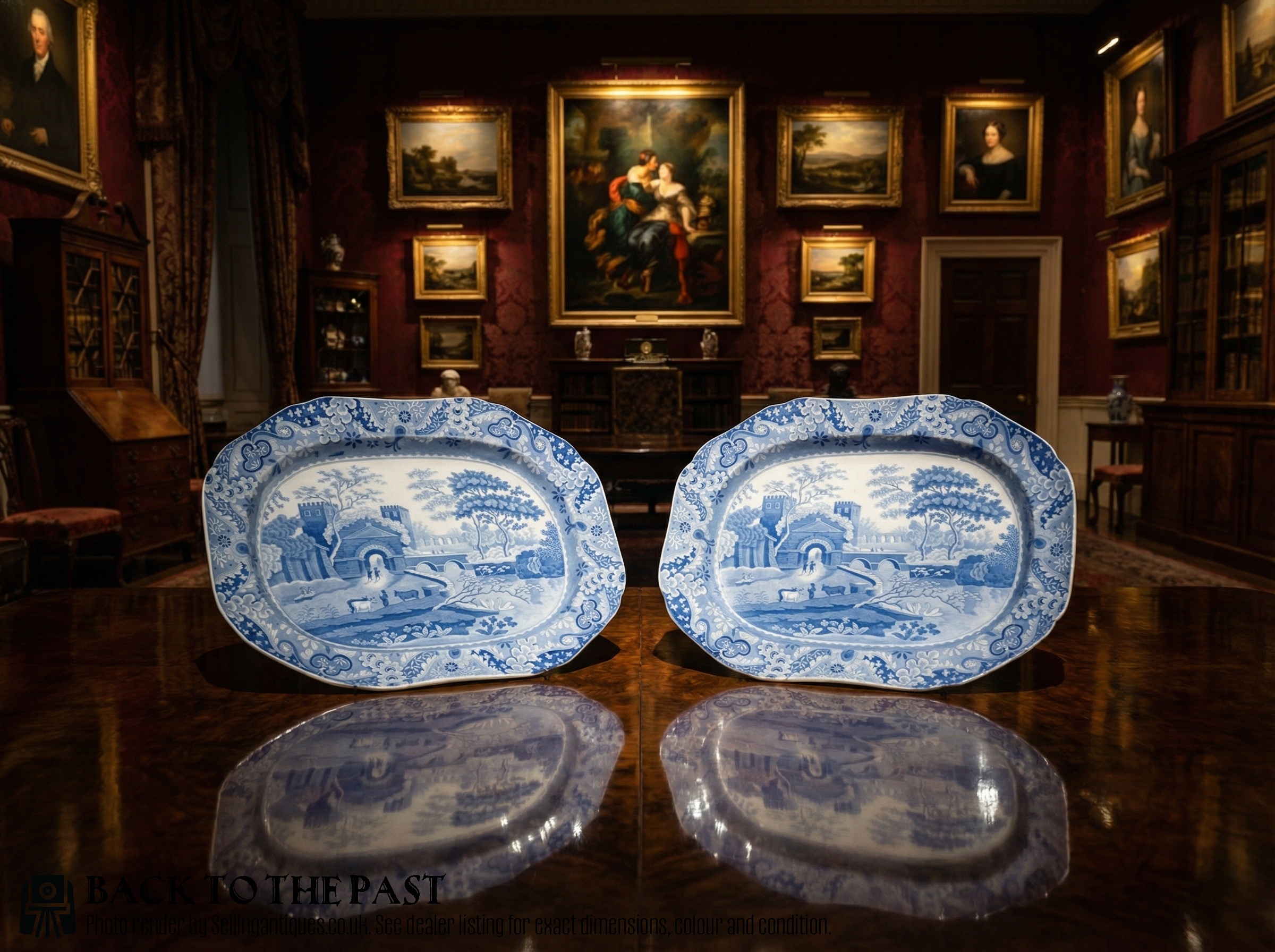
What antique ceramic wall plates are
Antique ceramic wall plates comprise decorative dishes, plates, and platters originally created for dining or display but now primarily hung for interior decoration. These pieces bridge utilitarian origins and high decorative purpose across varied historical epochs.
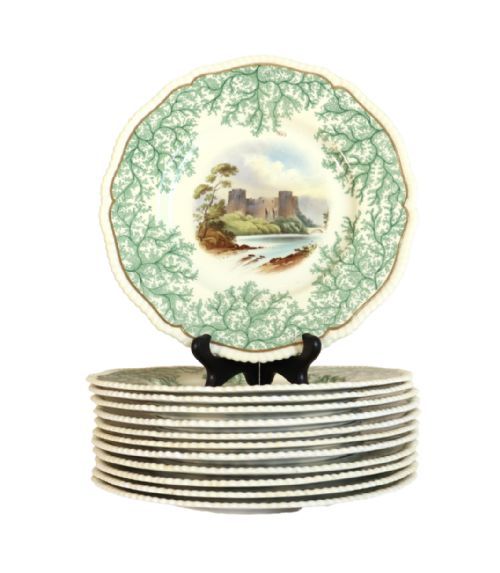
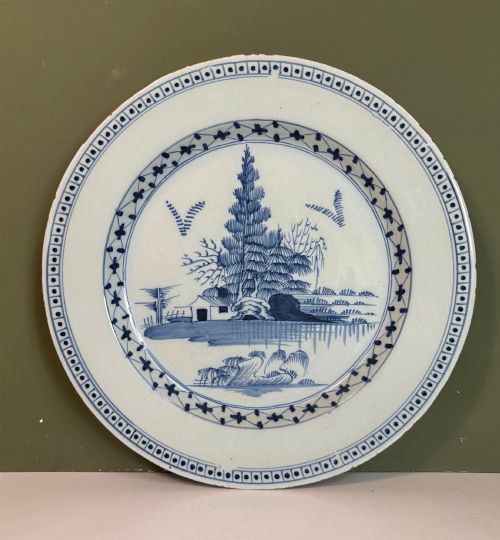
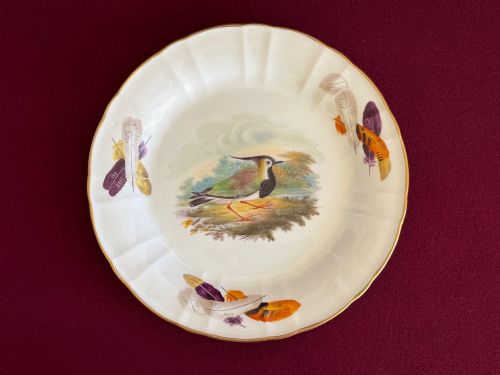
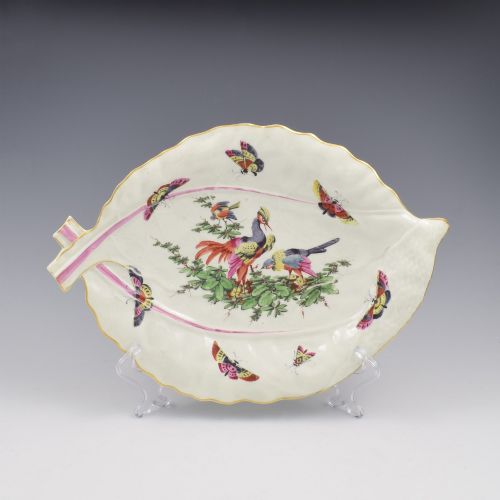
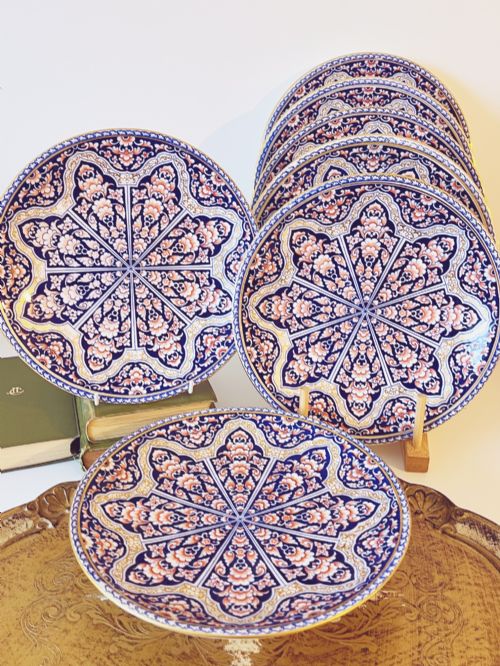
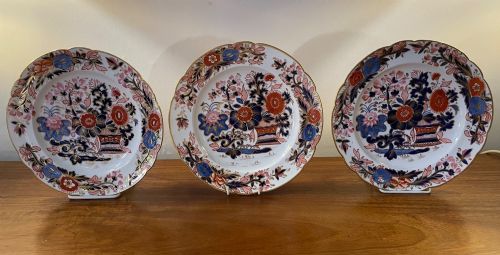
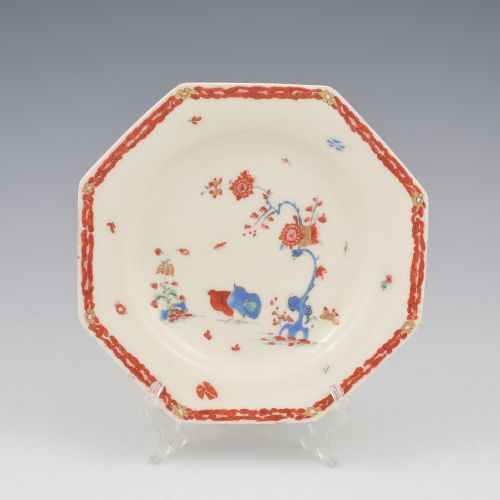
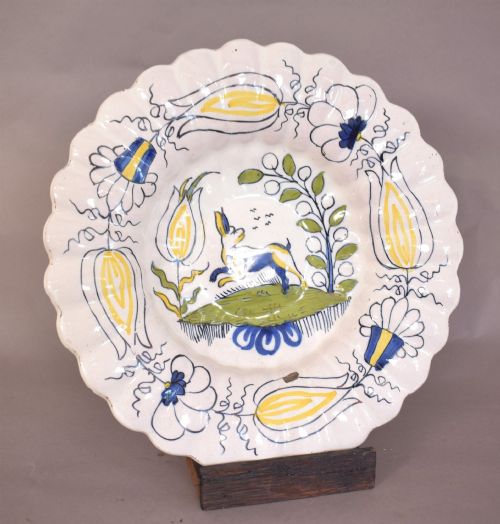
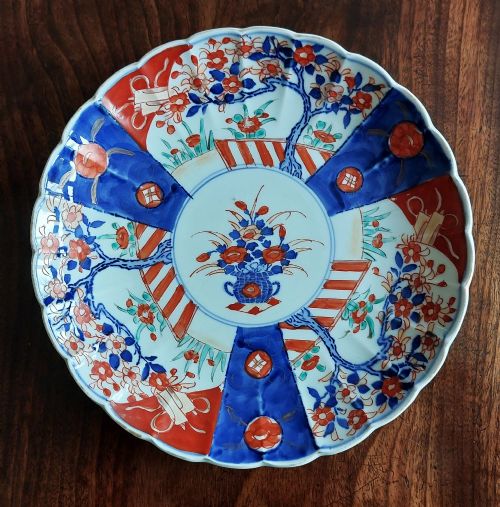
The selection on this page centres heavily on eighteenth-century tin-glazed earthenwares, nineteenth-century British earthenwares and porcelains, and Japanese Imari imports. Collectors frequently encounter pairs and matched sets spanning the Georgian era up to the early twentieth century.
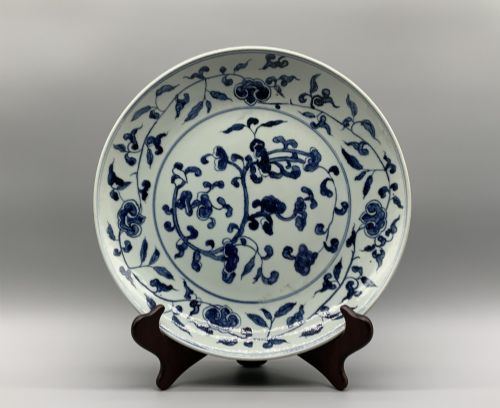
Forms range from traditional circular Delft dishes to hexagonal Imari plates and commemorative blue-and-white topographical views. Each piece carries specific regional traits rooted in eighteenth-century Faience, Regency taste, or Japanese export aesthetics.
How they were made
Potters shaped these objects from earthenwares and porcelains, applying tin glazes or clear lead glazes to seal the porous clay bodies. Enamel colours and underglaze blue pigments were then hand-brushed onto the raw or fired surfaces before subsequent kiln firings.
Many items incorporate delicate gilding applied over the glaze to highlight rims and central motifs. The interaction between tin glazes, cobalt blue pigments, and iron-red Japanese Imari enamels defines the physical surface of these wares.
Retail Price Guide 2026
Typical UK retail prices for ceramic wall plates, calculated from the Sellingantiques database of over a million retail prices indexed since 2003. This retail price guide relies exclusively on Sellingantiques data; no external sources or auction records are used, so the figures do not describe the wider market.
Listings span the eighteenth century, the Georgian period, nineteen hundred, and nineteen ten, incorporating earthenware, porcelain, tin glaze, and gilding.
What varies in quality
Quality rests on the crispness of the hand-painted brushwork and the complexity of the palette, where layered Imari enamels or deep blue-and-white Delft cobalt show superior painterly control. Finer plates exhibit balanced compositions and clean glaze surfaces free from excessive kiln grit.
The pedigree of the manufacture, from Staffs bodies to Spode porcelains or Dutch tin-glazed workshops, dictates the refinement of the paste and the ambition of the design. Intact gilding and unusual geometric forms, such as hexagonal shapes, elevate specific pieces above standard domestic wares.
The Antique Ceramic Wall Plates Glossary
- Tin Glaze
- An opaque white glaze containing tin oxide, providing a smooth canvas for painted decoration on earthenware. This technique defines traditional Delft and Faience production.
- Imari Palette
- A decorative scheme originating in Japan utilising deep underglaze blue, iron red, and supplementary gilding. It became widely imitated in European factories during the eighteenth and nineteenth centuries.
- Delft
- Tin-glazed earthenware produced in the Netherlands and England, typically decorated in blue with pastoral or maritime scenes. These plates frequently feature pierced foot rims designed for suspension.
- Earthenware
- Porous pottery fired at lower temperatures than porcelain, requiring a glaze to achieve impermeability. Most early wall plates utilise this traditional ceramic body.
- Gilding
- The application of gold leaf or gold powder to ceramic surfaces, usually fired to fix the metal. It highlights borders and central motifs on finer Regency and Imari examples.
Frequently Asked Questions
How do I hang antique ceramic wall plates safely?
Use professional spring-loaded brass wire hangers that grip the rim without exerting undue pressure on the body. Ensure the wall fixing is secure and keeps the plate flush.
Avoid adhesive discs that stick directly to the unglazed foot rim or base. Weight distribution matters particularly with heavier nineteenth-century earthenware platters.
How do I tell Delft plates from Japanese Imari?
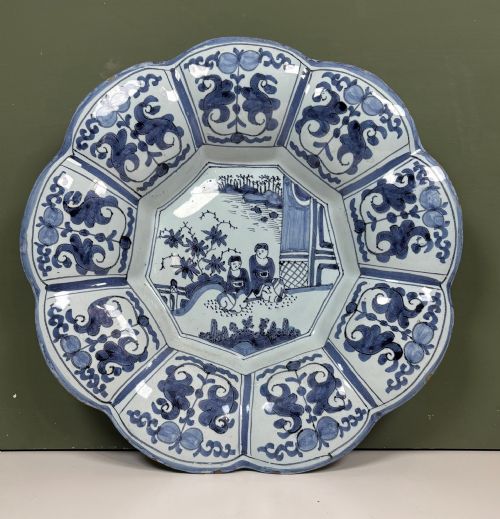
Delft plates rely on a tin-glazed earthenware body painted in monochrome blue with European or Chinese transitional motifs. The glaze is often thick with a soft, milky appearance.
Japanese Imari uses a harder porcelain body featuring a distinctive tripartite colour scheme of cobalt blue, iron red, and gilding. The motifs focus heavily on stylized brocade patterns and natural Japanese flora.
Were these plates originally made for the wall?
Most antique ceramic wall plates started life on the dining table or sideboard before being repurposed for display in later centuries. Many eighteenth-century Delft and Faience examples were produced specifically for decorative display in parlours.
By the nineteenth century, makers often incorporated pierced foot rims precisely so owners could thread wire and mount them onto walls.