

19th Century Porcelain Urn
A 19th century porcelain urn brings grand neoclassical form and hand-painted artistry into a room, offering both decorative presence and historical depth.
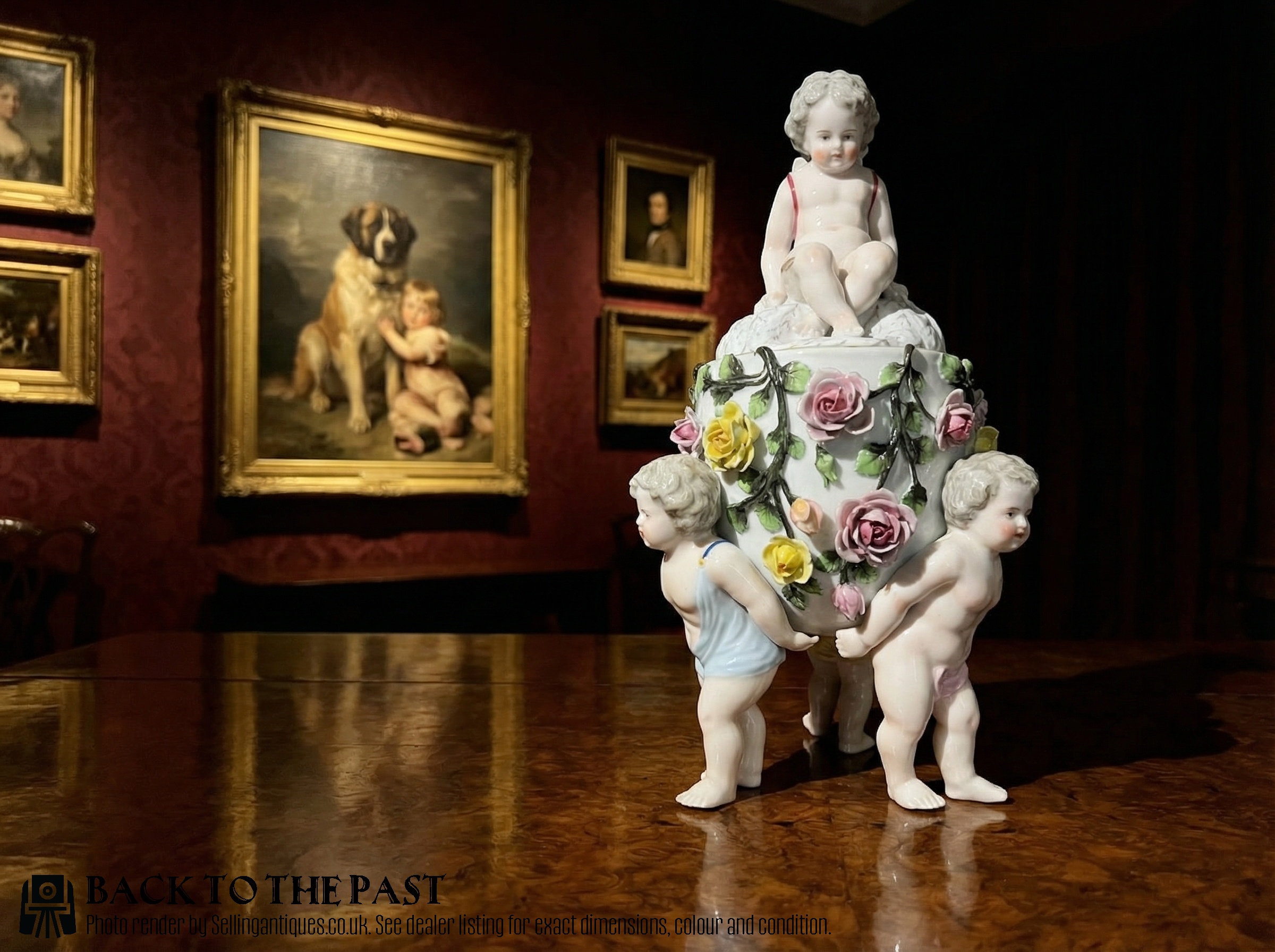
19th Century Porcelain Urn
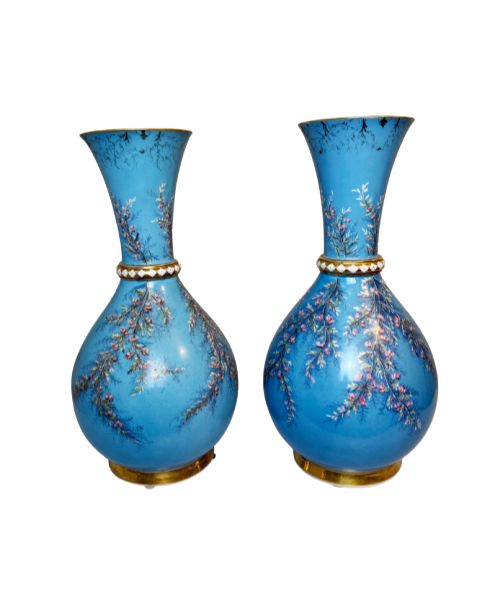
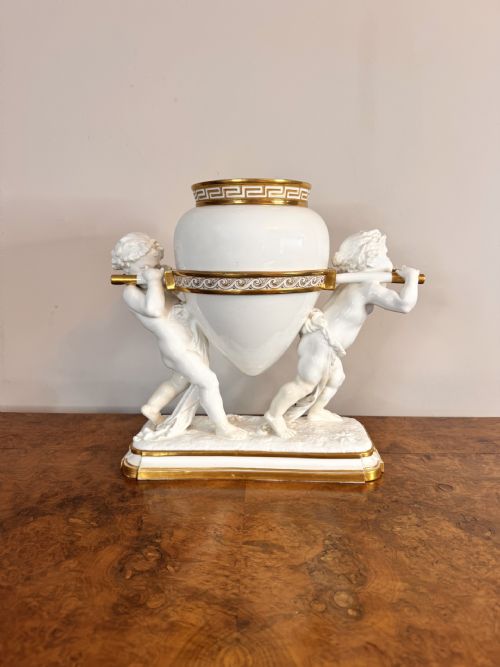
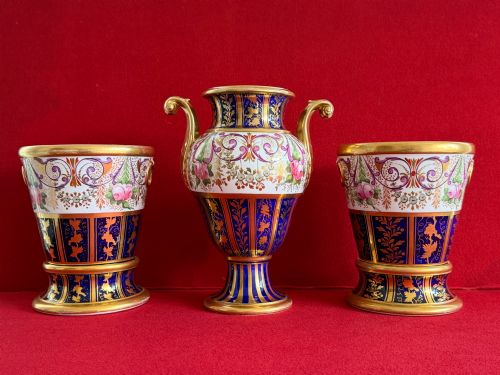
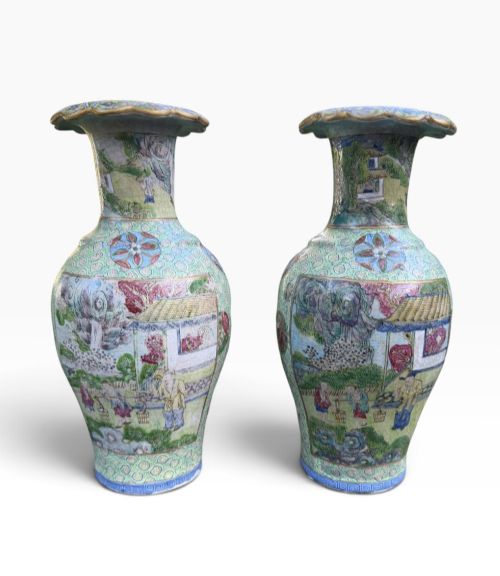
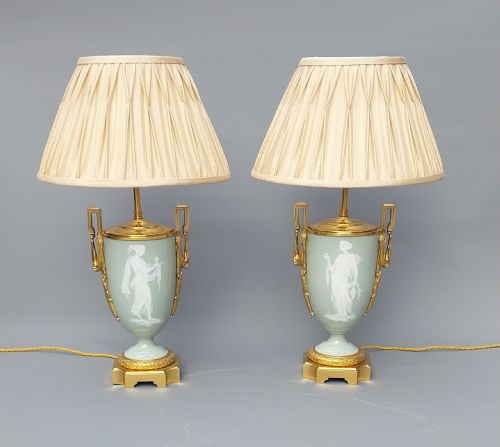
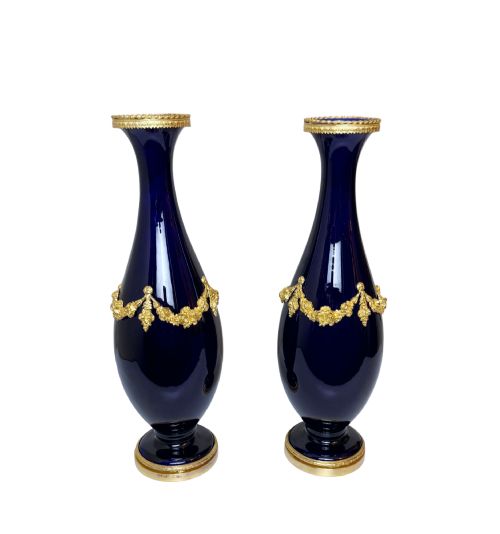
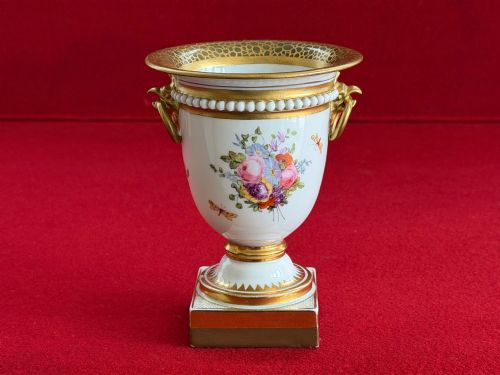
A 19th century porcelain urn encompasses decorative vessels, handled vases, and lidded containers created across European and Asian kilns during the 1800s. These pieces often serve as focal points on mantels, sideboards, and large tables.
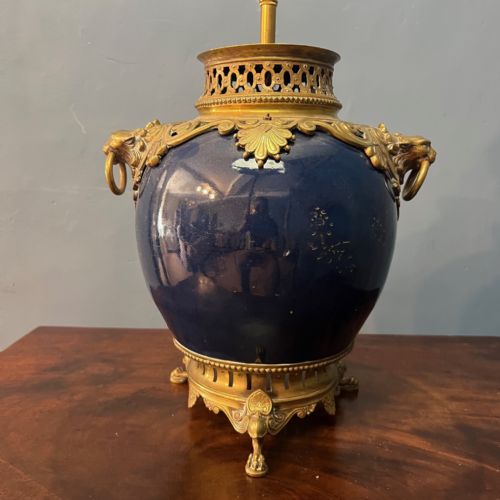
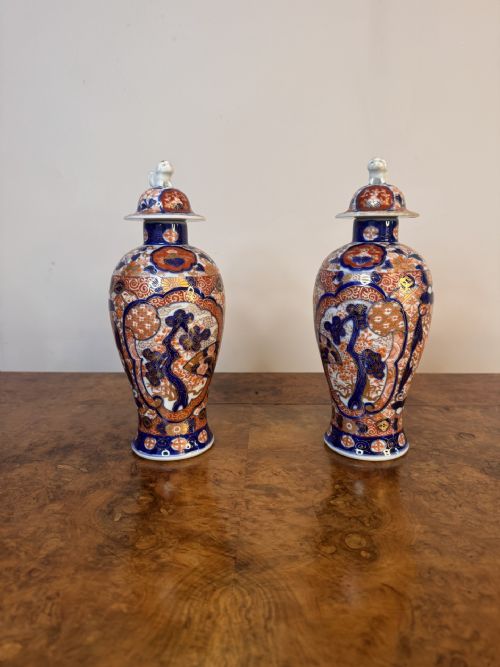
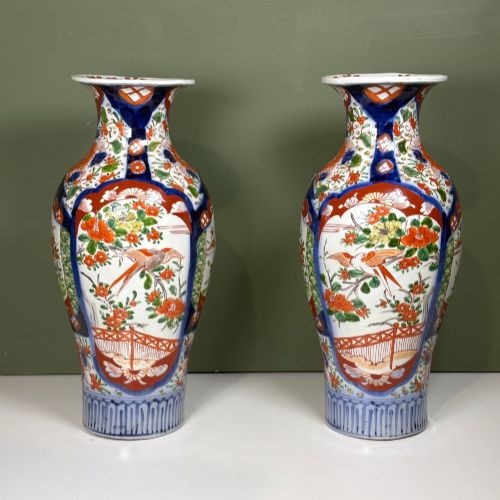
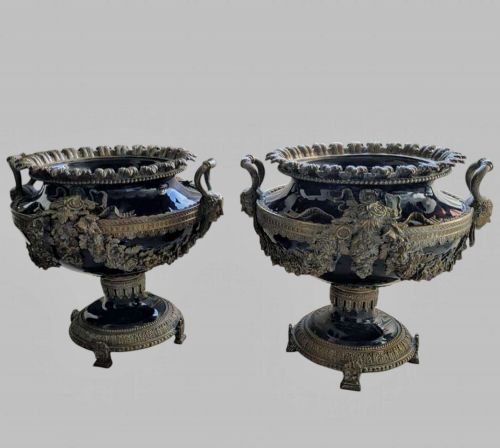
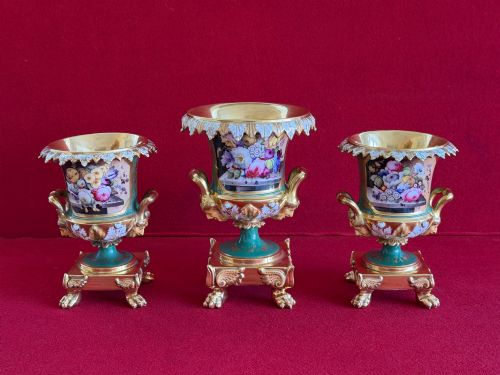
The selections available range from French porcelain mounted in gilt bronze to English campagna shapes and Japanese Imari floor-standing jars. Collectors encounter both cabinet-sized cabinet pieces and substantial pairs intended for architectural display.
Originating from periods spanning the Georgian era to the late Victorian decades, these vessels reflect diverse aesthetic revivals, including Rococo and Neoclassical tastes.
Materials and Techniques
Potters utilised refined ceramic pastes, glazes, and enamel colours, often applying gold leaf or gilding by hand to accentuate handles and rims. Many European factories combined fired porcelain with cast ormolu and gilt bronze mounts.
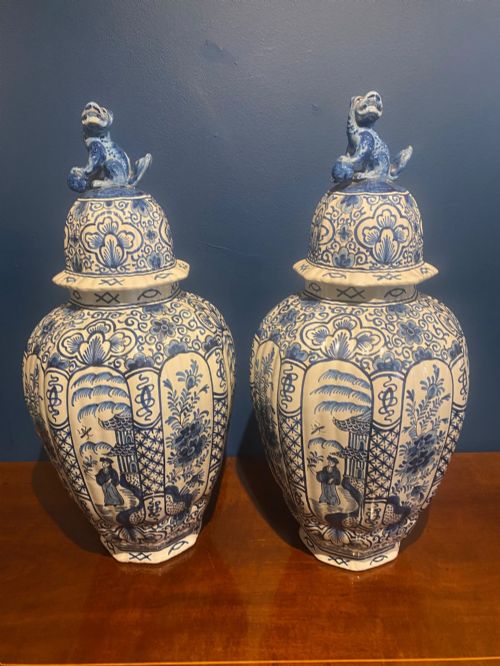
Decoration relied on skilled hand painting, intricate pate-sur-pate layering, and blue-and-white underglaze techniques. Kilns fired these pieces multiple times to set complex polychrome designs and lustrous metallic accents.
19th Century Porcelain Urn Retail Price Guide 2026
Typical asking prices for 19th century porcelain urn among the pieces listed under this phrase on Sellingantiques today, from the lower quarter to the upper quarter. They describe what is for sale here now, not the wider market.
Listings feature porcelain urns and vases spanning the Georgian, Regency, and late Victorian periods, alongside Japanese Meiji examples.
Evaluating Quality and Execution
Quality rests upon the precision of the hand painting, the crispness of the porcelain moulding, and the weight and detail of any bronze or ormolu mounts. Finer works display meticulous brushwork on botanical or figural scenes rather than simplified transfer printing.
The prestige of the manufactory also influences standing, with established names like Sèvres, Worcester, or Meissen demonstrating superior ceramic body formulation and glaze durability.
Jean-Baptiste Delettrez·Samson Paris·Cantagalli·Royal Worcester·Sitzendorf·Spode·Derby·Limoges·Barr Flight and Barr·H and R Daniel·Coalport·Meissen
The 19th Century Porcelain Urn Glossary
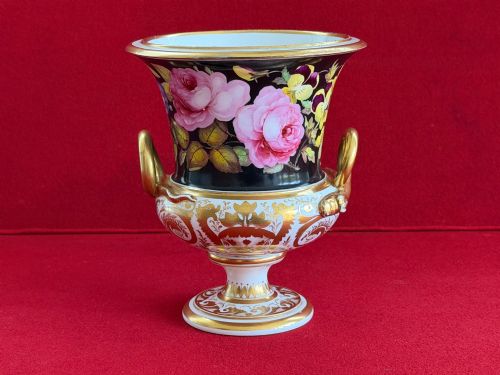
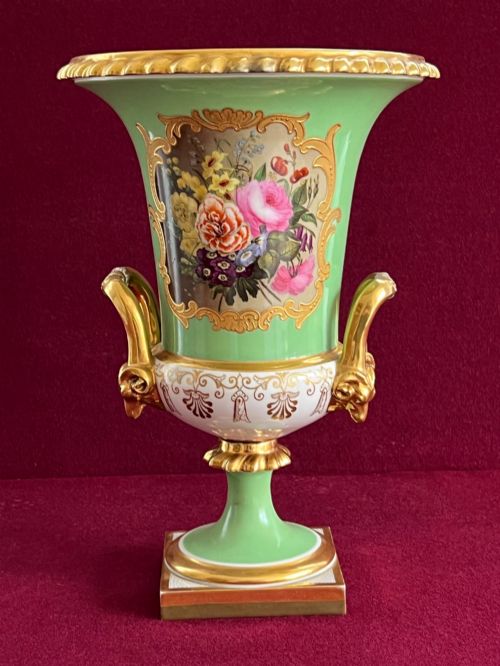
- Campagna urn
- A bell-shaped vessel with a flared rim and pedestal foot, popular in neoclassical design. This form mirrors classical garden vessels adapted for interior display.
- Ormolu
- Gilt bronze mounted onto furniture and ceramics for decorative effect. The metal is cast and then finished with gold gilding.
- Pate-sur-pate
- A ceramic technique where wet slip is built up in successive layers to create a low relief cameo effect. This process requires exceptional skill from the decorator.
- Bleu celeste
- A distinctive bright sky blue ground colour developed at the Sevres pottery. It often forms the backdrop for gilt embellishments and painted cartouche panels.
- Imari
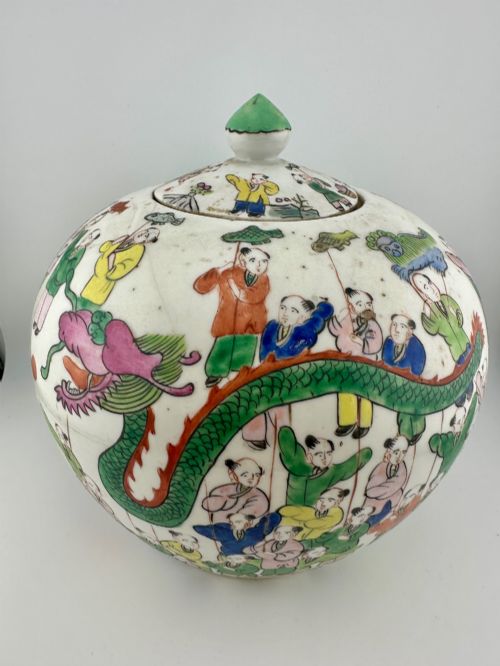
- Japanese export porcelain decorated in underglaze blue, iron red, and gold. These pieces became highly influential across nineteenth-century European kilns.
19th Century Porcelain Urn: Frequently Asked Questions
How do I identify a Sèvres style urn?
Look for rich blue ground colours, gilt bronze mounts, and hand-painted pastoral scenes within gilded borders. Many nineteenth-century European factories adopted these distinct decorative motifs.
While some bear factory marks, pieces made by workshops like Samson in Paris often imitate the signature aesthetic without being original eighteenth-century production.
Were these urns used for flowers?
Most nineteenth-century decorative urns served primarily as ornamental display pieces on mantels and pedestals rather than utilitarian vases. Lidded versions were designed to remain closed as sculptural objects.
However, some larger jardinieres and specific vase forms were created to hold botanical arrangements or floral displays during the period.
How do I care for gilt bronze mounts?
Dust gilt bronze and ormolu gently with a soft, dry brush to prevent the accumulation of dirt in recessed crevices. Avoid using liquid polishes or abrasive cloths, which can strip away the historical gilding.
Keep the porcelain body clean with a damp cloth where glazed, ensuring moisture does not seep into unglazed ceramic bases or loose mount joints.
What is the difference between an urn and a vase?
Urns typically feature a footed pedestal base, a distinct stem, and handles, echoing classical architectural forms. Vases encompass a broader category of vessel shapes ranging from cylinders to bulbous jars.
In nineteenth-century manufacturing, the terms often overlap depending on whether the vessel includes a fitted cover or handles suited for display.