




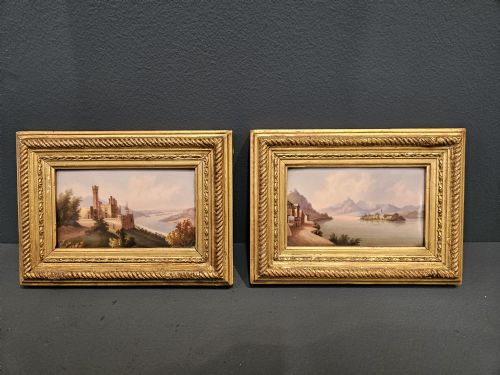
19th Century Porcelain Pair
A 19th century porcelain pair offers symmetrical balance and historical craftsmanship, spanning English factories, continental works and Asian export studios.
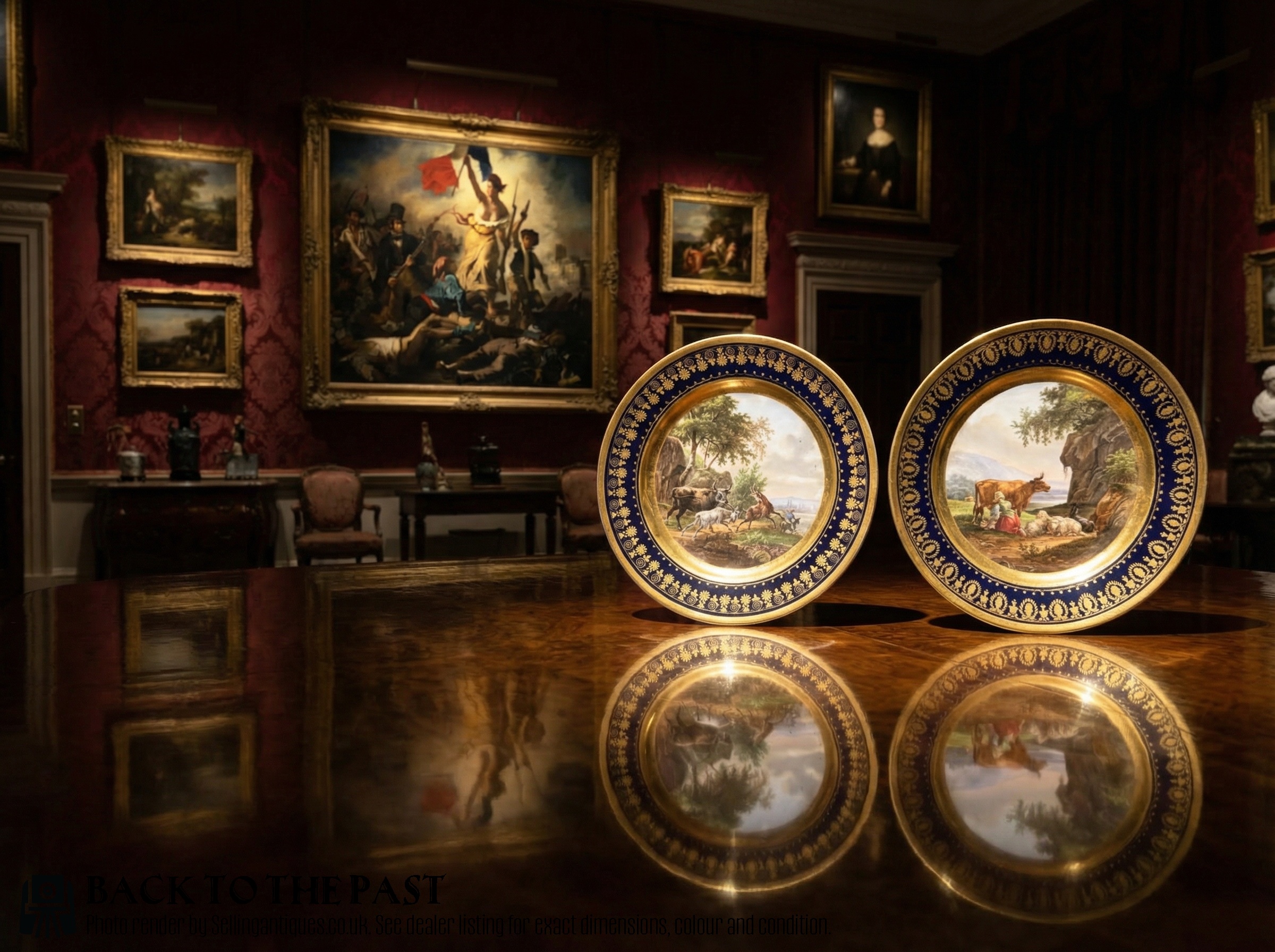
19th Century Porcelain Pair
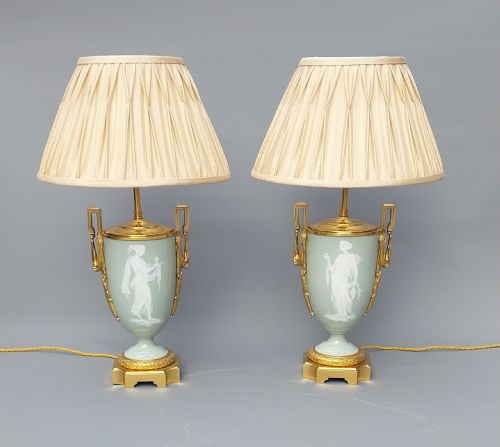
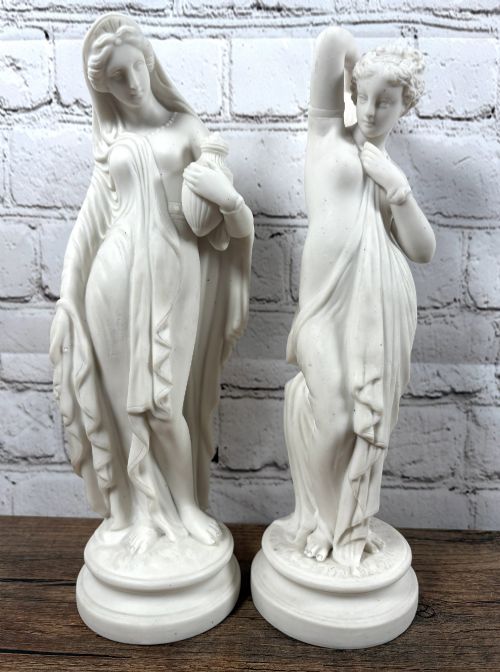
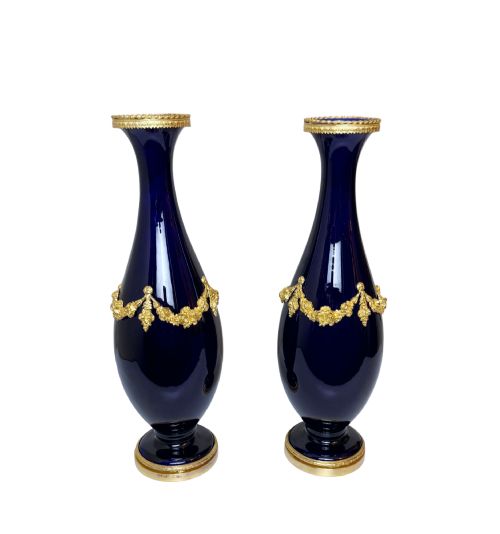
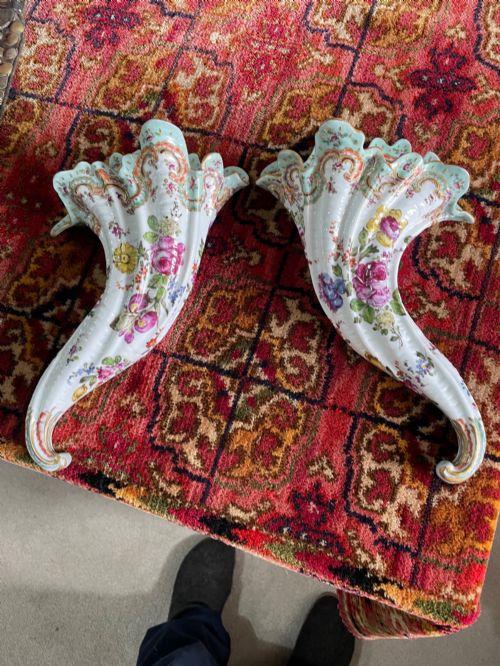
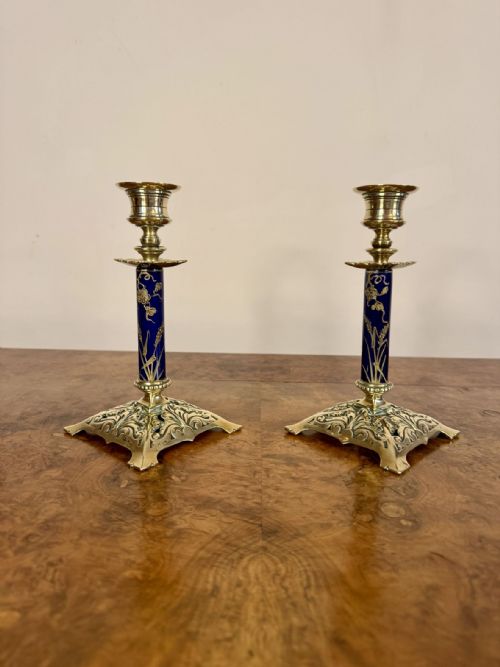
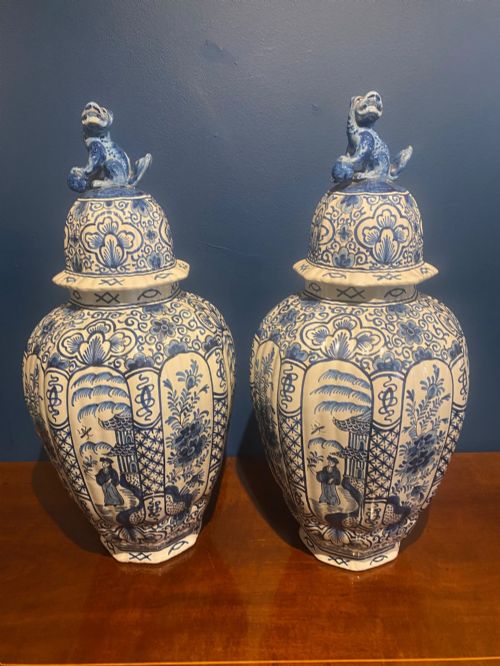
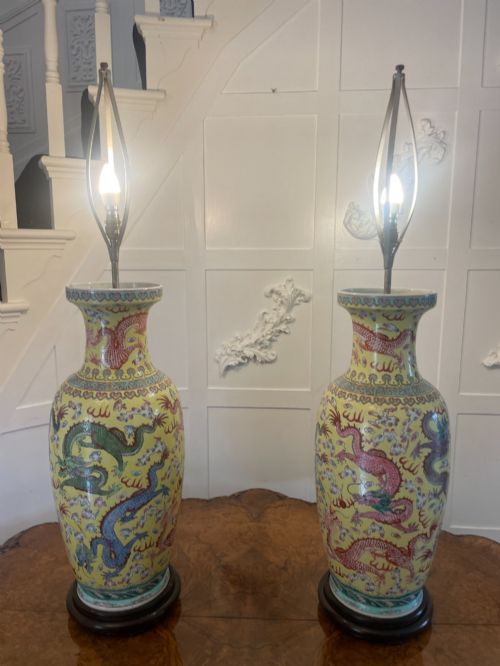
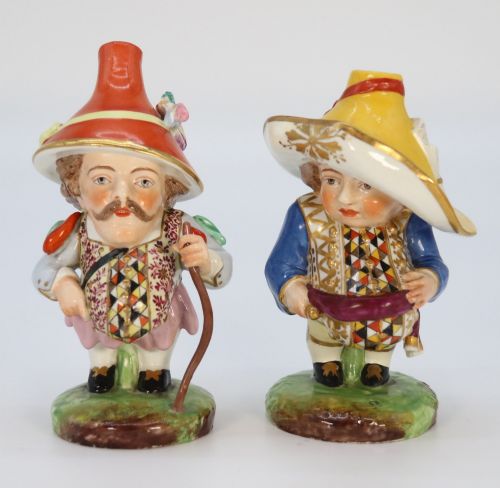
A 19th century porcelain pair brings matching symmetry to mantelpieces, sideboards and display cabinets through twin vessels, figures or wall plaques. Buyers encounter everything from small dessert plates and inkwells to large lamps, vases and covered urns.
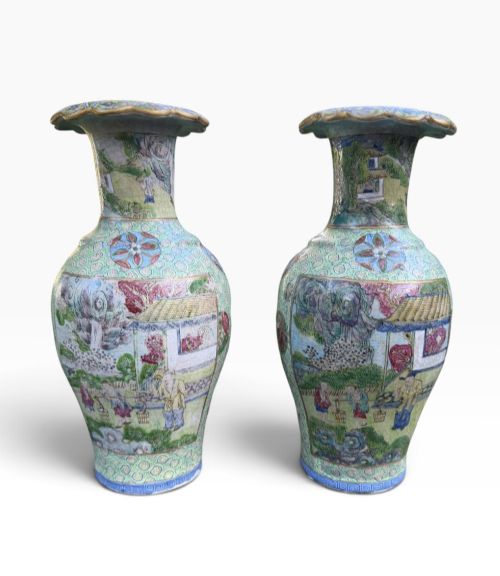
English factories such as Spode, Worcester and Derby sit alongside major continental makers including Meissen, Sèvres and Samson of Paris. Pieces also arrive from Asian traditions like Japanese Imari and Chinese export workshops.
Forms shift from Georgian neoclassical simplicity through exuberant Victorian rococo revival and Meiji period Japanese designs. Collectors select these matched items for interior decoration and historical ceramic study.
Assessing Craftsmanship
Execution separates standard decorative wares from exceptional items, particularly in the precision of hand-painted brushwork and the delicacy of modeled details like feathers, foliage and facial expressions. Superior pairs show careful alignment between the ceramic body and any gilt bronze or ormolu mounts.
The clarity of the glaze and the richness of the enamel colours indicate workshop standards. Earlier Georgian and early Victorian pieces often display finer potting proportions, whereas later productions rely on heavier moulded relief.
19th Century Porcelain Pair Retail Price Guide 2026
Typical asking prices for 19th century porcelain pair among the pieces listed under this phrase on Sellingantiques today, from the lower quarter to the upper quarter. They describe what is for sale here now, not the wider market.
Materials span hard-paste and soft-paste porcelain, earthenware, pearlware, gilt bronze, ormolu and gold leaf.
Spode·Meissen·Edmé Samson·Sitzendorf·Royal Worcester·Jacob Petit·Helena Wolfsohn·Barr Flight And Barr·Kpm Berlin
The 19th Century Porcelain Pair Glossary
- Ormolu
- Gilded bronze furniture and ceramic mounts popular in French decorative arts. This technique gilds a bronze base with a mercury-gold amalgam to achieve a bright golden finish.
- Imari
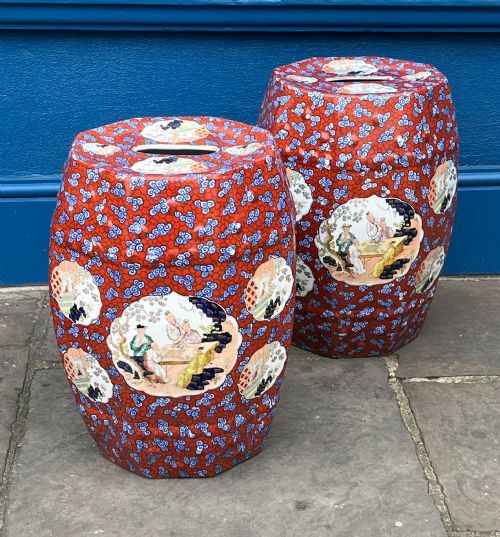
- Japanese export porcelain decorated in underglaze blue, iron-red and gold. This style originated in the Arita district and gained immense popularity across Europe during the nineteenth century.
- Bleu Céleste
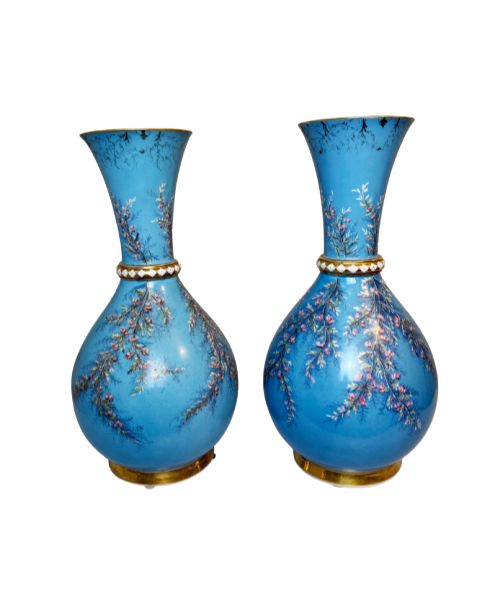
- A bright turquoise blue glaze colour developed at the Sèvres porcelain manufactory. This distinctive hue frequently appears on French revival vases and tablewares.
- Spill Vase
- A small cylindrical container designed to hold wooden spills for lighting candles or fires. These items often take figurative or botanical forms in porcelain and earthenware.
- Pate-sur-Pâte
- A ceramic decoration method where liquid white clay is painted in successive layers onto a dark coloured body. This builds a low relief cameo effect before glazing and firing.
19th Century Porcelain Pair: Frequently Asked Questions
How do I clean antique porcelain safely?
Dust surfaces gently with a soft dry brush to remove loose particles without scratching delicate enamel or gilding. Avoid submerging pieces with metal mounts or glued repairs in water.
For unmounted glazed surfaces, wash briefly in lukewarm water with mild soap before drying thoroughly with a lint-free cloth.
Were these pairs always sold together?
Most matching sets left the factory or workshop as unified pairs designed for symmetrical placement on furniture. Workshops formed, fired and painted twin objects simultaneously to maintain identical dimensions and colour tones.
Some examples represent matched groupings assembled later by collectors based on matching size, pattern and period.
How can I tell English porcelain from continental pieces?
Examine the paste composition, glaze texture and factory marks stamped or painted on the base. English bodies from this era often utilised bone ash for durability, whereas continental factories favoured hard-paste porcelain formulas.
Stylistic cues also help, as French and German workshops leaned towards elaborate gilding and sculptural figures while English makers focused on refined domestic wares.
Can antique lamps be rewired safely?
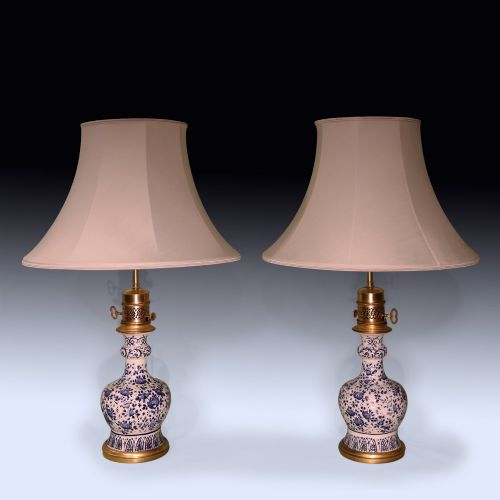
Vessels converted into lamps retain their ceramic bodies while housing modern electrical wiring inside brass or bronze fittings. Professional electricians can update old cords and lamp holders while preserving the original antique structure.
Ensure any modifications avoid drilling new holes through delicate porcelain where possible to protect the structural integrity.