




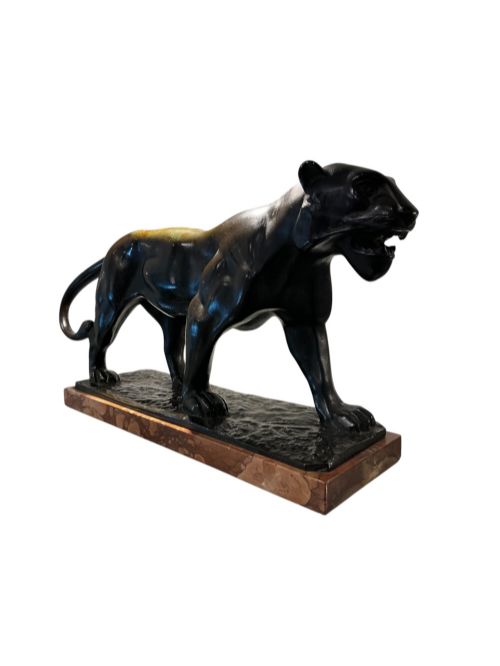
Antique Decorative Figurine
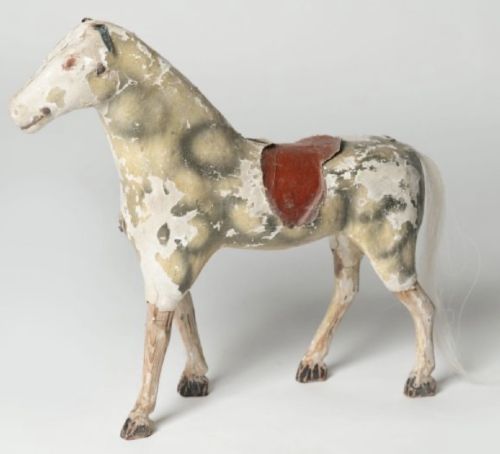
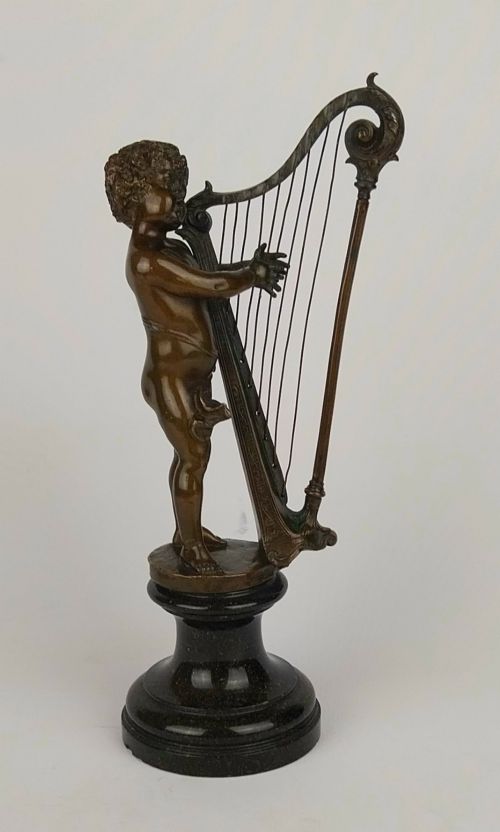
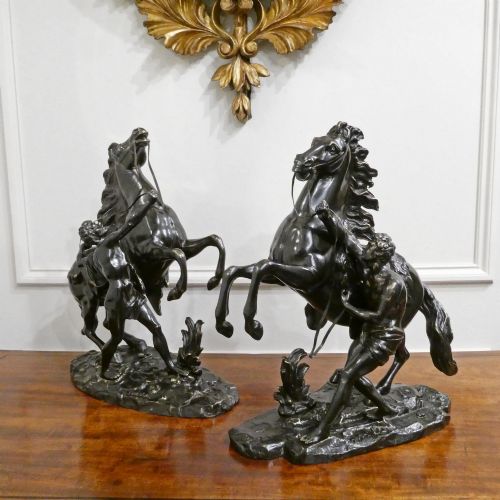
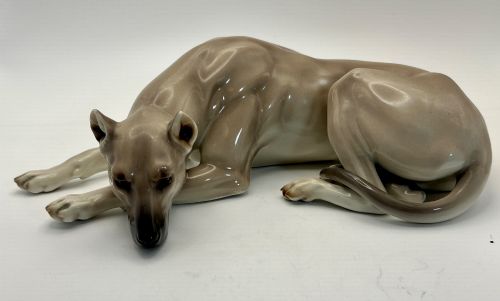
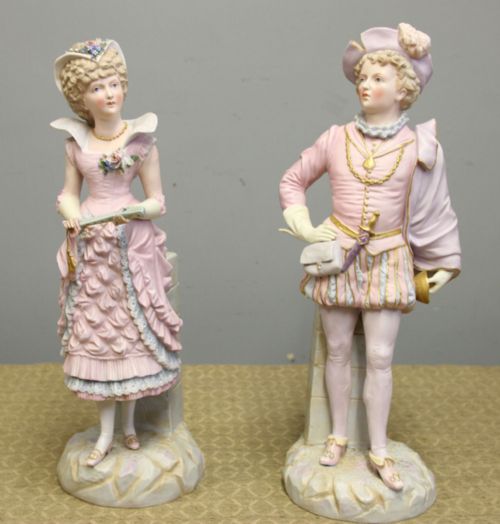
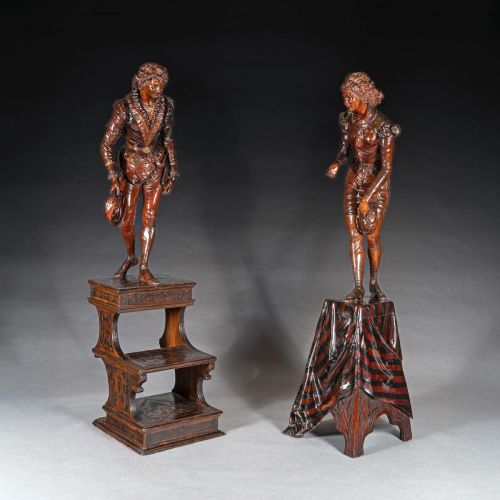
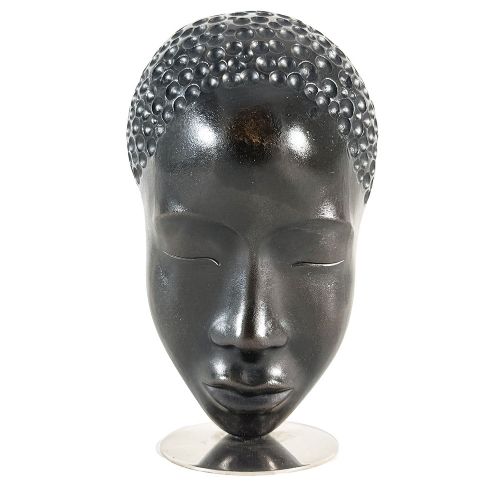
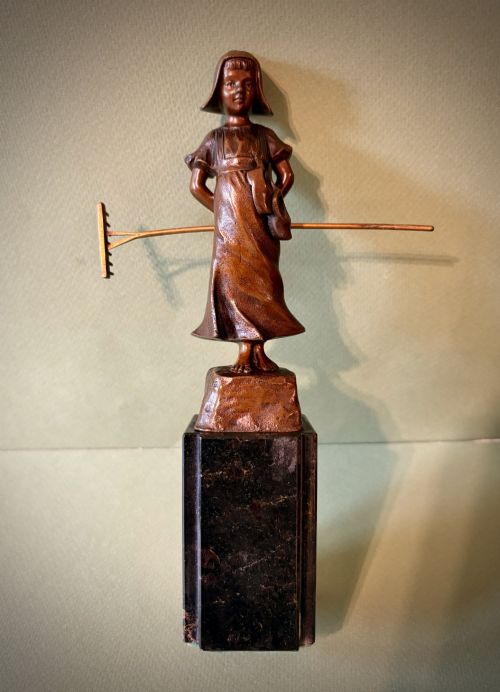
These antique decorative figurine selections span bronze, porcelain, and carved wood from the nineteenth century into the art deco era.
Antique Decorative Figurine
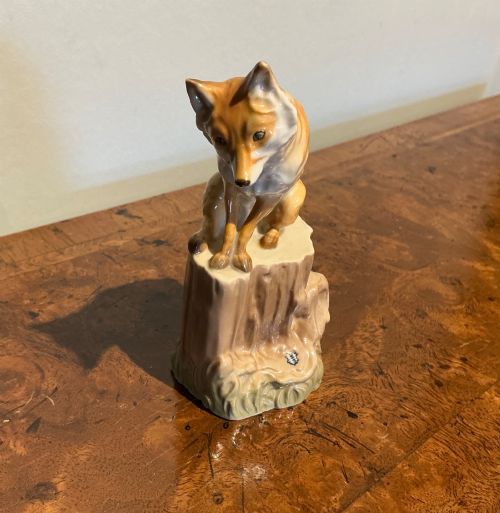
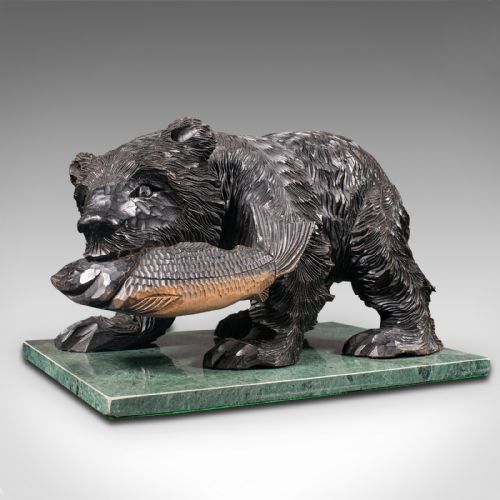
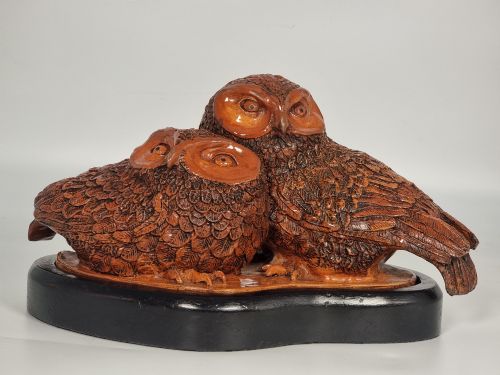
The objects take many forms, including cabinet bronzes, porcelain factory pieces, folk art carvings, and ceramic ornaments produced across Europe and Asia. Victorian porcelain works sit alongside Japanese carved wood items and Austrian bronze sculptures, reflecting the broad international scope of household ornamentation during these periods.
Figurines from this category served primarily as mantelpiece ornaments, cabinet displays, and occasionally functional items such as candlesticks or paperweights. Their survival offers a direct window into the prevailing aesthetic tastes of the Victorian, Edwardian, and Art Deco eras.
How They Were Made
Makers utilised traditional casting methods for metal pieces, employing the lost-wax technique for bronze figures which were then finished with cold-painting, gilding, or patination. Ceramic and porcelain examples underwent high-temperature firing, often decorated with hand-applied enamel glazes or delicate blush ivory finishes.
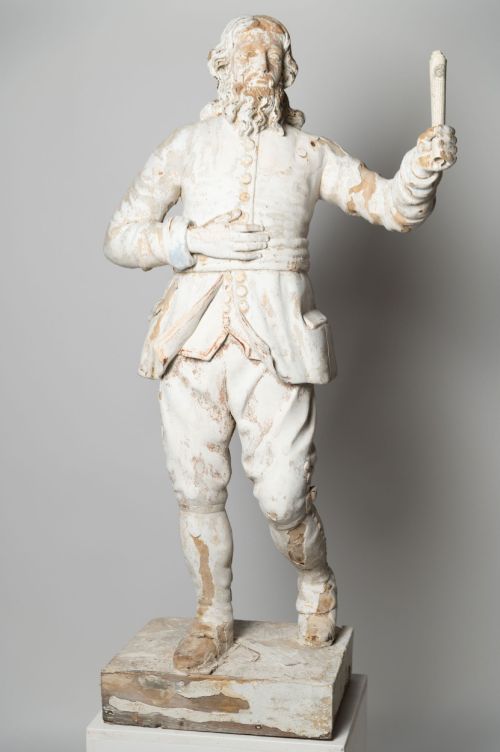
Carved wooden and ivory figures relied on skilled hand-tooling, utilising materials such as cedar, hardwood, and golden oak to achieve intricate surface detail. Metal fittings, marble bases, and ormolu mounts were frequently added to elevate the presentation of the primary sculptural element.
Antique Decorative Figurine Retail Price Guide 2026
Typical asking prices for decorative figurine among the pieces listed under this phrase on Sellingantiques today, from the lower quarter to the upper quarter. They describe what is for sale here now, not the wider market.
Listings feature items from the 19th century through the 1940s, encompassing bronze, porcelain, earthenware, and carved wood.
What Varies in Quality
The standard of modelling and surface finishing distinguishes standard commercial output from exceptional studio work. Crispness in the chisel work of a bronze or the delicate painting on a porcelain surface indicates the level of artisan skill involved in production.
The integrity of materials and the presence of original mounts, patination, or factory marks heavily influence the character of each piece. Maker attribution and the complexity of multi-part assemblies further divide mass-produced items from masterworks.
Hagenauer·Maurice Giraud-Rivière·Hans Müller·Rene Lalique·James Hadley·Antoine Louis Barye·Henri Godet·John Bevington·Fabergé
The Antique Decorative Figurine Glossary
- Patina
- The surface sheen or coloration developed on bronze, wood, or metal through age and handling. This natural ageing process adds depth to the material.
- Ormolu
- Gilded bronze used for decorative mounts and decorative stands. It provides a bright golden contrast to darker materials.
- Faïence
- Tin-glazed earthenware produced in France and other European regions. It offers a smooth white ground for colourful painted decoration.
- Okimono
- A Japanese term for a small decorative carving or ornament intended for display on a household shelf. These pieces demonstrate high levels of traditional craftsmanship.
- Bisque
- Unglazed fired porcelain that possesses a matte, stone-like texture. It allows sculptural details to remain crisp and unhindered by glossy glazes.
Antique Decorative Figurine: Frequently Asked Questions
How do I identify the period?
Stylistic markers offer the clearest indication of date, aligning with movements like Art Deco, Victorian design, or Art Nouveau.
Material composition and factory stamps also help anchor an item to a specific decade or manufacturing era.
Where were these figures displayed?
Households placed these decorative objects on mantelpieces, side tables, and within glass-fronted cabinets.
They served as conversation pieces and reflections of the owner's cultural interests.
Are bronze figures solid metal?
Many bronze sculptures are cast using a hollow core method to conserve material while maintaining structural integrity.
Heavier examples often incorporate slate or marble bases for stability.
What maintenance do they require?
Dusting with a soft brush helps preserve delicate surfaces on carved wood and painted porcelain.
Metal items benefit from minimal intervention to maintain their natural patination over time.