


A 2026 Guide by Sellingantiques
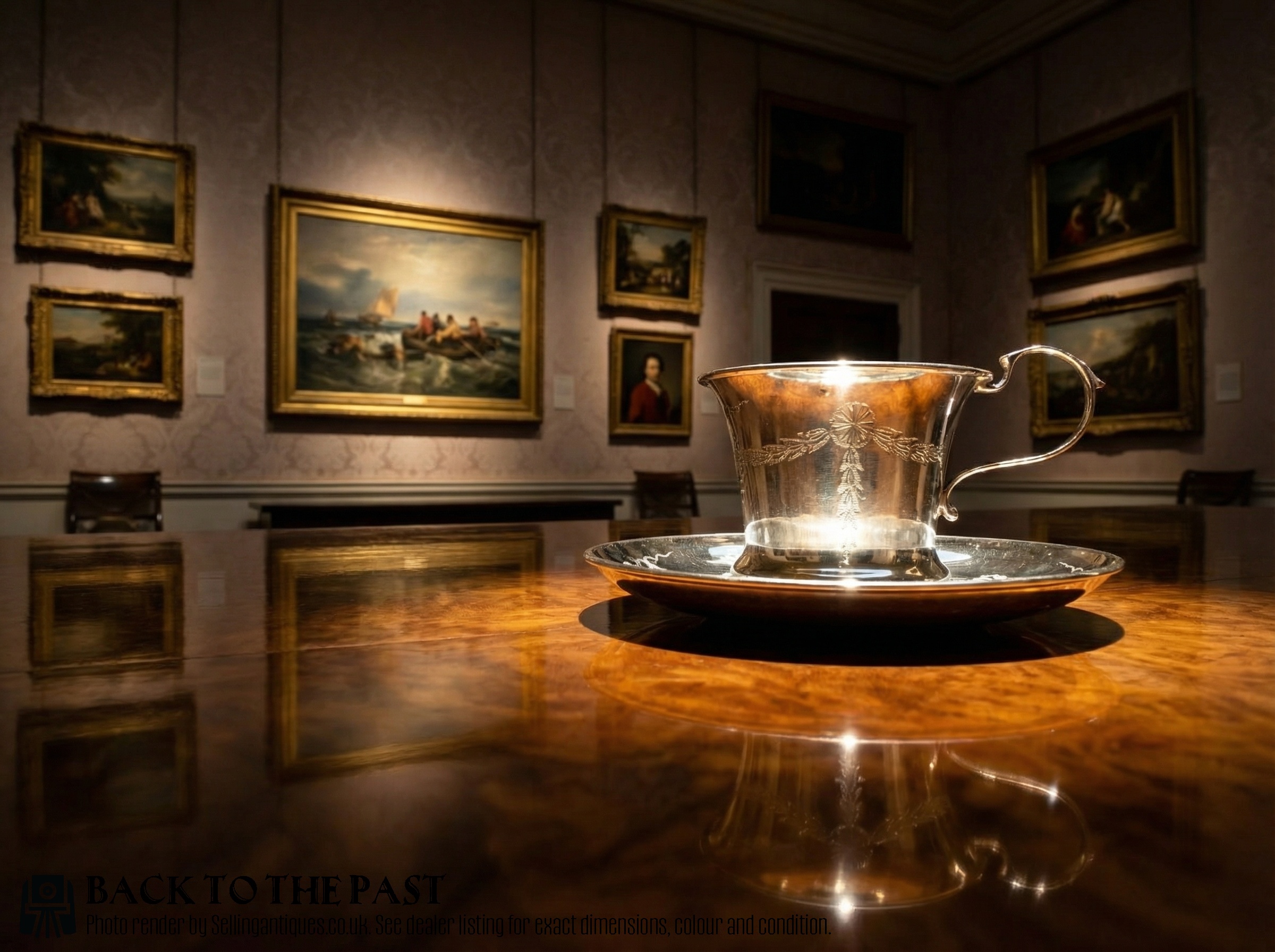
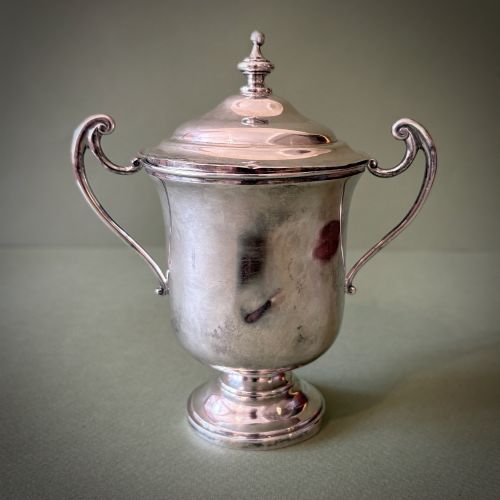
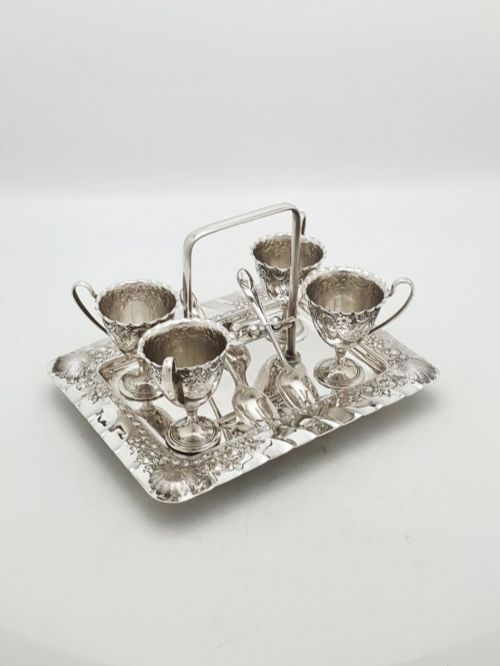
Antique Sterling Silver Cup and Saucer, Swags and Bows, Chester, 1910, 1910
Priced at £395 from Touch of Time Antiques
Look for heavy two-handled examples from the late seventeenth century.
Early silver cups often doubled as presentation pieces for guilds or civic bodies.
Drinking habits dictated the shape, with narrower rims designed to retain the heat of warm spiced beverages.
A gradual shift from communal loving cups to individual drinking vessels occurred during the Georgian period.
Hester Bateman ran a prolific eighteenth-century workshop producing domestic silver cups with crisp bright-cut engraving.
Paul de Lamerie is known for heavy Rococo examples loaded with cast ornament.
Find earlier plain forms stamped with Anthony Nelme's maker's mark.
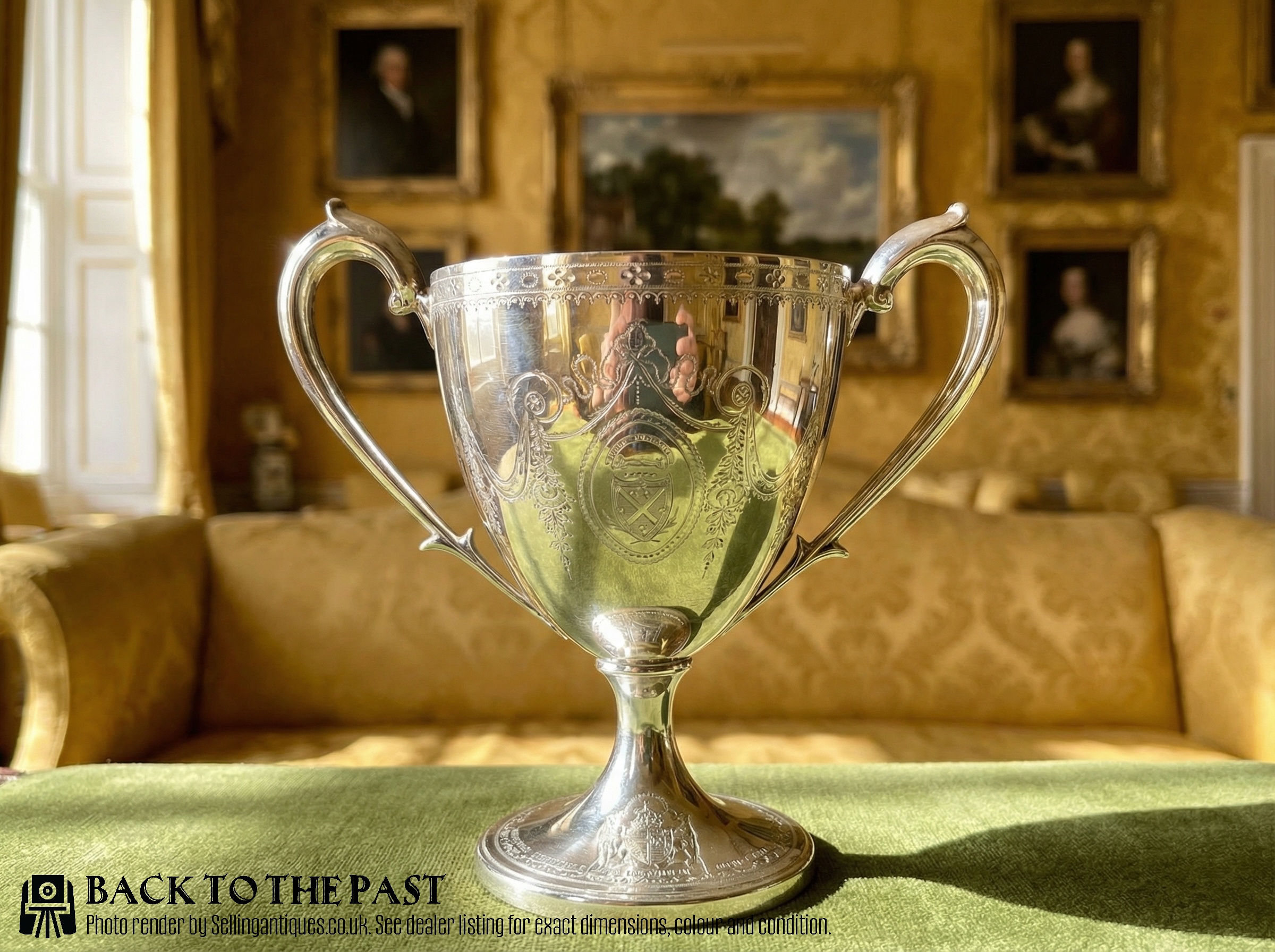
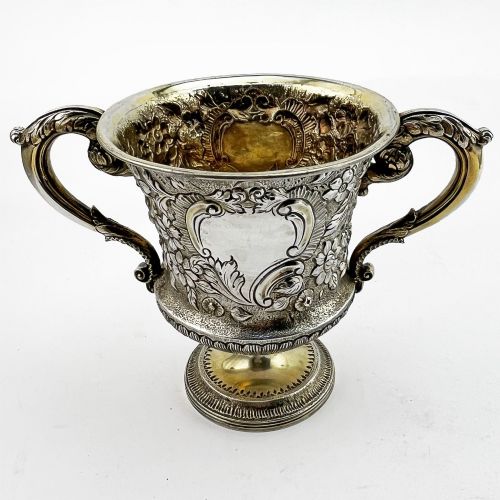
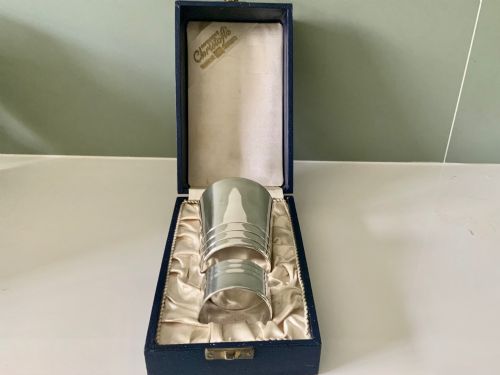
George III Scottish Antique Silver Cup, Patrick Robertson, Edinburgh 1789, Georgian
Priced at £1,495 from Highland Antiques Ltd
The 2026 retail price guide for Antique Silver Cups is drawn from a proprietary archive of over 1.1 million retail prices indexed by Sellingantiques since 2003. This guide relies exclusively on their own internal data; no external sources or auction records are used.
Analysing nearly 25 years of UK antique market history alongside current retail values, the data indicates that typical UK retail prices for Antique Silver Cups range between £200 and £1,900. Entry-level prices generally fall under £200 and premium examples upwards of £1,900.
The hallmark placement shifts depending on the era, migrating from near the upper rim down to the underside.
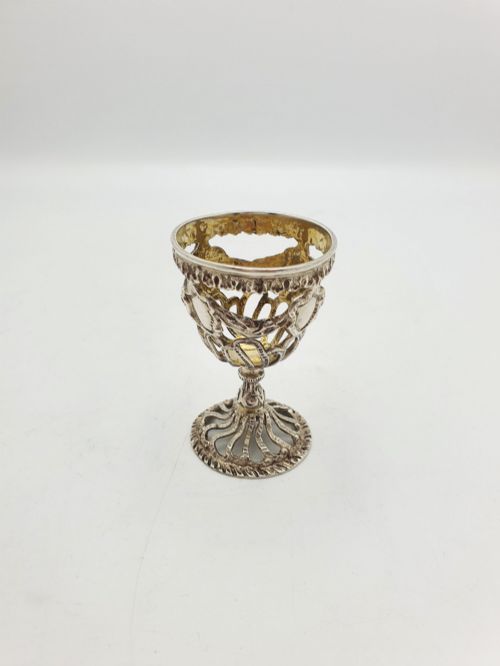
Applied wirework around the middle section provides structural strength and a visual break.
Notice the stepped foot on a classic goblet. It was designed to prevent tipping on uneven tavern tables.
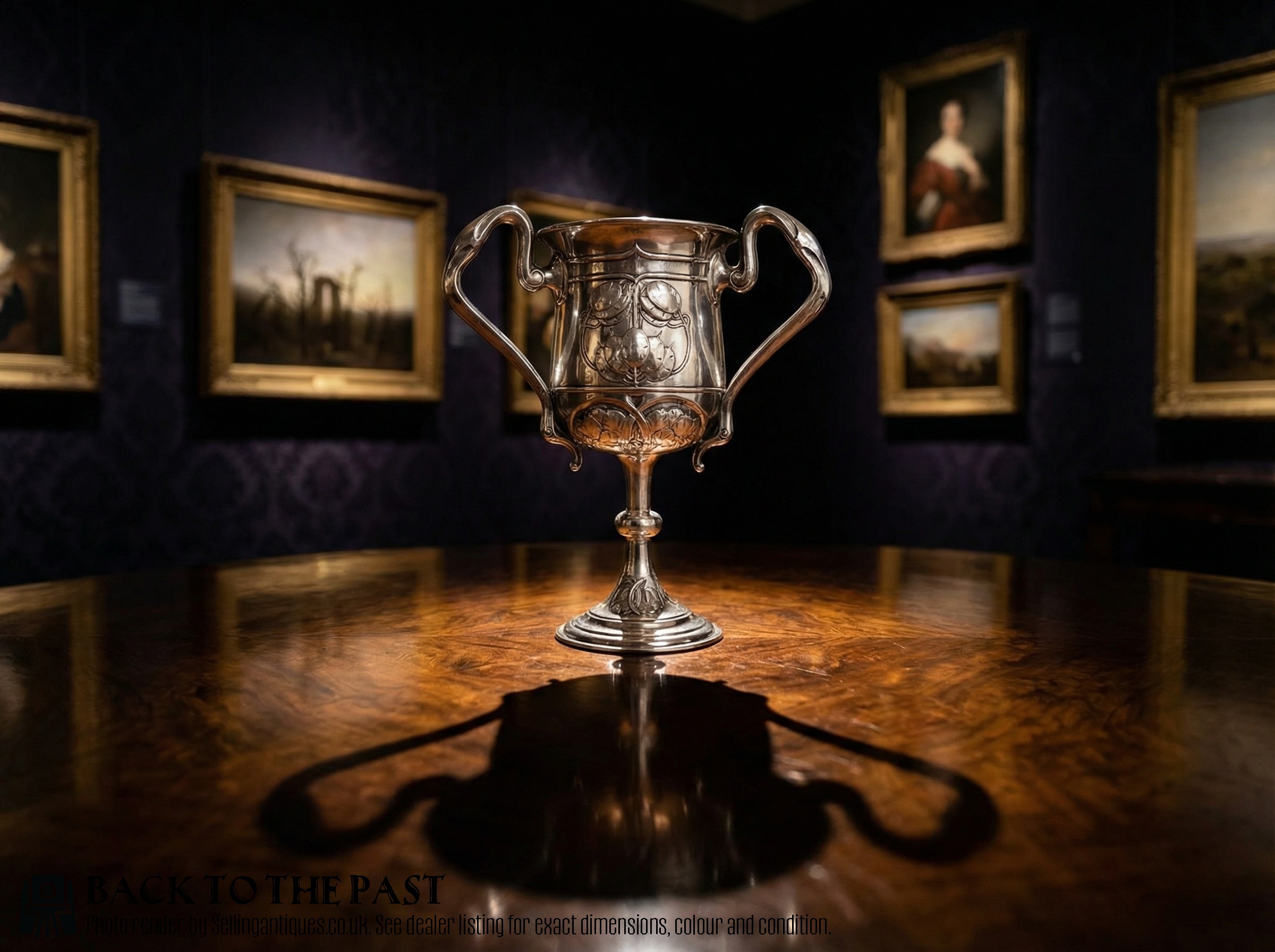
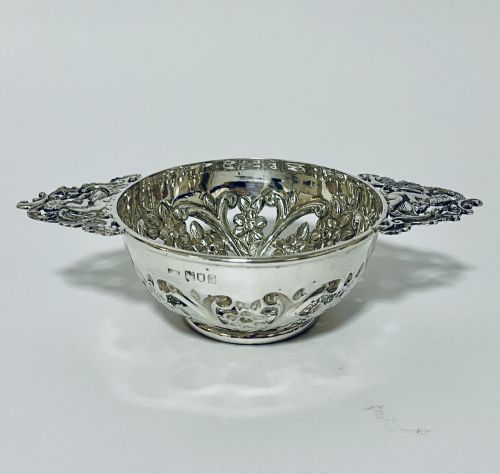
Impressive Art Nouveau Silver Loving Cup by Joseph Rodgers & Sons, 1900
Priced at £1,800 from Morgan Strickland Decorative Arts
Raising from a single flat sheet of metal requires repeated heating and hammering over an anvil.
Planishing marks left visible on the surface of hand-raised vessels.
Examine the joins where handles attach for tiny solder seams.
"Many Georgian examples hold exactly a standard pint or half-pint measure for tavern use."
"Family crests were often added decades after the cup was originally made to celebrate a marriage."
"Tap the side lightly to hear the clear ring of solid raised silver."
Based on almost 25 years of Sellingantiques UK antique market data, Antique Silver Cups appeared 2329 times (out of 1,100,000 antiques) which gives it a rarity score of 63/100.
This score measures scarcity within the Sellingantiques archive only and is not a survey of the entire antiques market, so these statistics may not be indicative of the general availability of Antique Silver Cups elsewhere.
Wash them in warm soapy water with a soft cloth. Dry the metal immediately to prevent water spots.
Use a specialist polish sparingly. Heavy rubbing removes the patina and gradually wears away the hallmark.
Dark stains inside a bowl usually come from old wine or acidic liquids sitting in the vessel. It is a surface reaction.
Gentle polishing will lift most of it. If the metal is pitted underneath, leave it alone.
Yes, provided the interior is clean.
Many buyers use them daily for water or wine.
Removing an engraving requires filing down the surface of the silver. This thins the wall of the cup and weakens the metal.
Most dealers advise against it. An erased crest often leaves a visible shadow or a flat spot that ruins the profile.
Please note: This Antique Silver Cups guide and its associated pricing data are provided for general informational purposes only. It does not constitute formal financial, investment, or appraisal advice and should not be relied upon as the sole basis for any commercial activity, purchasing, or sales decisions. Sellingantiques.co.uk accepts no liability for any actions taken in reliance on this information. Always consult with a qualified professional or independent appraiser.
