

A 2026 Guide by Sellingantiques
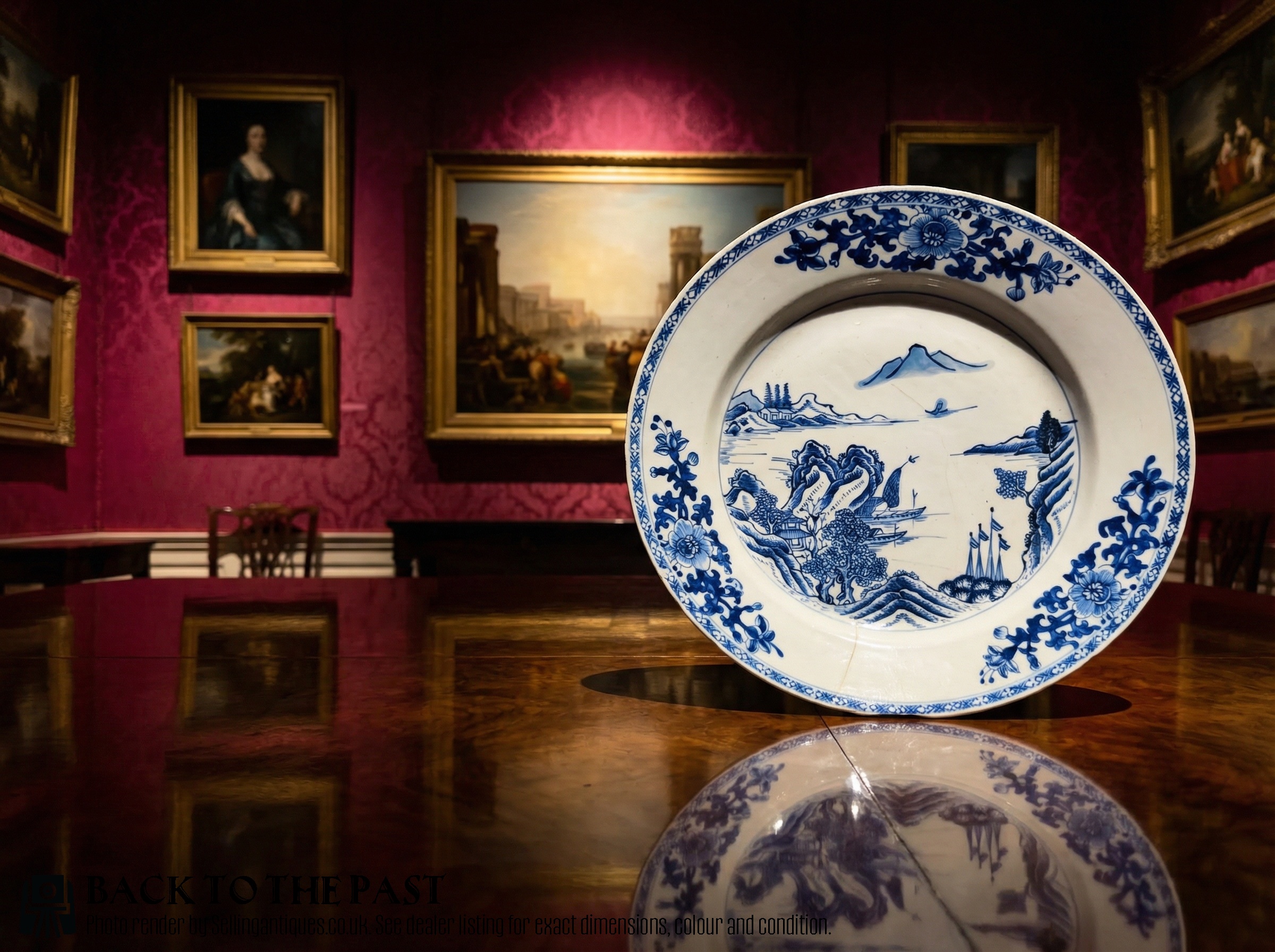
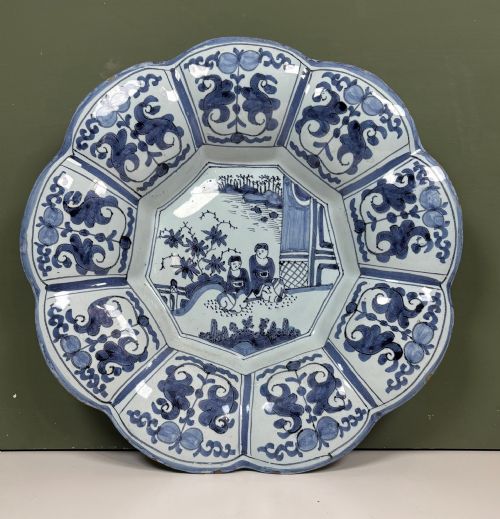
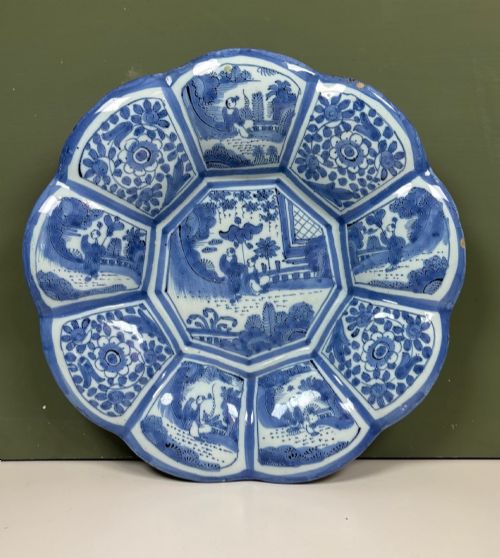
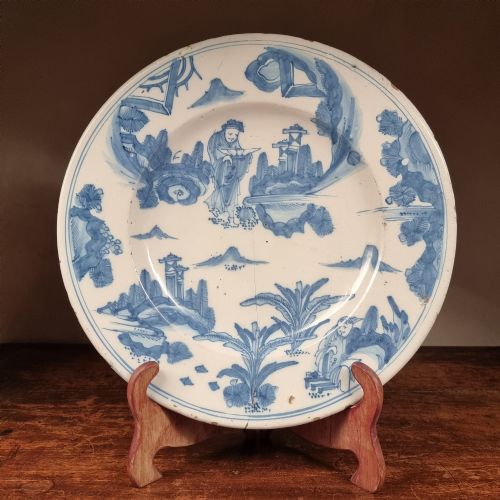
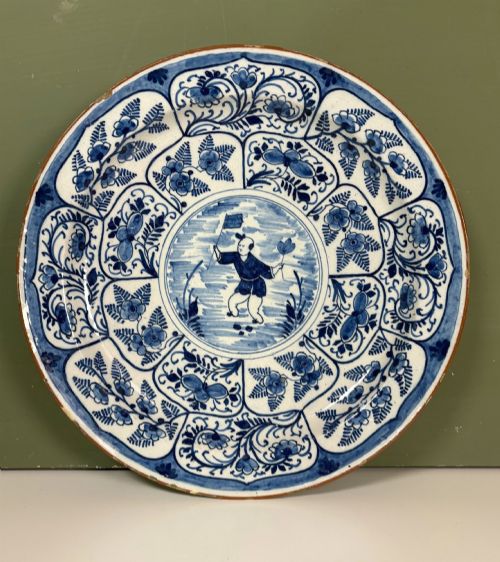
18th Century Chinese Plate Blue and White Porcelain. Diameter: 12.6" / 32 Cm
, 18th Century
Priced at £180 from Peter Harris Clocks & Militaria
Chinese kilns developed underglaze cobalt on porcelain during the Ming dynasty.
Large quantities arrived in Europe via maritime trade routes, sparking demand for these decorated plates.
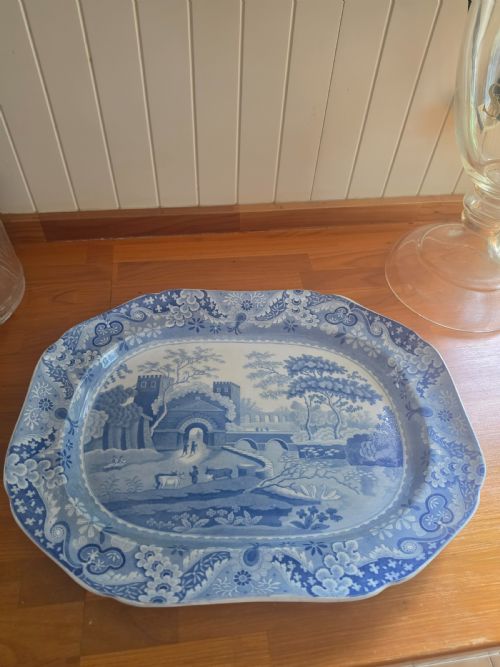
Staffordshire potteries soon worked out how to mass-produce designs using tissue paper transfers.
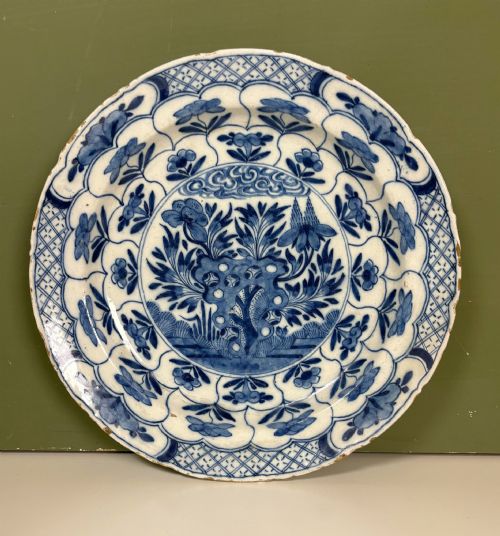
Dutch makers created their own versions using tin-glazed earthenware, known as Delft, imitating the expensive Asian imports with local clay.
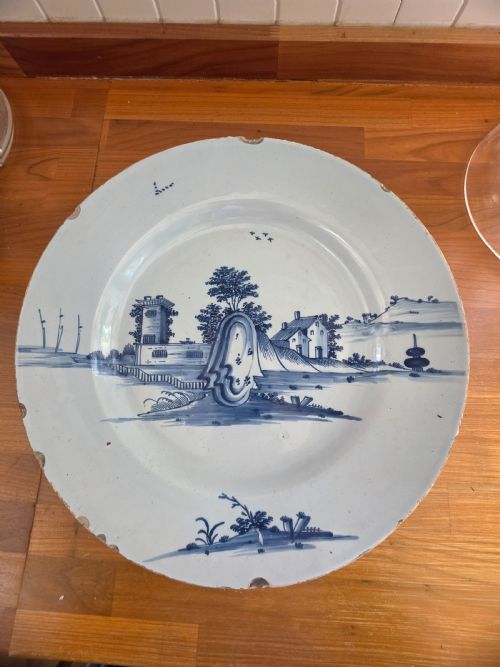
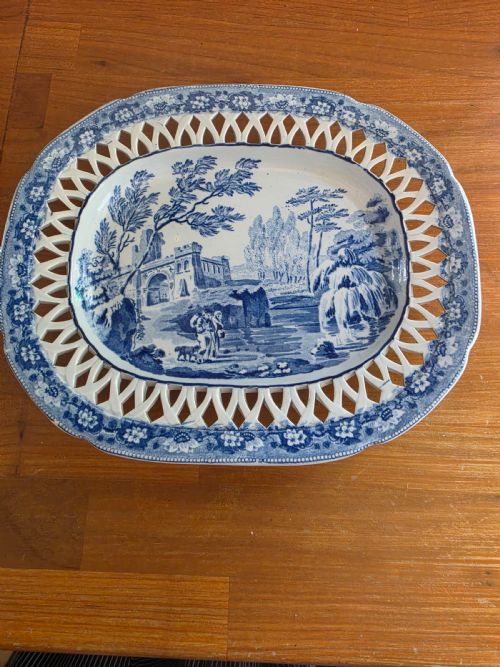
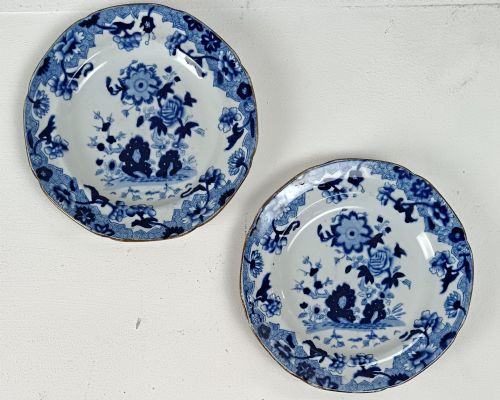
Notice the shift from hand-painted oriental scenes to printed romantic landscapes as domestic factories expanded.
Spode pioneered underglaze blue transfer printing on earthenware during the late eighteenth century.
Minton produced vast quantities of printed patterns and hand-painted wares throughout the nineteenth century.
Factories like Wedgwood adapted earlier designs to suit changing tastes, putting their stamp on the reverse of domestic dinner services.

Japanese Blue & White Plate, 19th Century
Priced at £195 from Sinclairs Antiques and Interiors
The 2026 retail price guide for Antique Blue And White Plates is drawn from a proprietary archive of over 1.1 million retail prices indexed by Sellingantiques since 2003. This guide relies exclusively on their own internal data; no external sources or auction records are used.
Analysing nearly 25 years of UK antique market history alongside current retail values, the data indicates that typical UK retail prices for Antique Blue And White Plates range between £200 and £600. Entry-level prices generally fall under £200 and premium examples upwards of £600.
Transfer-printed plates frequently show visible join lines where the decorated tissue paper overlapped near the rim.
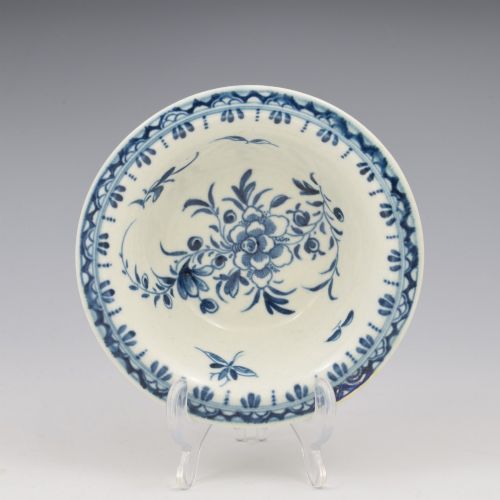
Hand-painted borders often feature geometric designs, floral sprays or lattice patterns framing the central scene.
Look for stilt marks on the reverse. Three small rough patches where the dish rested on tripods during firing.
Early Chinese examples were painted by hand using fluid brushstrokes.
Engravers later carved detailed patterns into copper plates, transferring ink to tissue paper before rubbing it onto the porous clay.
Mechanised printing allowed factories to produce matching sets of antique blue and white plates with identical designs quickly.
"Cobalt was prized and sometimes cost more than gold during certain periods of history."
"The famous Willow pattern is an English invention designed to look Chinese."
"Many early designs incorporate hidden political or social symbols within the floral borders and landscape scenes."
Based on almost 25 years of Sellingantiques UK antique market data, Antique Blue And White Plates appeared 870 times (out of 1,100,000 antiques) which gives it a rarity score of 84/100.
This score measures scarcity within the Sellingantiques archive only and is not a survey of the entire antiques market, so these statistics may not be indicative of the general availability of Antique Blue And White Plates elsewhere.
Many people do use them for dining, provided the glaze remains intact and free from deep crazing. Acidic foods can sometimes react with damaged areas.
Wash them by hand in warm soapy water rather than using a modern dishwasher. The harsh chemicals and heat changes will dull the surface.
Those brown spots are known as foxing or rust. They appear when moisture penetrates through tiny cracks in the glaze, causing iron particles within the earthenware body to oxidise over time.
It is a normal sign of age on porous nineteenth-century pottery. The clay hasn't failed, but you should keep the piece dry to prevent the staining from spreading further across the well.
Most factory marks tell you who potted the dish and sometimes when. Impressed stamps into the wet clay often indicate earlier production, while printed marks became standard later on.
English makers frequently included the pattern name alongside their initials. You often see a diamond registration mark which dates the specific design patent.
Wire hangers can chip the edges if they don't have protective sleeves or fit too tightly.
The constant tension stresses older earthenware bodies over time.
Please note: This Antique Blue And White Plates guide and its associated pricing data are provided for general informational purposes only. It does not constitute formal financial, investment, or appraisal advice and should not be relied upon as the sole basis for any commercial activity, purchasing, or sales decisions. Sellingantiques.co.uk accepts no liability for any actions taken in reliance on this information. Always consult with a qualified professional or independent appraiser.
