
A 2026 Guide by Sellingantiques
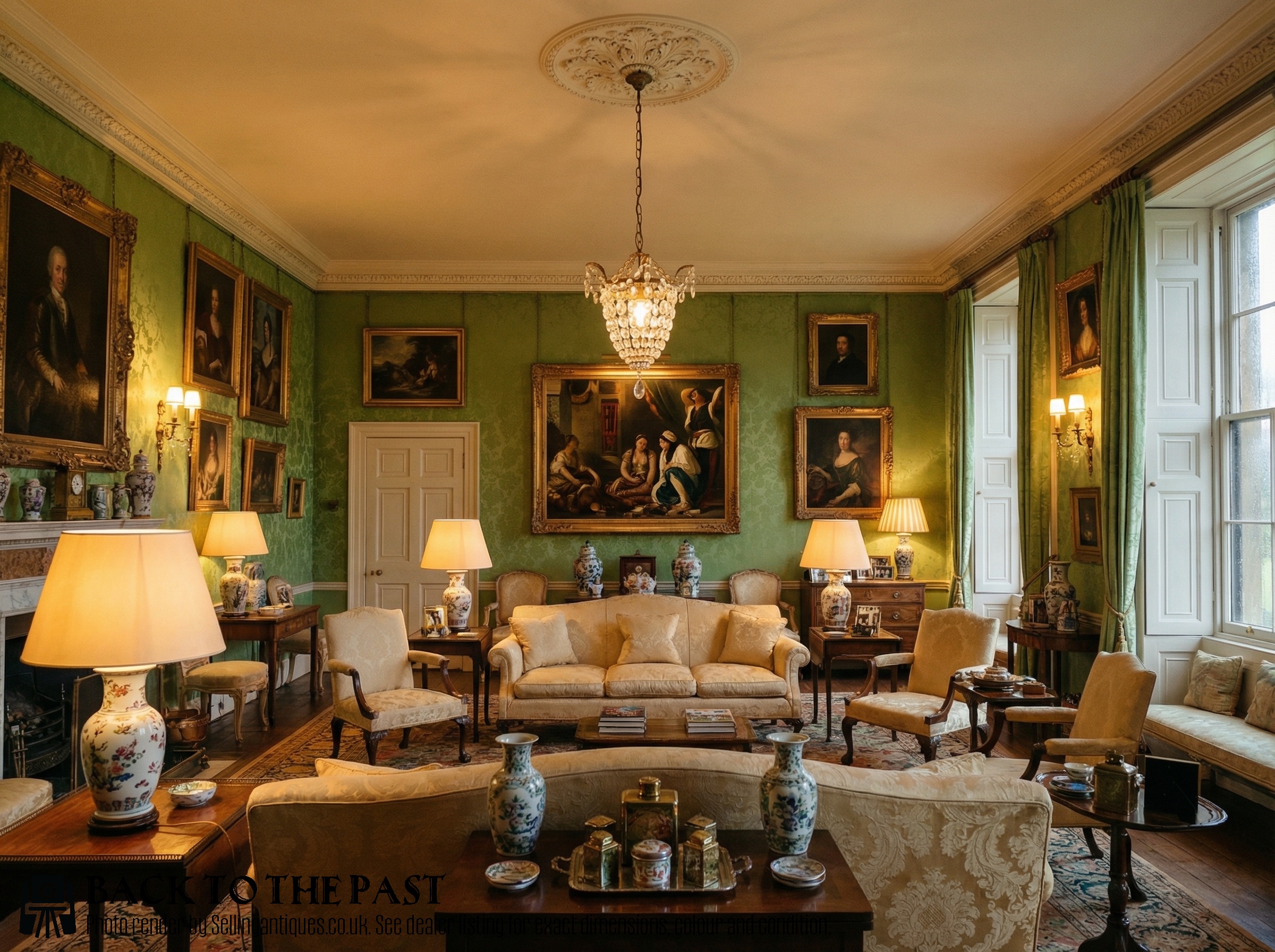
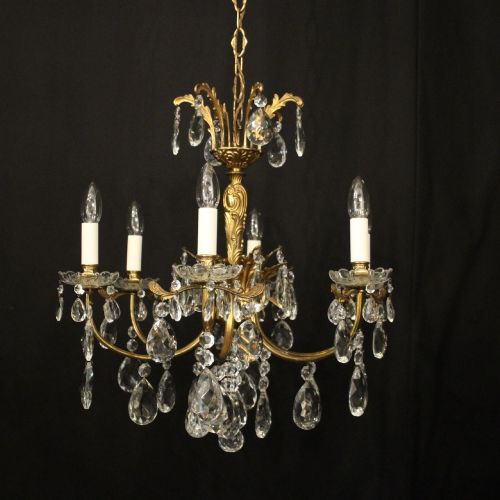
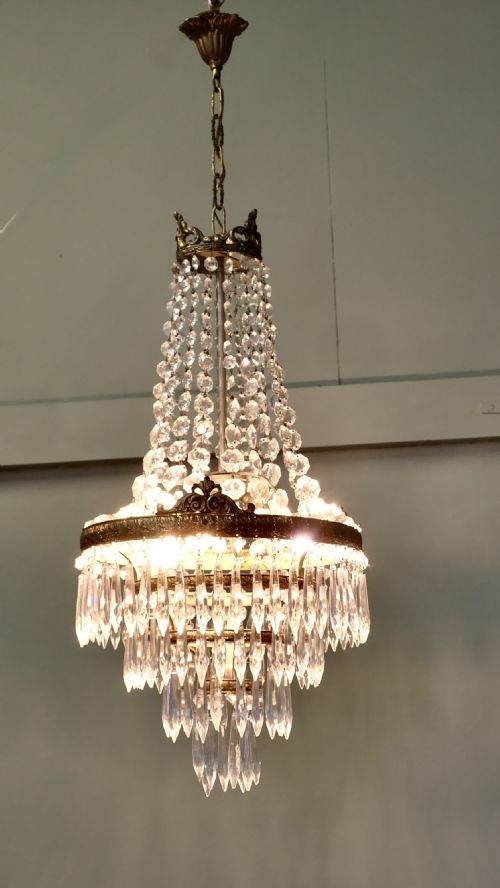
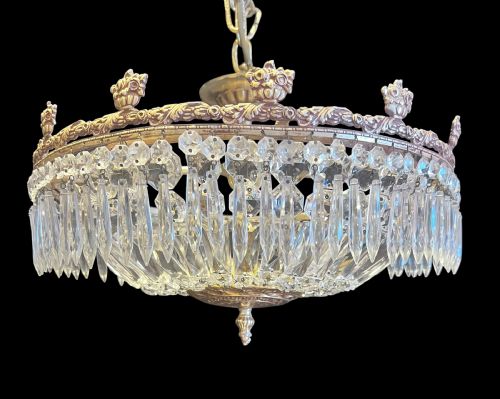
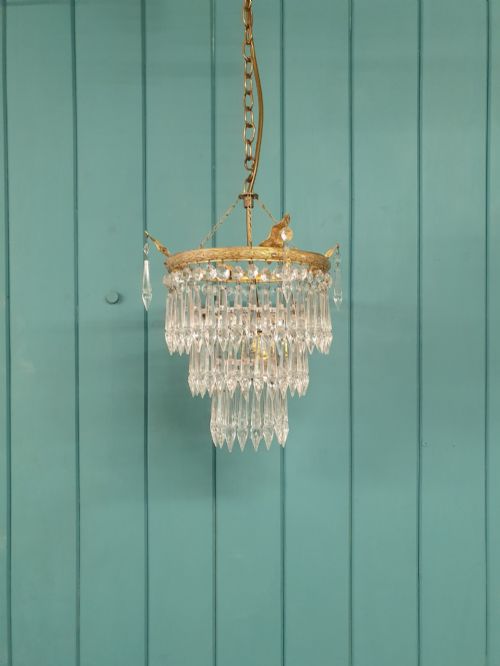
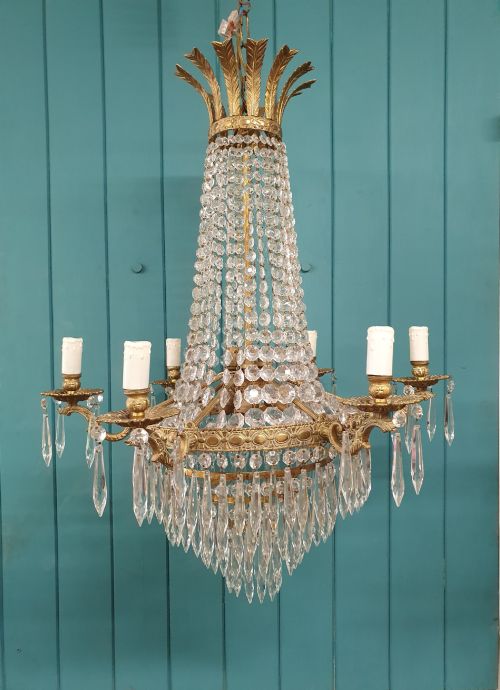
Early 20th Century Bag/basket Chandelier 9", 1930
Priced at £245 from Rupert Landen Antiques
Early examples relied on rock crystal pendants wired to metal frames. Cutting glass became standard later in the eighteenth century.
Look at the evolution of lighting fuel. Candles dictated widespread arms, while later gas fixtures required internal piping.
English makers developed lead glass. This heavy material replaced lighter Venetian glass and changed how these fixtures dispersed light.
Antique crystal chandeliers hung in public assembly rooms long before they entered domestic dining rooms.
Shorter, wider cascades of glass drops prompted by shifts in room height during the Regency period.
William Parker worked in London during the late eighteenth century. His firm supplied neo-classical fixtures for the Bath Assembly Rooms.
Huge glass fixtures for the domestic and export markets came from F. & C. Osler. They dominated the nineteenth-century Birmingham trade.
John Blades operated from Ludgate Hill in the early 1800s. He supplied heavy cut-glass lighting to the Prince Regent.
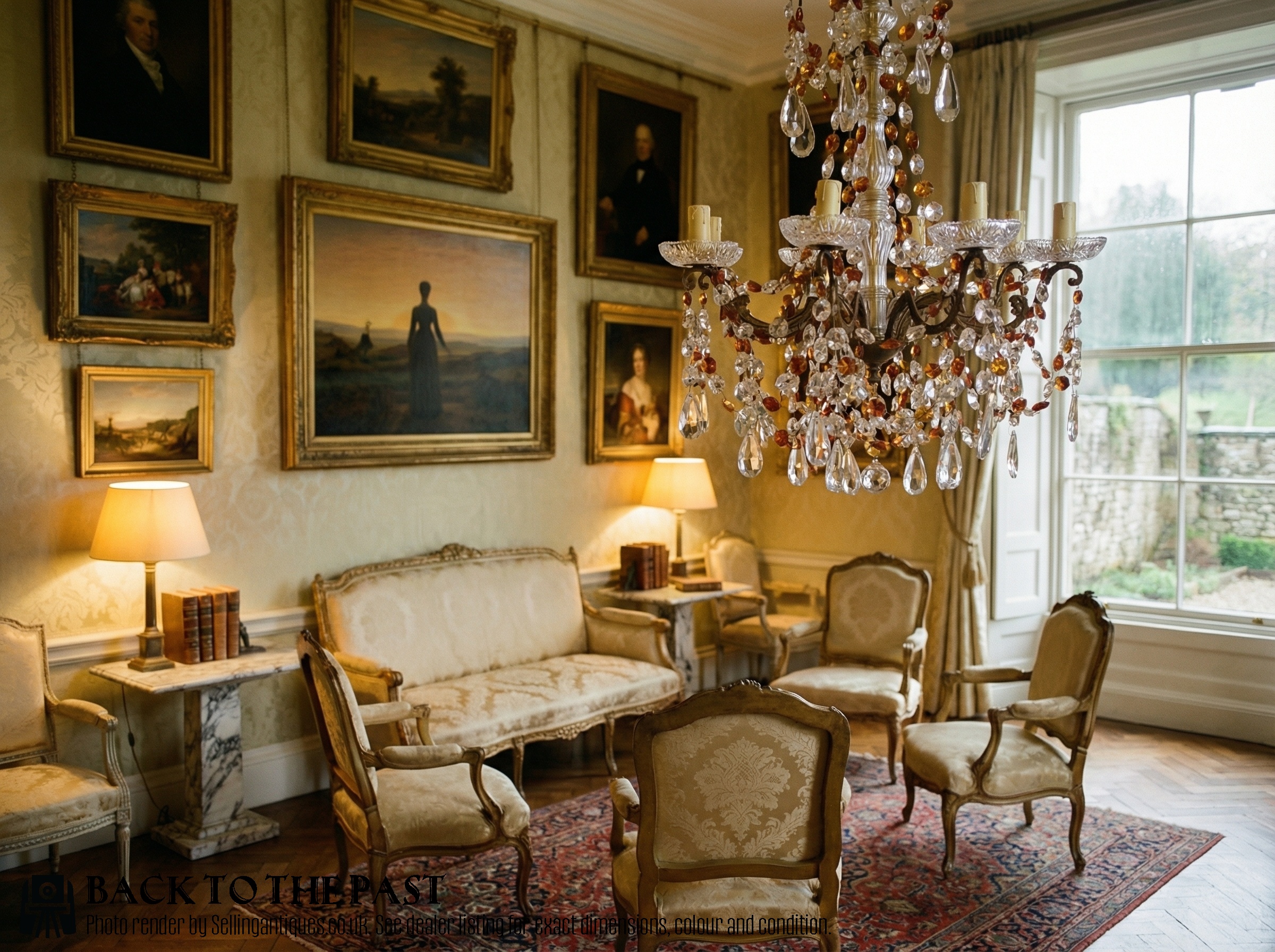
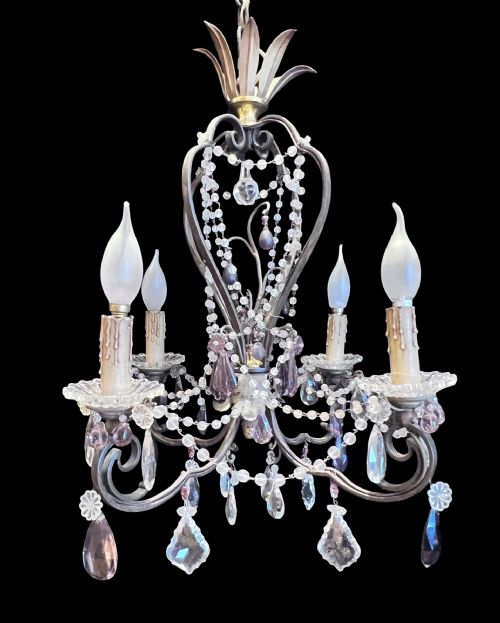
Early 20th Century French Chandelier with Orange Drips, 1920
Priced at £595 from Rupert Landen Antiques
The 2026 retail price guide for Antique Crystal Chandeliers is drawn from a proprietary archive of over 1.1 million retail prices indexed by Sellingantiques since 2003. This guide relies exclusively on their own internal data; no external sources or auction records are used.
Analysing nearly 25 years of UK antique market history alongside current retail values, the data indicates that typical UK retail prices for Antique Crystal Chandeliers range between £600 and £5,800. Entry-level prices generally fall under £600 and premium examples upwards of £5,800.
Central stems usually consist of hollow glass sections stacked on an internal metal rod.
Drip pans sit just below the candle nozzles. They catch wax before it reaches the carpet below.
Examine the receiver bowl at the base. This thick glass component supports the lower arms and acts as a visual anchor.
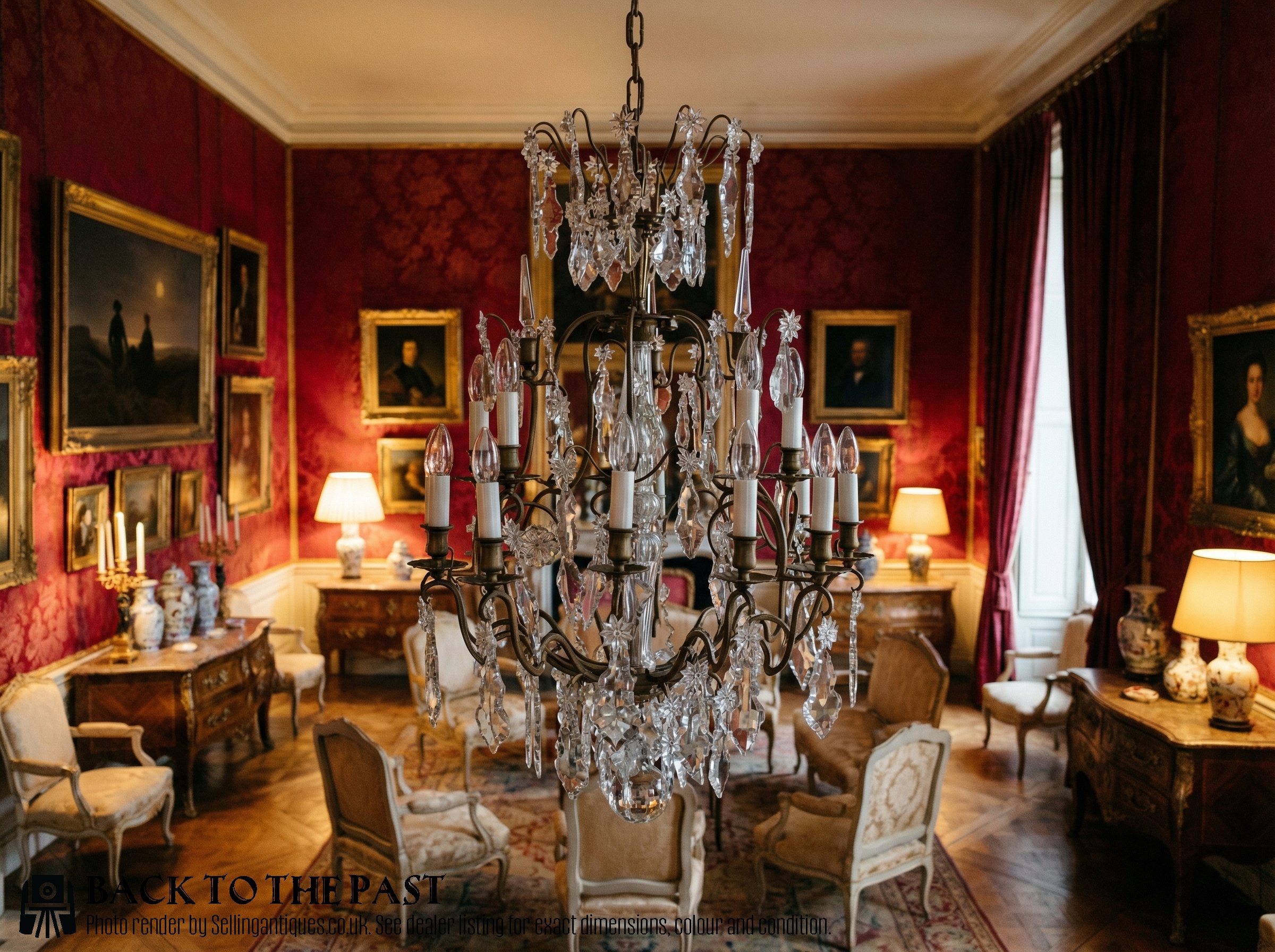
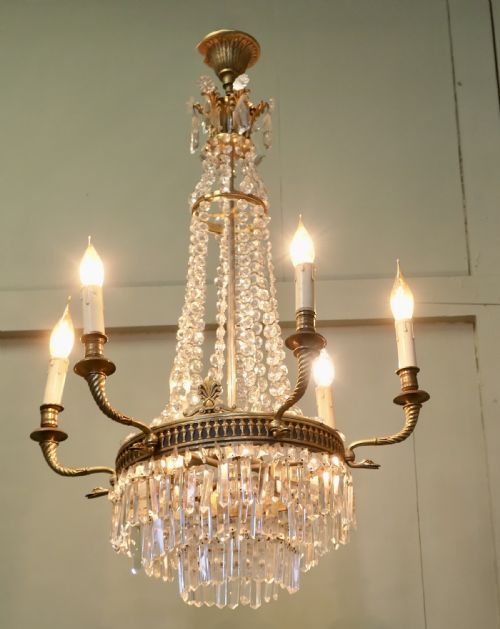
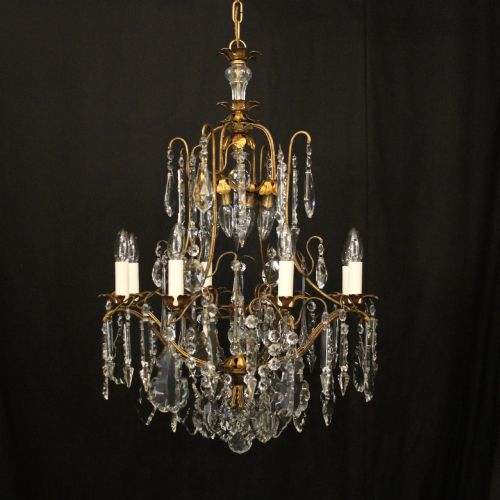
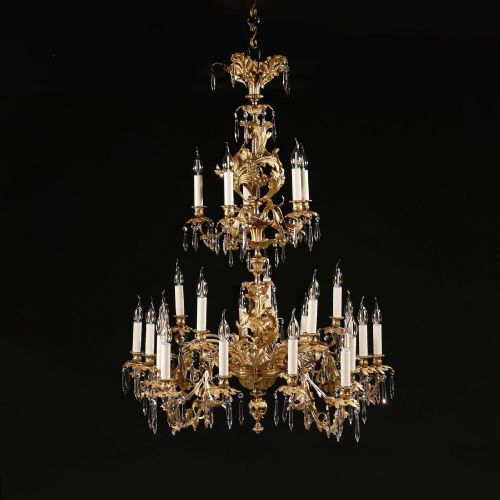
French Bronze 18 Light Double Tiered Antique Chandelier, 19th Century
Priced at £3,750 from O'Keeffe Antiques
Wheel cutting required immense skill. Artisans ground patterns into the glass surface using rotating stone or copper wheels and abrasive sand.
Early arm joints slide into silvered metal sockets. Later nineteenth-century designs sometimes thread directly into the central receiver bowl.
Smoothing the rough cuts to achieve that final clarity took longer than the initial cutting, using wooden wheels fed with pumice.
"They look bright even when unlit. The facets catch daylight from tall sash windows and bounce it into dark corners."
"Servants unhooked the drop chains section by section to wash them in wooden tubs. Cleaning them meant taking them apart."
"Adding a coloured glass drop among the clear ones was a frequent regional practice in some provincial glasshouses."
Based on almost 25 years of Sellingantiques UK antique market data, Antique Crystal Chandeliers appeared 2036 times (out of 1,100,000 antiques) which gives it a rarity score of 67/100.
This score measures scarcity within the Sellingantiques archive only and is not a survey of the entire antiques market, so these statistics may not be indicative of the general availability of Antique Crystal Chandeliers elsewhere.
Most dealers have their stock professionally wired before sale. Specialist restorers run thin electrical cable down the outside of the glass arms to avoid drilling. Small copper clips hold the wire tight against the glass.
Candle nozzles usually receive a discreet card tube to hold the bulb. You keep the original profile of the piece while bringing it into line with modern safety standards. The metal carcase itself often serves as the earth.
You need to clear the tallest person in the room with some space to spare. Most fitters recommend leaving at least seven feet of clearance from the floor to the lowest finial. Hanging them directly over a solid dining table changes the math.
Over a table, you can drop the fixture lower because nobody walks there. The light sits closer to the surface and casts fewer shadows. Always measure the full drop length of the chandelier including its ceiling rose and hanging chain.
Taking the drops off is the safest method. Wash them in a plastic bowl lined with a towel to prevent chipping. Warm water with a mild detergent cuts through old dust and grease.
Rinse them in clean water and dry immediately with a lint-free cloth. Leaving them to air dry causes water spots on the facets.
Glass recipes varied widely between different historic glasshouses. The raw materials dug from the ground contained natural impurities like iron which caused a green tint. Makers added manganese to counteract this, but too much left a faint grey cast in the finished piece.
Different manufacturing periods also show shifting standards in glass clarity. Early lead glass often carries a darker tone than late nineteenth-century production. The thickness of the central baluster sections makes these subtle colour shifts more obvious.
Please note: This Antique Crystal Chandeliers guide and its associated pricing data are provided for general informational purposes only. It does not constitute formal financial, investment, or appraisal advice and should not be relied upon as the sole basis for any commercial activity, purchasing, or sales decisions. Sellingantiques.co.uk accepts no liability for any actions taken in reliance on this information. Always consult with a qualified professional or independent appraiser.
