

A 2026 Guide by Sellingantiques
Essential household gear for centuries.
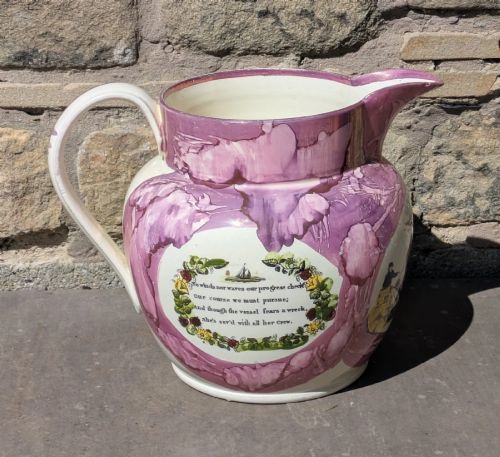
Look at the shape to guess the liquid. Broad bellies often meant ale, while tall slender forms served wine.
Early antique pitchers were strictly functional and usually kept out of sight in the kitchen or cellar.
By the nineteenth century, middle-class dining tables demanded matching sets for water and beer.
Josiah Wedgwood produced Jasperware antique pitchers during the late eighteenth century. These featured classical relief decorations applied to a matte background.
Paul Storr made heavy silver water jugs in the Regency period. His workshops applied cast classical borders to the rims.
Regional potteries often leave no mark. Unmarked slipware jugs from Staffordshire or Devon form a large part of the trade.
The 2026 retail price guide for Antique Pitchers is drawn from a proprietary archive of over 1.1 million retail prices indexed by Sellingantiques since 2003. This guide relies exclusively on their own internal data; no external sources or auction records are used.
Analysing nearly 25 years of UK antique market history alongside current retail values, the data indicates that typical UK retail prices for Antique Pitchers range between £200 and £1,200. Entry-level prices generally fall under £200 and premium examples upwards of £1,200.
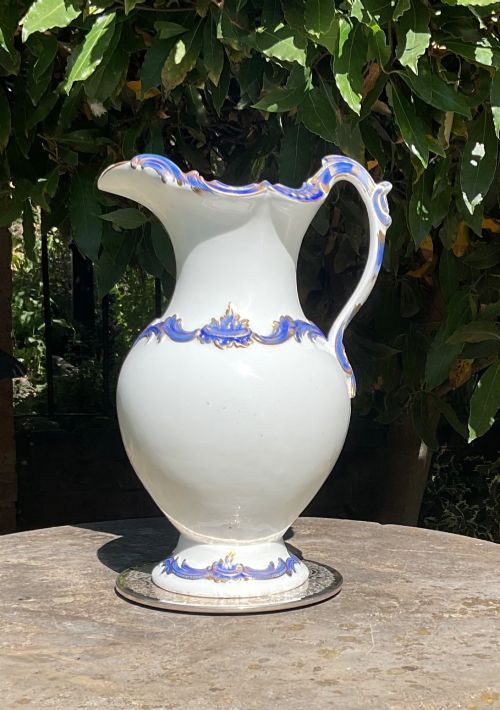
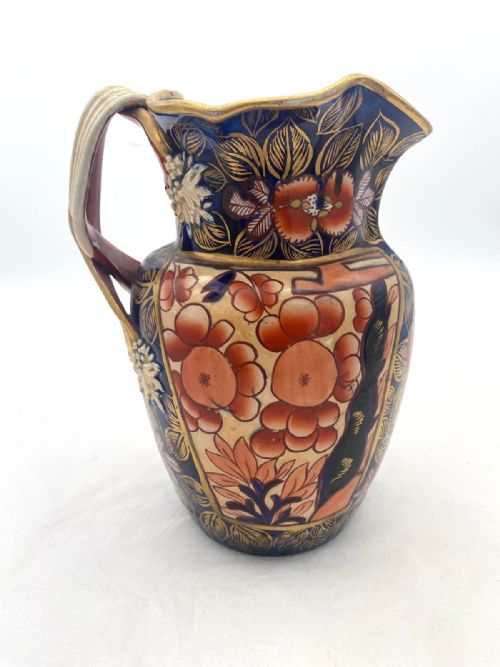
The pouring lip is the defining element. It stops liquids splashing across a table during service.
Handles are thick enough to support the weight of a full vessel. They attach firmly at the rim and belly.
Wide stable bases. You find foot rims on finer ceramics to elevate the body.
Potters threw most ceramic antique pitchers on a wheel. You can feel the horizontal throwing rings inside the belly.
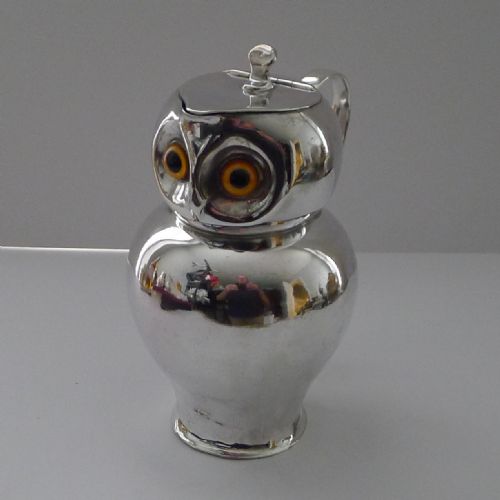
Metal examples were raised from a single flat sheet. Silversmiths hammered the silver over anvils to form bulbous shapes.
Makers pulled pottery handles from a lump of wet clay. They attached them directly to the leather-hard body.
"Silversmiths often used wooden inserts in the handles of hot water jugs. This stopped heat travelling to the grip."
"Many early stoneware pitchers feature a bearded face stamped on the neck. This design originated in Germany before spreading."
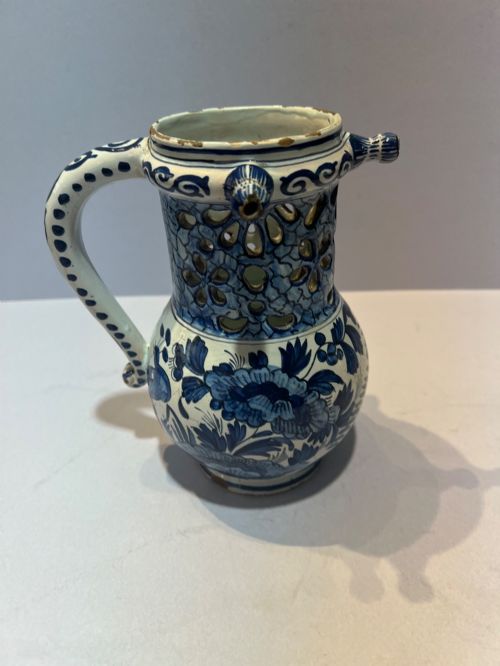
"Puzzle jugs challenged drinkers to spill ale. They contain hidden tubes inside the handle and rim that function like straws."
Based on almost 25 years of Sellingantiques UK antique market data, Antique Pitchers appeared 1439 times (out of 1,100,000 antiques) which gives it a rarity score of 75/100.
This score measures scarcity within the Sellingantiques archive only and is not a survey of the entire antiques market, so these statistics may not be indicative of the general availability of Antique Pitchers elsewhere.
Many ceramic antique pitchers are safe for pouring water or wine. You need to check the interior glaze for deep crazing, as bacteria can hide in fine cracks.
Lead glazes on early slipware are a different matter. Acidic liquids like fruit juice or wine can leach lead from the surface, so keep those for display.
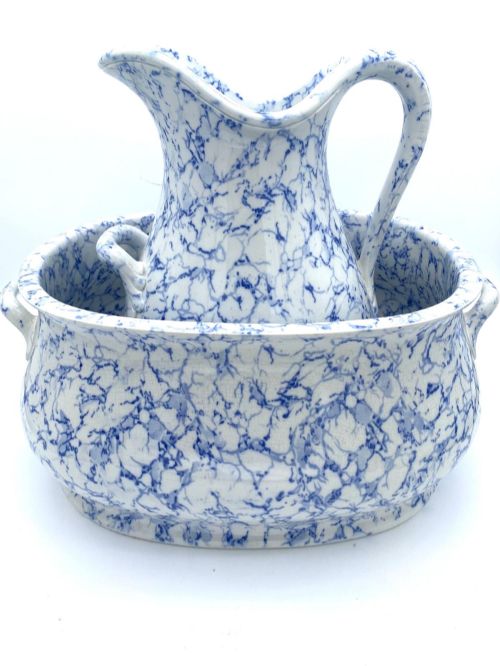
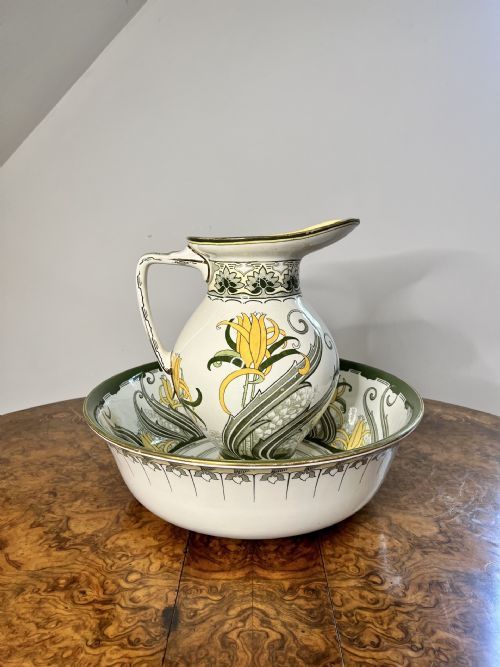
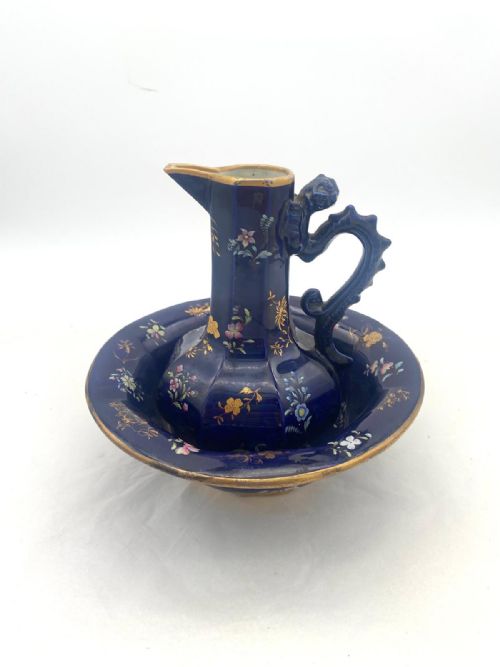
That is a washstand set. Before indoor plumbing, households kept these in bedrooms for morning washing. The pitcher held cold or warm water brought up from the kitchen, which you poured into the basin.
They grew larger during the Victorian period. By the late nineteenth century, a high-status set might include soap dishes, a sponge bowl, and a slop pail.
Wash them in warm soapy water with a soft cloth. Dry the metal immediately to prevent water spots forming on the surface.
If the silver is tarnished, apply a mild silver polish sparingly. Rinse it thoroughly afterwards to remove any white residue from the chased decoration.
That is an old repair. When a ceramic pouring lip chipped, owners often took the piece to a silversmith or tinker rather than throwing it away. The metalworker shaped a thin cap to cover the damage and pinned or glued it in place.
These repairs document the history of the object. They show that the owner valued the piece enough to pay for skilled labour instead of buying a replacement.
Please note: This Antique Pitchers guide and its associated pricing data are provided for general informational purposes only. It does not constitute formal financial, investment, or appraisal advice and should not be relied upon as the sole basis for any commercial activity, purchasing, or sales decisions. Sellingantiques.co.uk accepts no liability for any actions taken in reliance on this information. Always consult with a qualified professional or independent appraiser.
