
A 2026 Guide by Sellingantiques
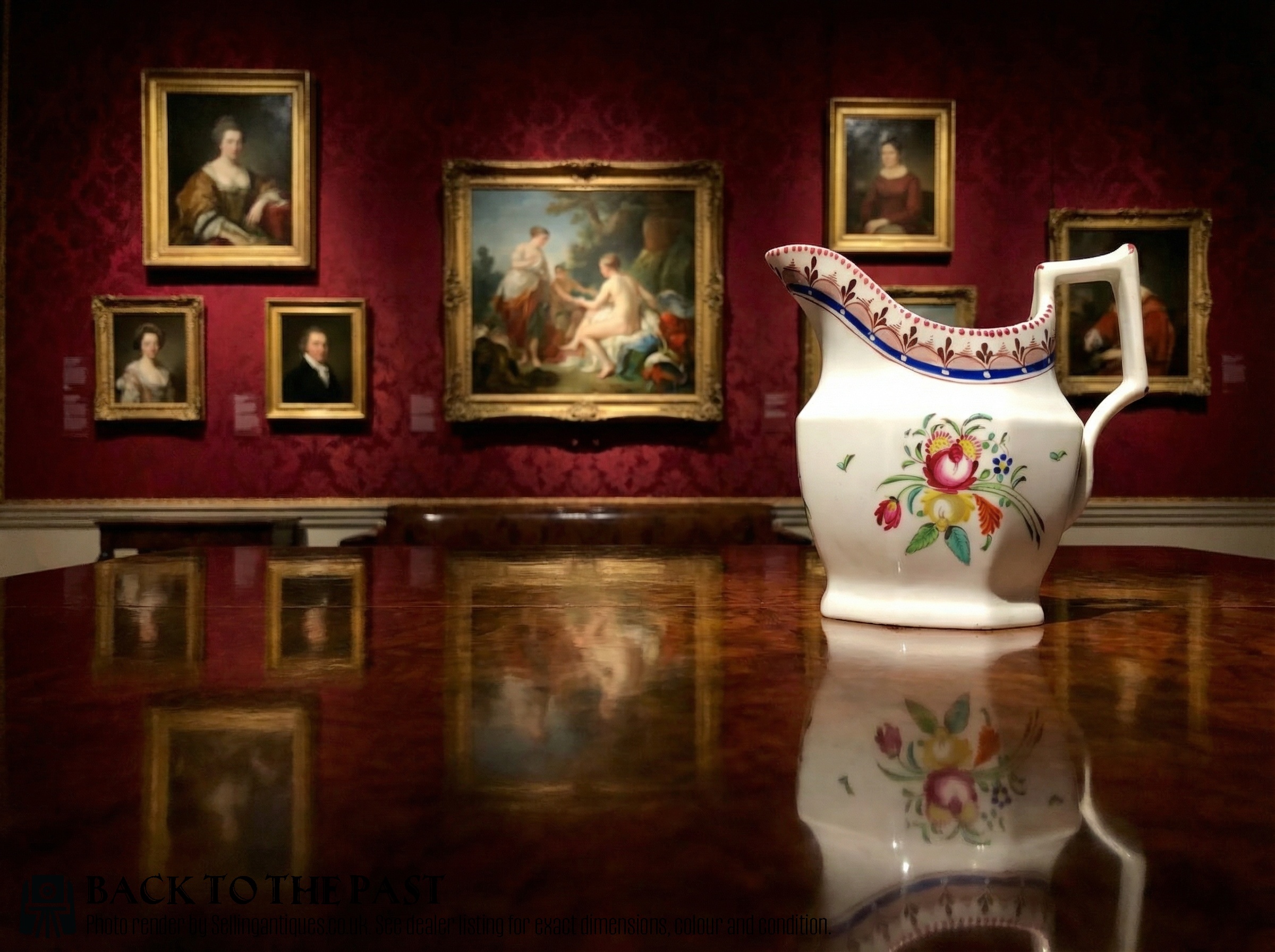
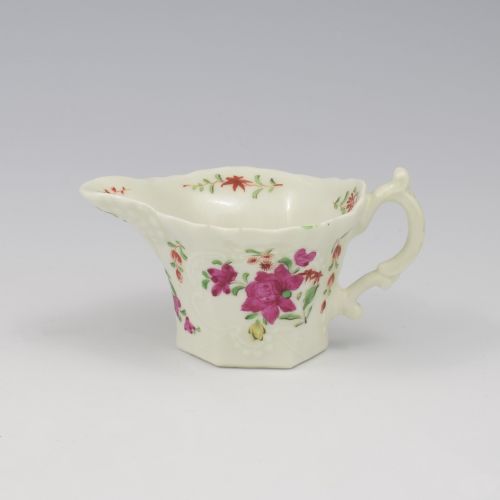
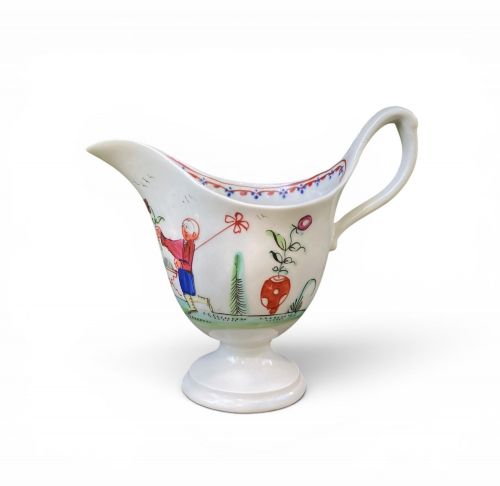
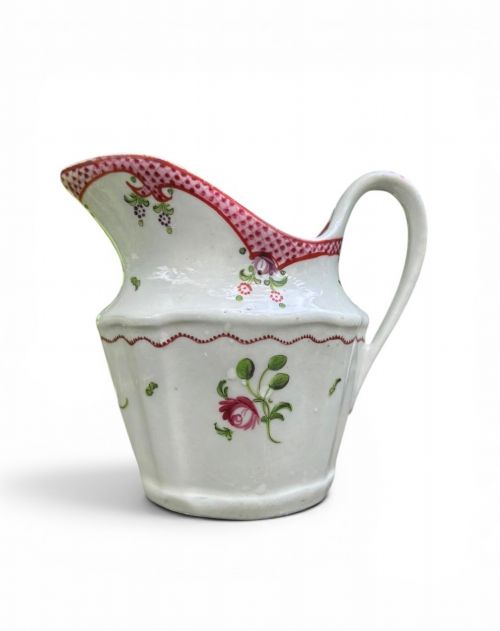
A Rare 18th Century Liverpool/ Herculaneum Porcelain Cream Jug, 18th Century
Priced at £325 from Robert Belcher Antiques
Tea drinking took off in the early eighteenth century, creating a sudden demand for small pouring vessels.
Silver antique cream jugs appear around the 1720s. Before that, households often managed with small ale jugs or just poured straight from a larger pitcher.
Look at the progression of tea habits. Milk wasn't always standard with tea, but as black tea gained dominance, a dedicated jug became an essential part of the service.
Potteries caught up quickly. Earthenware and porcelain versions followed the silver shapes closely, allowing middle-class homes to join the afternoon ritual.
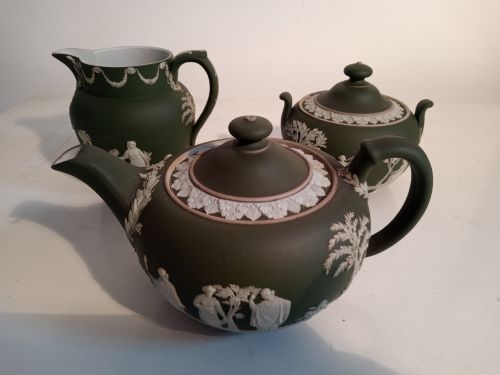
Styles evolved alongside teapots and sugar bowls to form matched sets by the late Georgian period.
Hester Bateman produced silver antique cream jugs in late eighteenth-century London, favouring thin gauge silver with bright-cut engraving and beaded edges.
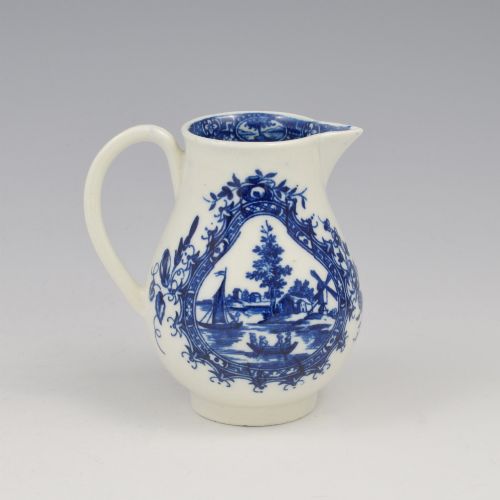
Worcester porcelain works turned out thousands of underglaze blue jugs between 1751 and the end of the century.
Check silver hallmarks for Paul Storr. His early nineteenth-century jugs are heavy, cast with bold classical motifs, and sit squarely in the Regency style.
The 2026 retail price guide for Antique Cream Jugs is drawn from a proprietary archive of over 1.1 million retail prices indexed by Sellingantiques since 2003. This guide relies exclusively on their own internal data; no external sources or auction records are used.
Analysing nearly 25 years of UK antique market history alongside current retail values, the data indicates that typical UK retail prices for Antique Cream Jugs range between £200 and £600. Entry-level prices generally fall under £200 and premium examples upwards of £600.
Handles change drastically through the decades. Ear-shaped loops give way to high-arching designs that clear the rim by a solid margin.
Notice the pouring lip. Early silver examples have short, pinched spouts, while neoclassical versions stretch the lip out into a long, tapered channel.
Bases vary wildly. Some sit flat on a collet ring, others balance on three tiny cast feet attached directly to the belly.
Early silver versions were raised by hand from a single flat sheet. The silversmith hammered the metal over a stake to draw up the sides.
Cast feet and handles were soldered on later. You can sometimes spot the faint line of silver solder where the components meet.
Slip-casting changed the pottery trade. Liquid clay was poured into plaster moulds, allowing rapid production of identical thin-walled shapes.
"Many eighteenth-century silver jugs retain their original gilded interiors. This thin wash of gold stopped the silver reacting with the contents."
"The tiny size of early examples tells us about diet. Cream was richer and consumed in much smaller quantities than the milk we pour today."
"A lot of late Georgian examples feature hidden weighted bases to keep them stable on the crowded tea tray."
Based on almost 25 years of Sellingantiques UK antique market data, Antique Cream Jugs appeared 1952 times (out of 1,100,000 antiques) which gives it a rarity score of 68/100.
This score measures scarcity within the Sellingantiques archive only and is not a survey of the entire antiques market, so these statistics may not be indicative of the general availability of Antique Cream Jugs elsewhere.
Warm soapy water and a soft cloth handle most surface dirt. Avoid submerging the piece if it has a wooden or ivory handle, as water can swell and crack the organic materials over time.
For stubborn tarnish, use a mild silver polish with a soft sponge. Hard rubbing wears down the surface details, especially on pieces with fine engraving. Rinse it well and dry immediately to prevent water spots.
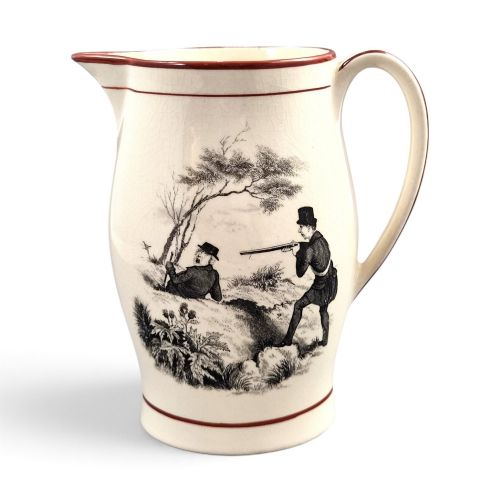
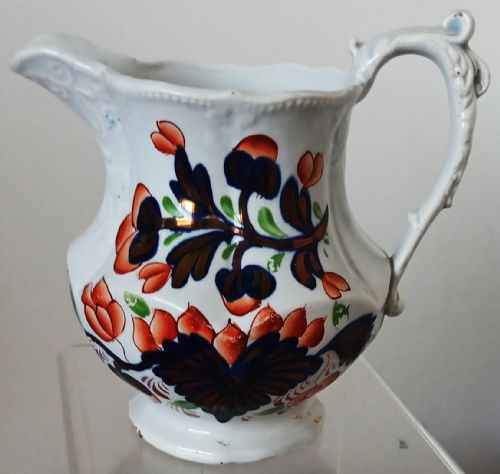
You are looking at crazing. This happens when the ceramic body and the outer glaze expand and contract at different rates as temperatures change. Over decades of use, the tension causes the glaze to fracture into a web of fine lines.
Cream jugs undergo sudden temperature shifts during washing. The matching plate likely saw less thermal shock and moisture, which is why its surface remained intact while the jug developed that crackled appearance.
Tea was an expensive luxury in the early eighteenth century. Everything on the tea table was scaled down to match the precious nature of the leaves themselves.
People also served thick cream rather than milk. A few drops were enough to change the flavour of the tea, so a large capacity simply wasn't needed.
Those cast feet are a classic feature of mid-eighteenth-century design. Silversmiths often soldered three small cast legs directly to a rounded belly to keep the piece stable on a flat surface.
Lion paws were a popular motif during the George II period. You also see them heavily used on larger furniture of the same era.
By the end of the century, tastes shifted toward neoclassical styles. Those little legs were mostly replaced by flat bases or tall pedestal feet.
Please note: This Antique Cream Jugs guide and its associated pricing data are provided for general informational purposes only. It does not constitute formal financial, investment, or appraisal advice and should not be relied upon as the sole basis for any commercial activity, purchasing, or sales decisions. Sellingantiques.co.uk accepts no liability for any actions taken in reliance on this information. Always consult with a qualified professional or independent appraiser.
