
A 2026 Guide by Sellingantiques
Before piped domestic supplies, homes relied heavily on portable vessels to bring liquid indoors from outside pumps or local wells.
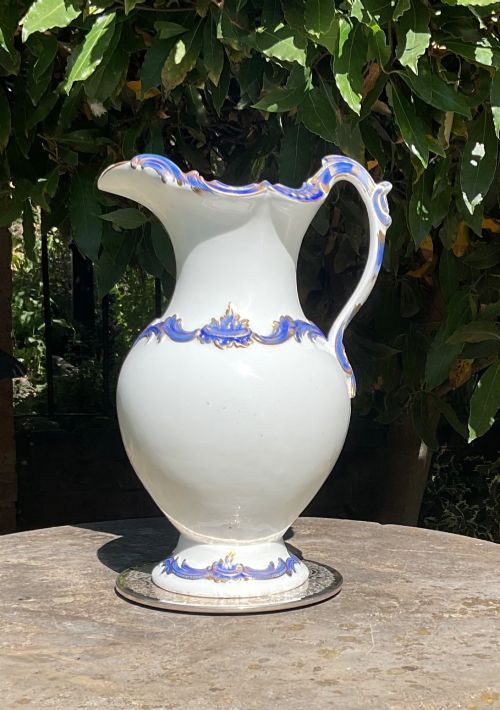
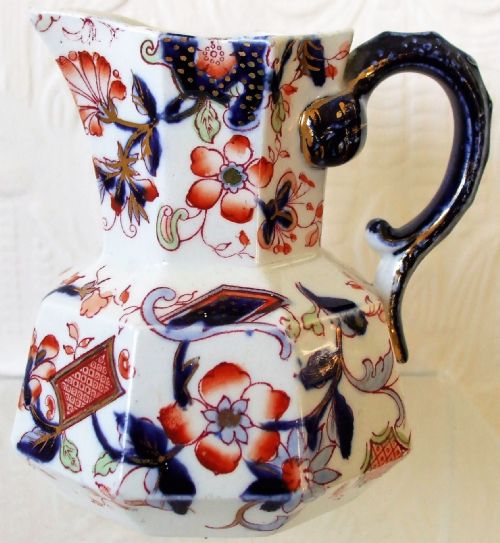
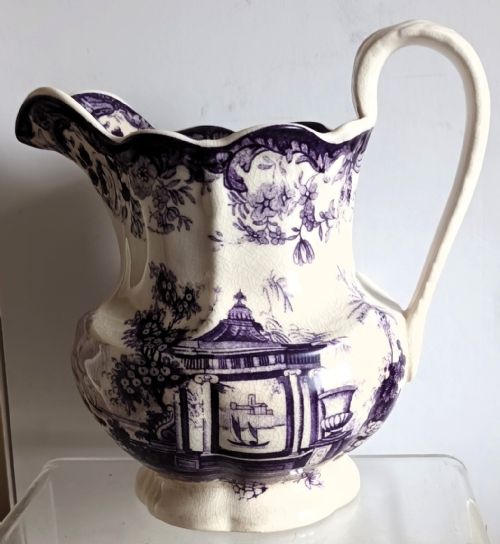
Antique water jugs held the daily washing supply for bedrooms and the drinking water for dining rooms.
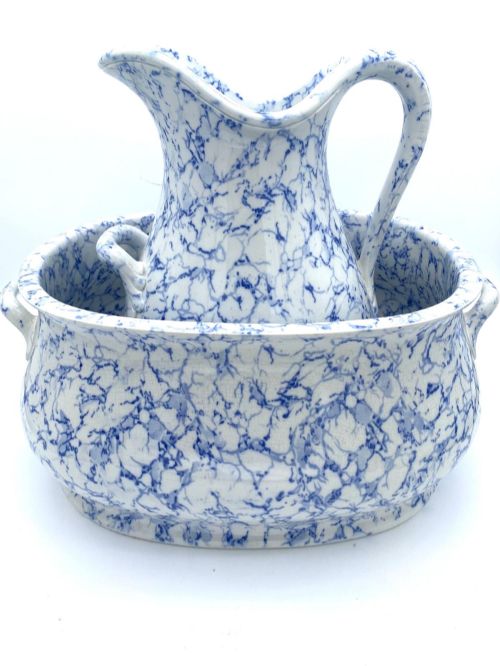
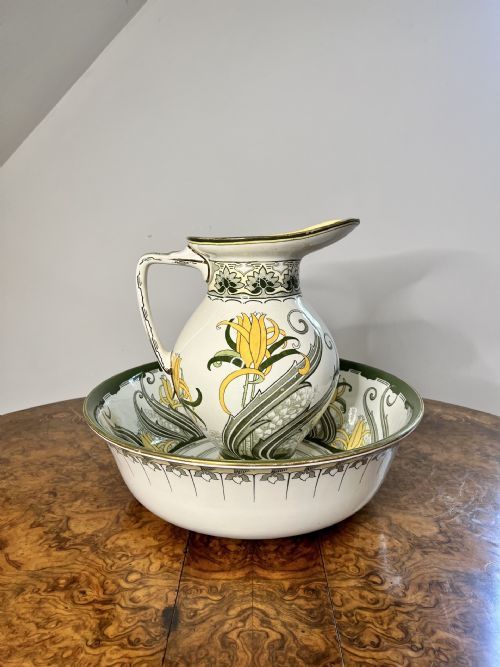
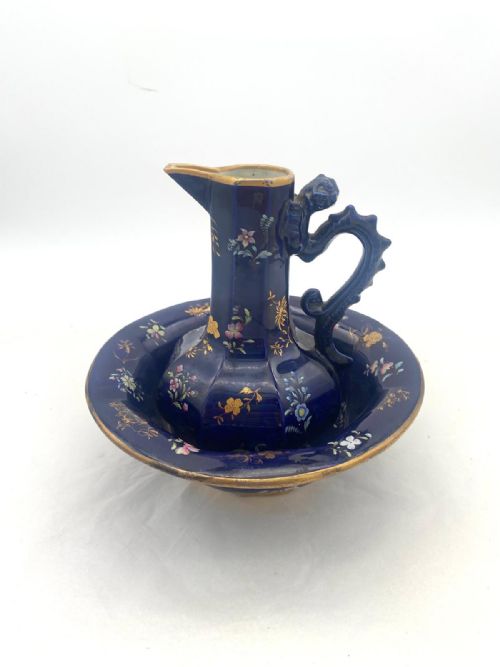
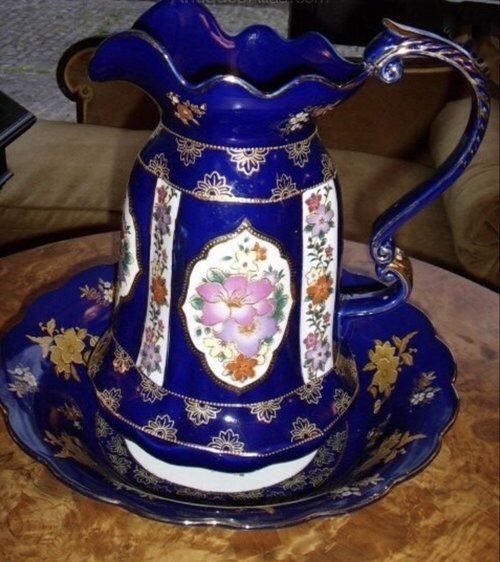
Look at late nineteenth-century washstand sets. You often find a large jug alongside a matching wash bowl or soap dish.
An essential household object that spanned every social class until modern indoor plumbing took over.
Changes in sanitation eventually rendered the heavy ceramic bedroom jug largely obsolete by the early twentieth century.
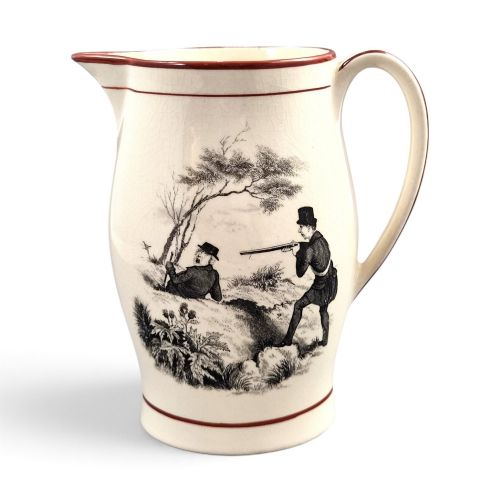
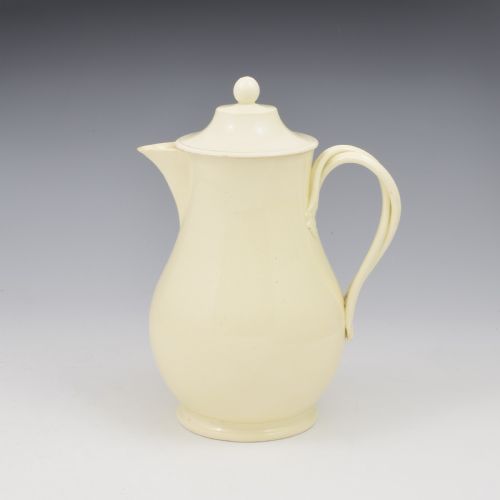
Josiah Wedgwood produced vast numbers of creamware and basalt jugs for the late eighteenth-century table.
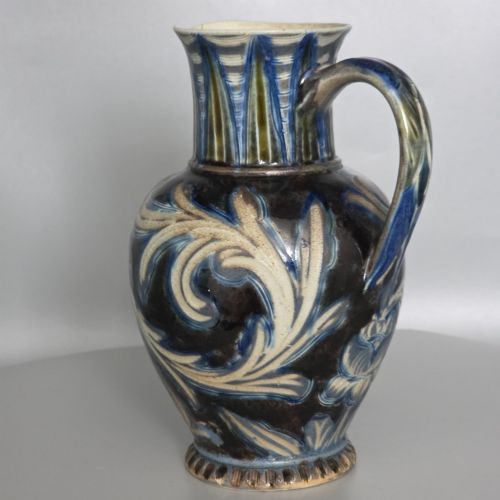
The Doulton factory in Lambeth turned out countless salt-glazed stoneware examples during the Victorian era.
Look for silver ewers by Paul Storr. His heavy classical metalwork represents high Regency taste.
The 2026 retail price guide for Antique Water Jugs is drawn from a proprietary archive of over 1.1 million retail prices indexed by Sellingantiques since 2003. This guide relies exclusively on their own internal data; no external sources or auction records are used.
Analysing nearly 25 years of UK antique market history alongside current retail values, the data indicates that typical UK retail prices for Antique Water Jugs range between £200 and £1,400. Entry-level prices generally fall under £200 and premium examples upwards of £1,400.
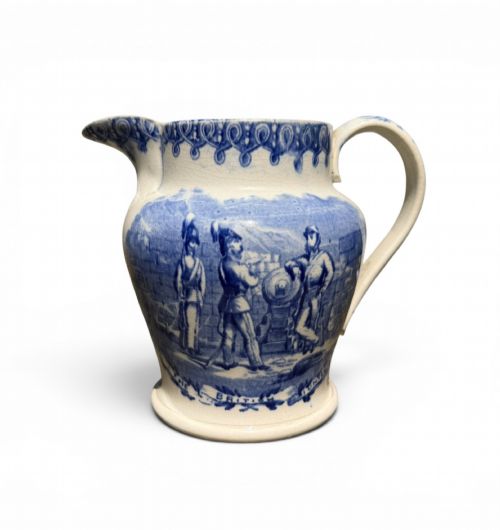
A prominent pouring lip remains the defining characteristic of the form.
Notice the wide necks. These allow easy cleaning and fast filling from a yard pump.
Robust lower handle terminals spread the heavy load across the body when the vessel is full.
Early ceramic jugs were thrown by hand on a wheel, leaving faint horizontal ridges up the inside walls.
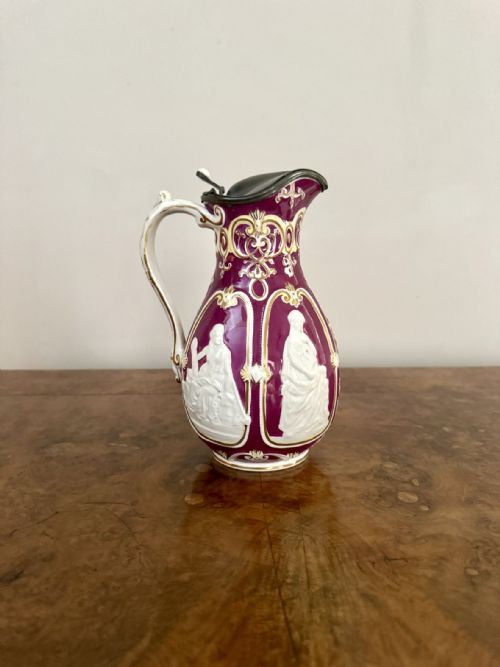
Slip casting changed the industry. Liquid clay poured into plaster moulds allowed potteries to create complex embossed shapes quickly.
Examine the handles. Potters pulled them separately from lumps of clay and attached them to the fired bodies using liquid slip.
"Many large Victorian bedroom jugs hold a surprisingly precise volume of liquid, standardising the morning wash routine."
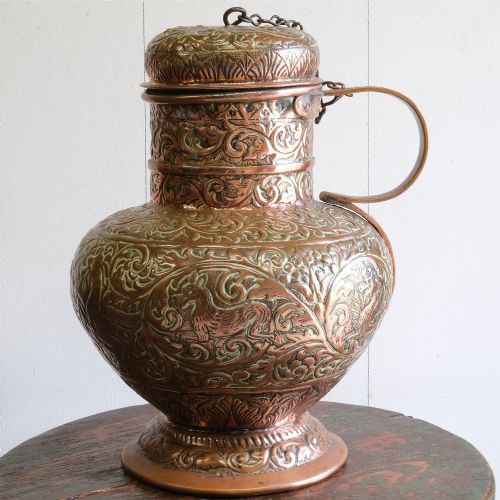
"Copper examples often served on naval vessels. Their wide, flat bases prevented them tipping over during heavy seas."
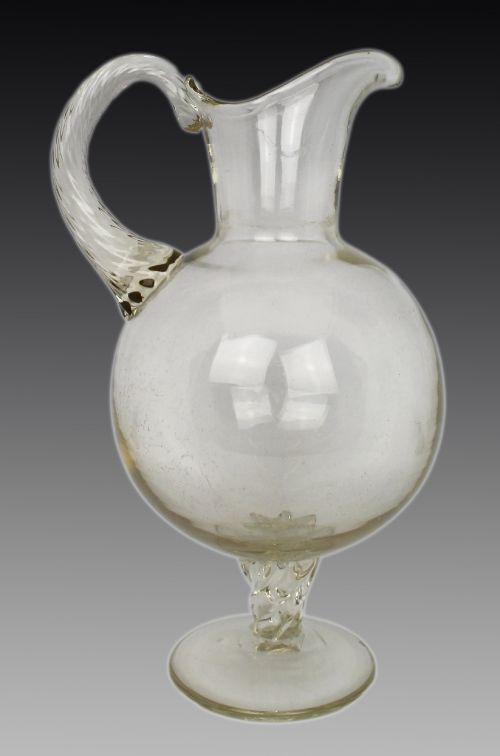
"Some glass jugs feature an internal hollow pocket intended to hold ice, chilling the contents without diluting them."
Based on almost 25 years of Sellingantiques UK antique market data, Antique Water Jugs appeared 930 times (out of 1,100,000 antiques) which gives it a rarity score of 83/100.
This score measures scarcity within the Sellingantiques archive only and is not a survey of the entire antiques market, so these statistics may not be indicative of the general availability of Antique Water Jugs elsewhere.
Warm water and a mild detergent handle most dusty interiors. Avoid abrasive scrubbing brushes, as they can scratch the glaze on ceramic antique water jugs or cloud the surface of glass examples.
For stubborn marks inside a glass jug, a soak with white vinegar often helps. Swirl it around gently and rinse it out with clean water.
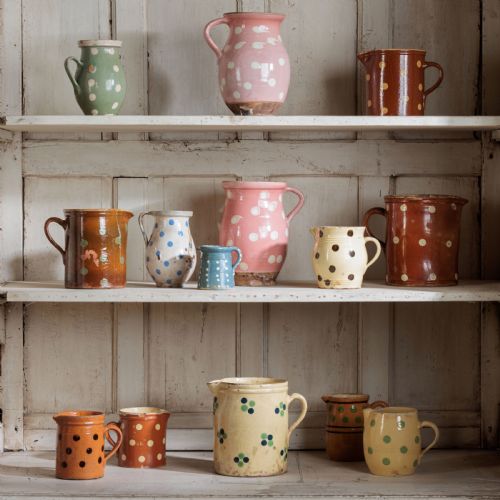
Most heavily glazed earthenware jugs from the late Victorian period onwards are generally stable enough for occasional table use. You should check the interior carefully for any deep crazing or flaking glazes before pouring drinks.
If the interior glaze is missing or badly cracked, the porous clay body might harbour bacteria. In those cases, it makes a better display piece than a drinking vessel.
Silver and glass examples present fewer issues for food safety. Just ensure they are washed thoroughly between dinner parties.
A hinged lid usually indicates a jug meant for hot water. The cover retained heat while someone carried the water from the kitchen range to the bedroom.
Potteries frequently fitted stoneware jugs with simple metal mounts to keep steam in and dust out.
That metal band is a historic staple repair. When a handle snapped during domestic service, throwing the jug away was often too wasteful for a frugal household.
Local tradesmen would fit a metal band or drill tiny holes to insert wire staples. This pulled the broken pieces back together tightly enough to restore the handle.
These early repairs are part of the object's working life. They show how much people relied on their antique water jugs before mass production made replacing them easier.
Please note: This Antique Water Jugs guide and its associated pricing data are provided for general informational purposes only. It does not constitute formal financial, investment, or appraisal advice and should not be relied upon as the sole basis for any commercial activity, purchasing, or sales decisions. Sellingantiques.co.uk accepts no liability for any actions taken in reliance on this information. Always consult with a qualified professional or independent appraiser.
