


A 2026 Guide by Sellingantiques

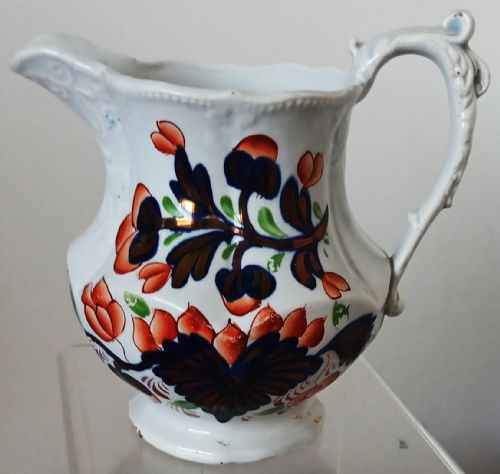
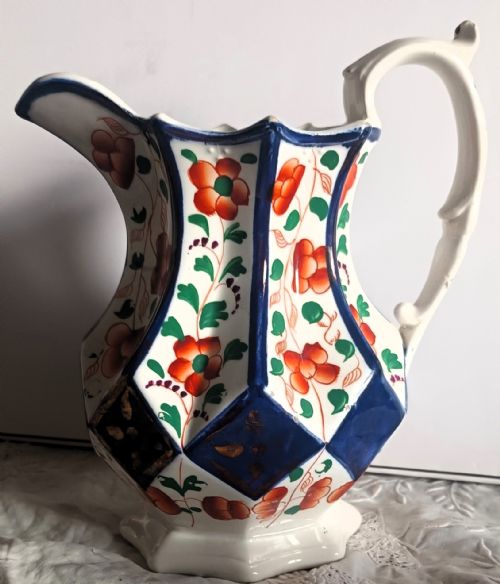
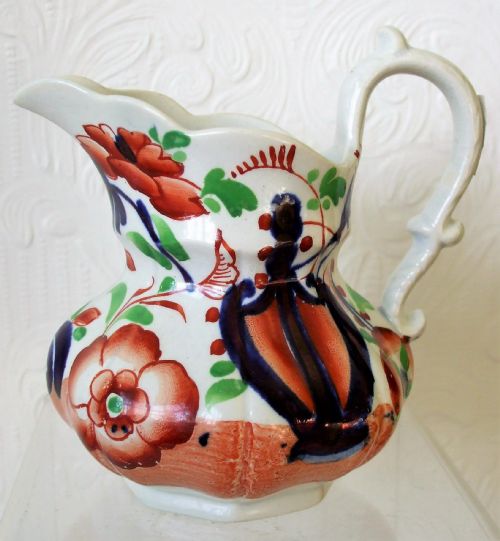
Antique Victorian Gaudy Welsh "Pagoda" Pattern Pottery Pouch Jug, 19th Century
Priced at £235 from Applecross Antiques
South Wales held rich seams of clay and coal right next to each other. This combination sparked a major pottery boom in the late eighteenth century.
Look at the coastal ports. Places like Swansea could ship their heavy ceramic output across the Bristol Channel and beyond.
Cambrian Pottery led the charge for refined wares. They pushed Welsh ceramics into direct competition with the large Staffordshire factories.
Country potteries often took a different route. Ewenny focused on traditional slipware jugs for local dairy use.
Demand shifted as the nineteenth century progressed. Many factories pivoted to bold, colourful patterns aimed at working households rather than the gentry.
Lewis Weston Dillwyn managed the Cambrian Pottery in Swansea during its most ambitious period in the early nineteenth century.
South Wales Pottery operated in Llanelly. They produced thousands of sponge-decorated jugs for everyday household use.
Turn over pieces from Ewenny. Several generations of the Jenkins family potted there, keeping traditional slipware alive into the twentieth century.
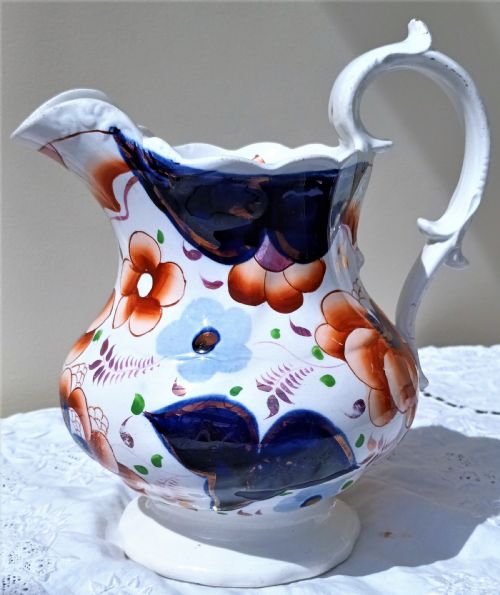
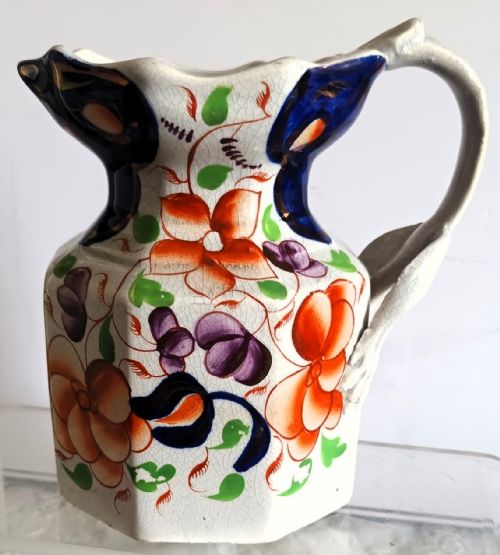
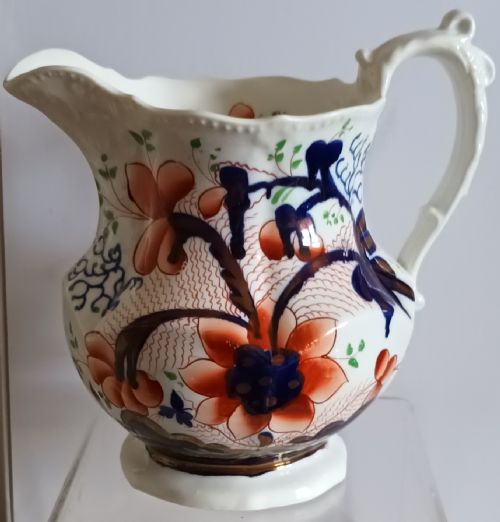
Antique Victorian Gaudy Welsh "Gwent" Pattern Pottery Jug, 19th Century
Priced at £235 from Applecross Antiques
The 2026 retail price guide for Antique Welsh Jugs is drawn from a proprietary archive of over 1.1 million retail prices indexed by Sellingantiques since 2003. This guide relies exclusively on their own internal data; no external sources or auction records are used.
Analysing nearly 25 years of UK antique market history alongside current retail values, the data indicates that typical UK retail prices for Antique Welsh Jugs range between £100 and £200. Entry-level prices generally fall under £100 and premium examples upwards of £200.
Handles usually take a sturdy strap form. Potters pulled them directly from the clay block to ensure a strong grip.
Wide necks make filling easy. You find this shape across most dairy and ale vessels from the region.
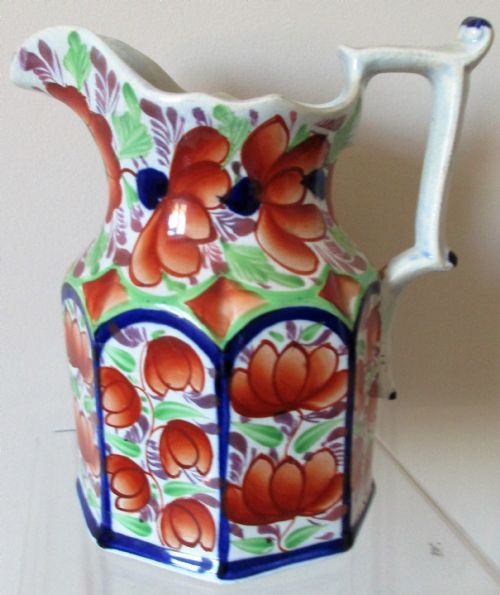
Decoration sits boldly on the surface. Hand-painted floral motifs in iron red and cobalt blue are common on the later pieces.

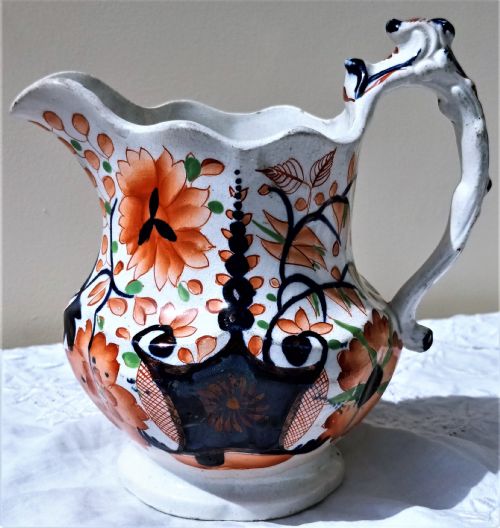
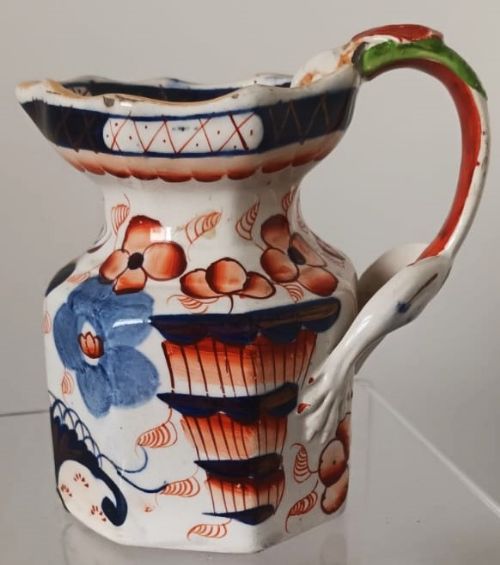
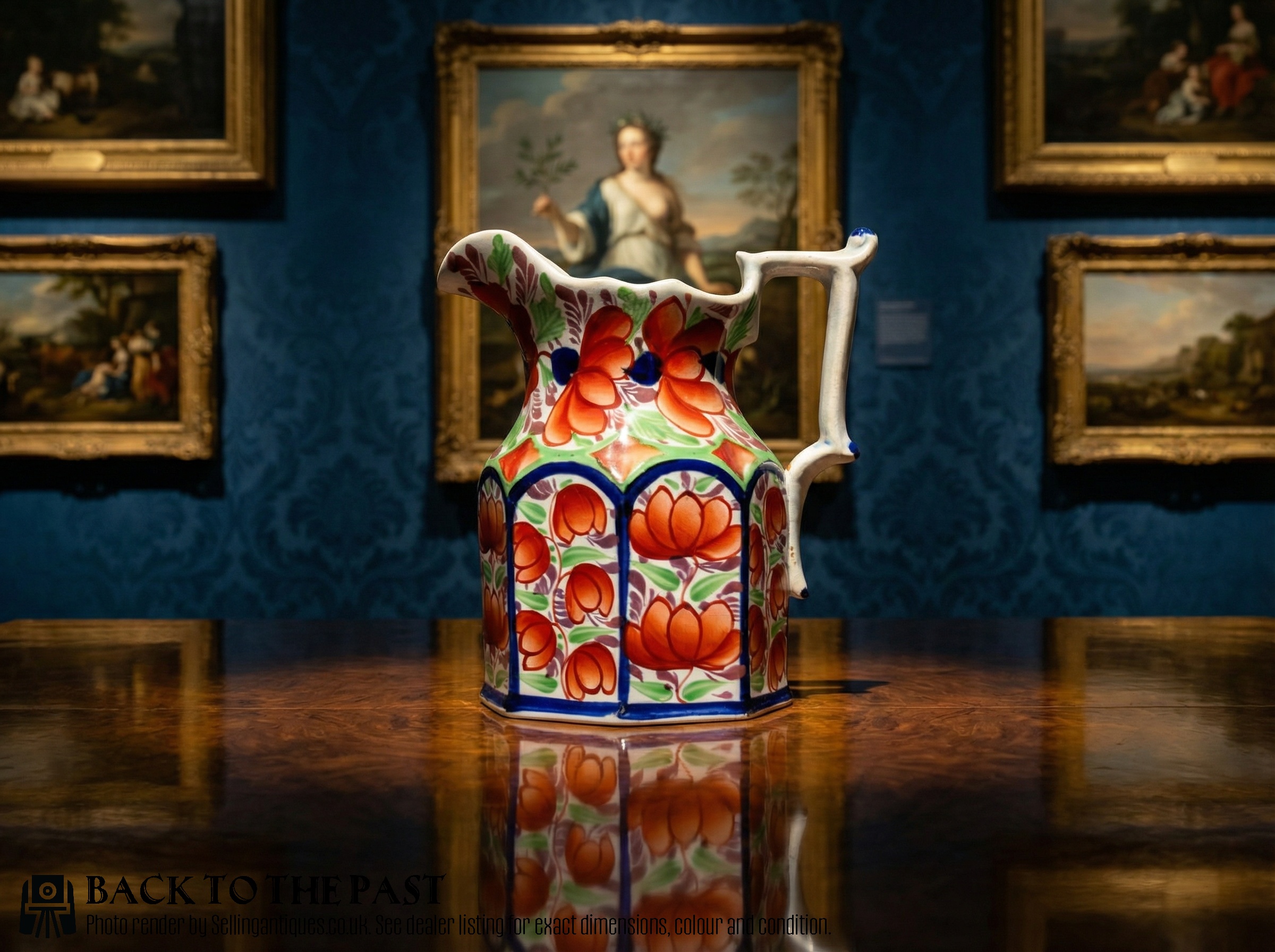
Antique Victorian Gaudy Welsh "Harlech" Pattern Pottery Jug, 19th Century
Priced at £195 from Applecross Antiques
Throwing on a traditional wheel remained the core method for shaping the vast majority of these wares.
Transfer printing arrived later to speed up production. Engraved tissue paper transferred intricate borders onto the biscuit clay.
Firing took place in massive bottle kilns. Coal smoke occasionally marked the glaze if the saggars failed to seal properly.
"Some early examples carry specific commemorative dates or names trailed in wet slip to mark a rural wedding."
"The bold Gaudy Welsh palette caught on overseas. Export markets welcomed the bright floral patterns as cheerful domestic wares."
"Heavy lead glazes made the vessels highly durable. Many survive intact because they were sturdy enough to handle generations of daily kitchen use."
Based on almost 25 years of Sellingantiques UK antique market data, Antique Welsh Jugs appeared 67 times (out of 1,100,000 antiques) which gives it a rarity score of 99/100.
This score measures scarcity within the Sellingantiques archive only and is not a survey of the entire antiques market, so these statistics may not be indicative of the general availability of Antique Welsh Jugs elsewhere.
Warm soapy water works best for most glazed earthenwares. Avoid harsh chemical soaks or dishwashers, as these strip the glaze and weaken the clay body.
Keep the item submerged for just a few minutes. Use a soft cloth to wipe away surface dirt, then air dry completely on a towel.
Earthenware is porous by nature. If the internal glaze has crazed over time, liquids seep through the cracks and absorb directly into the clay body.
Old dairy vessels often retain faint odours from milk fats trapped beneath the surface. You can't easily remove these historical smells without damaging the pottery.
Leave the vessel empty in a dry, well-ventilated space. The smell usually fades once the piece settles into a new domestic environment.
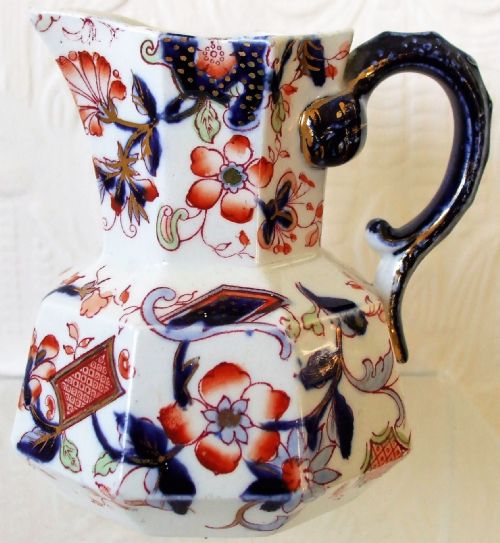
Dealers use this term for a specific decorative style popular in the nineteenth century. It features bold floral patterns applied in underglaze cobalt blue, combined with copper lustre and bright overglaze enamels.
The style emerged in both Wales and Staffordshire. It aimed at working-class buyers who wanted vibrant, affordable colour on their dressers.
Potters applied these raised lines using a liquid clay mixture poured from a specialized vessel. It acts much like icing a cake, leaving a thick trail that sits proud of the background surface.
The maker trailed this slip directly onto the leather-hard clay before the initial firing. Once the final clear lead glaze melted over the top, the raised pattern was sealed in forever.
Brushwork leaves a much flatter mark. The distinct physical texture is the hallmark of traditional slip-trailing.
Please note: This Antique Welsh Jugs guide and its associated pricing data are provided for general informational purposes only. It does not constitute formal financial, investment, or appraisal advice and should not be relied upon as the sole basis for any commercial activity, purchasing, or sales decisions. Sellingantiques.co.uk accepts no liability for any actions taken in reliance on this information. Always consult with a qualified professional or independent appraiser.
