


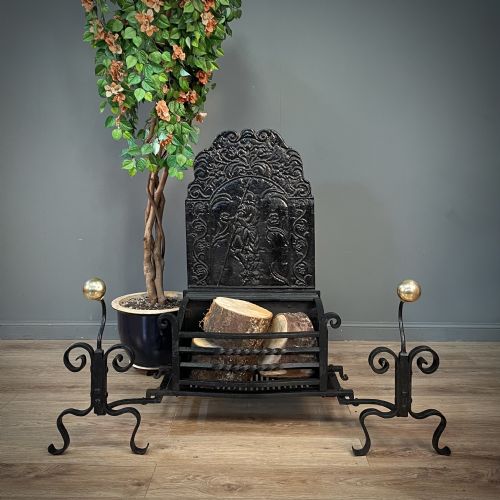


A 2026 Guide by Sellingantiques
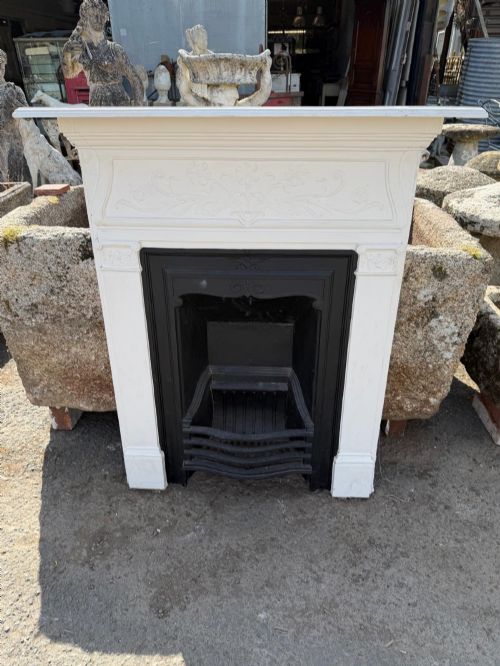
Georgian homes shifted from open hearths to enclosed grates to burn coal efficiently.
Victorian foundries produced antique fireplace inserts on an industrial scale across Britain.
Look for the transition in fuel types. Wood needs space, whereas coal requires a smaller raised basket to draw air from below.
Tiled grates became common by the late nineteenth century to reflect heat into the parlour.
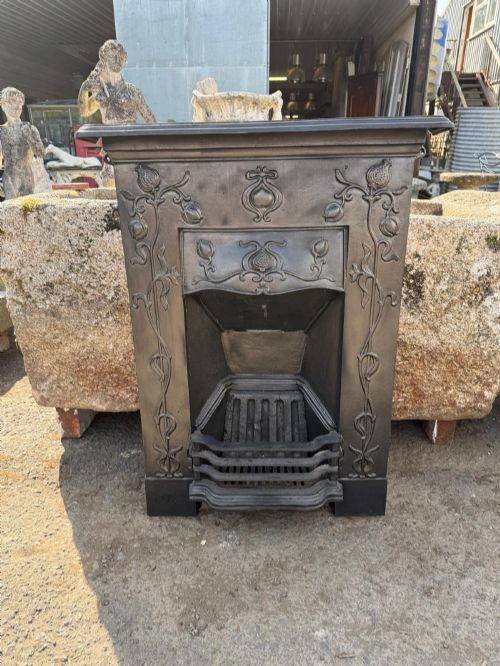
Coalbrookdale operated through the nineteenth century, casting heavy floral ironwork.
Carron Company in Falkirk produced domestic grates from the late eighteenth century into the twentieth.
Many standard antique fireplace inserts carry no foundry marks. Regional ironworks supplied local builders directly.
The 2026 retail price guide for Antique Fireplace Inserts is drawn from a proprietary archive of over 1.1 million retail prices indexed by Sellingantiques since 2003. This guide relies exclusively on their own internal data; no external sources or auction records are used.
Analysing nearly 25 years of UK antique market history alongside current retail values, the data indicates that typical UK retail prices for Antique Fireplace Inserts range between £700 and £2,600. Entry-level prices generally fall under £700 and premium examples upwards of £2,600.
The firebrick back absorbs heat and protects the iron casing from burning out.
A front grate holds the fuel. You slide the ashpan cover underneath to tidy the hearth.
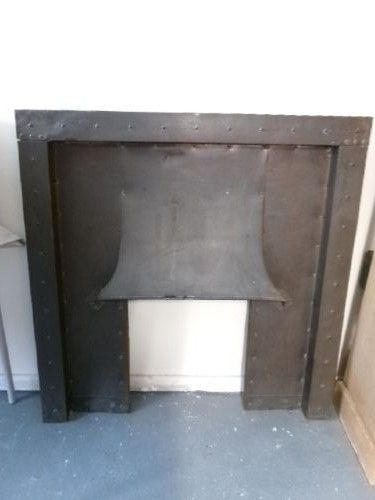
Notice the canopy or hood. This angled plate directs smoke back towards the chimney opening.
Early examples were sand-cast in simple moulds. The finish is rougher than later mass-produced ironwork.
Bolting separate castings together became standard practice. It allows parts to expand with heat without fracturing the whole fascia.
Transfer-printed tiles in late Victorian models were slip-cast and glazed before sliding into metal side runners.
"Cast iron improves with regular polishing. Blacklead paste builds up a protective sheen that prevents rust."
"The varied tile sets allow for easy customisation. You can slide out the panels and swap the designs."
"Most iron inserts break down into flat pieces. This makes them much easier to move than they look."
Based on almost 25 years of Sellingantiques UK antique market data, Antique Fireplace Inserts appeared 131 times (out of 1,100,000 antiques) which gives it a rarity score of 97/100.
This score measures scarcity within the Sellingantiques archive only and is not a survey of the entire antiques market, so these statistics may not be indicative of the general availability of Antique Fireplace Inserts elsewhere.
Start with wire wool to lift the loose rust flakes.
Buff grate polish over the bare iron to seal out moisture.
Most tiled inserts use a simple clamping system. You will often find a removable metal strip holding the tiles in their track at the back.
Loosen the bolts on that vertical runner. The whole block of tiles should slide out as a unit, letting you swap the broken ones before sliding the stack back in.
You can, but they were built for coal. Wood needs a flat hearth and plenty of air from above to burn well.
Coal grates draw air from below through narrow bars. Wood tends to smother in that tight space, so you will need to cut logs very small.
Standard cement shatters under direct heat. It expands at a different rate to the iron and will blow out the first time you light a fire.
You need specific fire cement or castable refractory clay. It handles the severe temperature changes safely. Many stove shops stock pre-cast firebrick backs that you can trim to fit.
Please note: This Antique Fireplace Inserts guide and its associated pricing data are provided for general informational purposes only. It does not constitute formal financial, investment, or appraisal advice and should not be relied upon as the sole basis for any commercial activity, purchasing, or sales decisions. Sellingantiques.co.uk accepts no liability for any actions taken in reliance on this information. Always consult with a qualified professional or independent appraiser.
