


A 2026 Guide by Sellingantiques
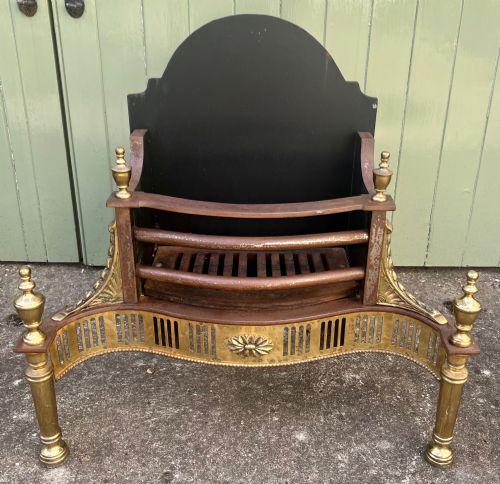
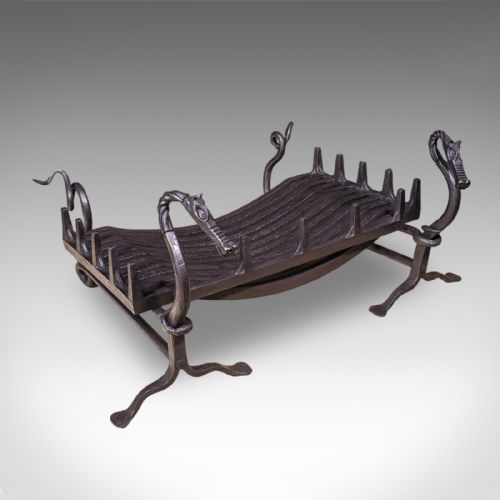
Adams Style Free Standing Fire Basket, Grate, Regency
Priced at £1,250 from Elmgarden
Coal became the dominant domestic fuel during the seventeenth century. Open hearths suited wood, but coal needed a raised grate to draw properly.
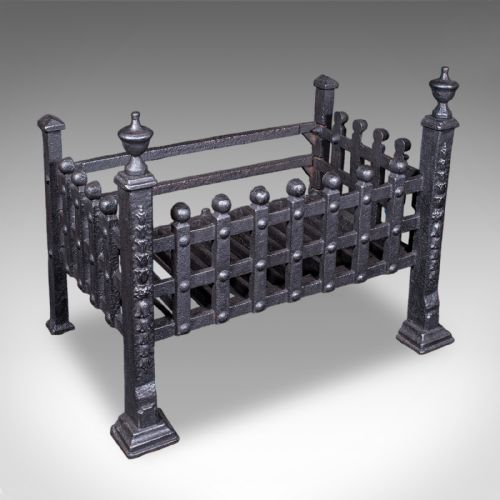
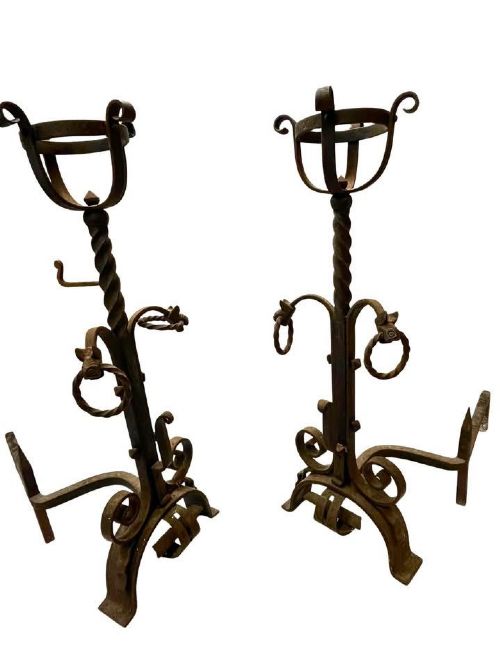
Early antique fire baskets were crude iron cages. Blacksmiths forged them locally to fit whatever fireplace opening a house possessed.
By the eighteenth century, they evolved into permanent architectural fixtures.
Hob grates appeared later on. People liked having flat side cheeks to keep a kettle warm.
Look at the Georgian era for the peak of their domestic use.
Coalbrookdale is the major name in cast iron. They produced thousands of grates through the nineteenth century.
Thomas Elsley operated a prominent London foundry later on. You often find his name stamped into the iron of substantial Arts and Crafts examples.
Most early wrought iron baskets don't carry a maker's mark at all. Regional blacksmiths made them for the local estate or village.
The 2026 retail price guide for Antique Fire Baskets is drawn from a proprietary archive of over 1.1 million retail prices indexed by Sellingantiques since 2003. This guide relies exclusively on their own internal data; no external sources or auction records are used.
Analysing nearly 25 years of UK antique market history alongside current retail values, the data indicates that typical UK retail prices for Antique Fire Baskets range between £400 and £1,500. Entry-level prices generally fall under £400 and premium examples upwards of £1,500.
A slotted or barred bottom grate is essential. Ash falls through the gaps into the hearth space below.
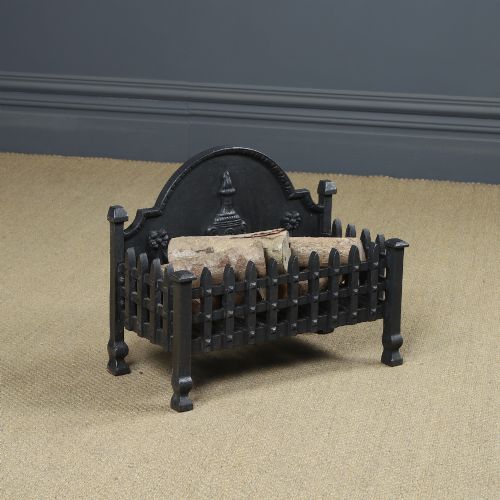
Upright front bars keep the burning coal from tumbling out into the room.
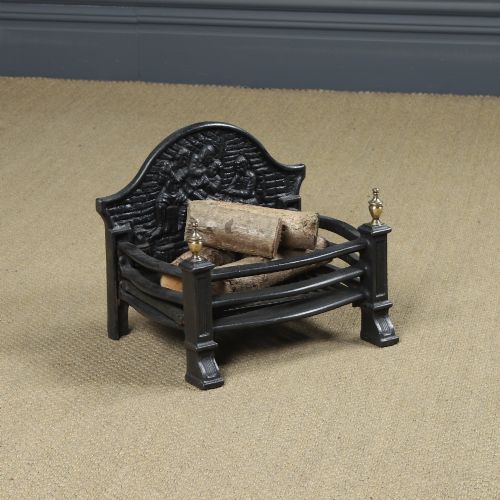
Many incorporate a solid cast iron fireback. This reflects heat forward so it doesn't escape up the chimney.
Early blacksmiths shaped wrought iron bars by hand at the forge. Hammer marks and slight irregularities show this manual labour.
The shift to sand casting allowed for complex relief decoration. Carvers made wooden patterns, which foundries pressed into sand to form the mould.
Rivets hold the individual wrought iron straps together. Later cast sections usually bolt to one another.
"Some eighteenth-century grates feature a tiny winding mechanism. This adjusts the cheeks to make the fire area wider or narrower."
"You can burn wood in a basket designed for coal. Just lay a flat steel plate over the bottom bars to stop the embers dropping through."
"Many surviving examples retain their original brass finials. They were cast separately and thread directly onto the iron uprights."
Based on almost 25 years of Sellingantiques UK antique market data, Antique Fire Baskets appeared 344 times (out of 1,100,000 antiques) which gives it a rarity score of 93/100.
This score measures scarcity within the Sellingantiques archive only and is not a survey of the entire antiques market, so these statistics may not be indicative of the general availability of Antique Fire Baskets elsewhere.
Most cast and wrought iron grates remain functional today. They were forged and cast to withstand daily exposure to high temperatures over decades of winter use.
Always check the metal for severe structural cracks before lighting a fire. A small hairline fracture might hold up. A deep split through a main supporting bar means you'll need a welder.
Wire-brushing removes loose surface rust and accumulated old soot. A traditional black grate polish restores the dark protective finish without it needing modern chemical paint.
Keep the bare metal dry when the hearth isn't in use. Damp chimneys encourage flash rust to form very quickly on exposed iron surfaces.
Yes, freestanding baskets sit directly on the hearth. The side pillars elevate the grate to the correct height.
Just ensure the stone floor extends outward.
Standard household paint will blister and peel rapidly. The direct heat from a solid fuel fire destroys regular chemical binders almost instantly.
If you must paint it, use a specialised high-temperature stove enamel designed for engine blocks or flues. Traditional graphite paste is the standard historical alternative. It bonds safely to the heated iron and requires regular polishing.
Please note: This Antique Fire Baskets guide and its associated pricing data are provided for general informational purposes only. It does not constitute formal financial, investment, or appraisal advice and should not be relied upon as the sole basis for any commercial activity, purchasing, or sales decisions. Sellingantiques.co.uk accepts no liability for any actions taken in reliance on this information. Always consult with a qualified professional or independent appraiser.
