

A 2026 Guide by Sellingantiques
Foundries across Britain turned out thousands of grates and surrounds every week. Mass production expanded rapidly during the mid-nineteenth century.
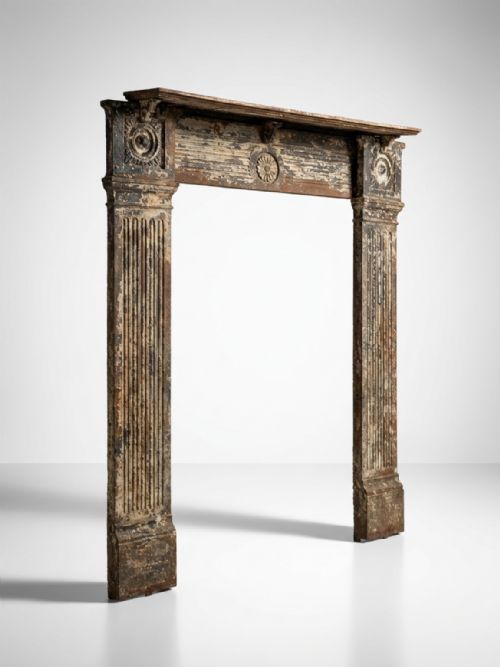
Look at the design registers from the 1840s onwards. They show a shift toward highly ornamented, unified iron units replacing older brick-built hearths.
Bedroom fireplaces were often smaller and lacked elaborate tiles. Builders installed these standard cast iron fixtures in almost every new terrace house.
The Coalbrookdale Company dominated nineteenth-century production. They registered numerous complex, naturalistic designs between the 1840s and 1890s.
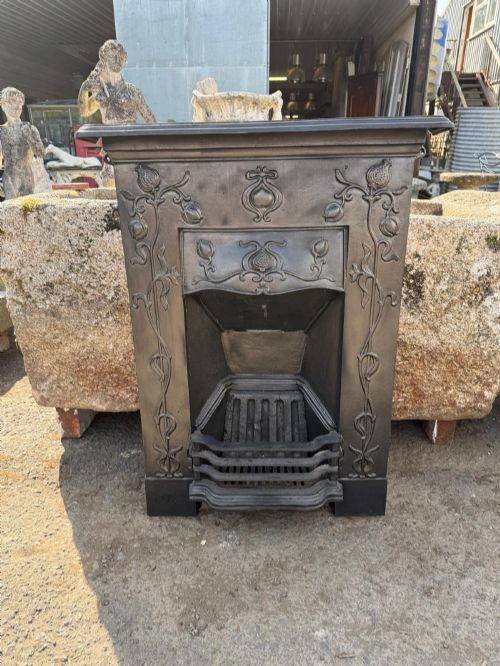
Thomas Elsley produced heavier, Arts and Crafts style grates. His foundry supplied architects with substantial ironwork during the late nineteenth century.
Carron Company in Scotland operated for over two centuries. Their earlier hob grates paved the way for fully integrated Victorian cast iron fireplaces.
The 2026 retail price guide for Antique Cast Iron Fireplaces is drawn from a proprietary archive of over 1.1 million retail prices indexed by Sellingantiques since 2003. This guide relies exclusively on their own internal data; no external sources or auction records are used.
Analysing nearly 25 years of UK antique market history alongside current retail values, the data indicates that typical UK retail prices for Antique Cast Iron Fireplaces range between £400 and £2,000. Entry-level prices generally fall under £400 and premium examples upwards of £2,000.
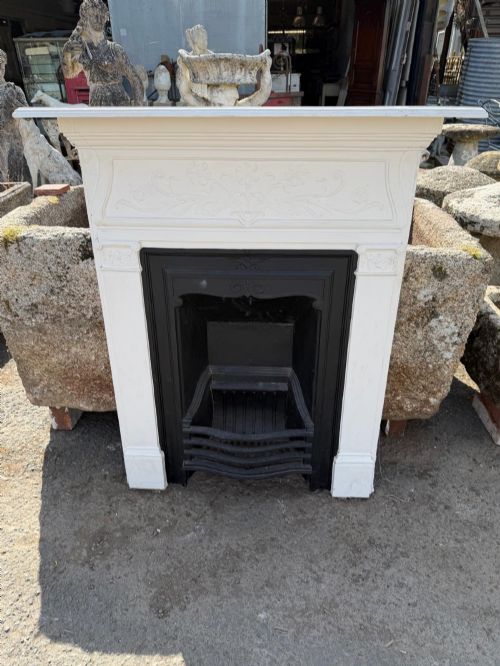
An arched or rectangular opening dictates the shape. Arches dominate earlier Victorian examples, while square openings often signal later Edwardian design.
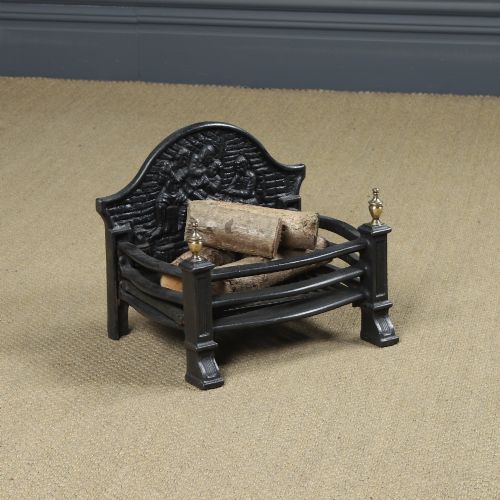
Check the integrated front bars. They kept the burning fuel safely contained within the grate basket.
Many feature a projecting canopy or hood. This component draws the smoke up into the chimney flue above.
Pattern makers carved the initial designs in wood. This required immense skill to ensure the wooden master would pull cleanly from the casting sand.
Assembly relied on hidden bolts and interlocking lugs. Workers bolted the mantel, surround, and grate components together from the back before installation.
Later production simplified the joining process. Combination grates cast the surround, mantel, and firebox as one single heavy piece of iron.
"A small diamond-shaped mark on the back holds a date code. This registration kite mark tells you exactly when the design was first protected."
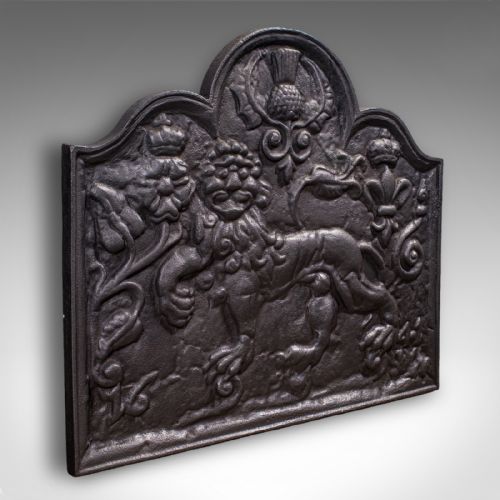
"The sand casting process leaves unique granular textures. No two antique cast iron fireplaces have exactly the same surface grain under their polish."
"Many inserts were designed to be interchangeable. A household could update their tile panels or front bars without removing the whole fireplace from the wall."
Based on almost 25 years of Sellingantiques UK antique market data, Antique Cast Iron Fireplaces appeared 884 times (out of 1,100,000 antiques) which gives it a rarity score of 84/100.
This score measures scarcity within the Sellingantiques archive only and is not a survey of the entire antiques market, so these statistics may not be indicative of the general availability of Antique Cast Iron Fireplaces elsewhere.
Use fine wire wool to gently rub away surface rust. You want to lift the loose oxidation without scratching the solid iron underneath.
Once the rust is gone, apply a thin coat of traditional graphite grate polish with a stiff brush. Buff it to a soft shine using a dry cloth.
Most inserts follow standard proportions, but you must measure your specific opening. The structural brick arch above the recess dictates the maximum height and width you can hold.
Check the depth of your chimney breast too. The rear fireback of the iron insert needs enough space to sit fully inside the cavity without hitting the back wall.
Building codes dictate the size of the modern flue liner you need. This often determines which original fireplaces can safely vent smoke today.
It depends on the casting. Some frames have slotted runners on the back that allow tile sets to slide straight out.
Other older examples have tiles plastered solidly into place. Removing these requires softening the old plaster with water.
A cracked fireback compromises the safety of an open fire. Intense heat will pass through the fissure and can ignite soot or debris trapped behind the iron.
Welders experienced with old cast iron can sometimes repair structural cracks. They heat the whole piece slowly to prevent thermal shock before welding.
If left unrepaired, the fireplace remains suitable for decorative purposes only.
Please note: This Antique Cast Iron Fireplaces guide and its associated pricing data are provided for general informational purposes only. It does not constitute formal financial, investment, or appraisal advice and should not be relied upon as the sole basis for any commercial activity, purchasing, or sales decisions. Sellingantiques.co.uk accepts no liability for any actions taken in reliance on this information. Always consult with a qualified professional or independent appraiser.
