


A 2026 Guide by Sellingantiques
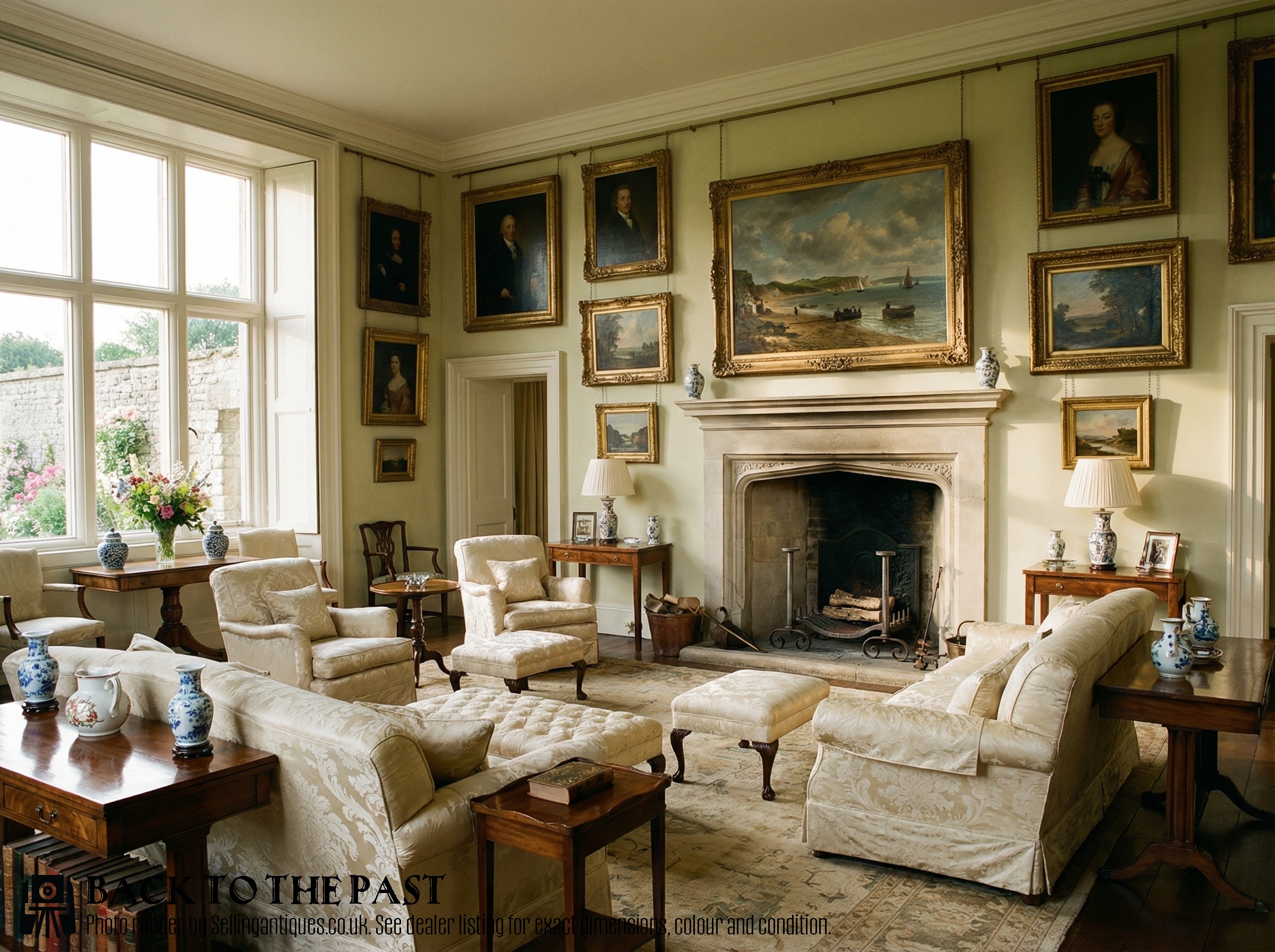
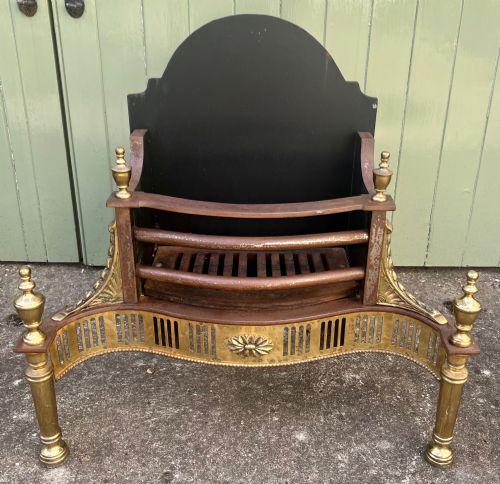
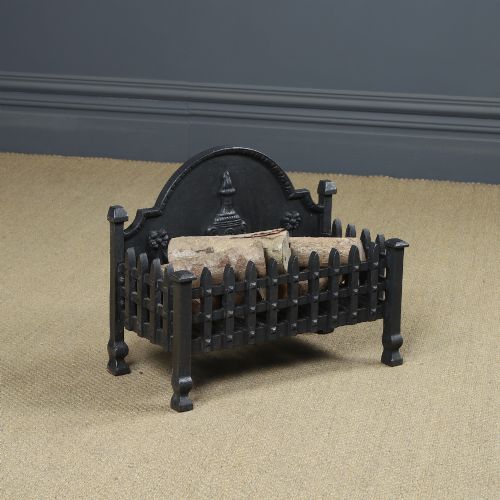
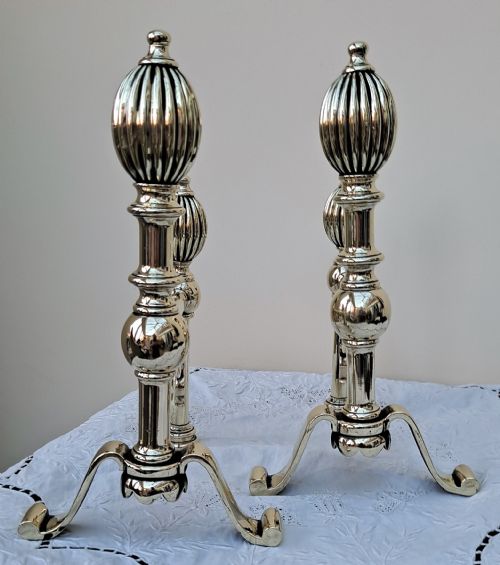
Very Large Heavy Iron Andirons, Fire Dogs and Grate, 19th Century
Priced at £1,250 from Elmgarden
Early hearths burned logs on flat stones before elevated iron baskets arrived.
Coal replaced wood in British towns during the seventeenth century. Narrower bars were needed to hold the smaller fuel.
Remember that antique fire grates evolved alongside chimney design. Count Rumford changed the shape of fireplaces, forcing baskets to become shallower.
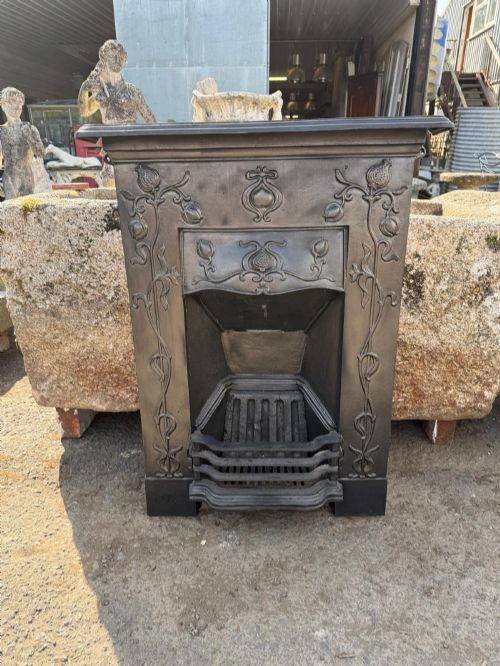
Victorian foundries mass-produced them later on. Cast iron patterns became heavily ornamented.
Carron Company operated in Scotland from 1759. They produced thousands of cast iron grates and distinct hob registers.
Coalbrookdale is another major foundry. Active throughout the nineteenth century, their casting marks often appear on the reverse of the backplate.
Thomas Elsley made heavy architectural hardware and grates in the late nineteenth and early twentieth centuries.
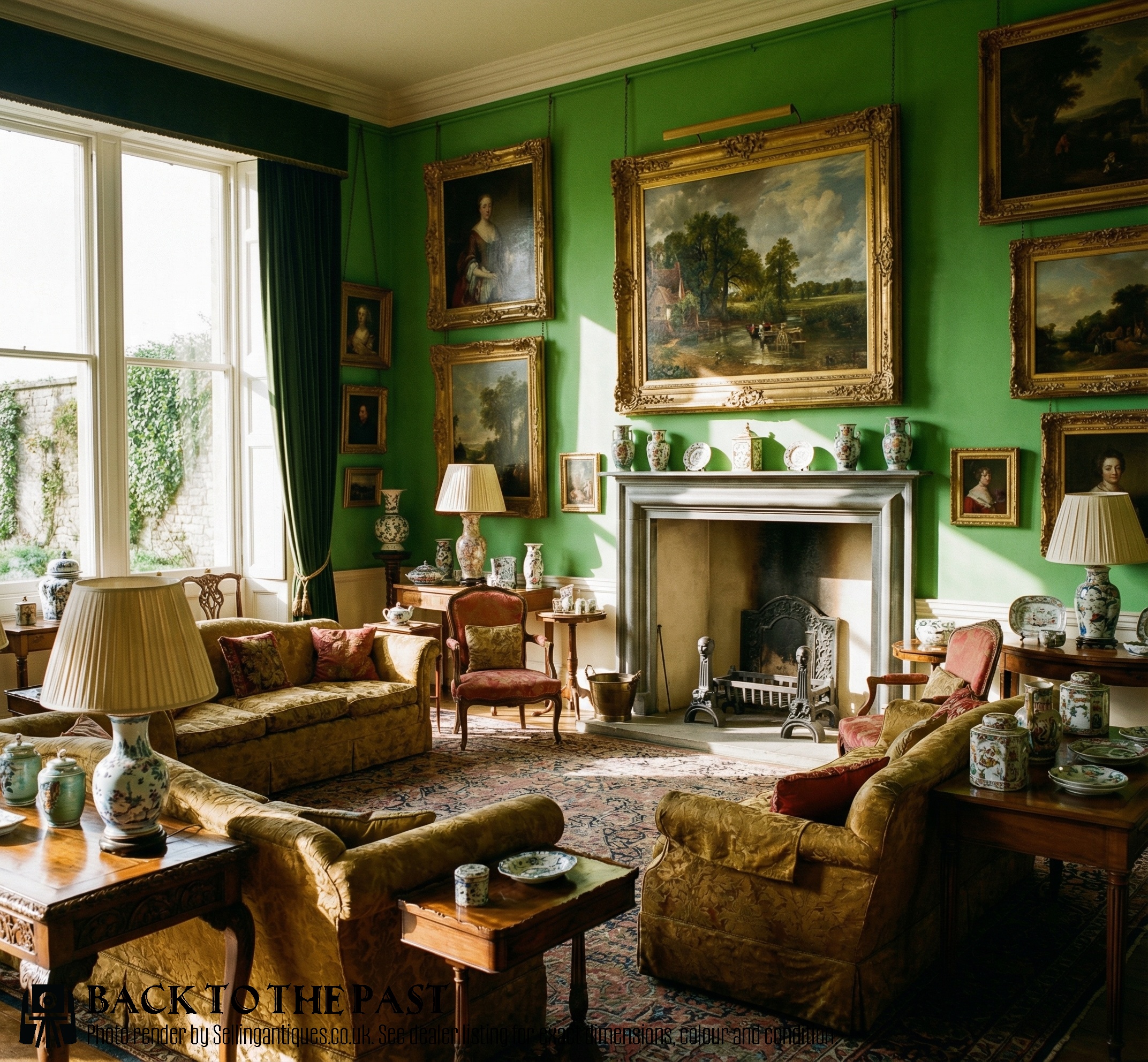
Very Heavy 19th Century Inglenook Fire Grate on Andirons, 1880
Priced at £1,250 from Elmgarden
The 2026 retail price guide for Antique Fire Grates is drawn from a proprietary archive of over 1.1 million retail prices indexed by Sellingantiques since 2003. This guide relies exclusively on their own internal data; no external sources or auction records are used.
Analysing nearly 25 years of UK antique market history alongside current retail values, the data indicates that typical UK retail prices for Antique Fire Grates range between £500 and £1,800. Entry-level prices generally fall under £500 and premium examples upwards of £1,800.
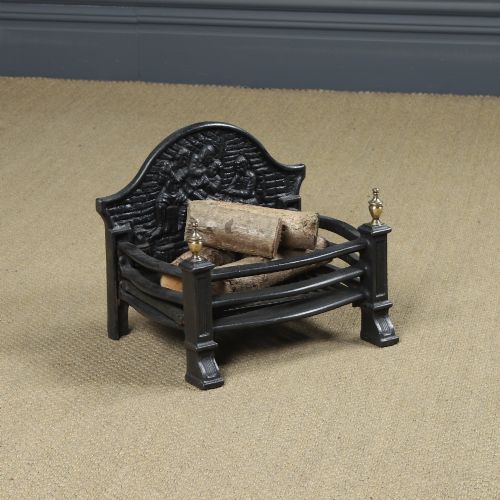
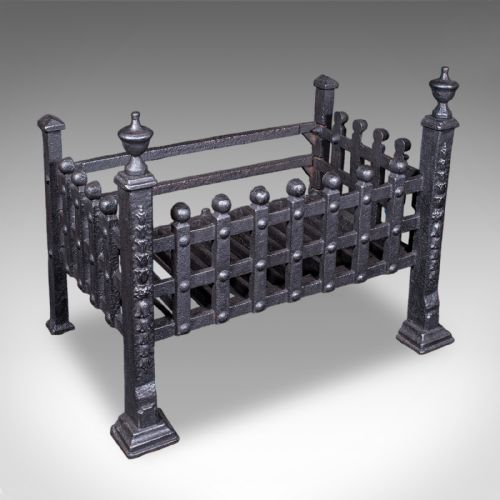
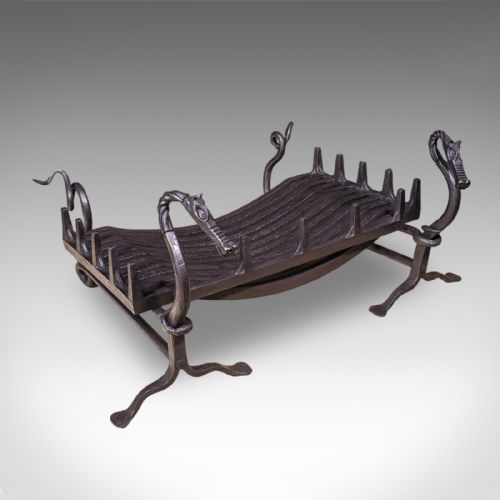
The central basket is the core element. This section holds the actual fire and dictates the fuel type.
Decorative front legs often feature classical urns or simple pad feet.
Integral cast iron firebacks sometimes form part of the structure. They absorb heat and protect the brickwork behind.
Early wrought iron required constant heating and hammering at the forge. Smiths twisted square bars to add visual interest without weakening the metal.
Sand casting transformed the trade. Carved wooden patterns left their impression in damp sand before the liquid iron was poured.
Notice how the front aprons on later antique fire grates simply bolt onto the main cast body.
"Polished steel examples were often reserved for drawing rooms. Maids spent hours buffing them to keep the damp summer air from rusting the surfaces."
"Wide flat hobs on either side of the basket kept kettles warm."
"Some large Georgian grates feature removable finials. This allowed the domestic staff to lift the heavy basket out for thorough cleaning."
Based on almost 25 years of Sellingantiques UK antique market data, Antique Fire Grates appeared 371 times (out of 1,100,000 antiques) which gives it a rarity score of 93/100.
This score measures scarcity within the Sellingantiques archive only and is not a survey of the entire antiques market, so these statistics may not be indicative of the general availability of Antique Fire Grates elsewhere.
Start with the width of your chimney opening. You'll need clearance on both sides of the grate for air to circulate and to avoid cracking the surrounding brickwork.
Take the depth into account as well. A grate that sits too far forward will send smoke into the room instead of up the flue.
The chimney dictates what you can fit. A simple open hole usually needs a freestanding basket or a dog grate. The smoke gathers in the canopy above before rising.
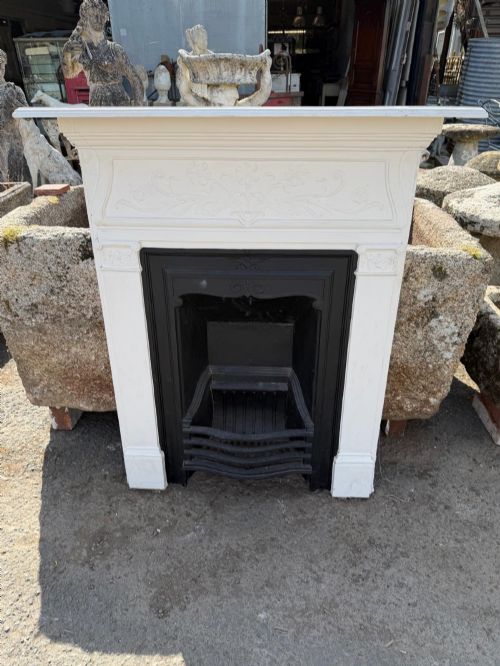
Hob grates and register grates need bricking in. They're built into the masonry, which forces the draught through a specific route to clear the smoke properly.
Most antique fire grates were designed for coal. Their narrow bars hold small lumps together to maintain the heat.
You can burn logs if the basket is deep enough. Wood needs a bed of ash to burn well.
Damp air is the main enemy of polished steel. If the room is unheated or the chimney lacks a cap, moisture will settle on the bright metal and surface rust will form in days.
Regular use keeps the metal dry. Over the summer months, applying a light coat of oil or special wax stops the damp from reaching the bare steel.
Please note: This Antique Fire Grates guide and its associated pricing data are provided for general informational purposes only. It does not constitute formal financial, investment, or appraisal advice and should not be relied upon as the sole basis for any commercial activity, purchasing, or sales decisions. Sellingantiques.co.uk accepts no liability for any actions taken in reliance on this information. Always consult with a qualified professional or independent appraiser.
