


A 2026 Guide by Sellingantiques
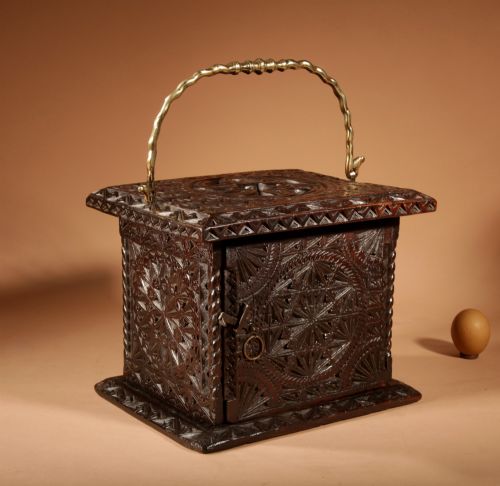
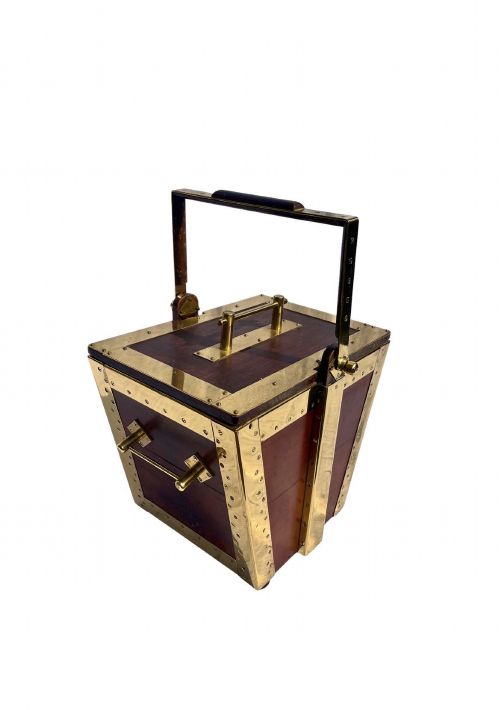
Unusual Antique Victorian Quality Walnut and Brass Coal Box, 1880
Priced at £465 from Unique Antiques by Emma Jade
Open fires heated most Victorian rooms. Every fireplace needed a fuel supply close at hand.
Carrying loose lumps across carpets created mess. Antique coal boxes solved the problem by storing dirty fuel inside a neat wooden or brass shell.
Look out for purdoniums. A specific type featuring a removable metal liner.
Demand dropped when central heating became standard. Gas and electric fires made the hearthside fuel dump redundant.
Identifying a specific maker of an antique coal box proves difficult. Most bear no stamp or label.
Town ironmongers and local cabinet makers supplied most of these items. Regional trade dominated.
Benham and Froud made solid brass and copper metalwork. Look for their orb and cross trade mark stamped on the base.
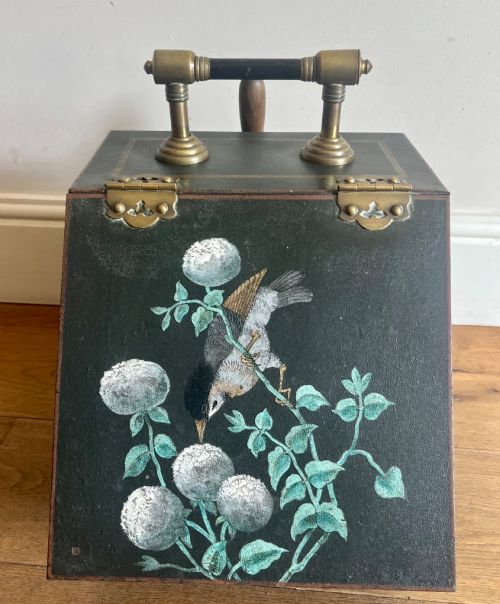
Wonderful Quality Antique Victorian Inlaid Rosewood Coal Box, 1880
Priced at £595 from Unique Antiques by Emma Jade
The 2026 retail price guide for Antique Coal Boxes is drawn from a proprietary archive of over 1.1 million retail prices indexed by Sellingantiques since 2003. This guide relies exclusively on their own internal data; no external sources or auction records are used.
Analysing nearly 25 years of UK antique market history alongside current retail values, the data indicates that typical UK retail prices for Antique Coal Boxes range between £200 and £700. Entry-level prices generally fall under £200 and premium examples upwards of £700.
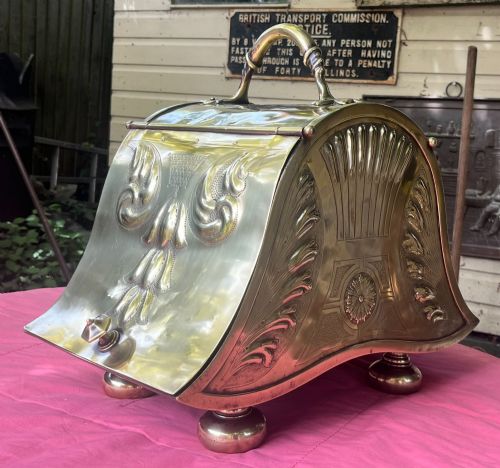
Sloped fronts are standard. The angled lid drops down to allow easy access with a small shovel.
Heavy brass handles sit on the top or sides. They helped maids lift the load from the cellar.
Turn it over to look at the base. Small bun feet or brass castors keep the box off damp floors.

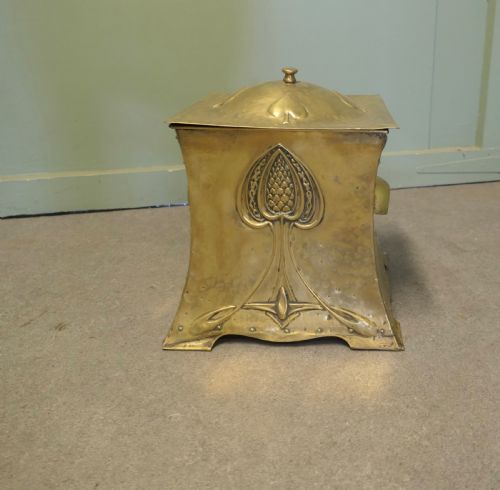
Arts and Crafts Copper Coal Purdonium Bucket Store Box Scuttle. C1880., 19th Century
Priced at £250 from CJ Antiques
Cabinet makers constructed the wooden carcase using standard dovetail joints for strength. The heavy load required sturdy corners.
Sheet metal workers formed the brass varieties. They folded and riveted the edges before hammering a decorative relief.
Hinges shifted from simple iron straps on early boxes to neat brass butts on late Victorian versions.
"The flat top surfaces provided an extra shelf. Parlour maids often used them to stand a candlestick."
"Many surviving examples now hold logs instead. The metal liners adapt easily for modern wood-burning stoves."
"Small internal ledges sit inside the lid. These catch ash before it spills onto the rug."
Based on almost 25 years of Sellingantiques UK antique market data, Antique Coal Boxes appeared 464 times (out of 1,100,000 antiques) which gives it a rarity score of 91/100.
This score measures scarcity within the Sellingantiques archive only and is not a survey of the entire antiques market, so these statistics may not be indicative of the general availability of Antique Coal Boxes elsewhere.
Dust the surface with a soft cloth first. Abrasive cleaners scratch the soft brass.
Use a mild metal polish sparingly on tarnished areas. Apply with a cotton rag and buff gently.
It is a wooden coal container with a removable metal liner. A man named Purdon registered the design in the mid-nineteenth century.
The lift-out bucket meant servants could fetch fuel easily. They managed the chore without carrying the heavy decorative outer case down to the cellar.
That bracket held the matching hand shovel. Most wooden examples originally came with a short-handled scoop used to feed the fire.
Servants slid the shovel into the slot to keep it out of sight. They frequently get separated from the main unit over decades of house moves.
Replacement shovels of the right era appear frequently on the market. Period brass or wooden-handled scoops fit the standard brackets.
Coal dust leaves a dark residue that works its way into the pores of wood and unpainted metal. The smell lingers in the corners.
Take the liner out if it has one. Wash it with warm soapy water and leave it to dry in the fresh air for a few days.
Place a bowl of baking soda inside the empty carcase and close the lid. The powder absorbs stale odours without damaging the timber.
Please note: This Antique Coal Boxes guide and its associated pricing data are provided for general informational purposes only. It does not constitute formal financial, investment, or appraisal advice and should not be relied upon as the sole basis for any commercial activity, purchasing, or sales decisions. Sellingantiques.co.uk accepts no liability for any actions taken in reliance on this information. Always consult with a qualified professional or independent appraiser.
