





A 2026 Guide by Sellingantiques
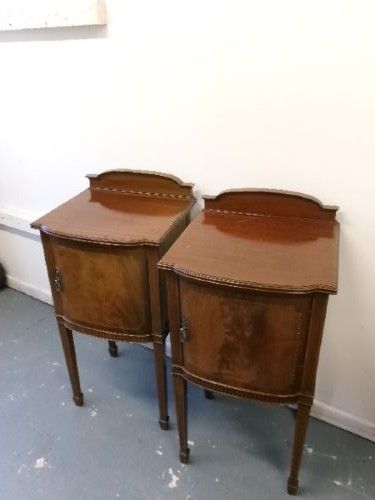
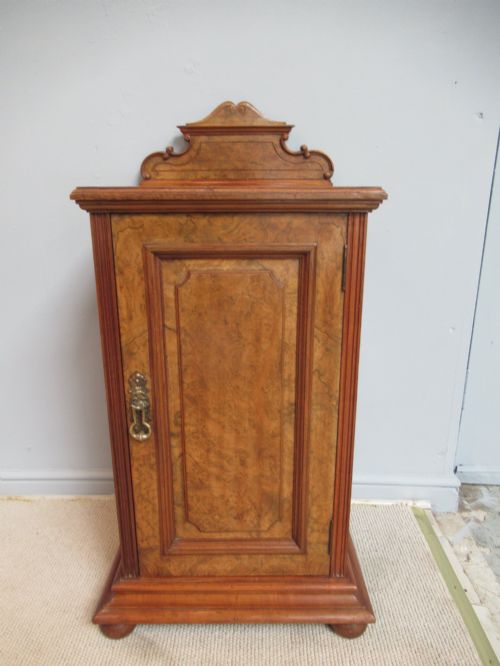
Superb Mahogany Cupboard, 1850
Priced at £545 from A and B Antiques
Georgian households needed a discreet place for night-time necessities. Antique pot cupboards solved the problem of keeping the chamber pot accessible but hidden.
Stand them beside the bed. The height was designed to match a typical mattress level for easy reach in the dark.
Most Victorian bedrooms had at least one. They were standard issue in boarding houses and private homes alike.
Later on, plumbing changed everything. Once bathrooms moved indoors, these small cabinets were repurposed as simple nightstands.
Thomas Chippendale supplied mahogany examples to grand country houses. His firm accounts list them as night tables during the 1770s.
Gillows of Lancaster turned out hundreds. Their stamped pieces often feature neat tambour fronts rather than hinged doors.
Regional tradesmen produced the vast majority. Without stamps or labels, identifying the specific workshop for a country-made antique pot cupboard is rarely possible.
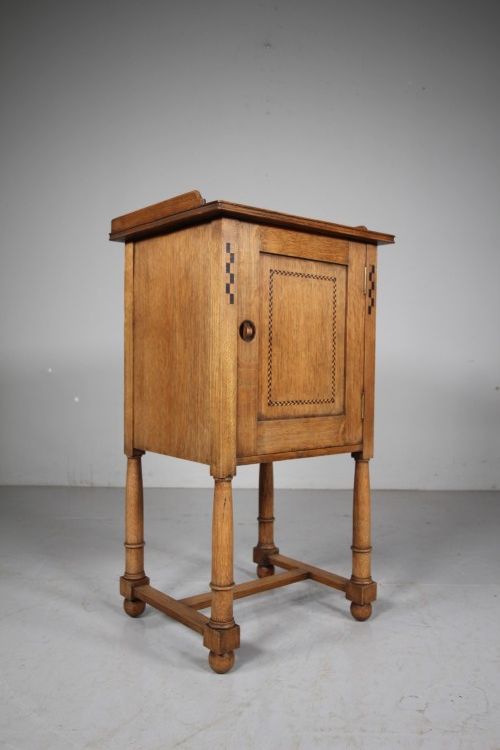
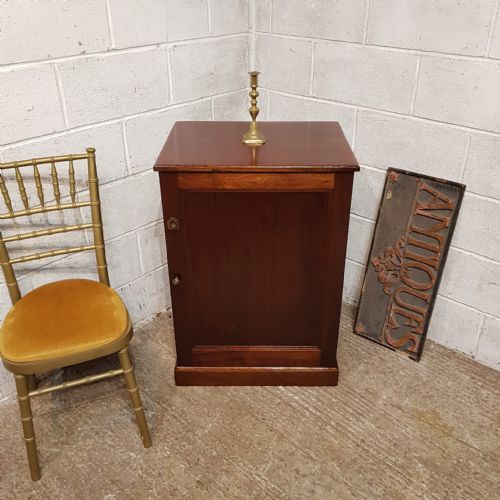
Mahogany Cylinder Cabinet, 1880
Priced at £495 from Athey Antiques
The 2026 retail price guide for Antique Pot Cupboards is drawn from a proprietary archive of over 1.1 million retail prices indexed by Sellingantiques since 2003. This guide relies exclusively on their own internal data; no external sources or auction records are used.
Analysing nearly 25 years of UK antique market history alongside current retail values, the data indicates that typical UK retail prices for Antique Pot Cupboards range between £300 and £1,500. Entry-level prices generally fall under £300 and premium examples upwards of £1,500.
A single solid door is the main giveaway. It swings open to reveal a single void big enough to hold the vessel.
Look for a raised gallery around the top edge. A simple barrier to stop candlesticks sliding off in the dark.
Pierced carrying handles often sit cut into the side panels. They allowed housemaids to move the heavy cupboards easily during morning rounds.
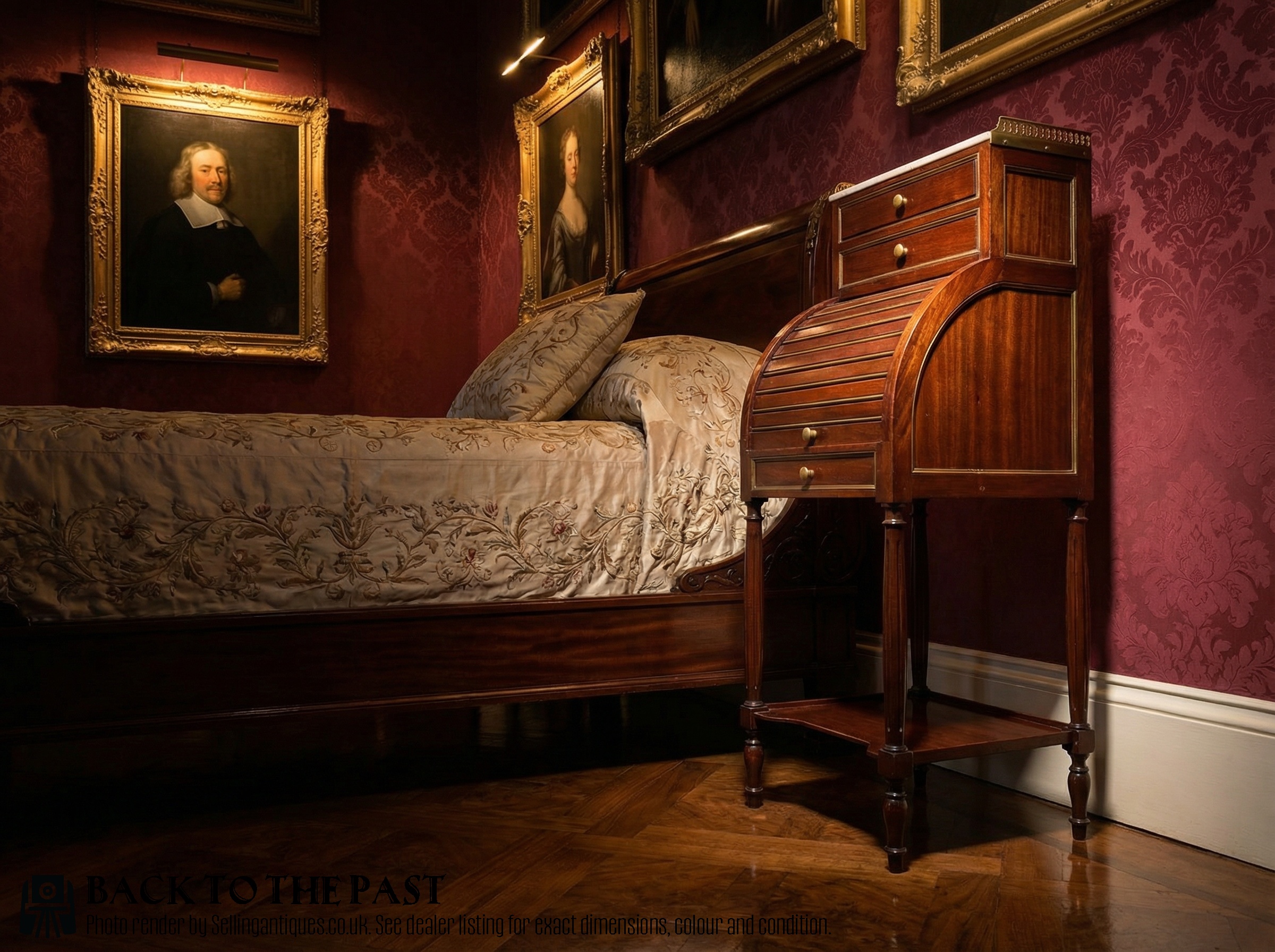
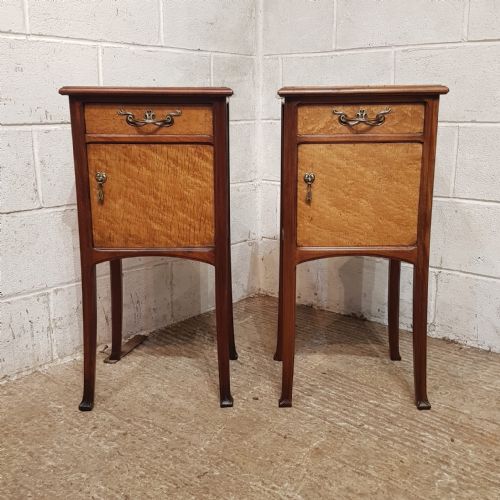
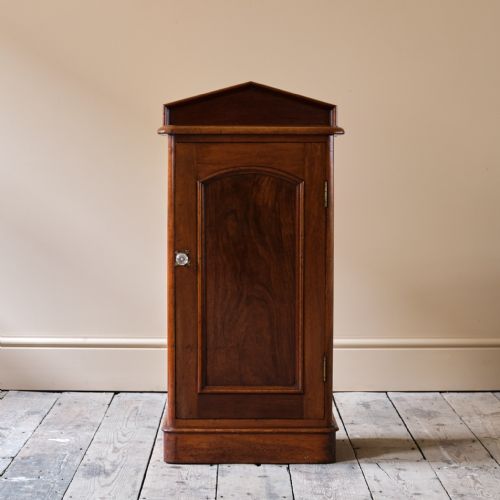
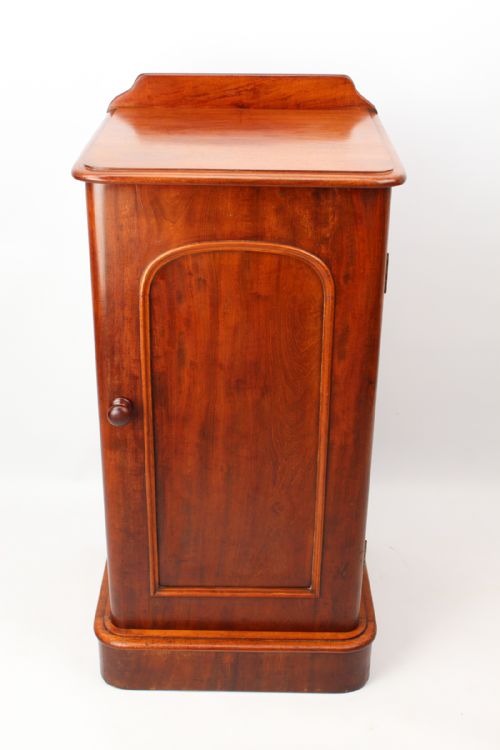
French Mahogany Roll Top Pot Cupboard, Victorian
Priced at £495 from Sinclairs Antiques and Interiors
Early Georgian pot cupboards sit on slender turned legs. The cabinet box floats quite high off the ground.
Notice the joints on the drawers. Hand-cut dovetails are standard on pre-1900 pieces.
Victorian makers preferred bulkier designs. Legs were dropped as the trade moved towards heavy plinth bases and thicker cuts of solid timber.
"Some clever designs include a false drawer front. The handle looks like a pull but hinges outward to reveal the hidden compartment."
"Tray tops were often shaped with quite intricate cut-outs. These gave the piece a lighter appearance while keeping bedside items secure."
"Many double up as step stools. Certain Georgian models feature a pull-out lower section covered in leather to help owners climb into high beds."
Based on almost 25 years of Sellingantiques UK antique market data, Antique Pot Cupboards appeared 1851 times (out of 1,100,000 antiques) which gives it a rarity score of 69/100.
This score measures scarcity within the Sellingantiques archive only and is not a survey of the entire antiques market, so these statistics may not be indicative of the general availability of Antique Pot Cupboards elsewhere.
Dust the surfaces with a soft dry cloth. Avoid spray polishes because they build up a sticky residue over time.
Feed the timber once a year with a good quality beeswax. Apply it sparingly with a soft rag, leave it for twenty minutes, and buff it back to a shine.
Wood moves across the seasons. High humidity often causes a solid timber door to swell and bind against its frame. This happens often if the cabinet spent time in a damp outbuilding before you bought it.
Move the piece into a dry room and wait a few weeks. Check the hinges if the door still catches. Worn brass hinge pins can cause the door to drop slightly and drag on the bottom edge.
It is a flexible wooden screen made of narrow strips glued to a heavy cloth backing. The screen slides along a curved track cut into the carcase.
Cabinetmakers used them to save space in tight bedrooms. A sliding tambour requires no clearance to swing open.
Yes, that circular cut-out was designed to hold a specific wash basin or chamber pot securely in place. The rim of the ceramic vessel rested on the shelf edge, stopping it from tipping when the cupboard was moved.
Many antique pot cupboards have lost their original fittings. Dealers sometimes fill the hole with a replacement piece of timber to make the shelf flat and usable for modern storage.
Please note: This Antique Pot Cupboards guide and its associated pricing data are provided for general informational purposes only. It does not constitute formal financial, investment, or appraisal advice and should not be relied upon as the sole basis for any commercial activity, purchasing, or sales decisions. Sellingantiques.co.uk accepts no liability for any actions taken in reliance on this information. Always consult with a qualified professional or independent appraiser.
