

A 2026 Guide by Sellingantiques
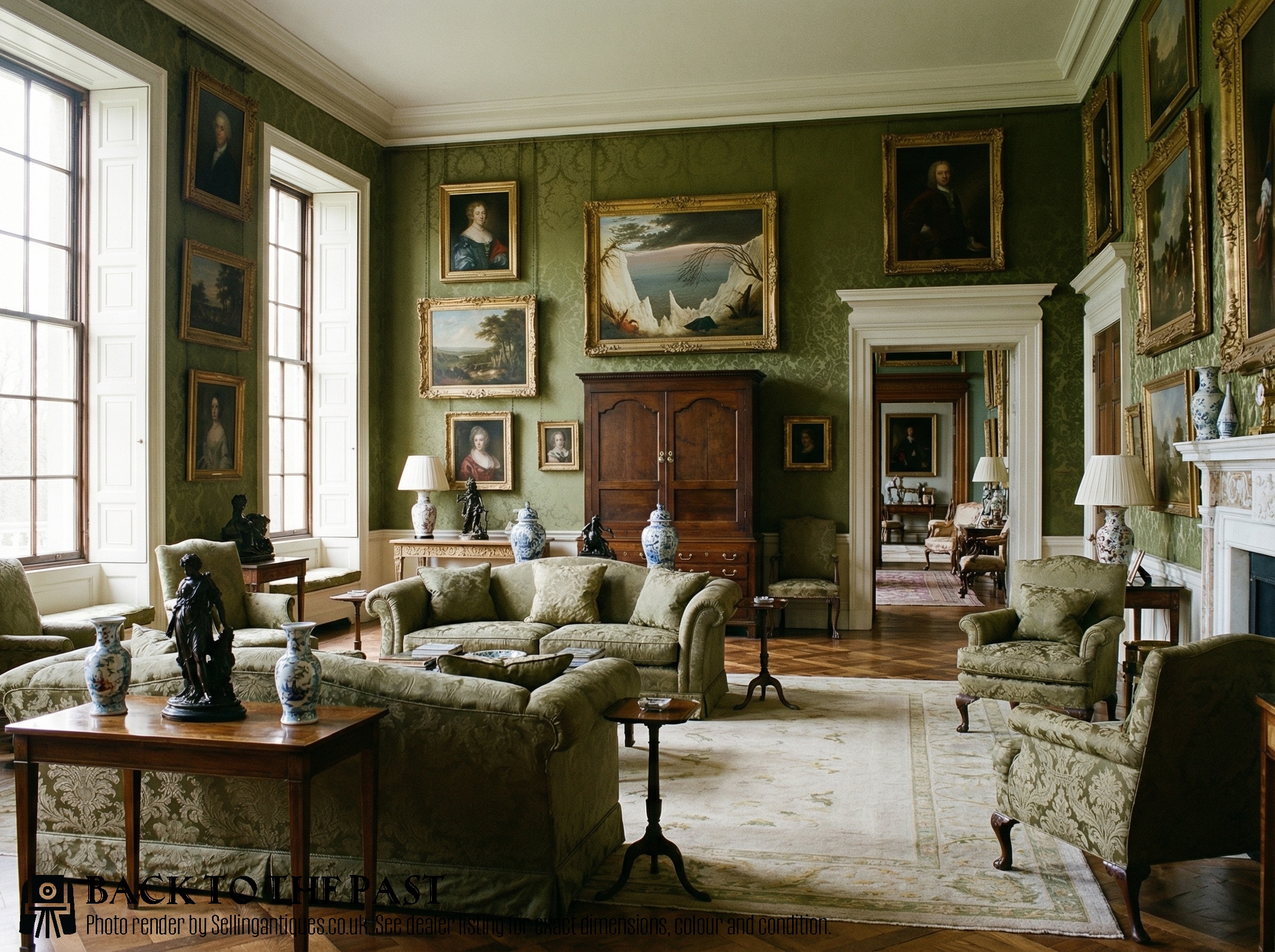
18th Century Georgian Welsh Oak Linen Press Cupboard., 18th Century
Priced at £2,300 from Dickinsons Antiques
Wealthy households amassed huge stocks of textiles before the nineteenth century. Storing all those sheets required dedicated furniture.
Built-in closets only became common later on. Until then, large freestanding antique linen cupboards did the heavy lifting.
Regional variations emerged quickly across Britain. Dutch and German forms also influenced local cabinetmakers heavily during the seventeenth century.
Press cupboards often evolved into these larger storage units.
Look at the internal depth. Most were made deep enough to take thick woollen blankets folded flat.
Documented names rarely attach to everyday antique linen cupboards. Most came from anonymous provincial joiners serving local gentry.
Consider Gillows of Lancaster. They produced many examples during the late eighteenth century, supplying large northern estates.
Estate workshops knocked together many plainer versions. The local carpenter used whatever seasoned timber the estate provided.
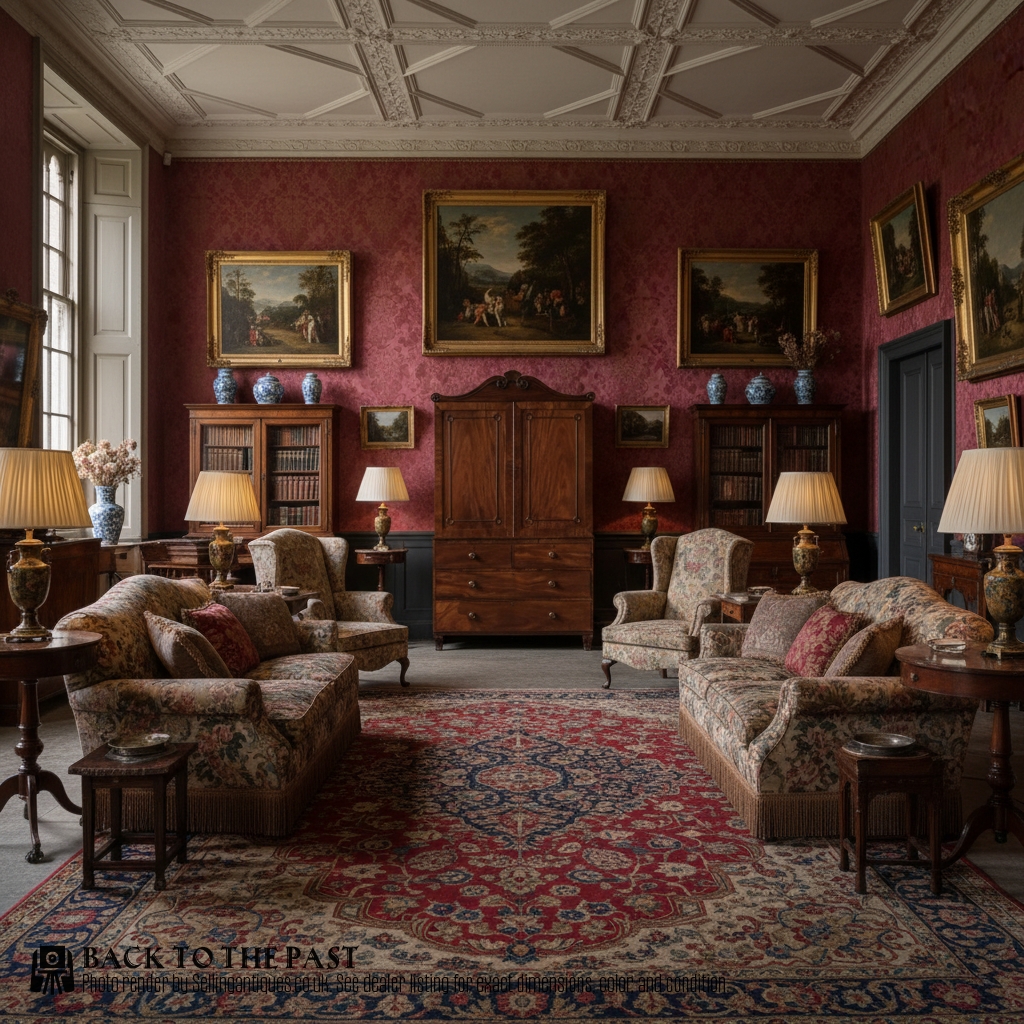
Late Regency Mahogany Linen Press Cupboard, 19th Century
Priced at £1,250 from LTANTIQUES.CO.UK
The 2026 retail price guide for Antique Linen Cupboards is drawn from a proprietary archive of over 1.1 million retail prices indexed by Sellingantiques since 2003. This guide relies exclusively on their own internal data; no external sources or auction records are used.
Analysing nearly 25 years of UK antique market history alongside current retail values, the data indicates that typical UK retail prices for Antique Linen Cupboards range between £900 and £3,500. Entry-level prices generally fall under £900 and premium examples upwards of £3,500.
Wide sliding trays frequently sit behind the upper doors. Pulling them forward let servants reach the sheets at the back.
Drawers usually fill the lower half. Sometimes they are dummy fronts masking a single deep bin.
Notice the cornice. A heavy overhanging top moulding deflects dust away from the doors below.

Georgian Mahogany Low Linen Press, Georgian
Priced at £1,500 from Athey Antiques
Early seventeenth-century joiners framed their panels loosely. This allows the wide timber to shrink and swell across the seasons.
Cabinetmakers shifted to dovetailed carcases later. Hiding the joints under veneers created a flatter facade.
Feel the runners underneath the drawers. Good workshops shaped them carefully to spread the friction of a heavy load.
"Some hide secret compartments behind the cornice moulding. Families used these hidden voids to stash silver away from thieves."
"Cedar linings retain their scent for centuries. Moths hate it, keeping the textiles safe naturally."
"Modular examples easily come apart into three sections. Moving them up tight winding staircases was a deliberate design feature."
Based on almost 25 years of Sellingantiques UK antique market data, Antique Linen Cupboards appeared 4771 times (out of 1,100,000 antiques) which gives it a rarity score of 39/100.
This score measures scarcity within the Sellingantiques archive only and is not a survey of the entire antiques market, so these statistics may not be indicative of the general availability of Antique Linen Cupboards elsewhere.
Start with a dry cloth. Wipe away the loose dust that settles in the corners and along the drawer runners.
If the boards feel sticky, a cloth lightly dampened with mild soapy water works. Dry the timber straight away so moisture doesn't soak into the grain.
Leave the doors open for a few hours. The fresh air removes lingering dampness before you put your fabrics back in.
Wax is your best friend here. You'll want to rub a standard beeswax polish along the wooden runners underneath the drawer.
Apply a little to the sides where they rub against the carcase. It acts as a dry lubricant and gets things moving smoothly again.
Antique linen cupboards handle weight very well. The shelves and trays were built to carry stacks of dense fabrics.
Just check the condition of the drawer bottoms. If the timber has split or dropped over time, heavy winter jumpers might push the boards out of their grooves.
It doesn't always mean the piece was altered. Many country makers used fixed shelves from the start to keep construction simple.
Town workshops preferred sliding trays for convenience. If you see empty runners scored into the sides of the carcase, they've probably lost their original trays somewhere along the way.
Please note: This Antique Linen Cupboards guide and its associated pricing data are provided for general informational purposes only. It does not constitute formal financial, investment, or appraisal advice and should not be relied upon as the sole basis for any commercial activity, purchasing, or sales decisions. Sellingantiques.co.uk accepts no liability for any actions taken in reliance on this information. Always consult with a qualified professional or independent appraiser.
