


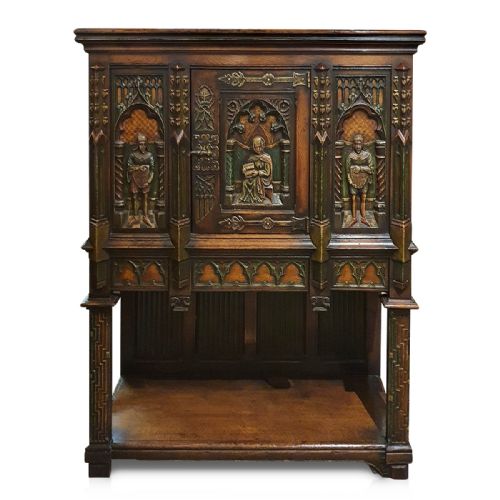


A 2026 Guide by Sellingantiques
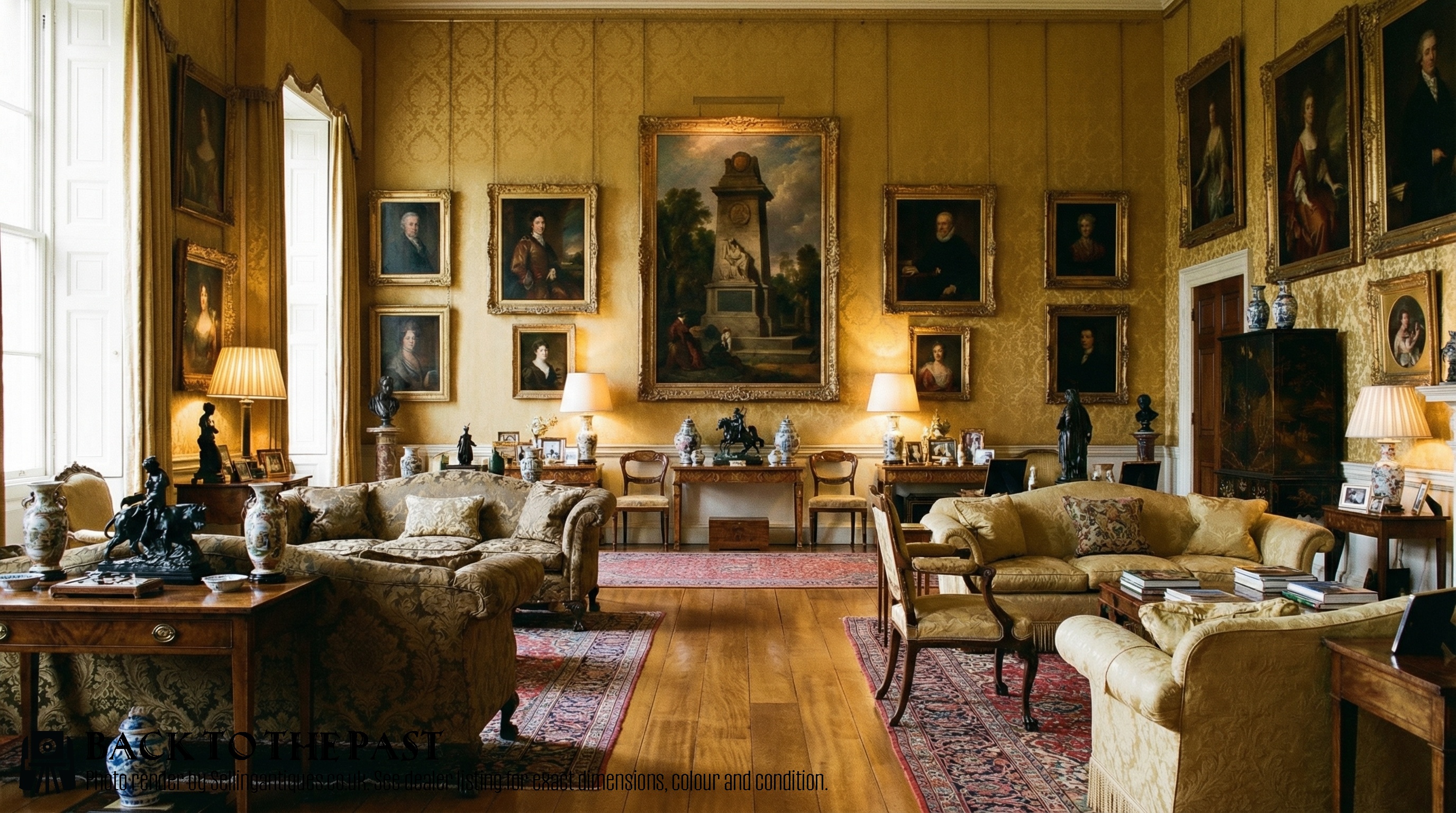
Chinoiserie Lacquer Cabinet on Stand, 19th Century
Priced at £1,400 from Midwinter Antiques
Emerged during the late seventeenth century as households sought smarter storage solutions.
Put the heavy section on legs and you let more light circulate around dimly lit rooms, keeping linens safely elevated away from cold flagstone floors.
Styles shifted from heavy oak joinery to lighter walnut veneers by the William and Mary period.
Look at the base legs to date an antique cupboard on stand. Trumpet profiles generally predate the later cabriole shapes that became popular under Queen Anne.
Documented makers for a standard antique cupboard on stand are scarce, leaving most pieces unattributed.
Regional workshops produced the vast bulk of these across rural England. They relied on local timber and traditional joinery rather than following the latest pattern books.
Handled by small teams. Town cabinet-makers built the complex veneered examples together, so individual signatures rarely appear on the wood.
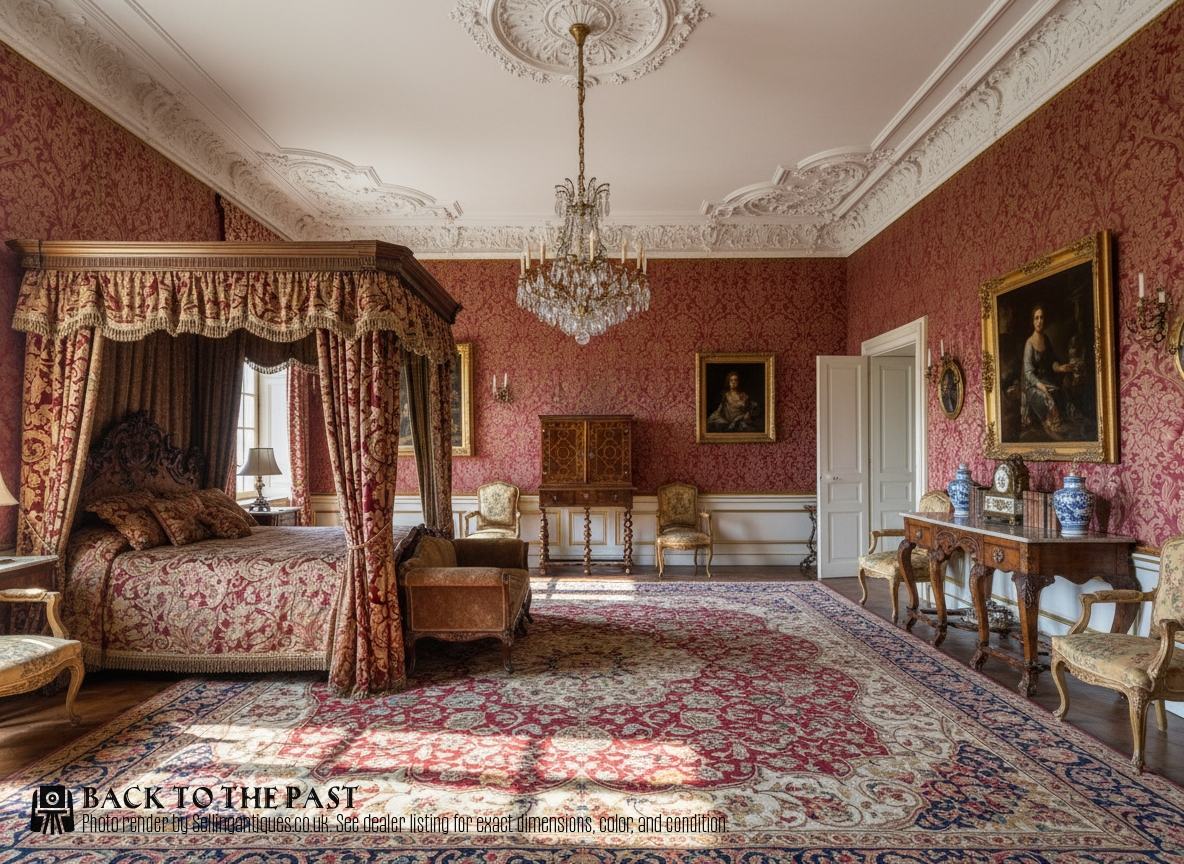
William & Mary Walnut Oyster Veneer Cabinet on Stand, 1700
Priced at £19,500 from Treaders Collectables
The 2026 retail price guide for Antique Cupboard On Stand is drawn from a proprietary archive of over 1.1 million retail prices indexed by Sellingantiques since 2003. This guide relies exclusively on their own internal data; no external sources or auction records are used.
Analysing nearly 25 years of UK antique market history alongside current retail values, the data indicates that typical UK retail prices for Antique Cupboard On Stand range between £300 and £2,300. Entry-level prices generally fall under £300 and premium examples upwards of £2,300.
Two distinct sections. The top cabinet simply rests on the legged base without any permanent fixings holding them together.
Flat overhanging cornices sit right at the top of the carcase.
Expect to find a shaped wooden stretcher connecting the lower legs on earlier examples, providing essential rigidity to the tall frame.
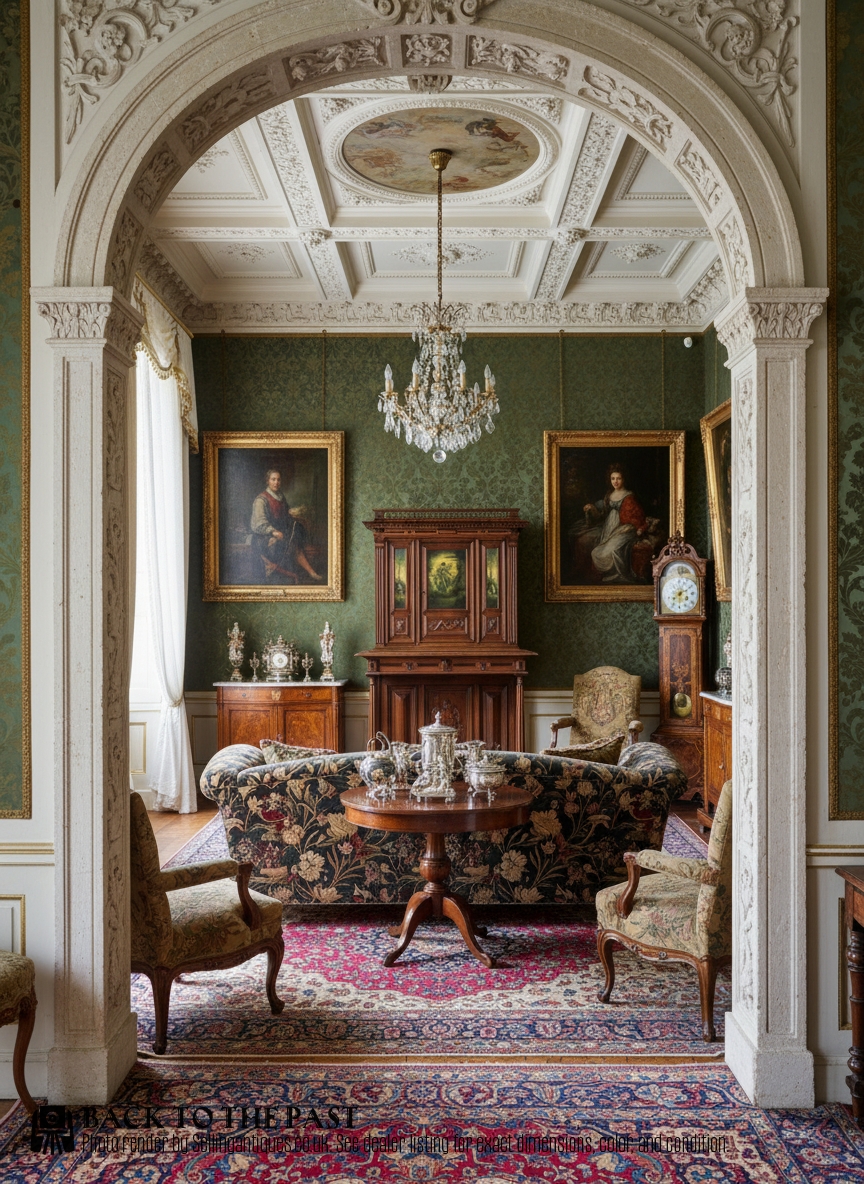
Walnut Carved Cabinet on Stand, 19th Century
Priced at £2,495 from Shackladys Antiques
Stout mortise and tenon frames. Early joiners built these robust structures using wooden pegs to lock the joints tight.
Cabinet-making brought a new approach. Thin saw-cut veneers laid over wide boards using hot animal hide glue replaced the heavier solid panelling of the previous century.
Pull out the base drawers to check the joints. They shift from thick nailed boards to fine hand-cut dovetails over the decades.
"Easy to move. The top box just lifts right off the lower frame, making transport simple."
"Search the interior carefully. Hidden secret drawers often sit concealed behind the central architectural arches of the fitted shelves, providing a secure spot for private papers."
"The raised height meant the household dogs and pests couldn't reach the food or linens stored inside."
Based on almost 25 years of Sellingantiques UK antique market data, Antique Cupboard On Stand appeared 31676 times (out of 1,100,000 antiques) which gives it a rarity score of 1/100.
This score measures scarcity within the Sellingantiques archive only and is not a survey of the entire antiques market, so these statistics may not be indicative of the general availability of Antique Cupboard On Stand elsewhere.
You'll transport them in two separate trips. The top cupboard section sits loose on the base frame, held steady only by its own weight or a small internal wood lip.
Always lift the top straight up and off before trying to move the piece through a doorway. Carrying the whole thing fully assembled puts dangerous stress on the fragile base legs.
Uneven floors do cause problems for rigid wooden bases with multiple legs. An antique cupboard on stand relies on all four or six legs making solid contact with the floor to remain stable.
You can fix a minor wobble by sliding a small wedge or leather offcut under the hovering foot. If the piece rocks heavily, you might need to adjust its position in the room to find a flatter patch of floorboards.
They're mostly robust enough to hold standard modern tableware. The solid oak examples built by country joiners take heavy loads without trouble.
Veneered walnut pieces need a gentler touch. The interior shelves on those are often much thinner, so you have to spread the weight around.
Sticking doors often mean the wooden carcase has shifted slightly out of square over the years. Check that the base stands level, as twisting the frame translates straight up into the door hinges.
You can ease a stubborn wooden edge by rubbing a wax candle along the binding contact points. If the brass hinges squeak, a single drop of light oil works into the metal pin and stops the noise.
Sometimes the wood swells in damp weather. Give it a few weeks in a dry room before taking any sandpaper to the door edges.
Please note: This Antique Cupboard On Stand guide and its associated pricing data are provided for general informational purposes only. It does not constitute formal financial, investment, or appraisal advice and should not be relied upon as the sole basis for any commercial activity, purchasing, or sales decisions. Sellingantiques.co.uk accepts no liability for any actions taken in reliance on this information. Always consult with a qualified professional or independent appraiser.
