
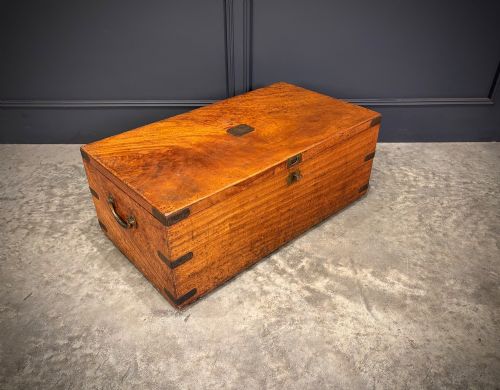


A 2026 Guide by Sellingantiques
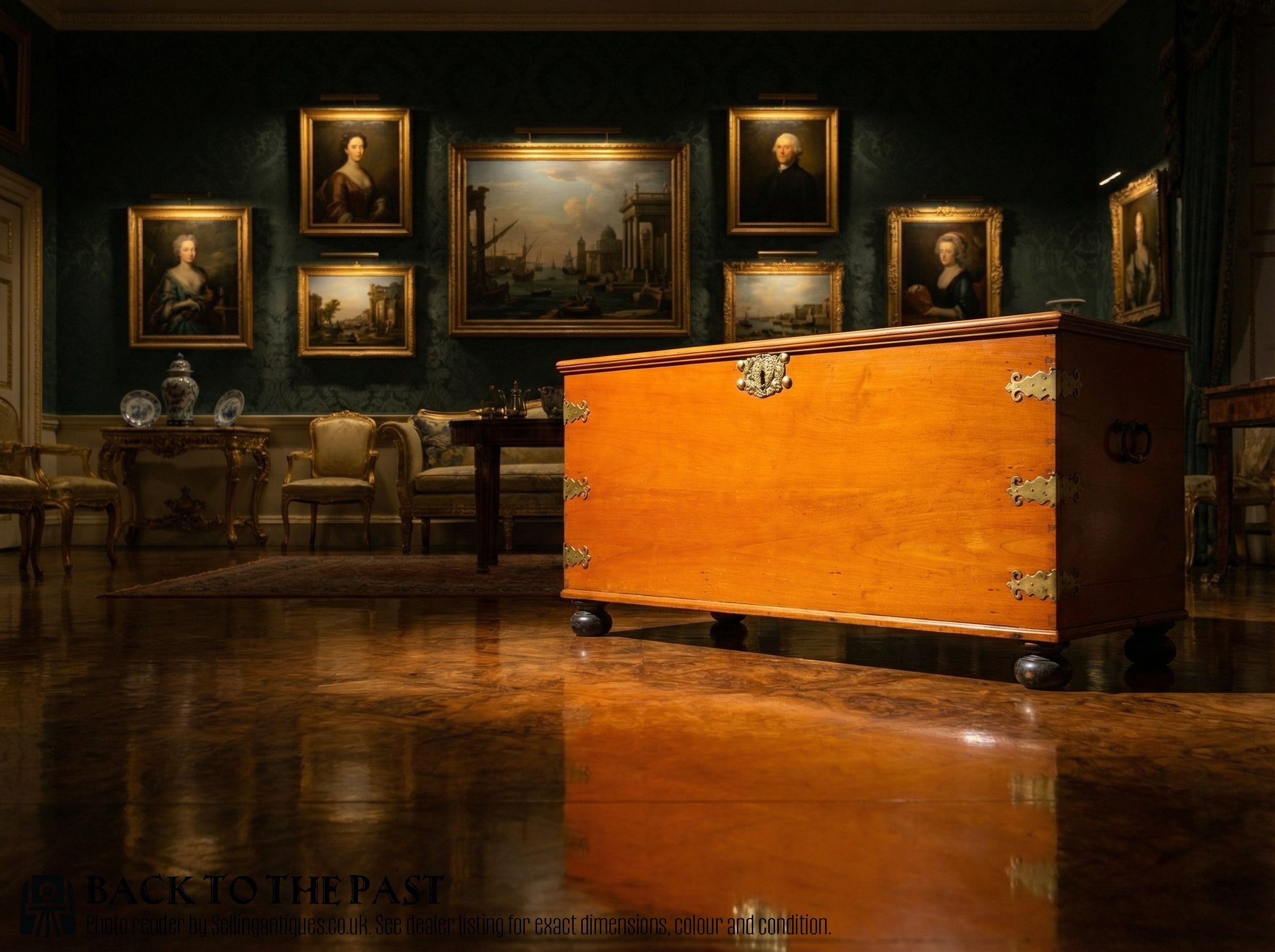
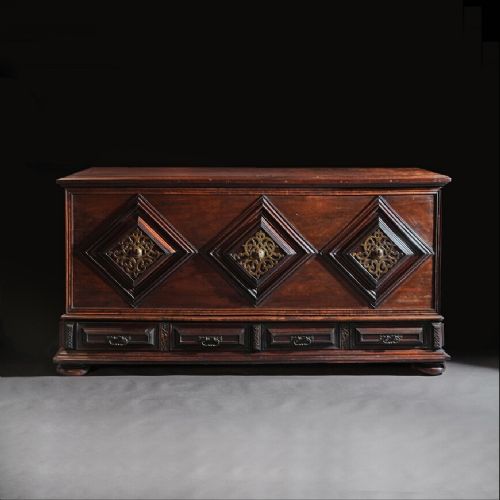
Large 18th Century Walnut Colonial Chest Circa 1790, 18th Century
Priced at £1,300 from Whites Antiques
Early European settlers needed robust storage for the long journey out and their new homes.
Local craftsmen soon blended imported European styles with native traditions when building antique colonial chests.
Look for strong regional differences across the global trade routes, especially between the Americas, India and the Dutch East Indies.
Trade winds and merchant routes dictated the movement of these heavy storage pieces across oceans.
Few of these ever bear a maker mark, as they were mostly produced by anonymous ships carpenters and local workshop artisans.
Batavia acted as a major centre for production under the Dutch East India Company during the seventeenth and eighteenth centuries.
Anglo-Indian examples frequently emerged from the busy Coromandel Coast trade hubs to serve returning British officers.
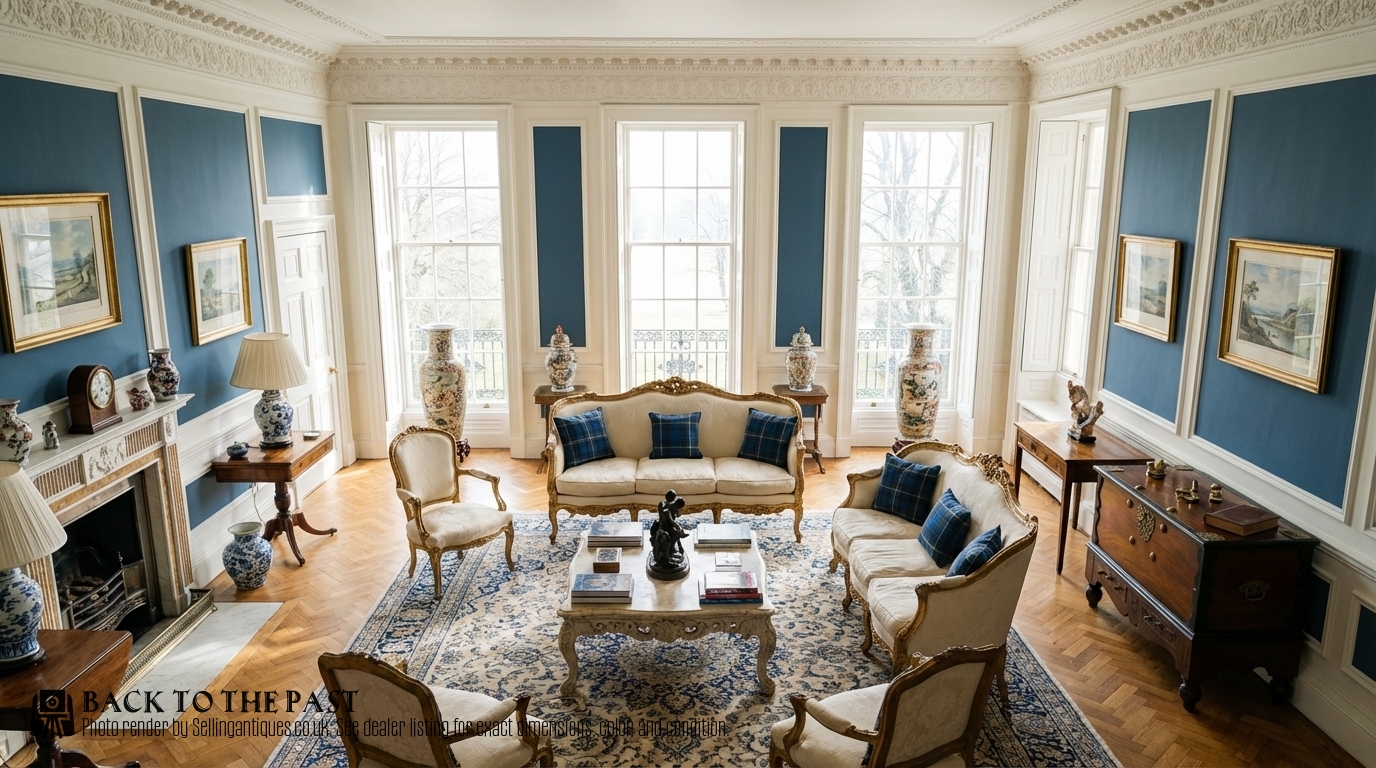
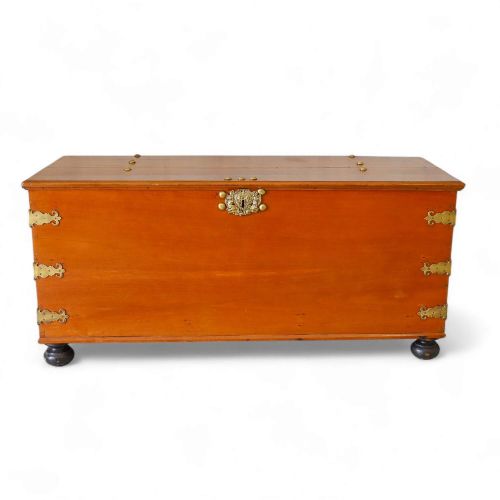
C19th Dutch Colonial Teak and Ebony Brass-mounted Chest or Trunk on Stand ., 19th Century
Priced at £900 from M Lees and Sons
The 2026 retail price guide for Antique Colonial Chests is drawn from a proprietary archive of over 1.1 million retail prices indexed by Sellingantiques since 2003. This guide relies exclusively on their own internal data; no external sources or auction records are used.
Analysing nearly 25 years of UK antique market history alongside current retail values, the data indicates that typical UK retail prices for Antique Colonial Chests range between £600 and £3,800. Entry-level prices generally fall under £600 and premium examples upwards of £3,800.
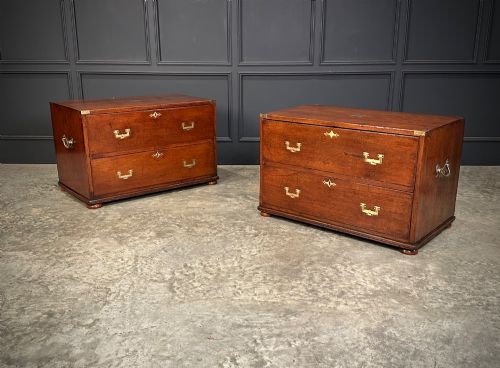
Flush brass handles on the sides allowed the boxes to be packed tightly together down in a cramped ship hold.
Notice the flat tops that meant antique colonial chests could easily double as tables or seating in small frontier cabins.
Small internal lidded compartments often sit near the top edge to secure coins, documents or candles.
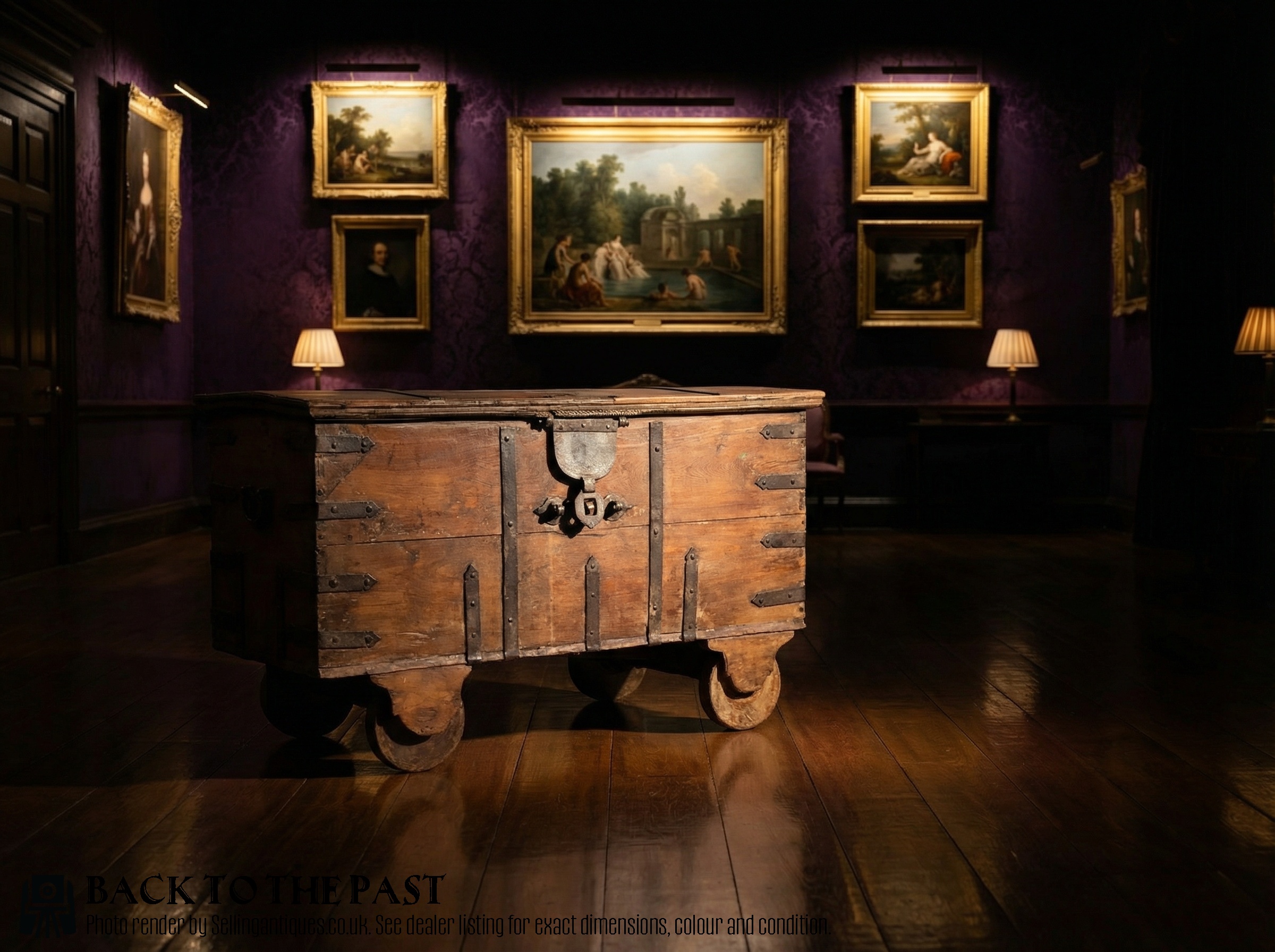
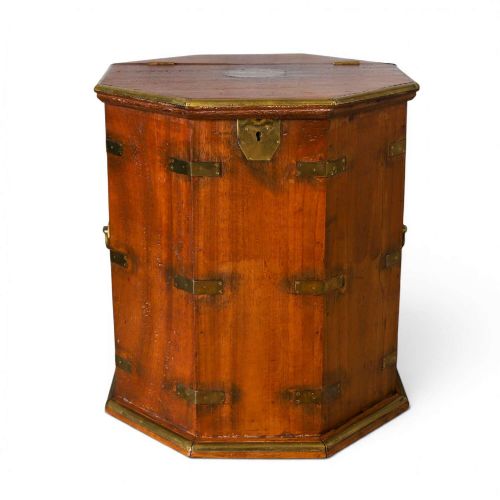
Colonial Strong Box Mid 19th Century, 19th Century
Priced at £298 from Eclectic Antiques
Early versions rely on large hand-cut through-dovetails that are often further secured with carved wooden pegs.
Makers adopted frame and panel construction to combat the severe wood shrinkage common in high humidity environments.
Simple nailed board construction became much more common for the cheaper export models produced towards the late nineteenth century.
"Many ship captains and senior officers slept directly on top of them to personally guard their valuable navigation charts."
"Certain tropical timbers used in these pieces still release a rich and pleasant scent whenever the heavy lid is lifted."
"Clever hidden compartments are often built directly into the false floor of the internal till box to hide gold coins."
Based on almost 25 years of Sellingantiques UK antique market data, Antique Colonial Chests appeared 1765 times (out of 1,100,000 antiques) which gives it a rarity score of 70/100.
This score measures scarcity within the Sellingantiques archive only and is not a survey of the entire antiques market, so these statistics may not be indicative of the general availability of Antique Colonial Chests elsewhere.
They carry significant weight. The dense tropical hardwoods used for the carcase are naturally heavy.
Once you add thick brass corner brackets and strapwork, the total weight climbs quickly. You will usually need two people to move a standard sized one safely.
Masking tape is your best tool here. Run low-tack tape along the wood right next to the metal bands before you start polishing.
Apply a mild metal polish to a rag rather than directly onto the brass. Rub gently and wipe away the black residue with a clean cloth.
Peel the tape off carefully once the metal is bright. This stops the abrasive polish from eating into the historic timber finish.
They vary widely depending on the lock mechanism installed at the time.
Finding an original key is rare. People lost them on voyages or replaced the locks.
The chests themselves were the shipping containers. Merchants filled them with tea, silk or porcelain in the East.
They loaded them into the holds of returning East Indiamen vessels. The solid timber construction protected the fragile cargo inside from seawater and rats during the voyage.
Once unloaded at the London docks, the empty boxes were sold on as domestic furniture. This is why so many survive in British homes today.
Please note: This Antique Colonial Chests guide and its associated pricing data are provided for general informational purposes only. It does not constitute formal financial, investment, or appraisal advice and should not be relied upon as the sole basis for any commercial activity, purchasing, or sales decisions. Sellingantiques.co.uk accepts no liability for any actions taken in reliance on this information. Always consult with a qualified professional or independent appraiser.
