






A 2026 Guide by Sellingantiques
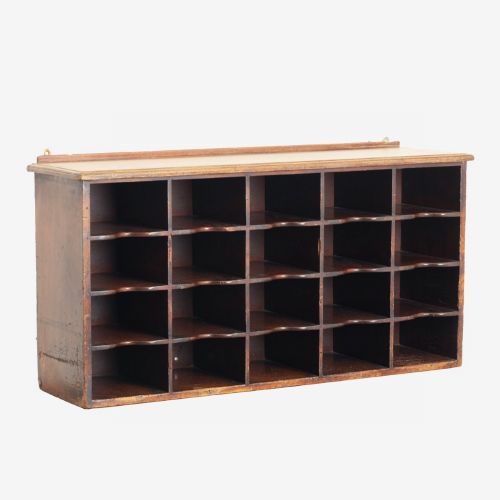
Large Cherry Wood Hanging Shelf, 19th Century
Priced at £550 from Youlls Antiques
Purely practical origins. People needed floor space in cramped cottages, so they moved storage upwards onto the walls.
The eighteenth century brought dedicated book storage to drawing rooms. Wealthier households commissioned matching sets for their growing libraries.
Victorian homes generated heavy demand for display surfaces. Factory production allowed middle-class families to afford ornate fretwork tiers.
Hanging corner shelves proved popular for displaying ceramics. They filled awkward room angles that standard cabinet furniture could not reach.
Kitchen versions often incorporated hooks underneath. These held cups or utensils while the flat tops took the heavier plates.
Thomas Chippendale published designs for hanging shelves in his 1754 Director. His firm produced chinoiserie examples for wealthy clients.
Most antique wall shelves carry no maker stamp. Provincial joiners turned them out alongside standard household chairs and tables.
Gillows of Lancaster supplied mahogany book tiers during the late eighteenth century. Their workshop records list dimensions for these forms.
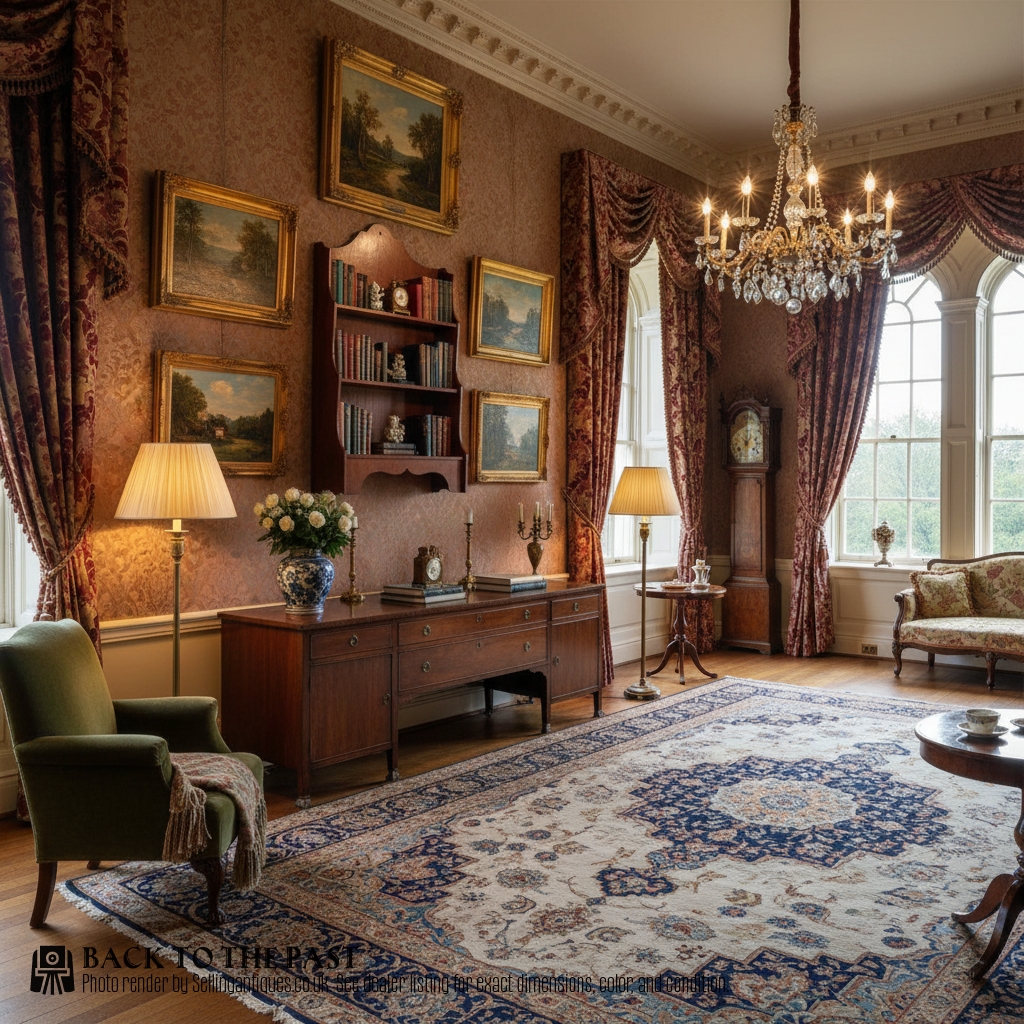
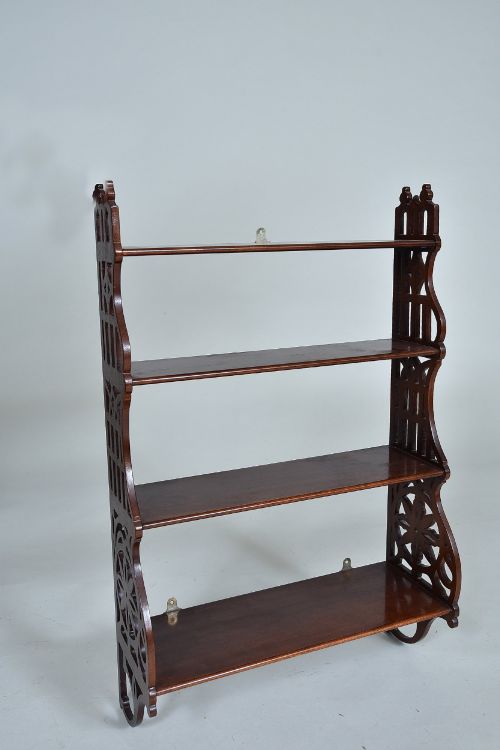
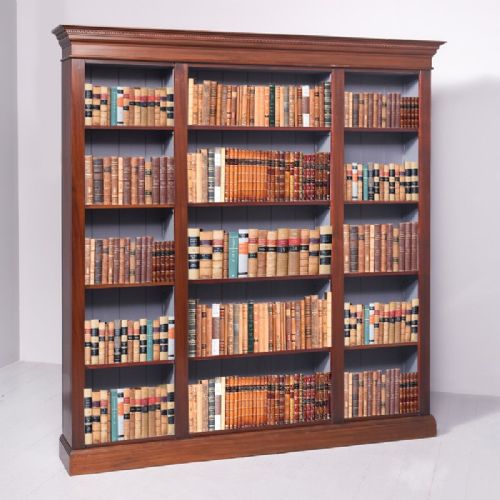
Edwardian Mahogany Wall Hanging Book Shelves, Edwardian
Priced at £480 from Church Street Antiques & Interiors
The 2026 retail price guide for Antique Wall Shelves is drawn from a proprietary archive of over 1.1 million retail prices indexed by Sellingantiques since 2003. This guide relies exclusively on their own internal data; no external sources or auction records are used.
Analysing nearly 25 years of UK antique market history alongside current retail values, the data indicates that typical UK retail prices for Antique Wall Shelves range between £300 and £1,300. Entry-level prices generally fall under £300 and premium examples upwards of £1,300.
Graduated tier depths. Three or four platforms get shallower towards the top, preventing a top-heavy appearance on the wall.
Check the upright supports. Pierced fretwork sides provided rigidity while keeping the overall physical weight manageable for hanging.
Brass mounting plates usually sit flush with the top edge. These mirror plates take the load of the unit.
Early provincial builders relied on simple through-tenons. The horizontal boards passed straight through the side uprights and were secured with wooden pegs.
By the mid-eighteenth century, cabinetmakers favoured stopped dado joints. This hid the structural groove from the front elevation.
Notice the assembly process. Victorian factories used steam-powered saws to stack-cut multiple fretwork sides in a single pass.
"Georgian dining rooms sometimes featured high-mounted shelves solely for displaying rare silver. They acted as status symbols above the sightline."
"Some folding designs have hinged sides. Camp officers used these portable versions to quickly furnish their temporary field tents."
"Leather fringes were occasionally tacked to the shelf edges. These dust flaps protected the tops of books stored below."
Based on almost 25 years of Sellingantiques UK antique market data, Antique Wall Shelves appeared 1298 times (out of 1,100,000 antiques) which gives it a rarity score of 77/100.
This score measures scarcity within the Sellingantiques archive only and is not a survey of the entire antiques market, so these statistics may not be indicative of the general availability of Antique Wall Shelves elsewhere.
Heavy masonry fixings offer the safest route. You want long screws that reach deep into the brickwork, bypassing the modern plaster layer entirely.
Never rely on standard picture hooks. Most antique wall shelves are quite heavy even before you add books to them.
Graduated depths are standard for this category. Cabinetmakers designed them this way to keep the centre of gravity close to the wall. It stops the unit feeling top-heavy and reduces the strain on the upper brass hanging plates.
The practical benefit is clear when you load them. You place larger folios or heavy jugs on the bottom tier. The shallower upper levels take smaller paperbacks or delicate teacups.
Base drawers provided hidden storage in busy household rooms. They held small everyday items that would otherwise clutter the flat wooden surfaces above. In kitchens, they kept loose receipts or string out of the way.
Library versions saw different use. Owners stored reading glasses, paper knives, and small desk accessories out of sight.
Adding a wire is a risky idea. Those brass loops are called mirror plates and they are designed to take a screw directly into the wall. Hanging a rigid wooden frame on a slack wire forces it to lean forward into the room.
A wire also pulls inward on the side uprights. The joints on most antique wall shelves were built to bear a downward load, not a sideways compression. Direct wall screws keep the whole structure flat and stable.
Please note: This Antique Wall Shelves guide and its associated pricing data are provided for general informational purposes only. It does not constitute formal financial, investment, or appraisal advice and should not be relied upon as the sole basis for any commercial activity, purchasing, or sales decisions. Sellingantiques.co.uk accepts no liability for any actions taken in reliance on this information. Always consult with a qualified professional or independent appraiser.
