

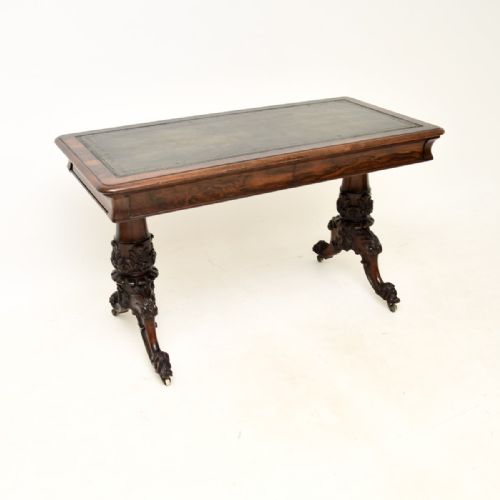
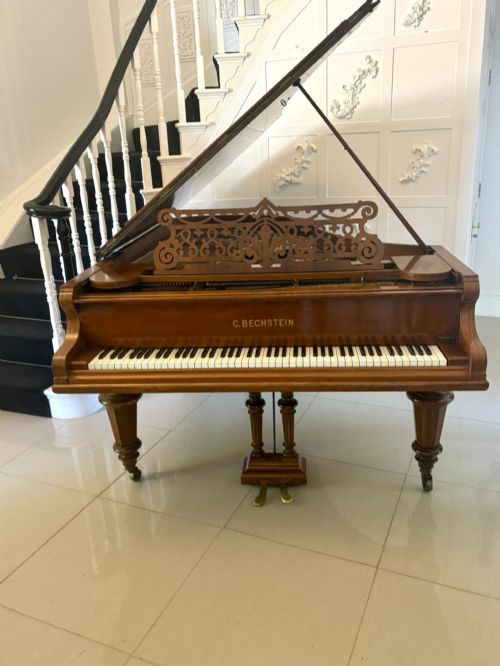
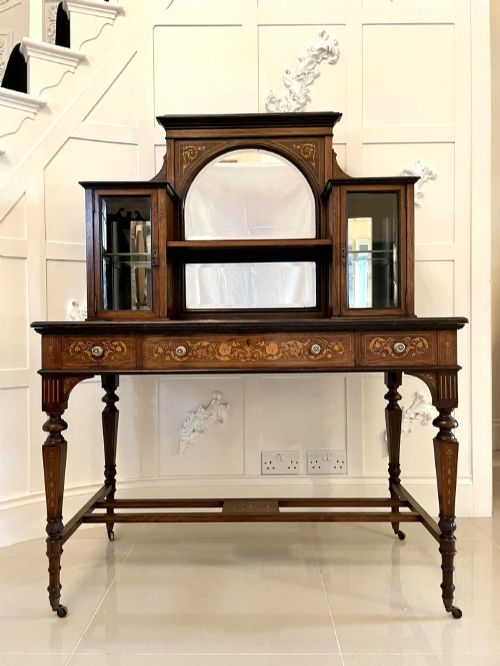
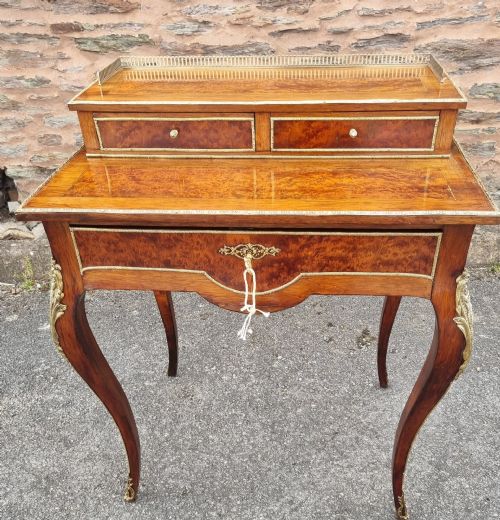

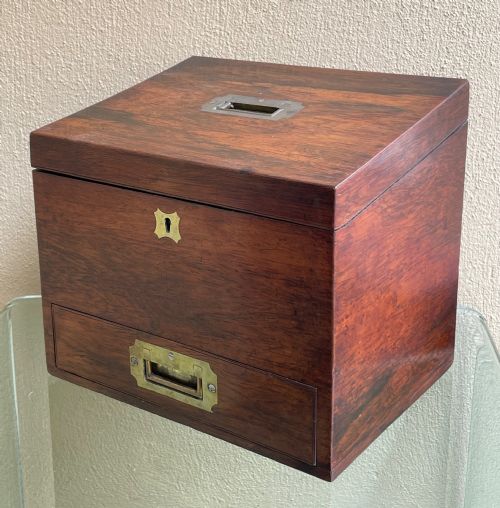
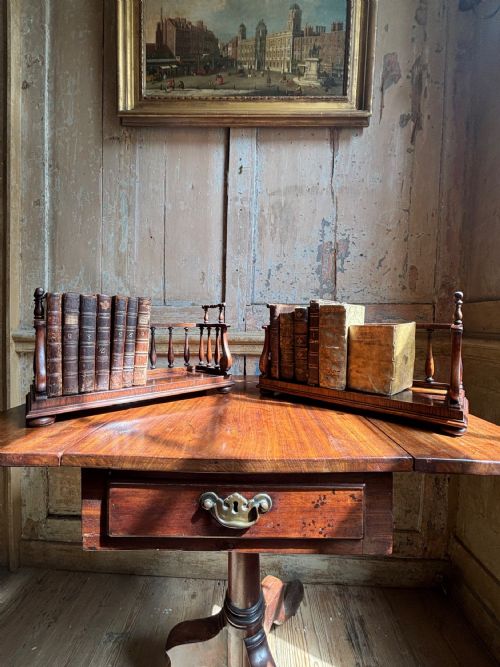
Victorian Rosewood Desk
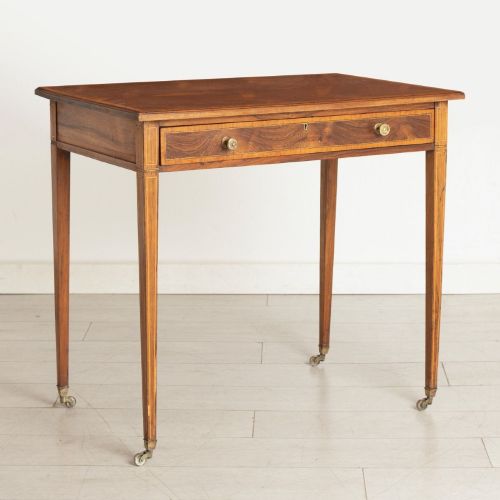
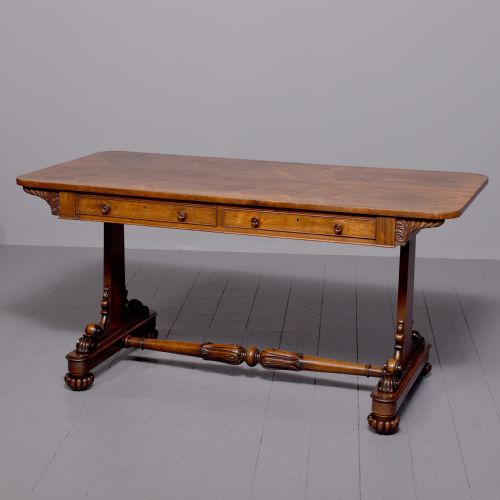
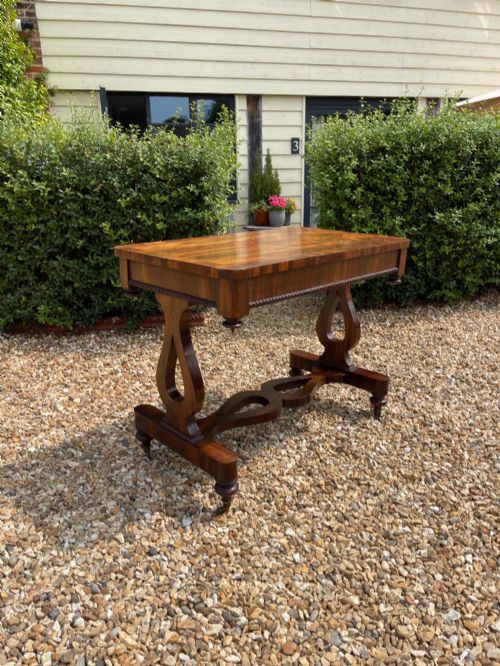
A victorian rosewood desk brings rich timber grain and classic nineteenth-century proportion into a room, offering a functional writing space with distinct historical character.
The forms of the victorian rosewood desk
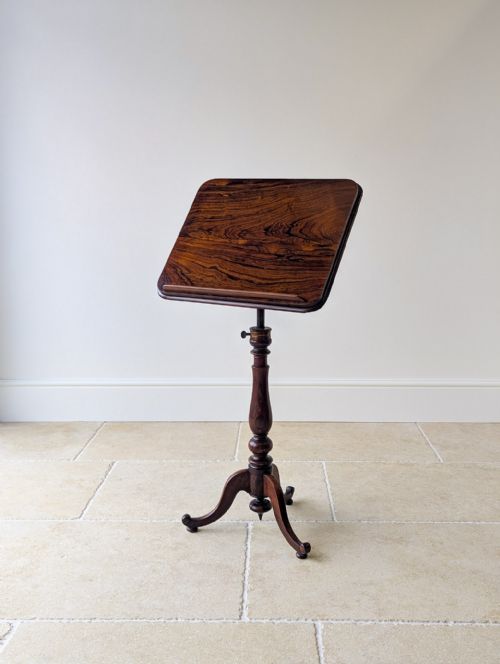
When searching for a victorian rosewood desk, buyers encounter a diverse range of nineteenth-century forms spanning writing tables, pedestal desks, and compact Davenport shapes. The selection includes library tables, cylinder top desks, and delicate ladies writing desks suited for private studies or drawing rooms.
Makers and manufacturers of the period produced both freestanding centre tables and substantial twin pedestal formats designed for formal studies. Edwardian interpretations and Sheraton Revival pieces also appear alongside mid-nineteenth-century examples from the eighteen-fifties and eighteen-sixties.
Materials and construction methods
Cabinet makers utilised dense rosewood timber as the primary structural and surface material, frequently pairing the dark grain with contrasting boxwood stringing and satinwood. Brass hardware, including inlaid mounts and bound edges, appears alongside fitted leather writing surfaces.
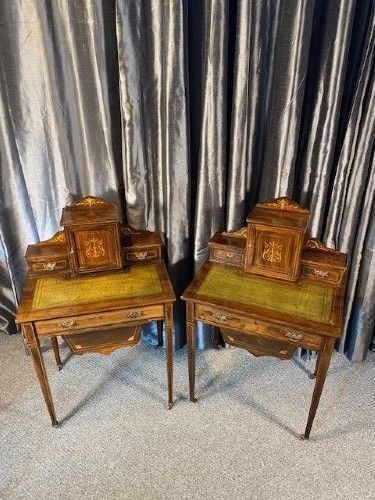
Decoration relied heavily on marquetry inlay techniques to ornament the surfaces of writing desks and cylinder tops. Workshops employed precise joinery to construct robust pedestal frames and smaller slope desks, ensuring stability across diverse forms from lap-desks to partners desks.
Retail Price Guide 2026
Typical UK retail prices for victorian rosewood desk, calculated from the Sellingantiques database of over a million retail prices indexed since 2003. This retail price guide relies exclusively on Sellingantiques data; no external sources or auction records are used, so the figures do not describe the wider market.
The listings show a range of periods including eighteen-fifty, eighteen-seventy, Edwardian, and nineteenth century alongside materials like brass, leather, and boxwood.
Distinctions in craftsmanship
The hierarchy of quality rests on the precision of the marquetry inlay and the selection of the rosewood timber grain. Finer examples display meticulous brass work and harmonious secondary woods like satinwood and boxwood.
Structural complexity sets exhibition pieces apart from standard models, seen in sophisticated mechanisms on Davenport desks, cylinder tops, and revolving desk chairs. The crispness of carved details and the integration of fitted interiors define the upper tier of nineteenth-century production.
Collinson & Lock·Maple & Co·James Shoolbred
The Victorian Rosewood Desk Glossary
- Rosewood
- A heavy, dense tropical timber prized for its dark, richly figured grain and purplish-brown coloration. It served as the principal exterior wood for high-status nineteenth-century case furniture.
- Marquetry
- The art of applying decorative pieces of veneer to a structure to form intricate pictorial or geometric designs. Craftsmen utilised contrasting woods like boxwood and satinwood within rosewood surfaces.
- Davenport desk
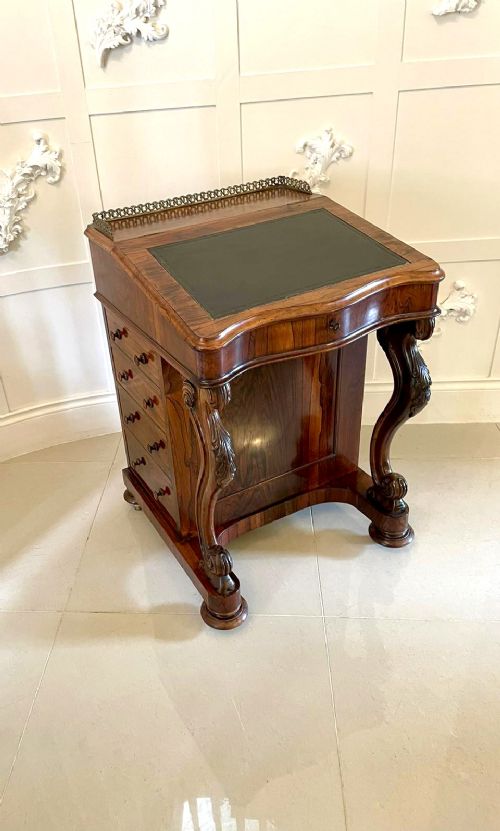
- A compact Victorian writing desk featuring a sloped, hinged writing surface above a set of drawers accessed from the side. Many examples incorporated stationery compartments and swivel tops.
- Pedestal desk
- A large freestanding writing table supported by two vertical banks of drawers beneath the desktop. These substantial pieces often featured inset leather writing panels.
- Sheraton Revival
- A late nineteenth and early twentieth century design movement inspired by late eighteenth-century neoclassical furniture. Pieces in this style often combined rosewood with delicate inlay and slender proportions.
Frequently Asked Questions
What is a victorian rosewood desk?
A victorian rosewood desk is a nineteenth-century writing or work table constructed from dense rosewood timber, encompassing forms from small ladies writing desks to large twin pedestal tables.
These pieces reflect the varied domestic interior styles of the nineteenth century, utilising decorative inlays of boxwood and satinwood alongside fitted leather writing surfaces.
How do I identify a davenport desk?
A Davenport desk is characterised by its compact form, featuring a sloping top for writing that lifts to reveal storage compartments. A bank of drawers is positioned on one side of the pedestal base.
This specific shape was popular throughout the Victorian period for ladies' use in private drawing rooms and boudoirs, often incorporating clever internal mechanisms.
Where were these desks placed?
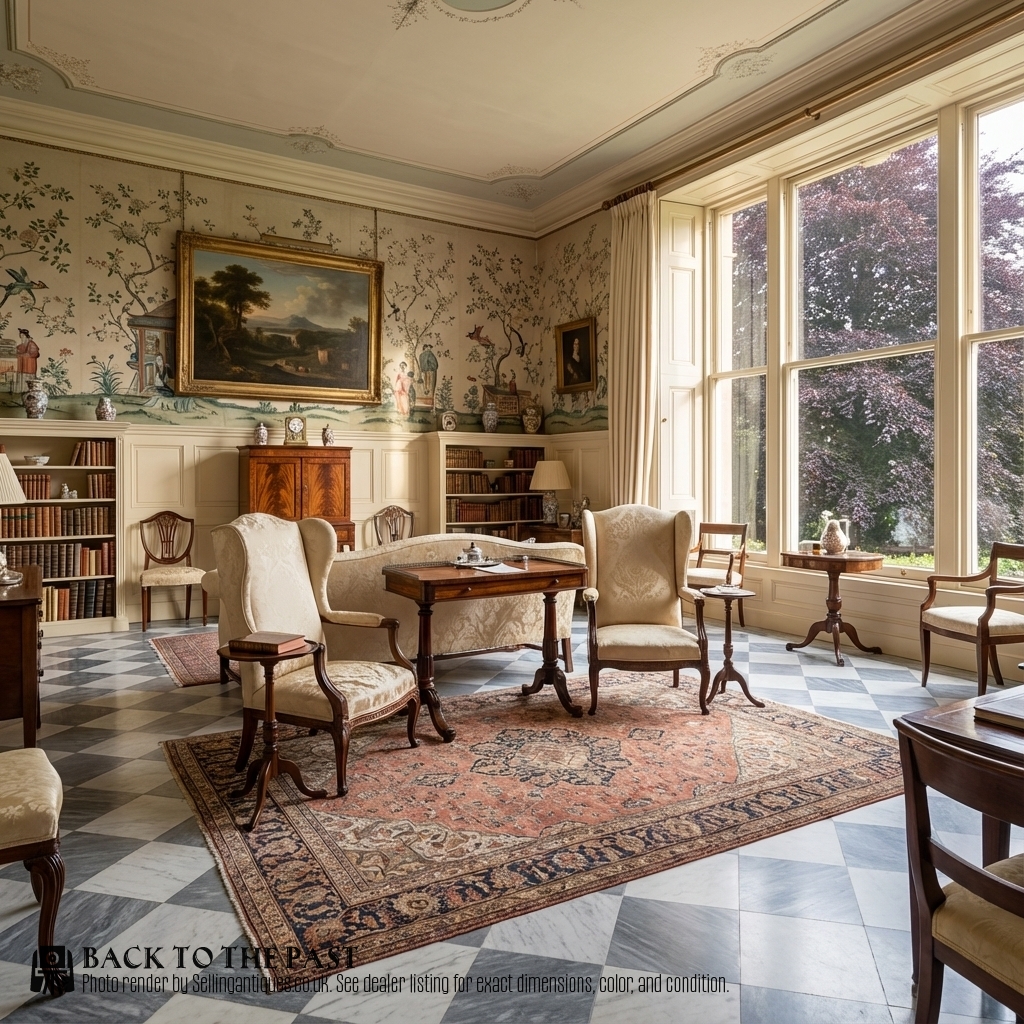
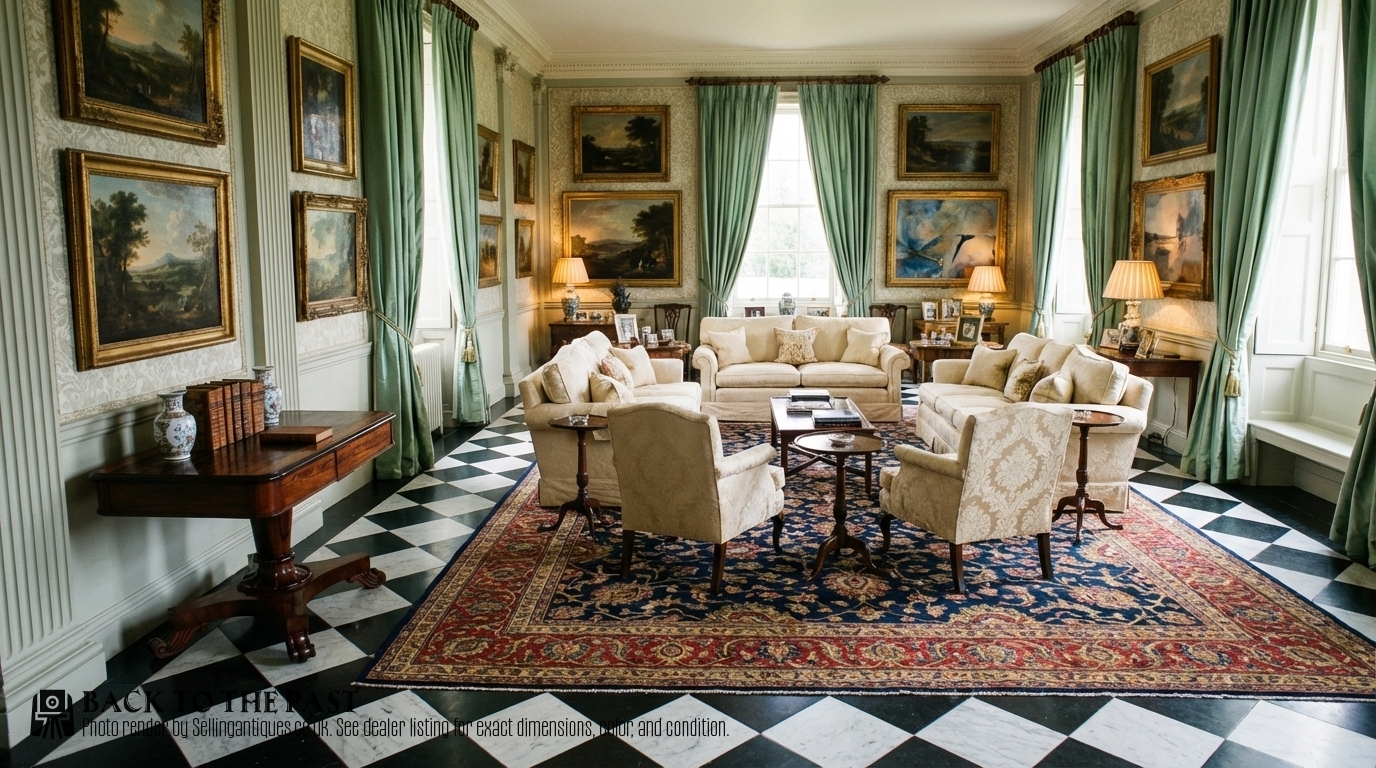
Nineteenth-century desks were positioned according to their form and function within the home. Pedestal desks and partners desks stood in libraries or studies as freestanding central pieces.
Smaller ladies writing desks and kidney-shaped tables sat against walls or in drawing rooms, while library tables functioned independently in larger open spaces.
How do I care for rosewood furniture?
Rosewood surfaces require stable environmental conditions away from direct sunlight and excessive heat sources to prevent timber movement and fading. Maintaining consistent room humidity preserves the integrity of the wood and any delicate marquetry inlay.
Gentle dusting with a soft, dry cloth is generally sufficient for daily upkeep, avoiding harsh chemical polishes that can damage antique polishes.