


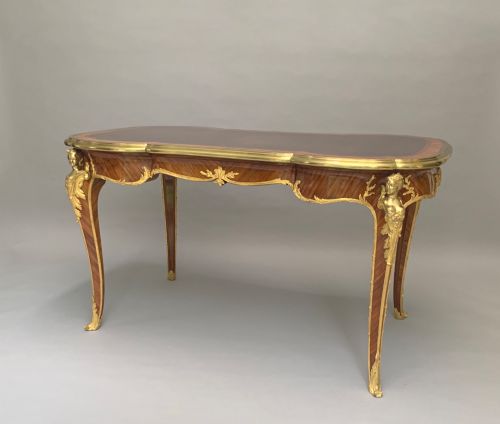
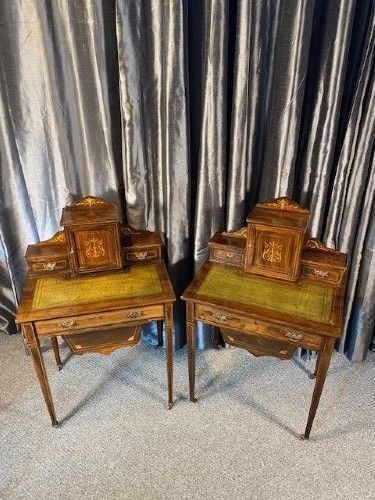
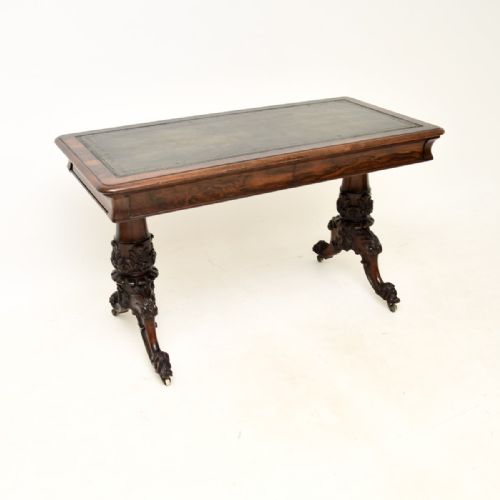
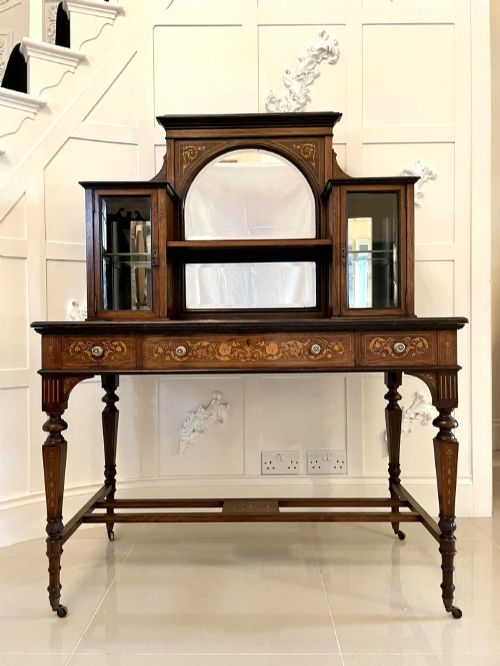
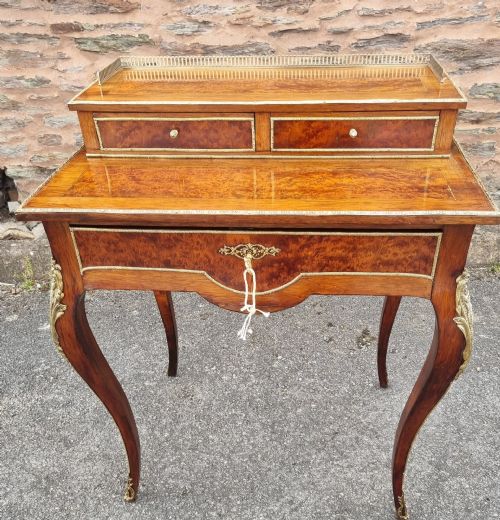
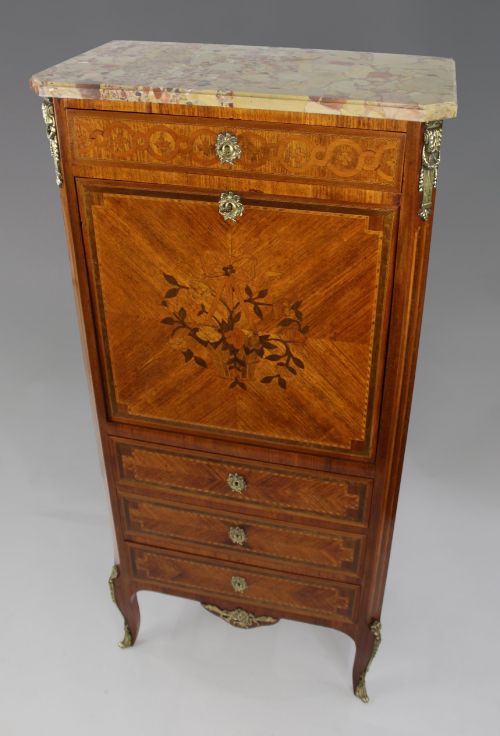
Antique Rosewood Writing Desk
An antique rosewood writing desk offers a rich grain and deep colour that brings warmth and character to any study.
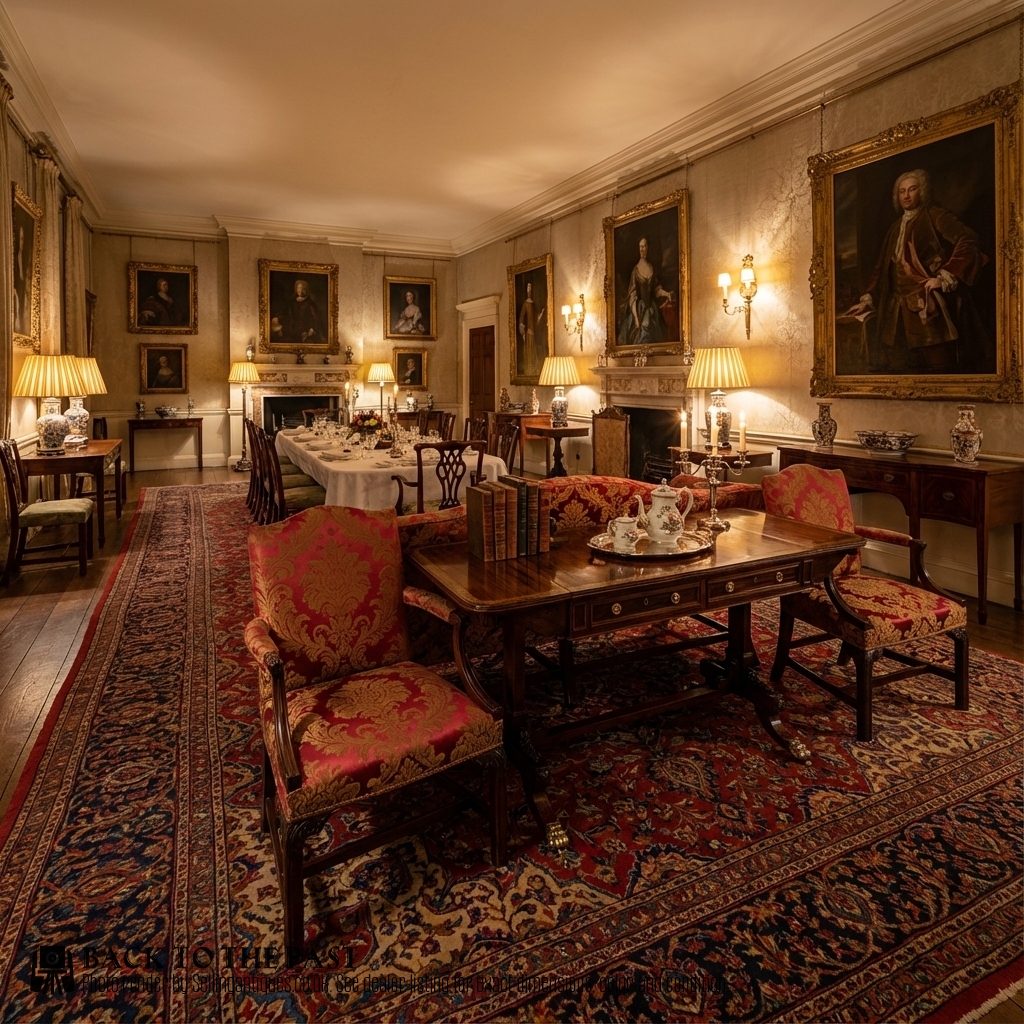
What an antique rosewood writing desk is
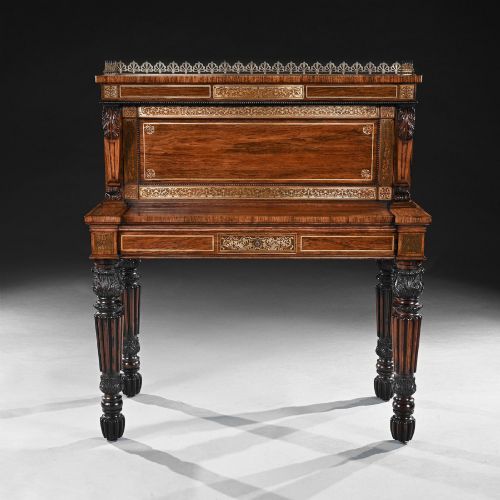
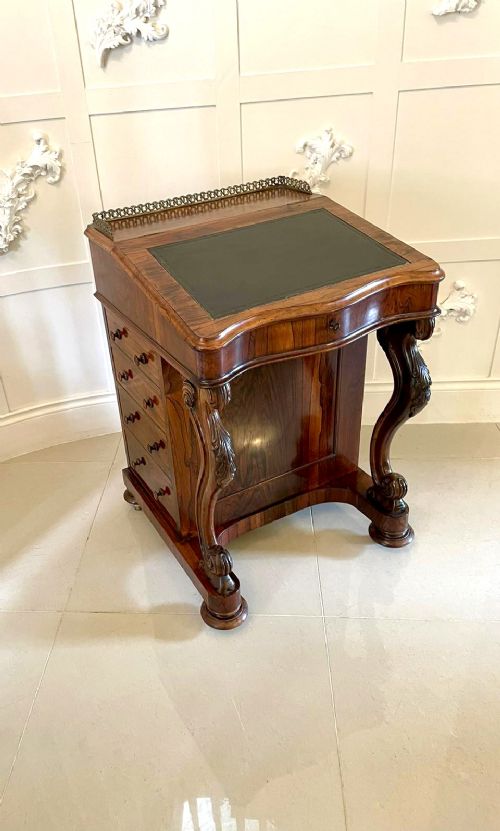
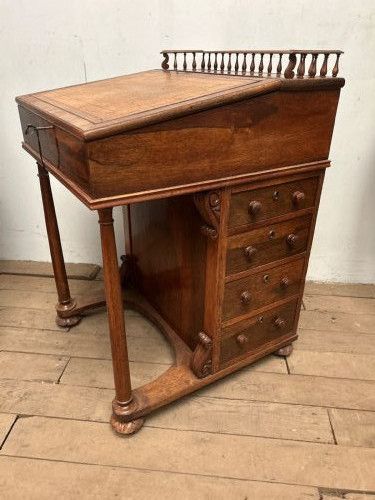
An antique rosewood writing desk encompasses a variety of forms including library tables, sofa tables, Davenport desks, and portable writing slopes. These pieces emerge from periods such as the Regency, William IV, Victorian, and Edwardian eras.
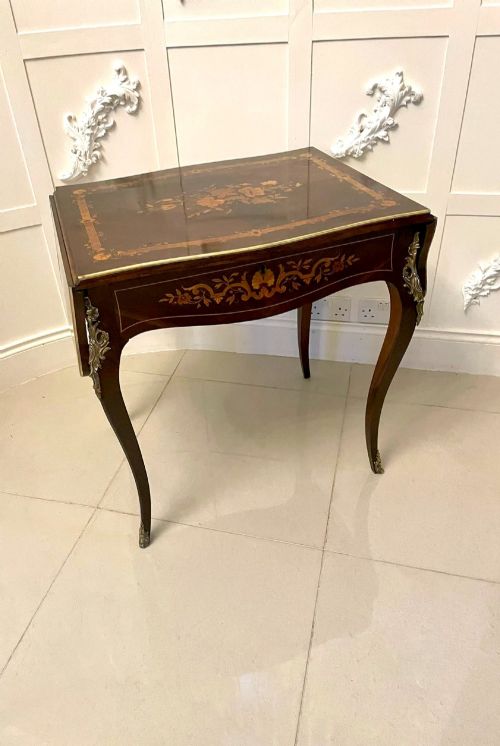
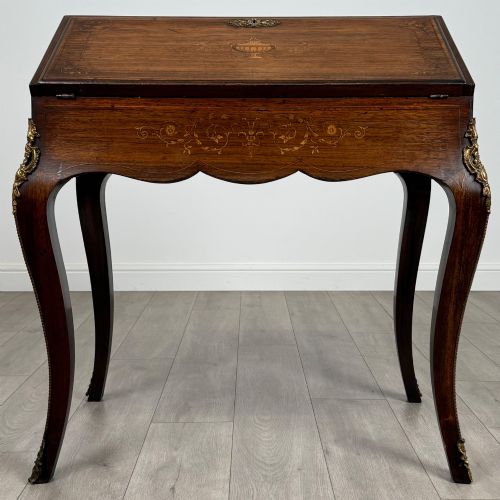
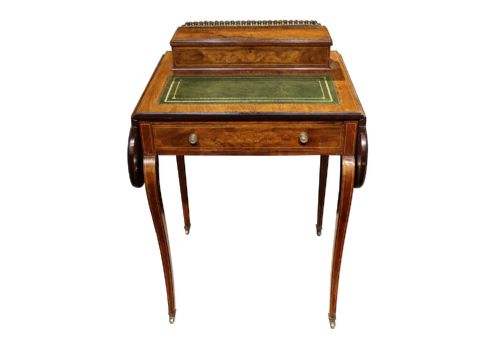
Buyers are most likely to encounter freestanding writing tables and inlaid ladies desks alongside smaller lap desks and writing boxes fitted with secret drawers. The selection spans robust library furniture with brass mounts to delicate occasional pieces featuring marquetry.
The distinct character of an antique rosewood writing desk relies on the dense, dark timber utilised by makers across the nineteenth and early twentieth centuries. Each form serves a specific domestic or study function, from grand partners tables to compact correspondence boxes.
How they were made
Cabinet makers utilised solid rosewood and veneers applied to secondary timbers, often incorporating contrasting woods such as satinwood, burr maple, and amboyna. Surfaces frequently featured tooled leather writing inserts designed for daily correspondence.
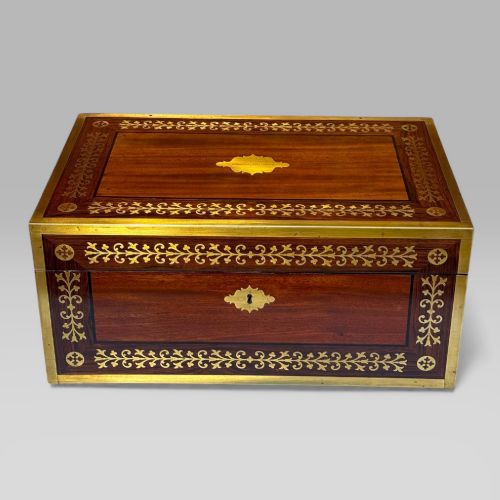
Decoration relied on precision craftsmanship, including cut brass inlay, mother of pearl, Tunbridge Ware tumbling block mosaics, and intricate marquetry. Many smaller boxes and slopes integrated hidden compartments and secret drawers operated by clever locking mechanisms.
Retail Price Guide 2026
Typical UK retail prices for rosewood writing desk, calculated from the Sellingantiques database of over a million retail prices indexed since 2003. This retail price guide relies exclusively on Sellingantiques data; no external sources or auction records are used, so the figures do not describe the wider market.
What varies in quality
The distinction between standard examples and the finest pieces rests upon the ambition of the design and the precision of the embellishments. Elaborate marquetry work, meticulous brass inlay, and the inclusion of secondary timbers like burr maple elevate certain specimens.
Makers such as Maple and Co represented high standards of production, where the joinery and timber selection remained exceptionally rigorous. The crispness of the carving, the integration of specialised compartments, and the depth of the rosewood grain define the upper tier.
Maple and Co
The Antique Rosewood Writing Desk Glossary
- Marquetry
- The art of forming decorative patterns using wood veneers of different colours and textures. This technique creates elaborate floral or geometric motifs across the desktop.
- Writing slope
- A portable box with a sloping lid designed to hold writing materials and provide an angled surface for letters. Many examples open to reveal velvet or leather lined writing boards and secret compartments.
- Sofa table
- A rectangular table traditionally placed in front of a sofa, featuring drop leaves and often two drawers. Regency versions frequently incorporate rosewood with brass inlay.
- Drum table
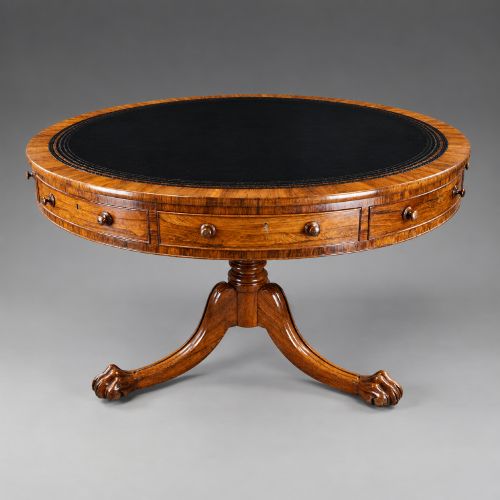
- A circular library table with a deep top containing drawers, supported by a central pillar and platform base. These freestanding pieces provide substantial workspace.
- Tunbridge Ware
- Small wooden objects decorated with mosaic patterns made from tiny wood blocks of various natural colours. This meticulous technique is found on specific nineteenth-century lap desks.
Frequently Asked Questions
What is the difference between a writing table and a writing slope?
A writing table is a freestanding piece of furniture designed to stand permanently in a study or library. It provides a fixed horizontal surface with integral legs and often contains drawers beneath the top.
A writing slope is a portable box placed upon another table or desk for use. When opened, it reveals an angled writing surface and fitted compartments for stationery and ink.
How do I identify a Regency rosewood desk?
Regency pieces typically display classical proportions, clean architectural lines, and specific decorative motifs like cut brass inlay. The timber choice heavily favours dark figured rosewood combined with formal brass mounts.
These desks date from the early nineteenth century and reflect the neoclassical tastes of the period. Their construction often emphasises symmetry and balanced geometric forms.
What woods are used alongside rosewood?
Cabinet makers frequently paired rosewood with contrasting light timbers to create striking visual borders and decorative panels. Satinwood, burr maple, and amboyna appear regularly in marquetry designs and interior fittings.
Secondary structural timbers beneath veneers often include pine, mahogany, or oak depending on the workshop and region of manufacture.
How should I care for an antique rosewood surface?
Rosewood benefits from minimal intervention, requiring only a soft dry cloth to remove dust. Natural wax applied sparingly helps maintain the lustre of the timber without building up heavy residues.
Direct sunlight and sudden changes in humidity should be avoided to prevent the rosewood from fading or the underlying veneers from lifting.