


English Regency Desk
When you search for an english regency desk, you step into an era of confident proportions, rich timbers, and precise classical restraint.
English Regency Desk
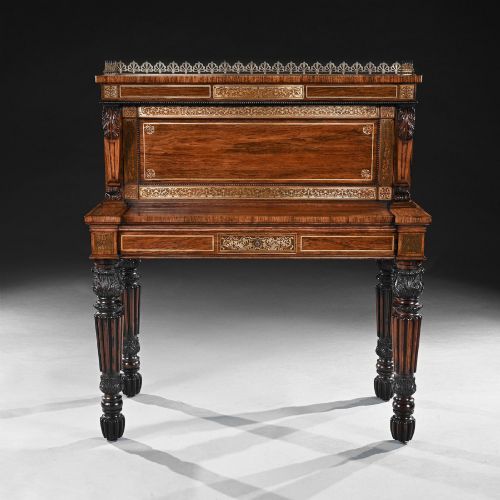
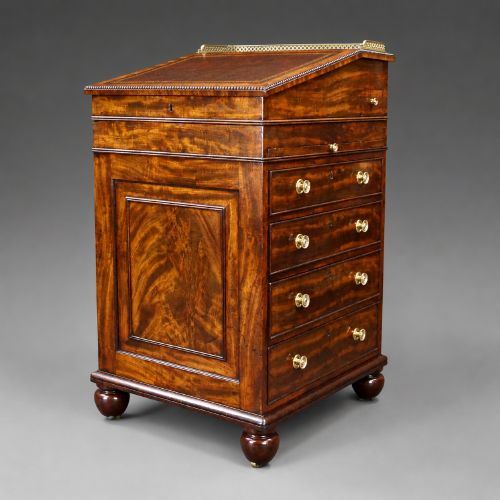
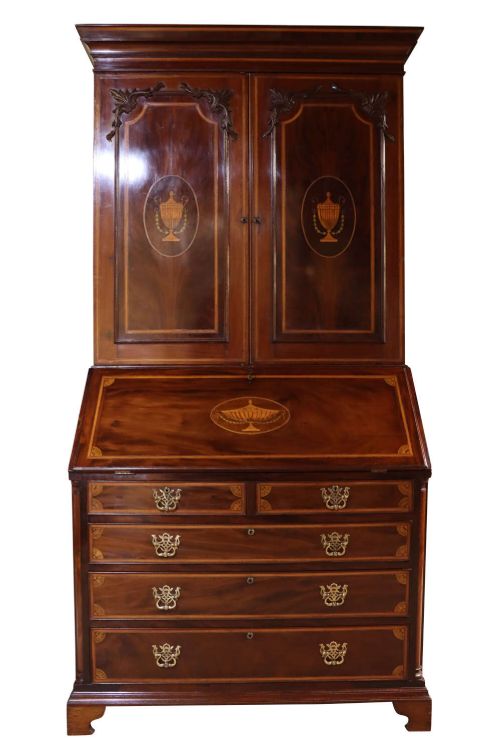
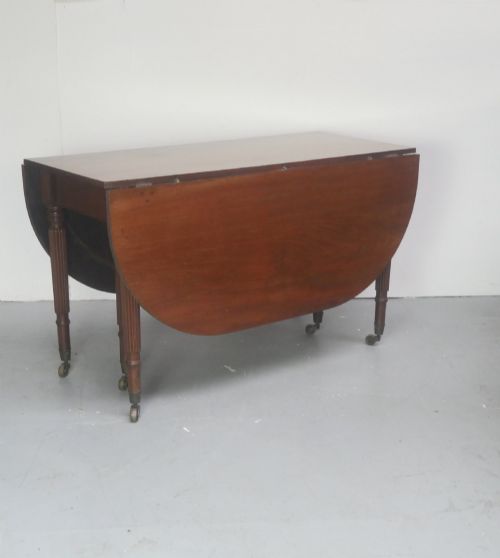
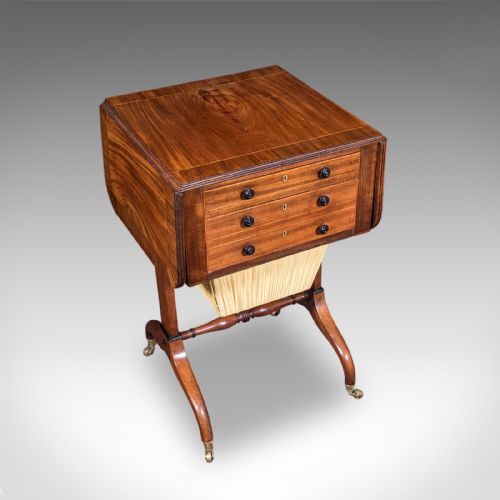
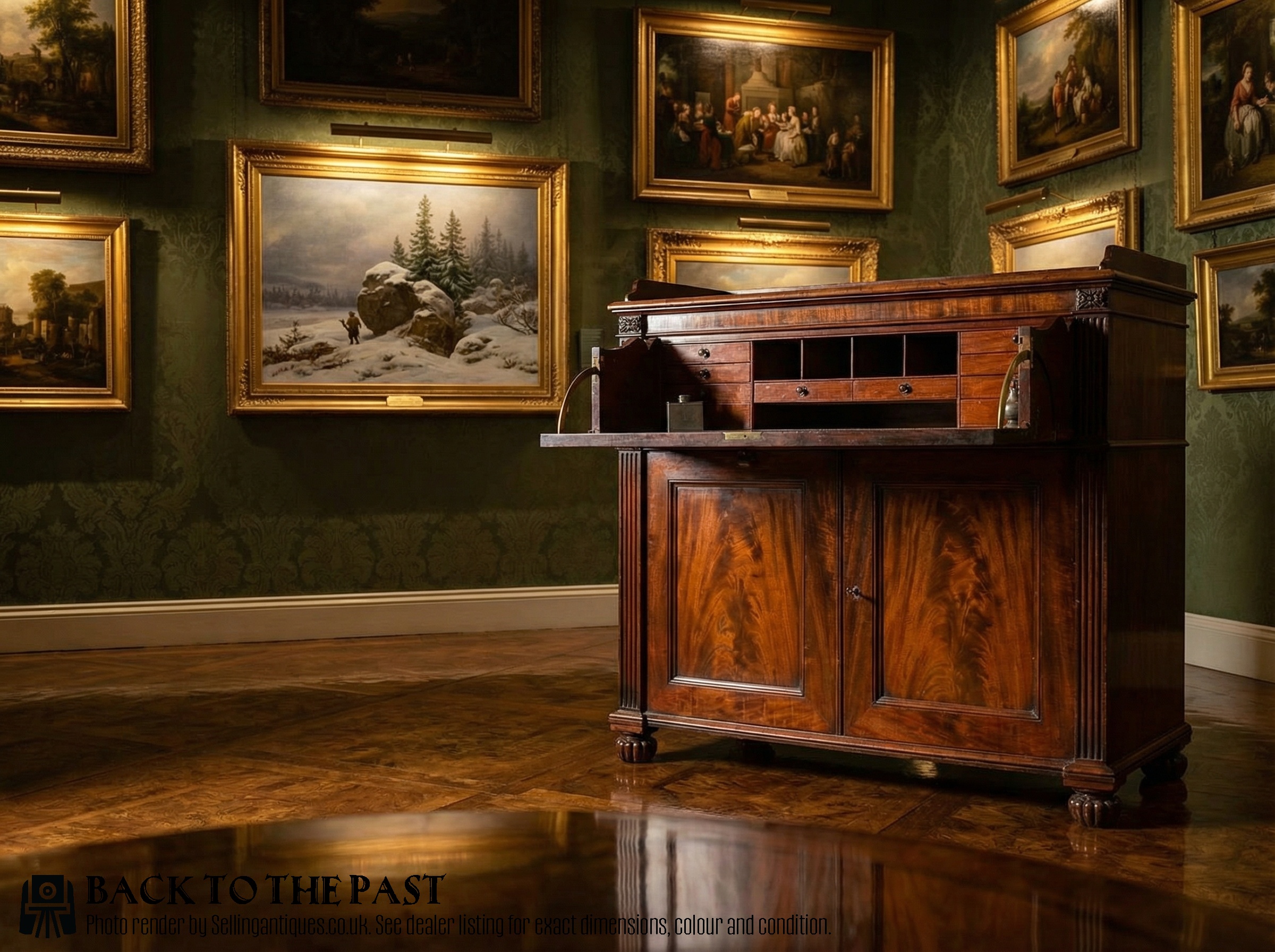
An english regency desk encompasses writing tables, Davenport desks, kneehole variants, and slope-front stationery boxes made during the early nineteenth century and the wider Regency period.
Surviving examples range from compact pollard oak writing tables and flame mahogany pieces to larger library tables, partners desks, and architect risers.
Makers often integrated leather writing surfaces, brass inlay, and clever compartments alongside traditional drawers to serve the scholarly and domestic demands of the period.
How They Were Made
Cabinetmakers relied heavily on dense hardwoods such as mahogany, rosewood, walnut, and pollard oak, frequently selecting flame-figured veneers for primary surfaces.
Decoration involved meticulous brass inlay, gilt mounts, ebonised detailing, and turned wooden elements, reflecting the Neoclassical taste of the era.
English Regency Desk Retail Price Guide 2026
Typical asking prices for english regency desk among the pieces listed under this phrase on Sellingantiques today, from the lower quarter to the upper quarter. They describe what is for sale here now, not the wider market.
Some writing stations doubled as maritime compass housings and travel companions for admirals at sea.
What Varies in Quality
Quality rests on the choice of timber and the natural patina developed over the centuries, alongside the precision of the cabinetwork in hidden drawers and joinery.
Attribution to known workshops, original leather inserts, and unaltered brass hardware elevate certain writing tables far above standard commercial production of the time.
Gillows Oxford Street Workshop·Gillows of Lancaster·Flight Barr and Barr·Hicks and Meigh
The English Regency Desk Glossary
- Davenport
- A compact writing desk featuring a sloping lid lined for correspondence and a set of side drawers accessed from a seated position. This form became popular for ladies boudoirs.
- Partners Desk
- A large freestanding writing table designed with drawers and cupboards on both sides so two individuals could work opposite each other. These usually incorporate inset leather tops.
- Writing Table
- A freestanding table with one or more drawers beneath the top, intended primarily for correspondence rather than heavy storage. They often feature finished backs so they can sit in the centre of a room.
- Secretaire
- A cabinet or chest of drawers containing a fitted pull-out writing drawer with pigeonholes and small compartments. The fall-front mechanism conceals the workspace when not in use.
- Patina
- The surface sheen and softening of colour acquired by wood and leather through age and use. This indicator of authenticity develops naturally over generations.
English Regency Desk: Frequently Asked Questions
What is an english regency desk?
An english regency desk is a piece of antique writing furniture produced during the early nineteenth century, characterised by classical proportions and fine timber.
These desks include freestanding writing tables, compact Davenports, and large library pieces designed for study rooms and parlours.
How do I use an antique desk?
Antique desks function well as modern home office workstations, writing surfaces, or display consoles in studies and reception rooms.
Careful placement away from direct sunlight and heat sources preserves the antique wood finishes and original leather inserts.
What woods were used?
Cabinetmakers utilised dense tropical and native hardwoods, most notably mahogany, rosewood, walnut, and pollard oak.
Selected surfaces often display highly figured veneers such as flame mahogany, paired with secondary timbers for drawer linings.
How do I identify the period?
Period identification relies on structural characteristics, timber selection, brass hardware styles, and classical Neoclassical design motifs.
Comparing construction methods with documented workshop pieces helps confirm whether a desk belongs to the Regency era or later nineteenth-century revivals.