

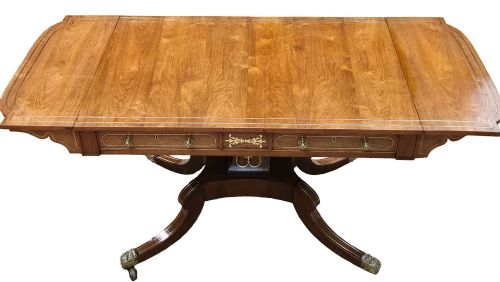
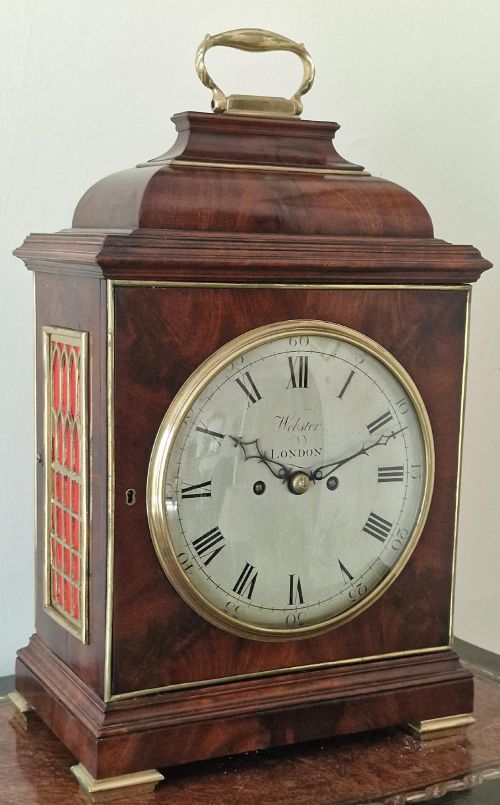
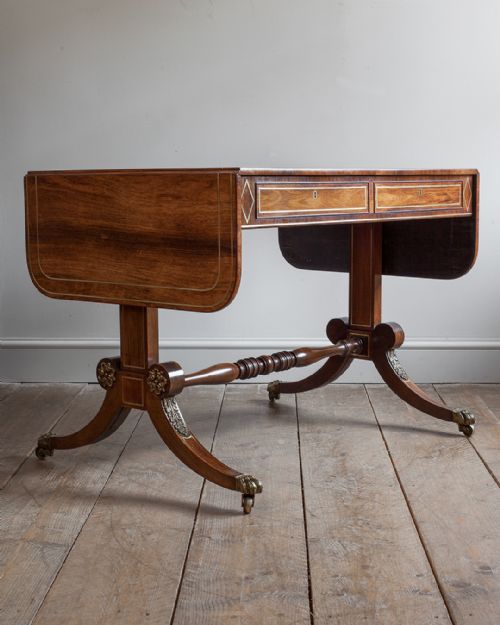
Regency Brass Inlay Table
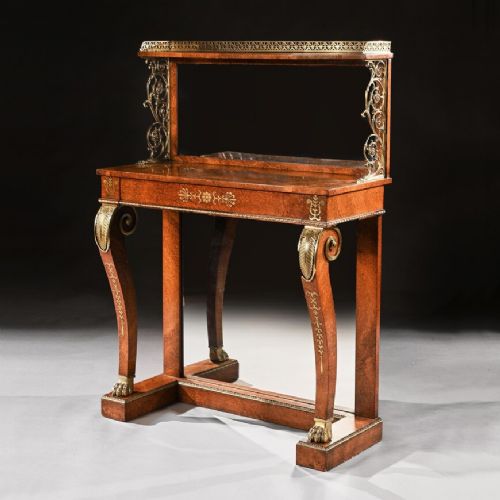
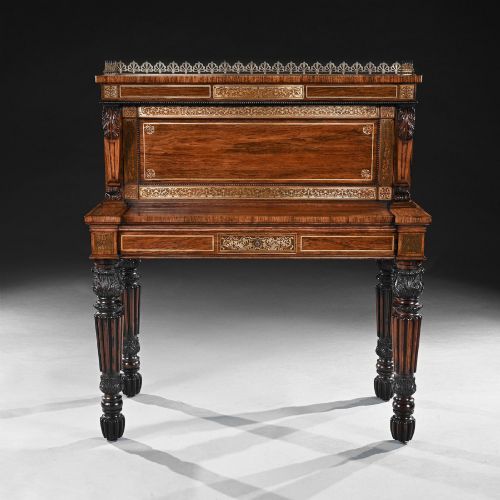
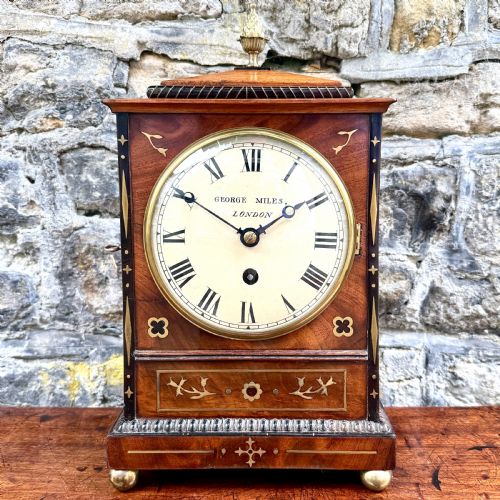
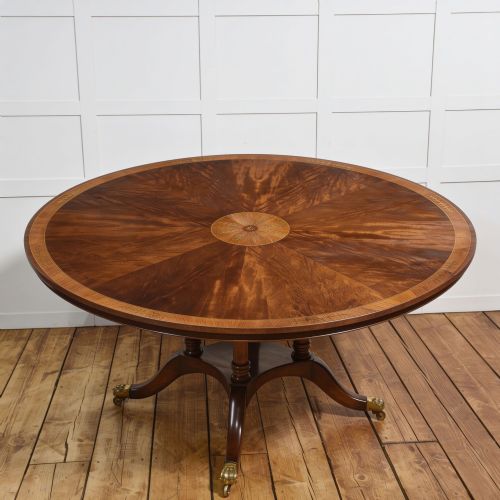
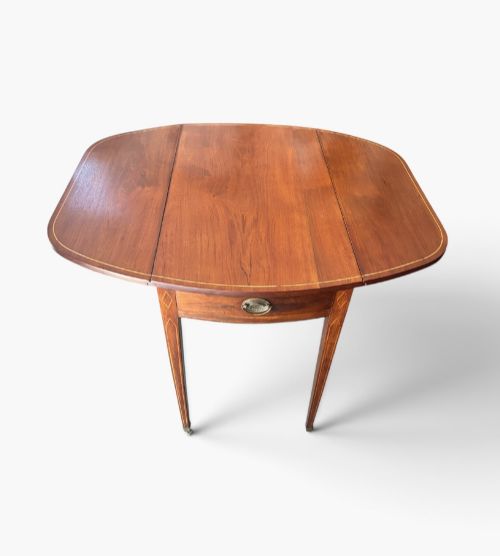
A regency brass inlay table brings the sharp linear contrast of polished metal against dark timber into a room.
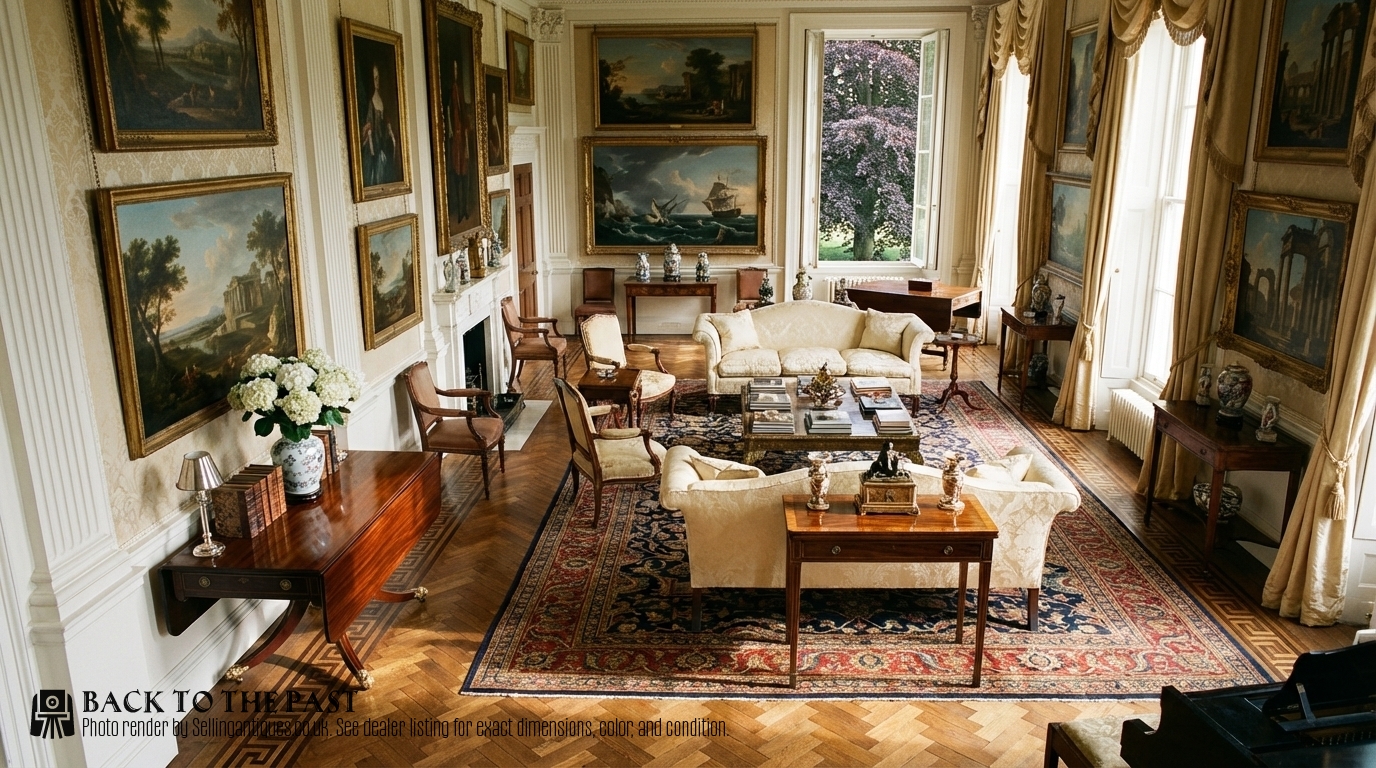
Regency Brass Inlay Table
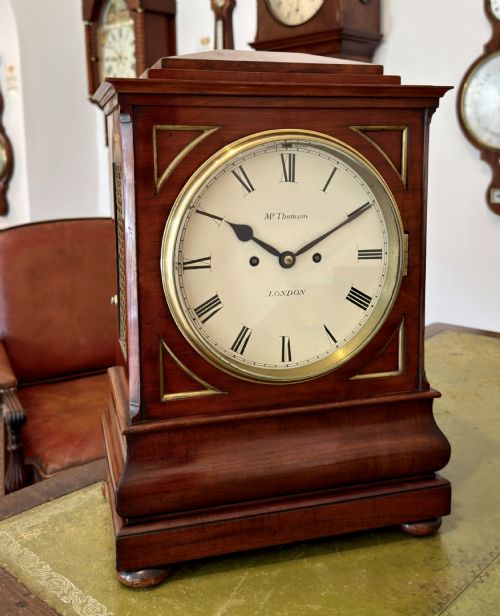
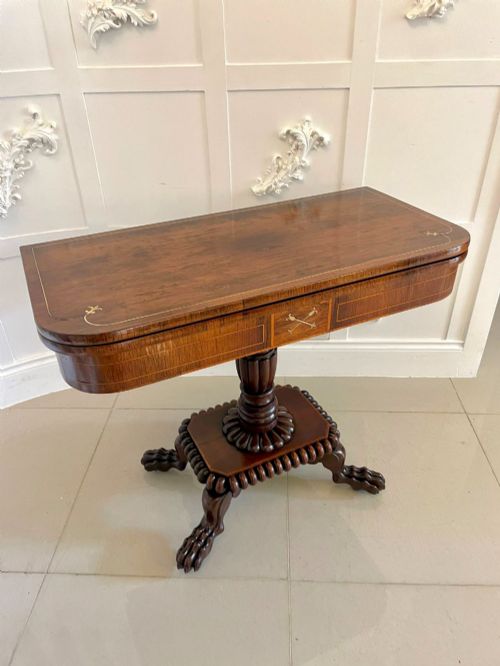
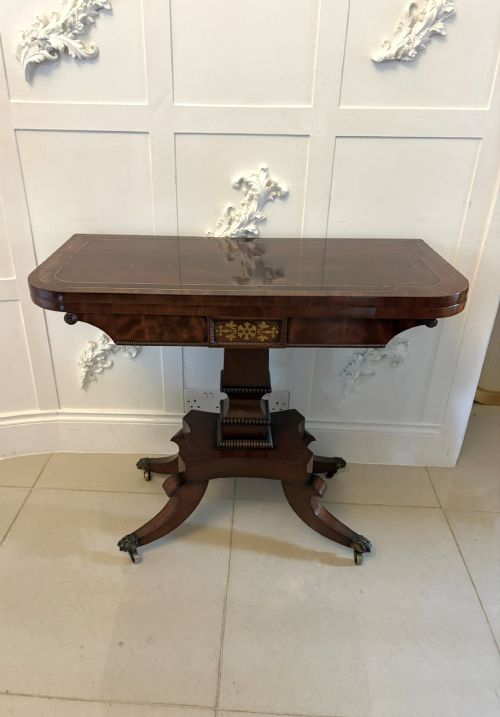
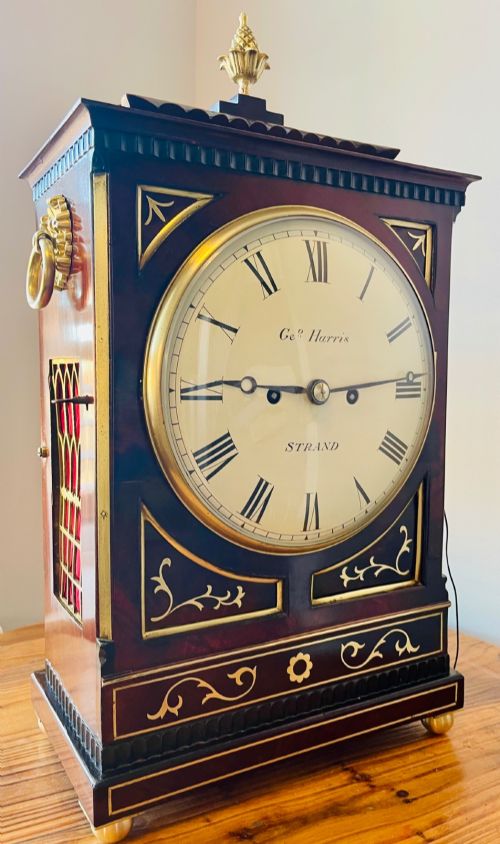
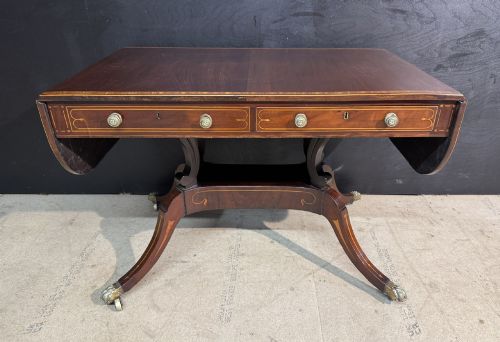
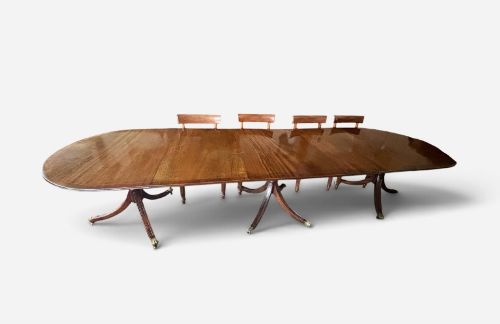
A regency brass inlay table encompasses a variety of domestic forms designed for polite company, drawing rooms and libraries. Card tables and sofa tables appear frequently among the pieces, alongside occasional tables, centre tables and bracket clocks.
The majority of examples date from the nineteenth century, spanning the Regency period, the Georgian era and George IV, with later revivals appearing from the early twentieth century. Rosewood and mahogany dominate the timber choices, often enriched with contrasting boxwood, ebony and amboyna.
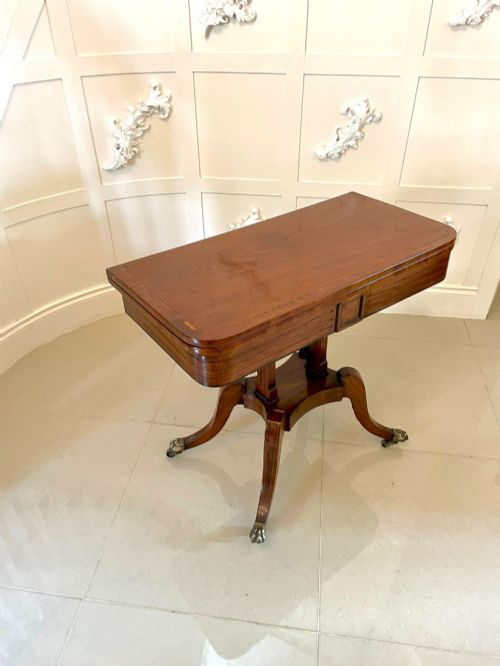
Card tables with fold-over tops and sofa tables with drop leaves represent the standard domestic forms encountered in this selection. Centre tables and occasional tables provide smaller surfaces suited to display or functional use in a period interior.
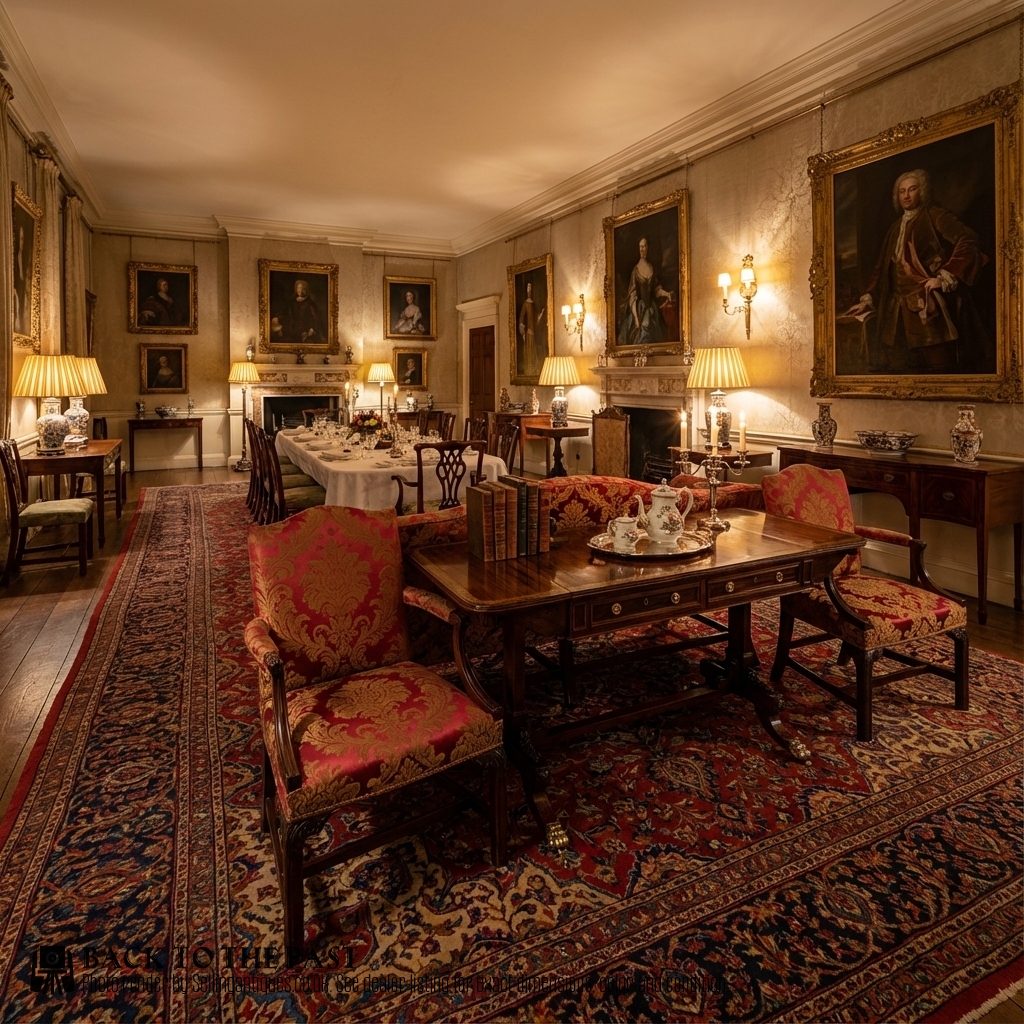
Materials and Construction
Cabinet makers utilised dense exotic hardwoods such as rosewood and mahogany as the primary ground for these pieces, sometimes employing satinwood and amboyna for specific panels or crossbanding. Timber preparation required careful seasoning to prevent movement in the large surfaces of sofa tables and card table tops.
Brass was beaten, filed and fitted into precisely channelled grooves cut into the wood, creating geometric lines, scrolling foliage or brass stringing. This metalwork was frequently accompanied by gilt bronze mounts, brass sabots and castors on the supporting pedestals or legs.
Regency Brass Inlay Table Retail Price Guide 2026
Typical asking prices for regency brass inlay table among the pieces listed under this phrase on Sellingantiques today, from the lower quarter to the upper quarter. They describe what is for sale here now, not the wider market.
Listings feature nineteen-century Regency examples alongside early twentieth-century revivals, demonstrating enduring demand for brass-inlaid rosewood and mahogany forms.
Judging the Standard
The precision of the brass inlay work separates standard examples from exceptional pieces, particularly where complex scrollwork or fine stringing meets curved corners. Tight joints between the metal and the surrounding rosewood or mahogany indicate skilled hand-cutting and fitting.
Timber selection and the management of grain pattern dictate visual depth, especially on large surfaces like sofa table tops and card table leaves. The integration of structural hardware, including brass castors and sabots, reflects the overall ambition of the original workshop.
Gillows Oxford Street Workshop·George Bullock·Thomson of London·Webster, London·Charles Pratt London·Turner of London·George Orpwood·Bush of London·L. Vick of Stroud
The Regency Brass Inlay Table Glossary
- Brass stringing
- Thin filaments of brass let into the timber surface to outline panels, drawer fronts or table edges. This technique creates a delicate linear framework across mahogany or rosewood.
- Crossbanding
- A border of veneer laid perpendicular to the grain of the main surface, often framed by brass stringing. It provides a crisp visual edge to table tops.
- Fold-over top
- A hinged table top that opens to double its surface area, standard on card tables and games tables. When closed, it forms a console or side table.
- Sabot
- A metal sleeve fitted over the foot of a table leg for protection and decoration. These are frequently cast in brass and match other mounts on the piece.
- Sofa table
- A rectangular table designed to stand in front of a sofa, featuring drop leaves on either side and usually two small drawers. They often rest on end-supports joined by a stretcher.
Regency Brass Inlay Table: Frequently Asked Questions
What is a regency brass inlay table?
These pieces are nineteenth-century domestic tables decorated with yellow metal lines and scrolls set into dark woods like rosewood and mahogany. They include card tables, sofa tables and centre tables made for formal entertaining.
Cabinet makers used the metal to trace the outlines of tabletops, friezes and pedestal bases. The style relies on sharp contrast between polished brass and figured timber.
How were card tables used?
Card tables served as side or console furniture when closed against a wall during the day. In the evening, the hinged top unfolded to reveal a baize-lined surface for whist, quadrille or other card games.
Their dual function made them essential for drawing rooms where space was managed for different social occasions. Many incorporate small wells beneath the folding top to hold counters and cards.
Where should I place a sofa table?
Sofa tables work well freestanding behind low seating or placed against a wall as a slim console. The drop leaves allow the surface area to adjust depending on the room layout.
Because these tables were finished on all sides to sit in the middle of a room, they look correct away from walls. The twin pedestals and stretcher base provide stability without blocking light.
How do I spot a later revival piece?
Revival pieces from the twentieth century often utilise different internal construction methods and cleaner, more uniform timber stocks than nineteenth-century originals. Examining the secondary woods beneath the frame reveals the age of the structure.
Nineteenth-century examples show hand-cut joinery and individual tool marks within the brass channels. Twentieth-century interpretations reflect the design vocabulary of the earlier period using contemporary workshop practices.