


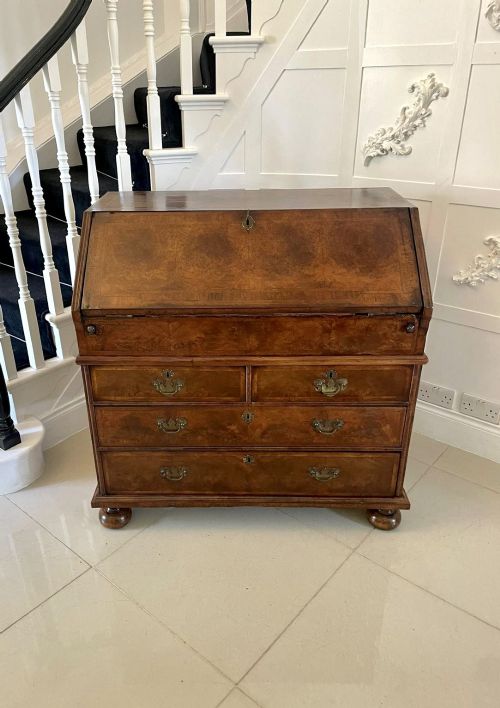
Inlaid Writing Bureau
An inlaid writing bureau brings together fitted compartments, a sloping or flat writing surface, and precise woodwork from several centuries of craftsmanship.
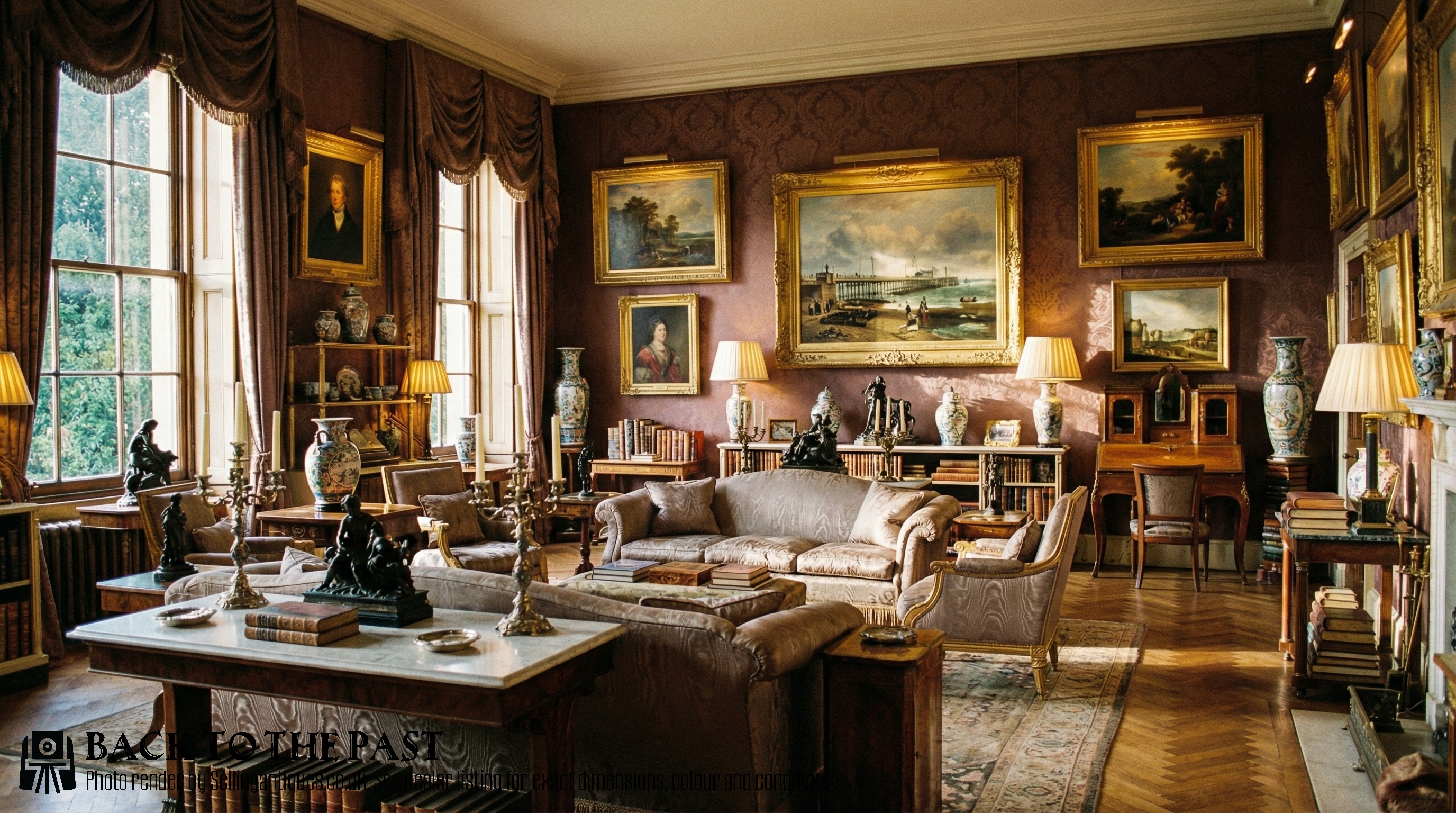
Inlaid Writing Bureau
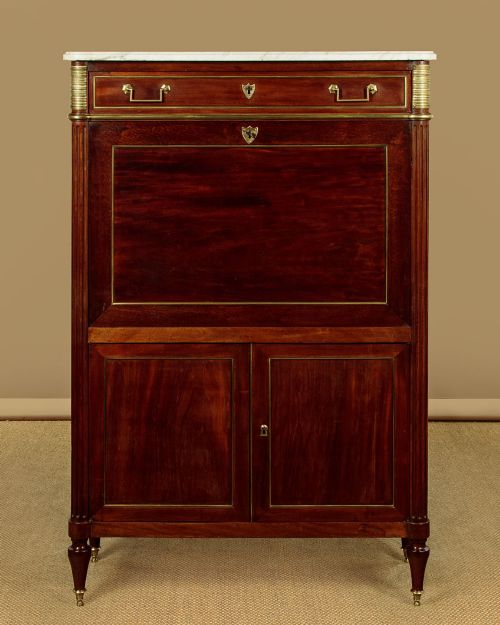
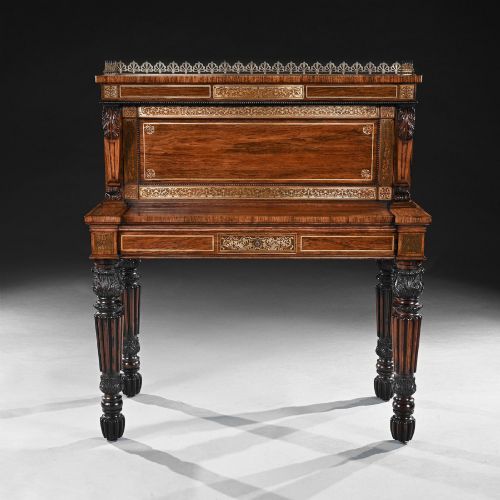
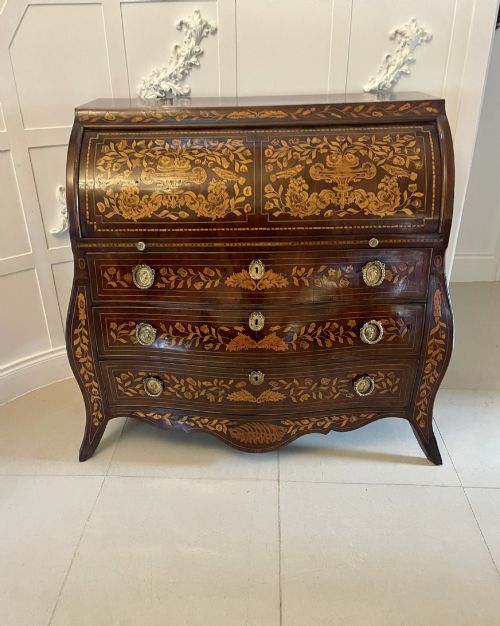
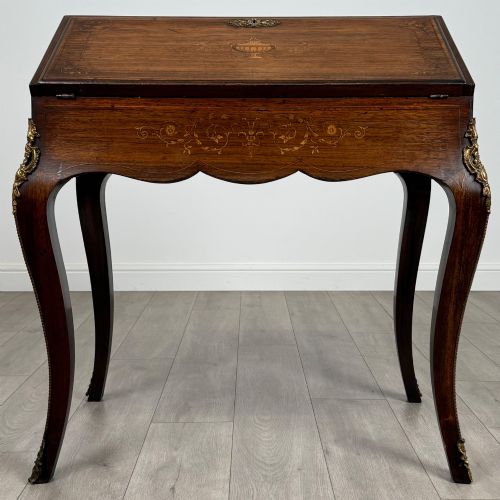
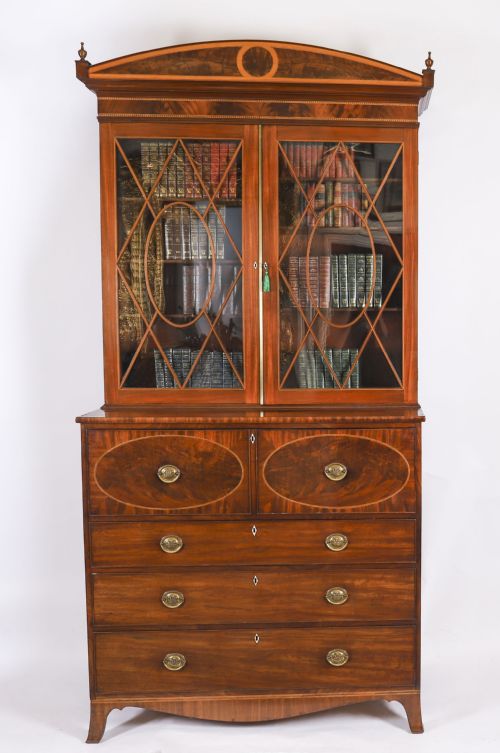
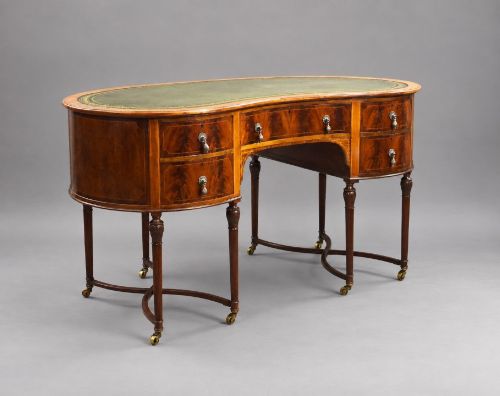
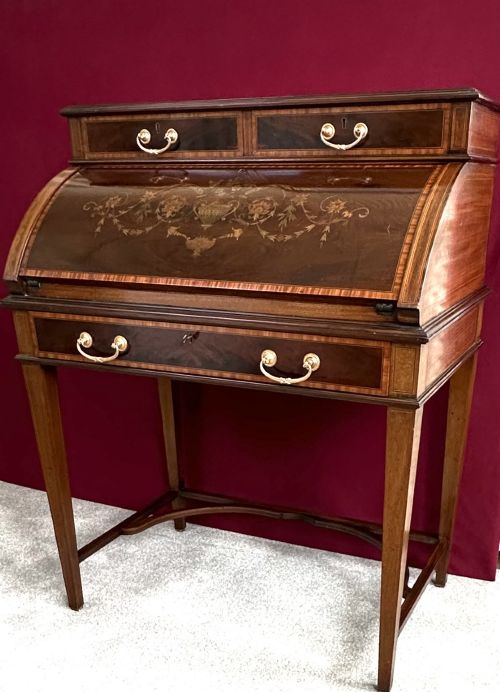
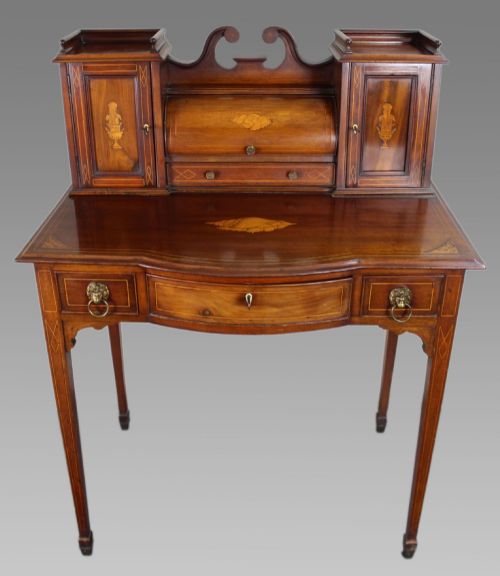
When searching for an inlaid writing bureau, buyers encounter various forms including fall-front bureaux, cylinder desks, bureau bookcases, and bureau plat tables. These pieces span centuries, appearing in Georgian, Victorian, and Edwardian iterations alongside continental revival styles.
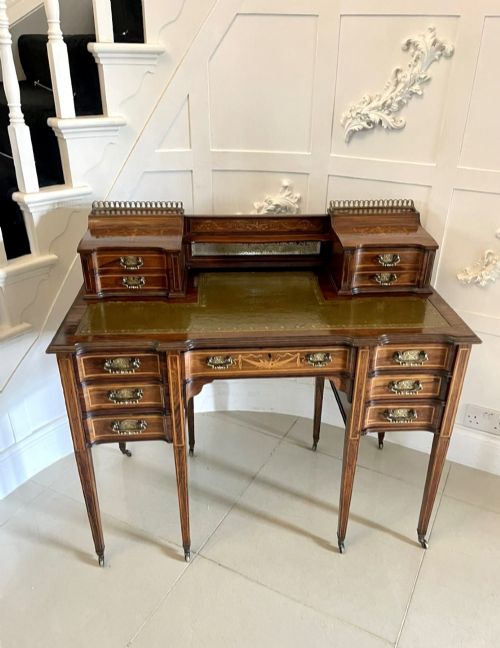
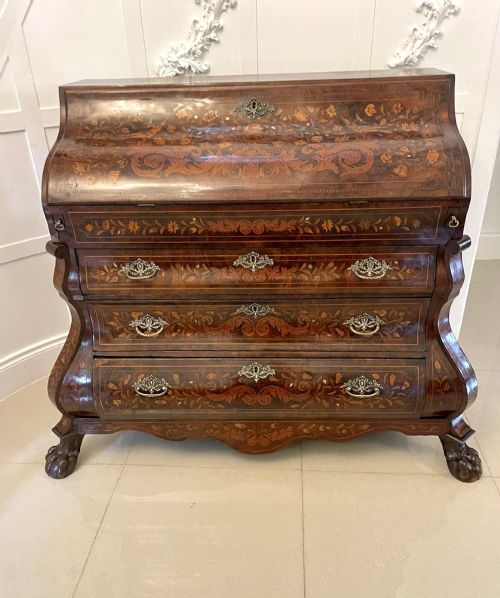
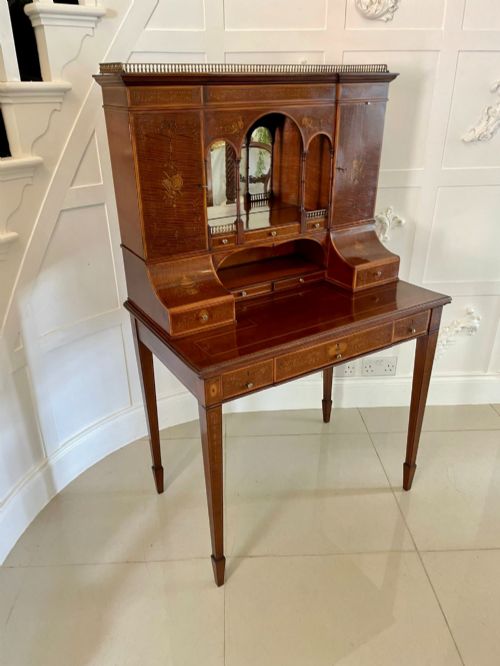
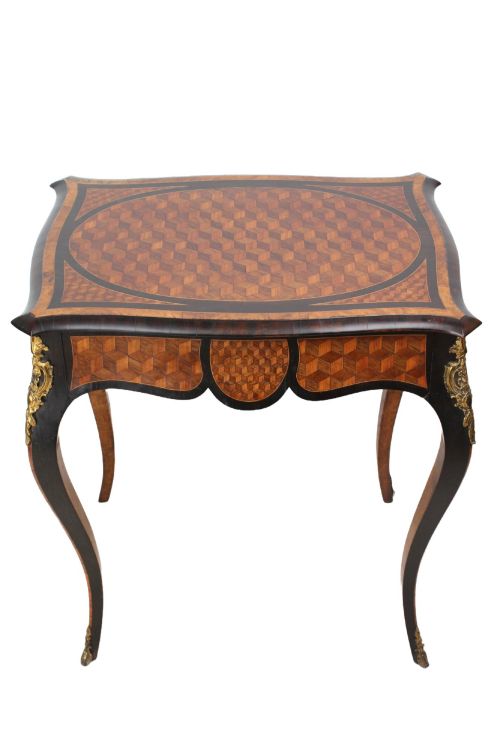
The Edwardian mahogany model with multiple drawers forms a significant portion of what turns up on the market. Alongside these, larger bureau bookcases and French-influenced writing tables with elaborate marquetry surface designs emerge regularly.
Origin and period dictate the character of each piece, ranging from English walnut and mahogany constructions to French kingwood and rosewood examples. Choosing between a compact lady's desk and a towering bureau bookcase depends entirely on the space available and storage requirements.
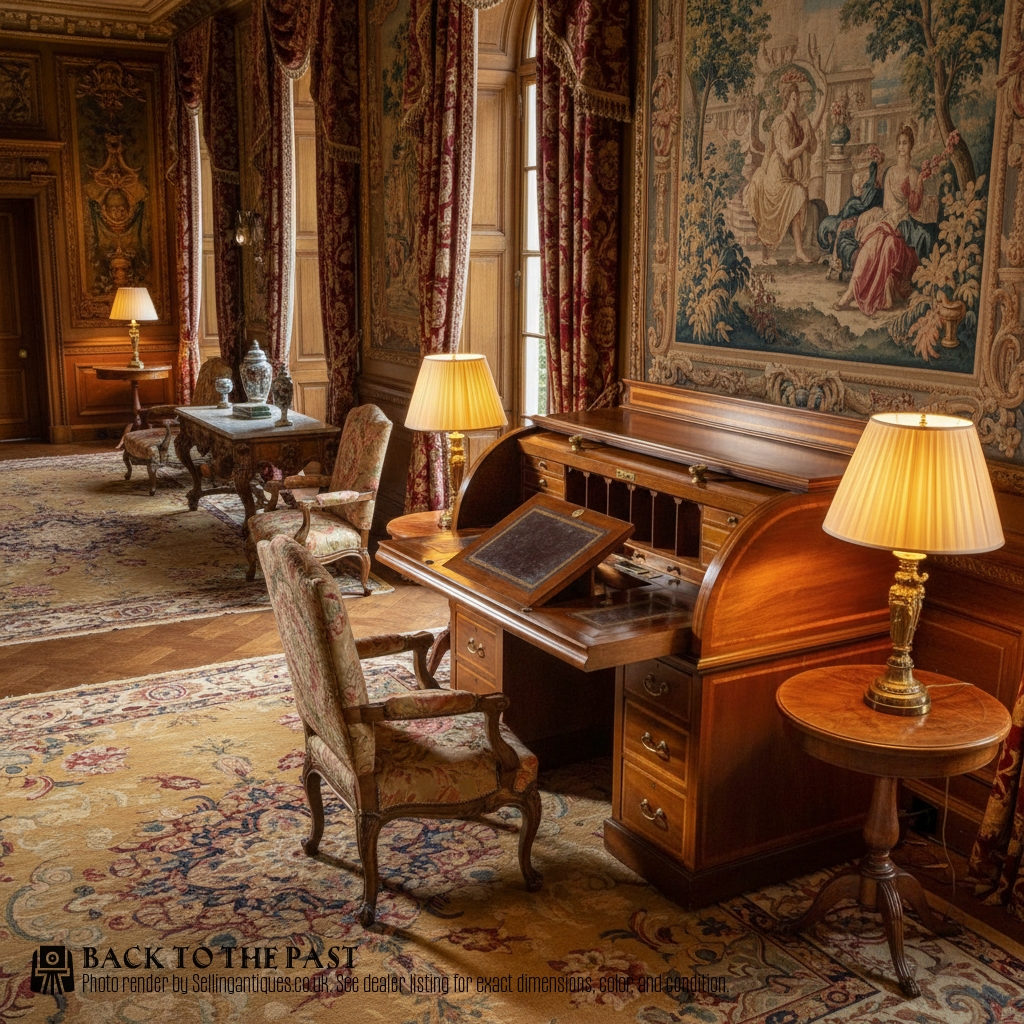
Materials and construction methods
Cabinet makers built these pieces using solid and veneered timbers such as mahogany, walnut, rosewood, and satinwood, often applying contrasting stringing and floral marquetry. Brass mounts, leather inserts, and glass doors frequently completed the composition of finer desks.
Inlay techniques involved cutting precise recesses into timber bases to receive fitted pieces of differently coloured woods or metals. This labour-intensive method required steady hands and sharp chisels to ensure flush, seamless surfaces across curves and flat panels alike.
Inlaid Writing Bureau Retail Price Guide 2026
Typical asking prices for inlaid writing bureau among the pieces listed under this phrase on Sellingantiques today, from the lower quarter to the upper quarter. They describe what is for sale here now, not the wider market.
Listings feature writing desks constructed from satinwood, kingwood, and ebonised walnut alongside standard mahogany.
Distinguishing quality across pieces
Quality rests upon the precision of the timber matching and the depth of the marquetry work. Finer examples display intricate, multi-toned floral designs where individual petals and leaves are shaded by scorching, whereas lesser items rely on simpler linear stringing.
Interior architecture also marks the distinction between standard production and workshop masterpieces. Superior desks feature secret compartments, finely dovetailed small drawers, and fitted leather writing slopes that integrate smoothly into the primary structure.

Maple and Co·Gillows Oxford Street Workshop·JAS Shoolbred·Maison Krieger·Edwards and Roberts
The Inlaid Writing Bureau Glossary
- Marquetry
- Decorative veneer work forming pictures or patterns using various woods. Craftsmen cut multiple thin layers of timber simultaneously to create interlocking motifs.
- Secretaire
- A piece of furniture containing a concealed writing drawer or fold-down writing flap. These often disguise themselves as standard chests of drawers or bookcases.
- Parquetry
- Geometric mosaic woodwork used for floors and furniture surfaces. It relies on repeating angular shapes like squares, triangles, and lozenges.
- Bureau Plat
- A freestanding double-sided writing table fitted with drawers beneath the top. Originating in France, these lack the superstructure of a traditional slant-front desk.
- Cylinder Desk
- A writing desk featuring a rotating quarter-cylinder shutter that conceals the pigeonholes and writing surface. Pulling out the desk slope automatically retracts the cylinder.
- Stringing
- Thin inlay lines of contrasting wood used to outline panels and drawers. It adds subtle linear definition to larger expanses of veneer.
Inlaid Writing Bureau: Frequently Asked Questions
What is a bureau bookcase?
A bureau bookcase combines a slant-front writing desk at the base with enclosed shelving or cabinet doors above. This dual-purpose form provides both working space and library storage in a single footprint.
These taller units frequently feature glazed upper doors and fitted interior compartments inside the fall-front section. They require substantial vertical clearance and floor space compared to standalone writing tables.
How do I identify an Edwardian bureau?
Edwardian bureaux often utilise lightweight mahogany frames decorated with satinwood crossbanding and delicate shell or floral inlay. They frequently stand on slender tapered legs rather than heavy bracket feet.
Many examples produced during this era prioritised domestic utility, resulting in smaller proportions suitable for bedrooms and parlour rooms. The interior fittings typically consist of simple pigeonholes and small stationary drawers.
What distinguishes marquetry from parquetry?
Marquetry involves arranging varied veneers to form pictorial scenes, scrolls, or floral arrangements. Artisans use curved lines and organic shapes to build up rich surface decoration.
Parquetry sticks to rigid geometric grids and repeating angular patterns. Both techniques add visual texture to writing desks, though they appear in different proportions depending on the period.
How were fall-front desks used?
The hinged writing flap dropped down to reveal a surface for correspondence, supported by wooden pull-out lopers or the closed drawer fronts below. This kept writing materials neatly hidden away when not in use.
Inside, owners stored stationery, inkwells, and letters within small tiered compartments. Folding the front back up restored a tidy, unified cabinet appearance.