

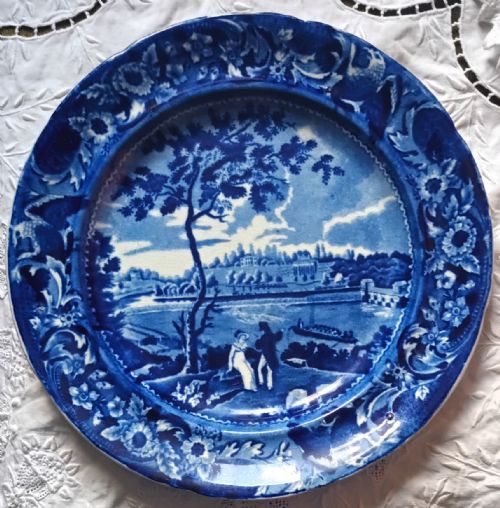

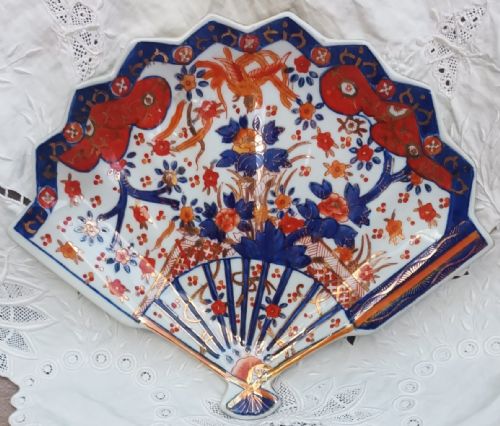
Underglaze Blue Ceramic Plate
An underglaze blue ceramic plate brings centuries of kilncraft to the table, offering durable cobalt patterns beneath a clear glaze.
Underglaze Blue Ceramic Plate
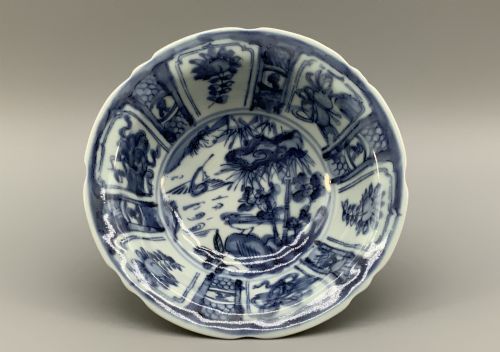
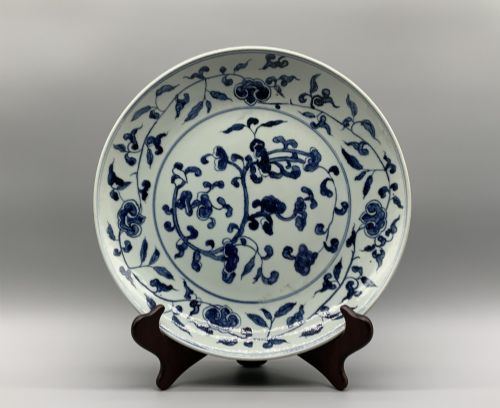
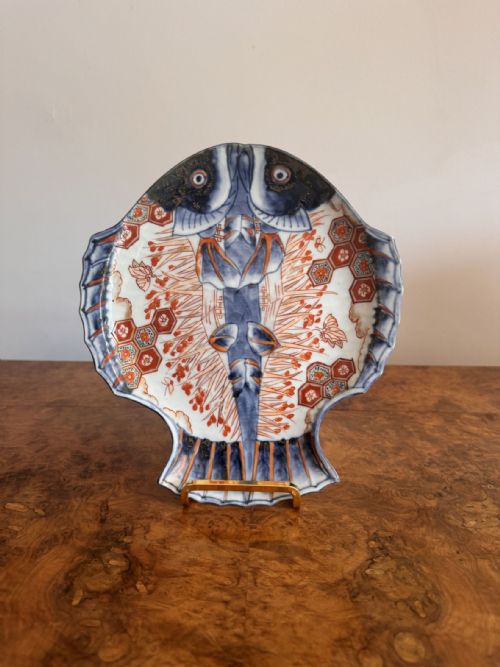
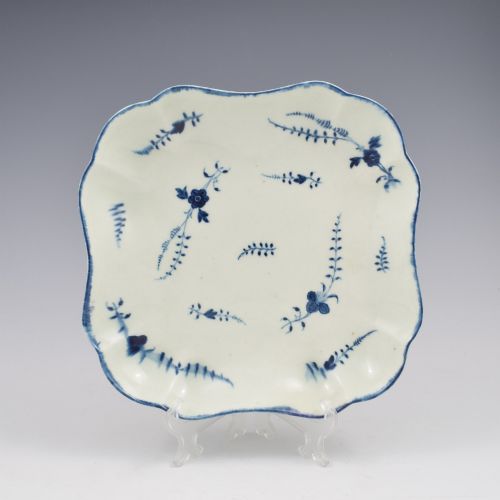
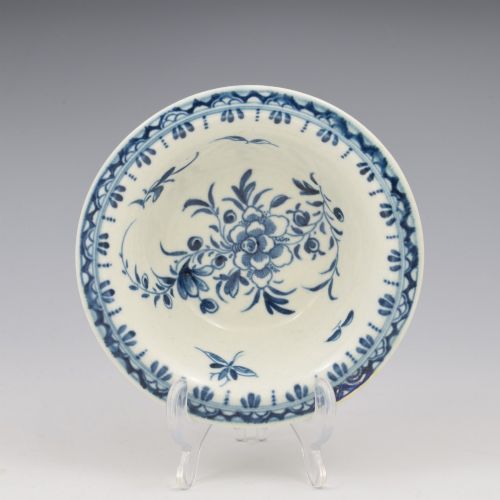
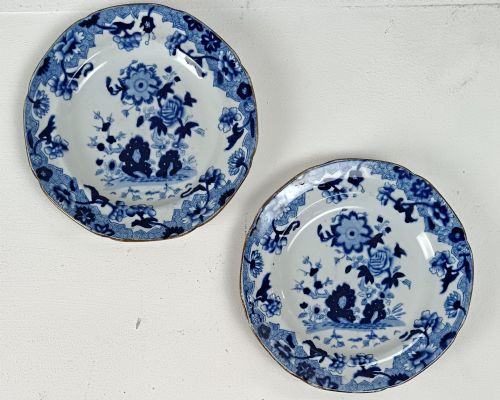
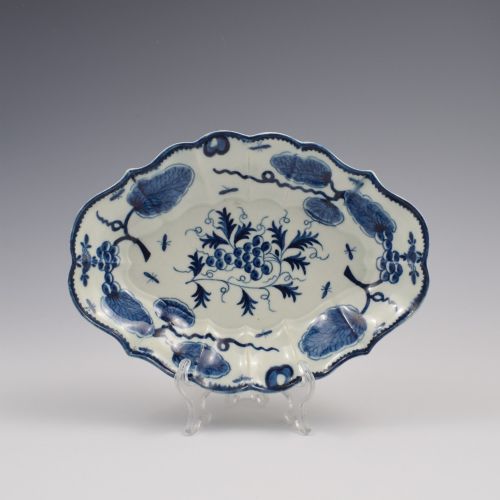
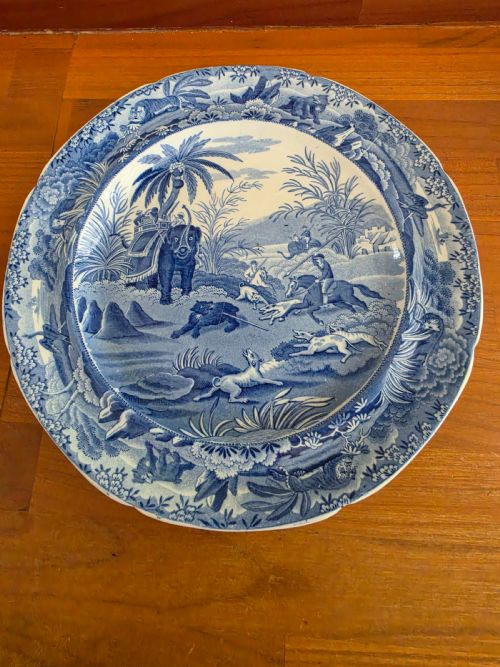
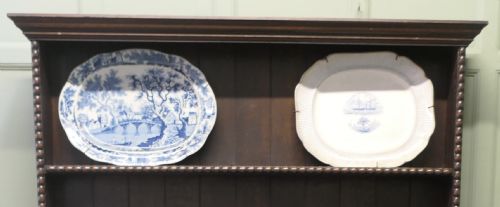
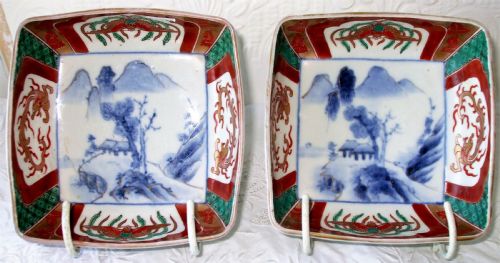
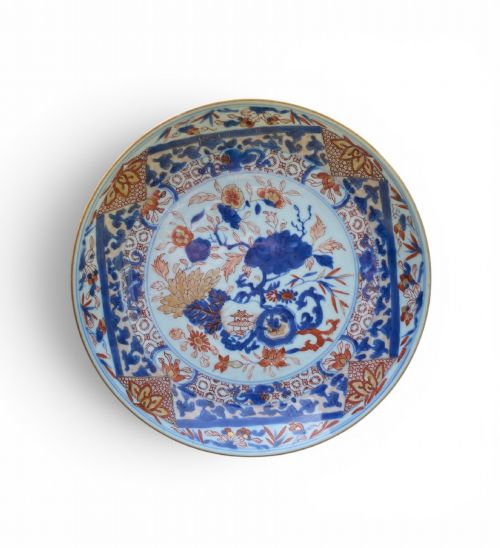
When you search for an underglaze blue ceramic plate, you encounter items ranging from Georgian English transferware to eighteenth-century Chinese export porcelain and Japanese Imari chargers. These objects serve as decorative dishes, platters, and table ceramics produced across the seventeenth, eighteenth, nineteenth, and early twentieth centuries. The selection leans heavily toward Japanese Imari porcelain alongside Chinese blue and white wares and English Staffordshire productions.
Forms vary from standard circular plates to lobed bowls, hexagonal shapes, scalloped edges, and fish-formed dishes. You find single items alongside pairs and larger matching collections designed for display or dining use. Origins span diverse historical periods including the Kangxi period, Qing dynasty, Meiji period, and Georgian era.
How they were made
Potters applied cobalt pigment directly onto the clay body before firing and glazing, allowing the colour to fuse permanently beneath the glassy surface at high temperatures. This technique prevents the design from wearing away during use. Some pieces incorporate supplementary enamel or gold leaf applied over the glaze in subsequent low-temperature firings.
Bodies utilise porcelain, soft-paste porcelain, earthenware, and New Stone formulations. The resulting ceramic receives a clear glaze that protects the painted cobalt motif and yields either a bright reflective finish or a softer sheen depending on the paste composition.
Materials range widely across porcelain, earthenware, soft-paste bodies, and enamel highlights.
What varies in quality
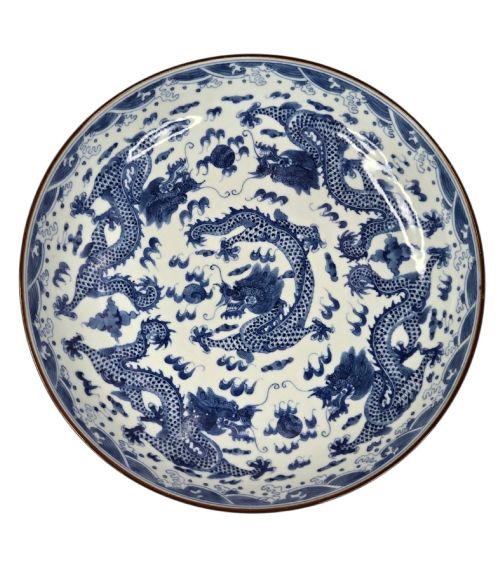
Quality rests in the crispness of the cobalt painting, the symmetry of the ceramic body, and the complexity of the form. Plates featuring intricate hand-painted dragon motifs, carp, or finely detailed Chinoiserie scenes demonstrate superior brushwork compared to simpler production pieces.
The sophistication of the shaping - such as scalloped edges, hexagonal facets, or moulded fish contours - separates standard utility wares from exceptional decorative chargers and dessert dishes.
Stubbs
The Underglaze Blue Ceramic Plate Glossary
- Underglaze blue
- A decorative technique where cobalt oxide paint is applied to the raw ceramic body before glazing and firing. This method ensures the pigment melts into the glaze during high-temperature kilning.
- Imari
- A style of Japanese porcelain originating in Arita, traditionally characterised by cobalt blue and iron red decoration often enriched with gold. Exported widely to Europe from the seventeenth century onward.
- Soft-paste porcelain
- A ceramic composition made from clay and glass frit rather than hard-paste ingredients like kaolin and petuntse. It fires at lower temperatures and produces a warmer, softer glaze appearance.
- Charger
- A large decorative plate or platter used historically for ceremonial display or as a base plate for courses. They measure considerably wider than standard dining plates.
- Transfer printing
- A method of decorating ceramics by engraving a design onto a copper plate, pulling an impression on paper, and transferring the ink onto the biscuit pottery before glazing.
Underglaze Blue Ceramic Plate: Frequently Asked Questions
How do I display a large charger safely?
Large chargers and platters are best supported by sturdy wall wire hangers designed specifically for heavy ceramics or displayed securely on dedicated plate stands within cabinets.
Ensure the mounting hardware takes the full weight of the porcelain without putting direct pressure on the rim or the glazed surface.
Can I use these antique plates for serving food?
Most historic pieces containing lead glazes or delicate overglaze enamel and gold leaf are recommended for display rather than active dining.
Sturdier nineteenth-century ironstone or transferware plates tolerate occasional gentle hand washing if used for light entertaining.
How do I distinguish Japanese Imari from Chinese export porcelain?
Japanese Imari typically combines underglaze cobalt blue with iron red and gold enamel in dense, ornate floral or brocade patterns upon a greyer or crisper white paste. Chinese export blue and white relies more strictly on cobalt designs depicting landscapes, figures, or dragons.
Examining the foot ring and paste texture helps clarify the specific kiln origin and period.
What does underglaze mean for durability?
Because the cobalt pigment is painted beneath the clear glaze layer, the colour cannot chip, scratch, or fade away with handling and washing.
This makes underglaze blue ceramic pieces remarkably resilient survivors from the eighteenth and nineteenth centuries.