




19th Century Blue Platter
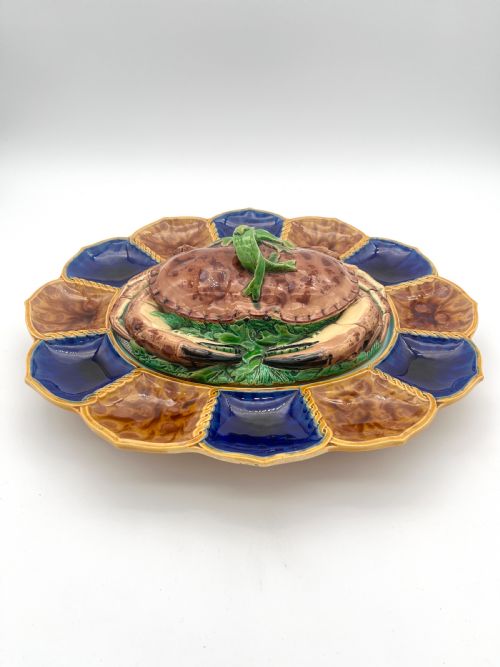
A 19th century blue platter brings the richness of transferware and oriental export design straight to the table or wall.
19th Century Blue Platter
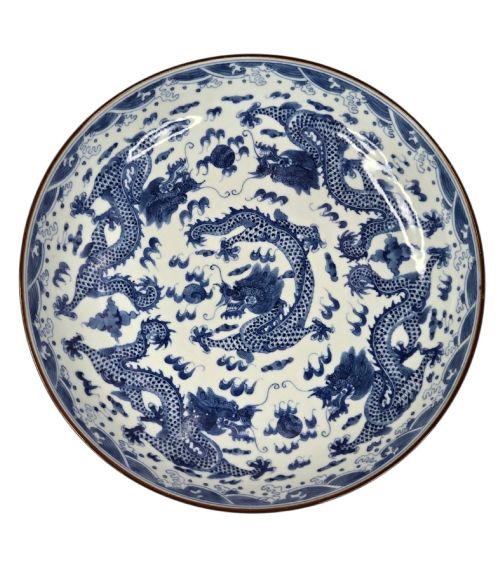
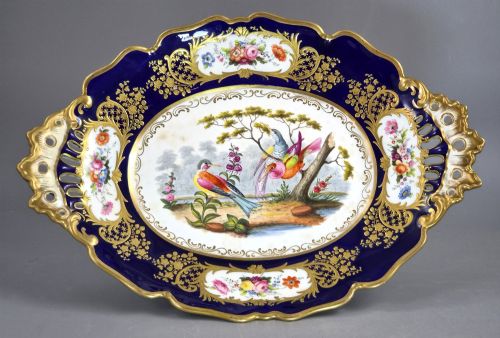
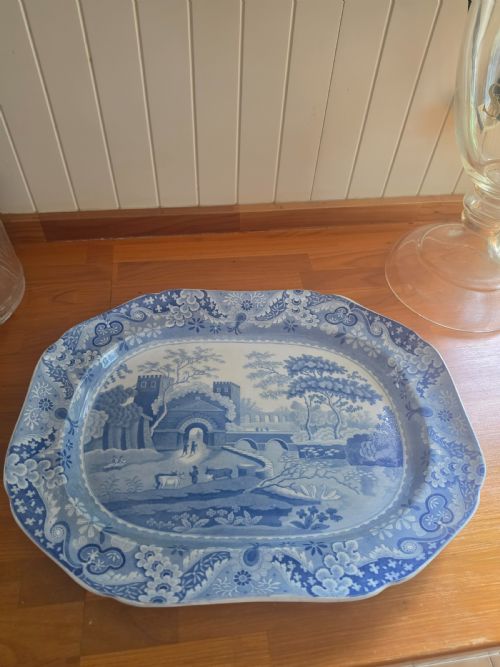
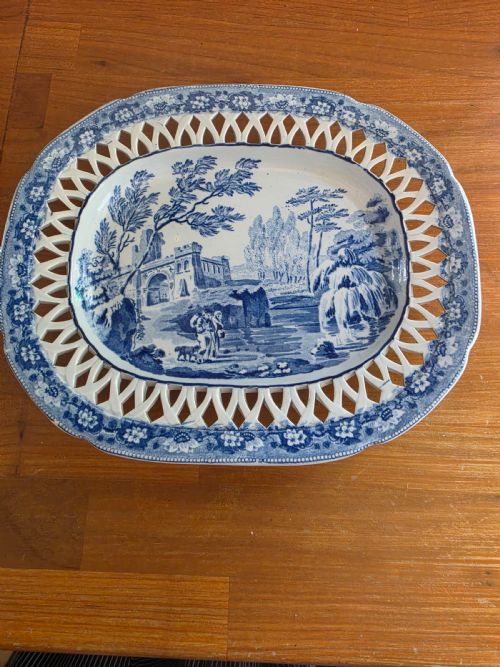
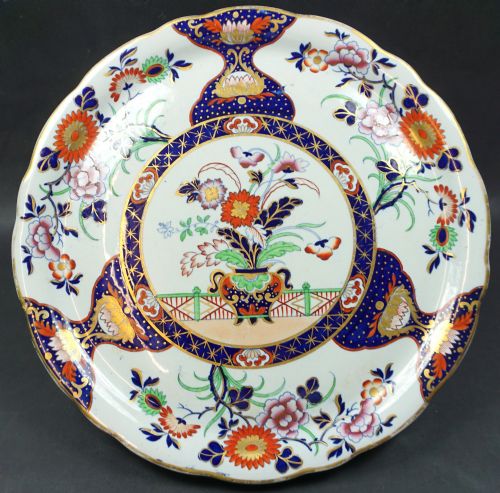
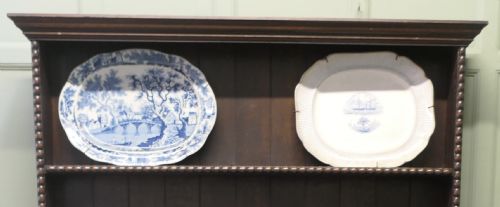
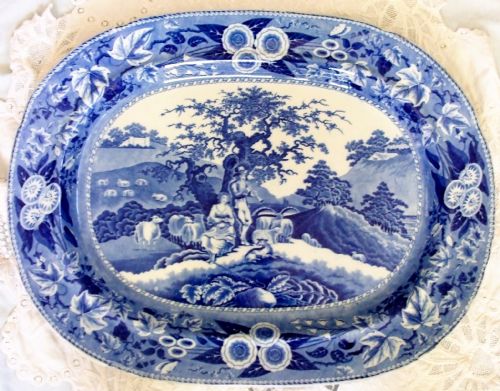
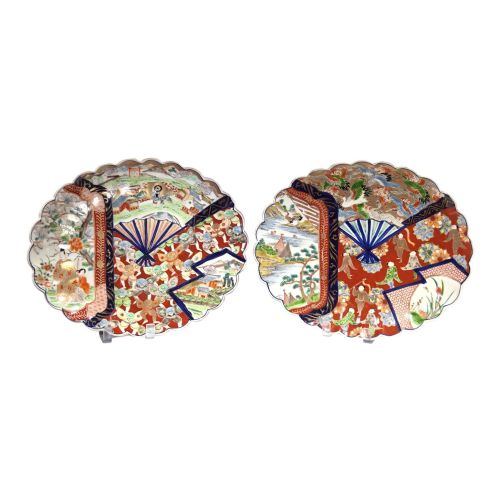
A 19th century blue platter encompasses large serving pieces, meat plates, and decorative chargers created across Georgian, Regency, and Victorian periods. Collectors encounter both English earthenware transferware bearing scenic views and imported Japanese Imari or Chinese porcelain pieces.
The dominant forms on this page include oval meat platters and circular chargers intended for display or service. These items reflect diverse origins, ranging from Staffordshire potteries to Meiji period workshops.
Materials and construction
Potters shaped earthenware, ironstone, and porcelain before applying cobalt blue pigments beneath a translucent glaze. Transfer printing allowed complex pictorial designs like landscapes and exotic birds to be transferred onto the ceramic surface from engraved copper plates.
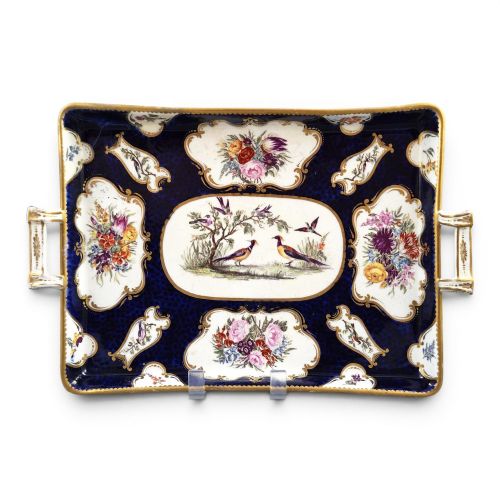
Japanese pieces utilise cloisonne enamel on metal bases or porcelain painted in underglaze blue and iron-red with added gold leaf details. Firing techniques determined the depth of the glaze and the permanence of the colour.
Listings feature earthenware, porcelain, and cloisonne enamel across Georgian, Victorian, and Meiji periods.
Factors that separate examples
The clarity and registration of the transfer print dictate visual success, where sharp lines separate superior topographical scenes from blurred impressions. Artisanal hand-colouring or gilding applied over the glaze adds depth to certain English and Japanese wares.
Body weight and the absence of warping during the high-temperature kiln firing distinguish utilitarian meat plates from exhibition-grade chargers. Maker attribution, through factory marks or distinctive patterns, establishes provenance.
Coalport·Spode·Davenport·Hicks and Meigh·Minton·John Ridgway·Copeland and Garrett·Samson
The 19th Century Blue Platter Glossary
- Transferware
- Earthenware or porcelain decorated by applying a printed design from an engraved copper plate onto the ceramic body. This method enabled mass production of detailed pictorial scenes in cobalt blue.
- Imari
- A style of Japanese porcelain featuring a palette of underglaze blue, iron-red, and gilt highlights. These pieces were widely exported to Europe during the 19th century.
- Charger
- A large decorative plate utilised primarily for display on walls or sideboards rather than for serving food. They often measure well over thirty centimetres in diameter.
- Cloisonne
- A metalwork technique where compartments are created using soldered wire and filled with enamel paste before firing. This method appears on Japanese decorative trays in the archive.
19th Century Blue Platter: Frequently Asked Questions
How were these platters used originally?
Large platters served roast joints and heavy meats at formal dining tables, often paired with earthenware drainers to catch juices. Circular chargers were frequently displayed on sideboards or hung on dining room walls.
Smaller trays and dishes handled side courses, cheese, or desserts within affluent nineteenth-century households.
Can I use these antique platters for food?
Most nineteenth-century earthenware and transferware can safely serve dry or cold foods today. However, crazing in the historical glaze may absorb liquids over time.
Decorative chargers and pieces with overglaze metallic gilding or enamel work are better preserved when kept off the dining table.
How do I date a blue and white platter?
Makers' marks stamped or printed on the reverse offer the most direct path to dating a piece. Stylistic clues, such as Regency border patterns or Victorian gothic motifs, narrow down the decade of manufacture.
The weight of the ceramic body and the depth of the blue transfer also indicate whether a piece originates from the early or late nineteenth century.
What is the difference between earthenware and ironstone?
Standard earthenware utilises porous clay fired at lower temperatures, making it heavier and more prone to minor chips. Ironstone is a denser, vitrified refined earthenware patented in the nineteenth century to mimic porcelain durability.
Ironstone pieces generally feature a harder white body and a crisper ring when tapped.