
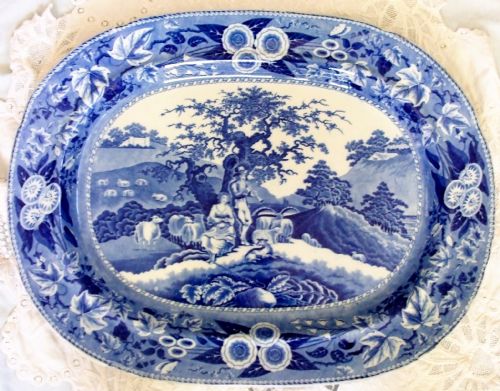


Oval Ceramic Serving Tray
These oval ceramic serving tray examples range from Georgian transferware to Victorian meat platters, offering practical utility and historic tableside charm.
Oval Ceramic Serving Tray
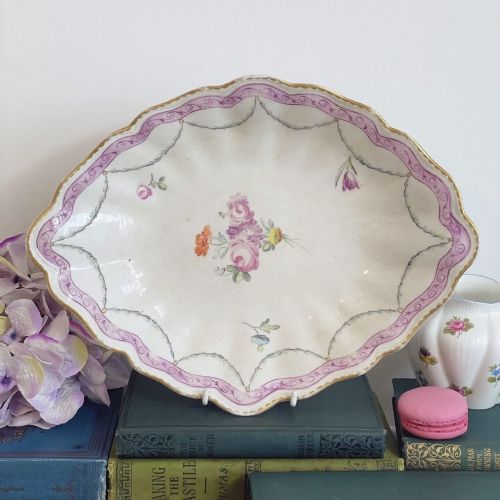
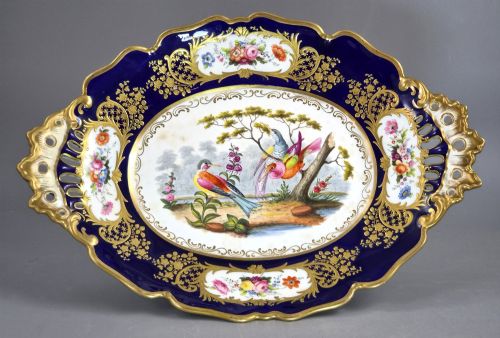
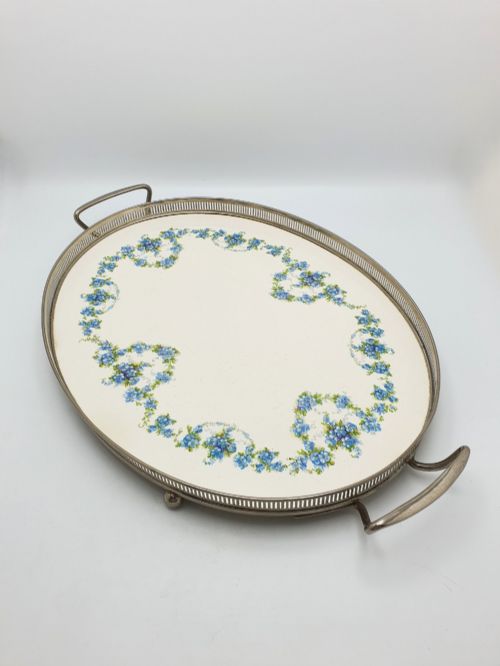
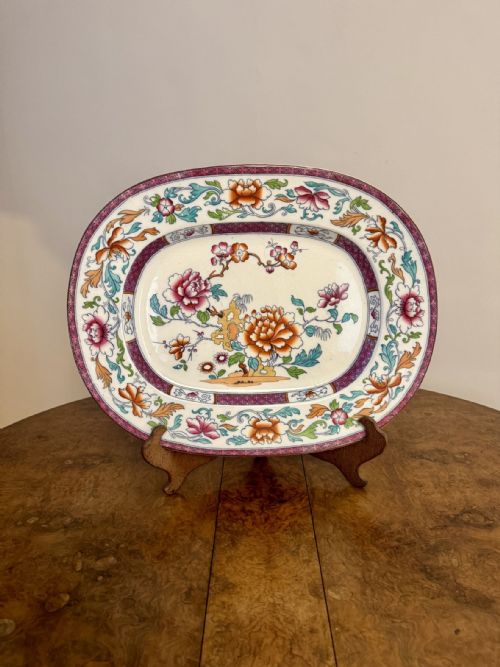
An oval ceramic serving tray brings together functional dining forms and decorative artistry spanning the eighteenth century through to the early twentieth century. When searching for an oval ceramic serving tray, buyers encounter heavy meat platters, dessert dishes, and serving platters produced by notable English, Continental, and Chinese makers.
The domestic dining table forms the natural habitat for these pieces, which were historically utilised for presenting joints of meat, fish, or desserts to guests. Surviving examples reflect shifting aesthetic tastes, moving from eighteenth-century handpainted florals to nineteenth-century blue and white transfer printing and ornate Victorian revival styles.
How They Were Made
Potters shaped these vessels using earthenware and porcelain bodies, which were then fired and finished with transparent or opaque glazes. Decoration was applied through handpainted polychrome enamels, delicate gilding with gold leaf, or cobalt blue transfer printing.
Factories employed skilled artisans to execute intricate botanical studies, exotic birds, and pastoral scenes directly onto the ceramic surface before a final high-temperature kiln firing.
Listings feature porcelain and earthenware bodies decorated with enamel, glaze, and gold leaf across Georgian and Victorian periods.
What Varies in Quality
The crispness of the transfer printing or the brushwork mastery in handpainted details dictates the visual success of the piece. Superior examples display balanced composition, rich glaze depth, and well-preserved gilding without rubbing.
Factory attribution and factory marks significantly influence standing, with recognised makers such as Derby, Worcester, and Meissen commanding distinct attention compared to unmarked utilitarian platters.
Derby·Coalport·Samson, Paris·Royal Worcester·Barr, Flight & Barr Worcester·Royal Crown Derby·Meissen
The Oval Ceramic Serving Tray Glossary
- Transferware
- Pottery decorated by applying a printed design from a copper plate onto paper and then transferring the ink onto the ceramic body before glazing. This technique allowed for intricate repeating patterns like the Piping Shepherd.
- Polychrome
- Decoration utilising multiple distinct colours painted onto the ceramic surface. It is frequently seen on floral motifs and pictorial scenes.
- Porcelain
- A hard, fine-grained, translucent ceramic fired at high temperatures. It forms the base for finer dessert dishes and decorative trays.
- Bleu Céleste
- A bright sky-blue glaze colour developed at the Sèvres factory and later adopted by other European makers such as Samson. It provides a striking background for painted reserves.
- Gilding
- The application of gold leaf or gold paint to ceramic rims and handles. This decorative touch highlights the moulded contours of Victorian and Georgian tableware.
Oval Ceramic Serving Tray: Frequently Asked Questions
How do I date an antique platter?
Examine the base for factory marks, impressed ciphers, or handwritten pattern numbers which often correspond to specific production decades.
Style, ceramic body type, and the nature of the transfer print or handpainting also provide strong chronological indicators.
Were these platters meant for daily use?
Most of these pieces served practical dining functions in wealthy households, particularly for presenting large joints of meat or courses of fish.
Their robust earthenware and porcelain construction allowed them to withstand regular hospitality duties before transitioning to display items.
Can I use an antique tray for serving food?
While structurally sound, antique ceramics often feature crazing in the glaze where food oils and microscopic particles can lodge over time.
Gentle hand washing is essential, and many owners prefer to utilise them for dry display or gentle serving rather than heavy daily dining.
What is the difference between earthenware and porcelain?
Earthenware is an opaque, slightly porous pottery body fired at lower temperatures, commonly found in heavy transferprinted meat platters.
Porcelain is denser, vitrified, and frequently translucent, allowing for finer dessert dishes and delicately painted cabinet pieces.