

Antique Chinese Ceramic Dish
An antique chinese ceramic dish carries centuries of kiln mastery, offering collectors vibrant hand-painted palettes and profound imperial symbolism.
Antique Chinese Ceramic Dish
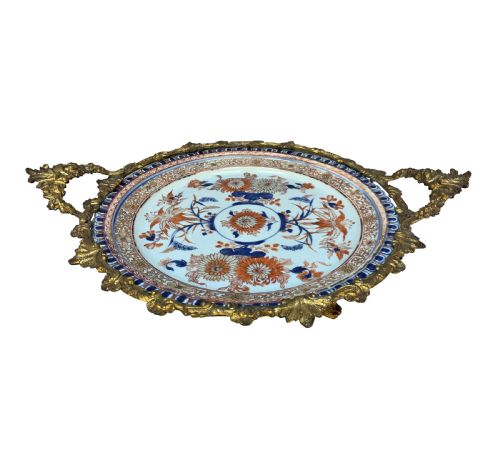
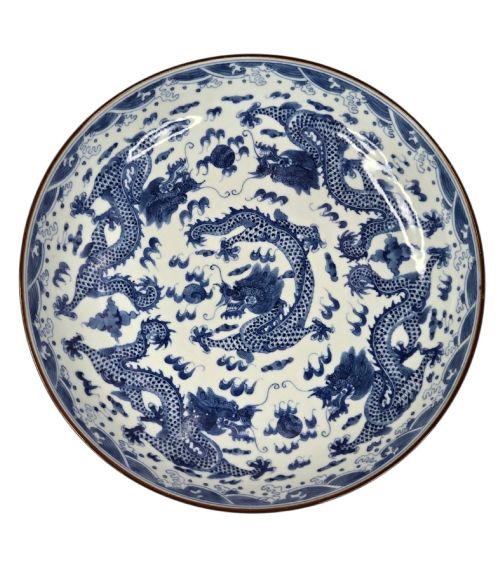
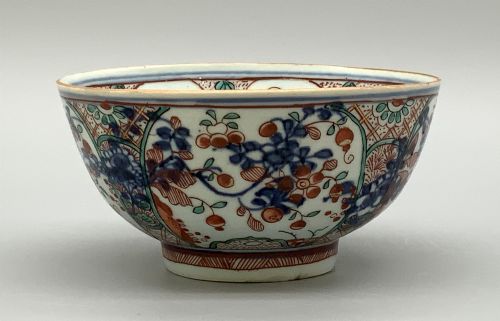
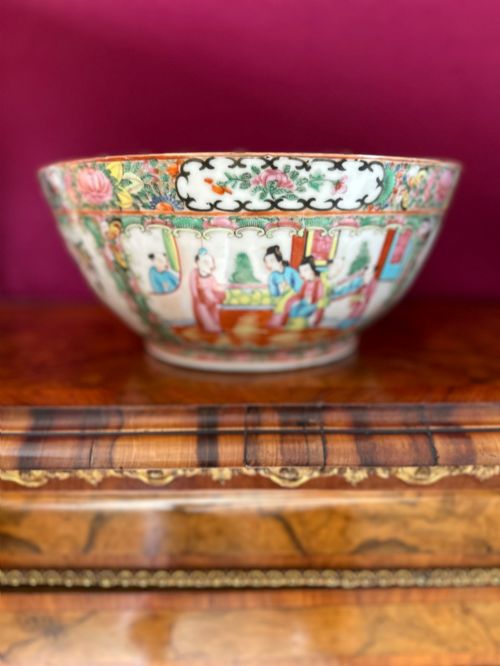
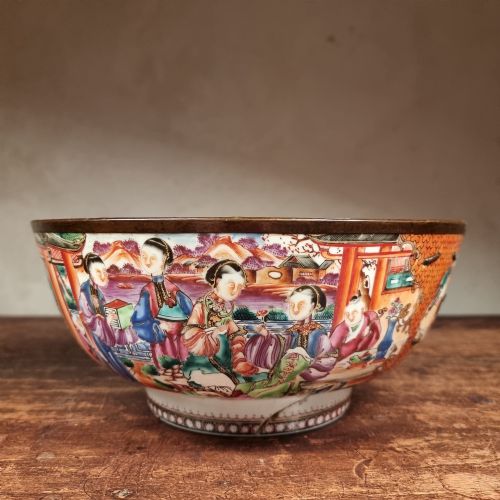
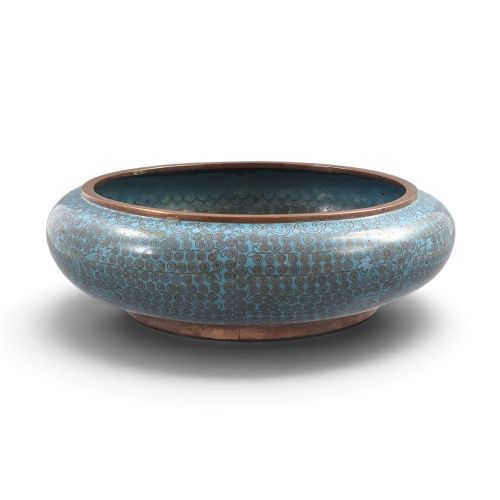
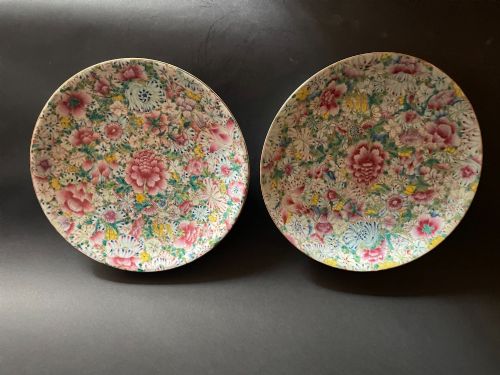
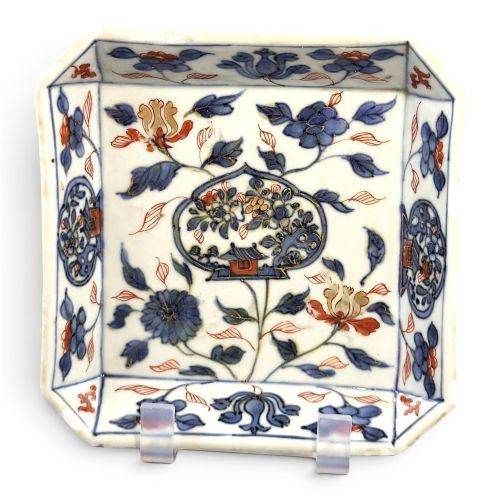
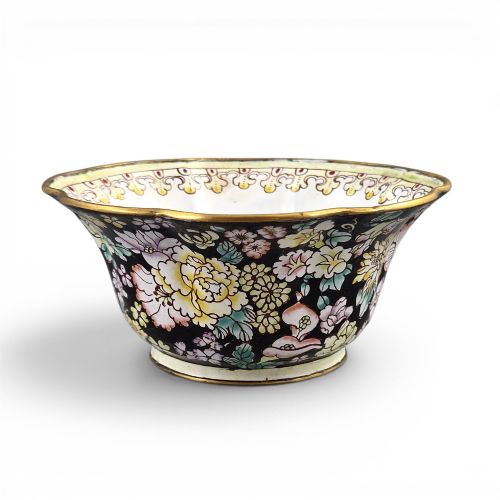
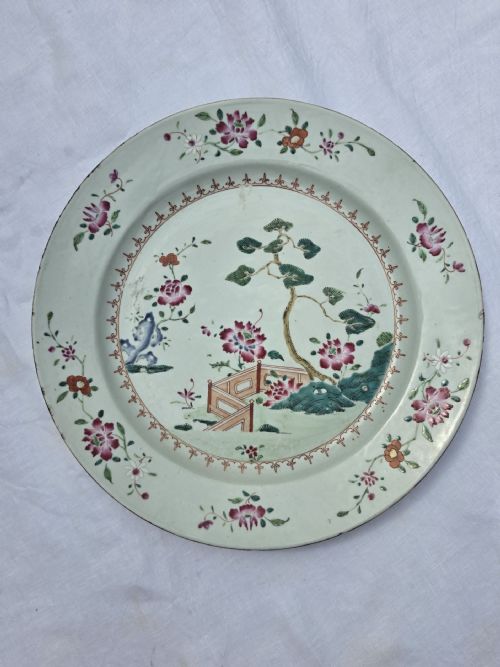
An antique chinese ceramic dish encompasses a broad spectrum of domestic and export wares, stretching from deep chargers to lobed bowls and flat platters. The pieces on this page span several dynasties and centuries, frequently appearing in forms intended for display, dining or scholarly use.
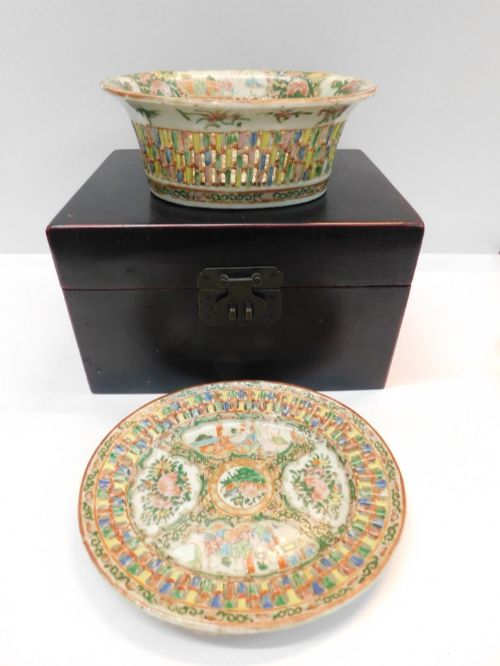
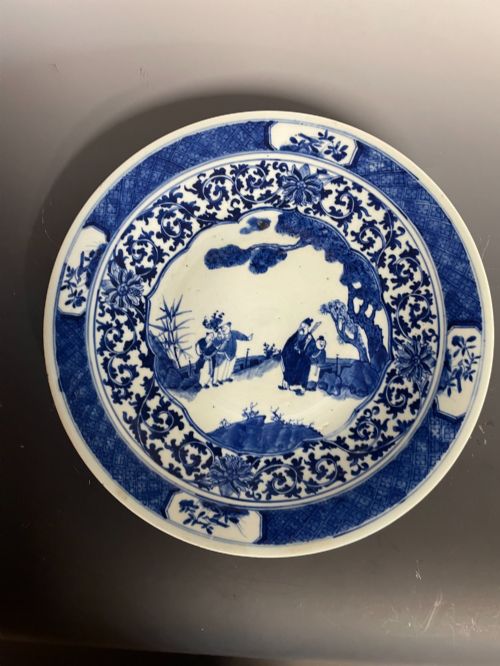
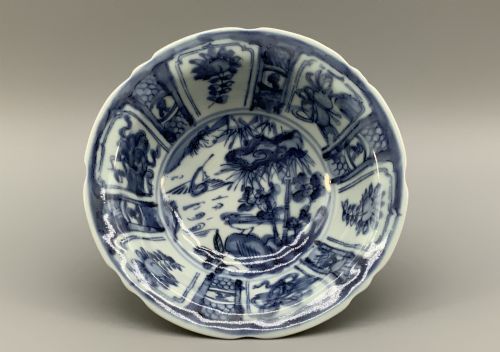
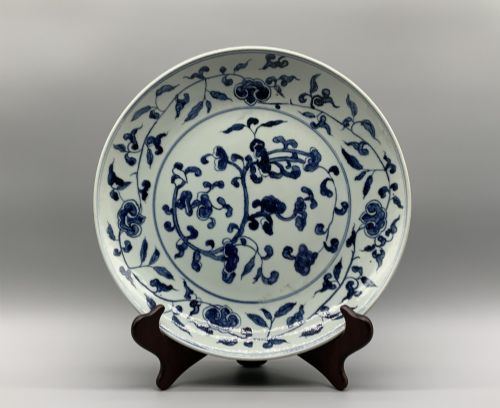
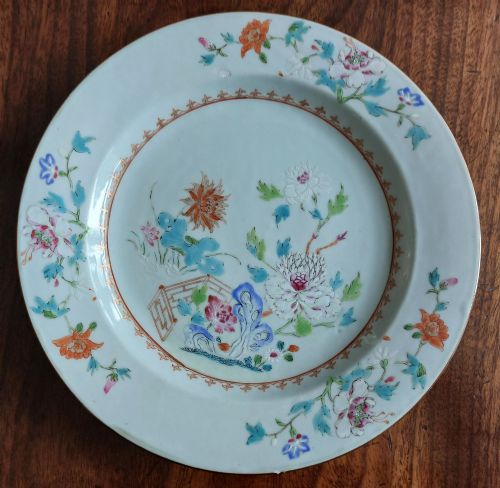
Buyers will encounter wares originating from distinct historical periods, including the Ming and Qing dynasties, alongside later export productions destined for Western markets. Common forms range from large blue and white platters to smaller famille rose plates and intricate basin dishes.
Many items display specific stylistic traits associated with reign periods like Kangxi or Qianlong, reflecting the prevailing aesthetic of imperial workshops or provincial kilns. These objects vary from everyday utility vessels to exceptional ceremonial items created for court patronage.
How they were made
Potters utilised hard-paste porcelain and ceramic bodies, shaping them by hand or wheel before applying mineral pigments beneath or over the glaze. Cobalt underglaze provided the deep blue designs on early platters, whilst subsequent overglaze techniques introduced polychrome enamels and gold leaf highlights.
Firing took place in large wood or coal-burning kilns where temperature control dictated the success of the glaze, whether producing a clear finish, a celadon wash or a crackled surface. Enamelled pieces often required a second, cooler firing to fix the delicate pigment layers onto the pre-existing glaze.
The available forms span deep chargers, serving platters, reticulated chestnut baskets, and scholarly brush washers.
What varies in quality
The refinement of the ceramic body and the precision of the cobalt or enamel painting dictate the standing of an individual piece. Finer examples display crisp, confident brushwork and well-potted walls that maintain an even thickness without warping during the intense kiln firing.
Artistic ambition and decorative harmony separate standard export items from imperial or high-status commission pieces. Superior works exhibit complex iconography, balanced compositions and flawless glaze coverage that reveals the artisan's complete mastery over materials.
Daisy Makeig Jones
The Antique Chinese Ceramic Dish Glossary
- Famille Rose
- A palette of opaque pink and red enamel colours introduced during the Qing dynasty. This versatile decorating style allowed artists to render soft floral and figurative scenes with painterly depth.
- Blue and White
- A decorative scheme utilising cobalt oxide pigment painted directly onto the clay body beneath a transparent glaze. The piece is then fired at high temperatures to achieve the signature blue motifs.
- Charger
- A large decorative plate or round dish typically employed for ceremonial presentation or grand dining displays. These substantial vessels often feature complex border patterns and central narrative scenes.
- Celadon
- A transparent green glaze applied over a pale clay body, producing a jade-like appearance through controlled reduction firing. The subtle colouration relies on iron oxide reacting within the kiln atmosphere.
- Imari
- A style of ceramic decoration originating in Japan and later imitated in China, characterised by a combination of underglaze blue, iron red and gold leaf. The resulting aesthetic is visually rich and densely patterned.
Antique Chinese Ceramic Dish: Frequently Asked Questions
How do I clean an antique dish safely?
Wash the ceramic piece by hand using lukewarm water and a mild detergent, avoiding abrasive sponges or harsh chemicals that might harm old enamel layers.
Dry the item immediately with a soft, lint-free cloth to prevent moisture pooling in natural glaze crazing or crevices.
Can I use these dishes for serving food?
Most antique ceramic dishes are best reserved for display due to potential lead content in historic overglaze enamels and the risk of accidental impact.
Display stands or secure wall mountings allow you to enjoy the visual artistry of the piece without risking structural damage.
How do I identify the dynasty?
Examine the base for reign marks, potter's signatures or specific stylistic indicators such as footrim finish and glaze texture that correspond to historical eras.
Compare the cobalt tone, painting technique and subject matter against established examples from periods like Kangxi or Qianlong to confirm origin.
Why do some pieces have gilt highlights?
Gold leaf was applied over the fired glaze to enhance the decorative richness of export and imperial wares, particularly during the 18th and 19th centuries.
This precious metal application required a final low-temperature fixing to bond the gold permanently to the hardened enamel surface.