
Standing Dressing Mirror
A standing dressing mirror is an essential furnishing that brings depth and practicality to a room, ranging from grand cheval frames to compact toilet glasses.
What these pieces are
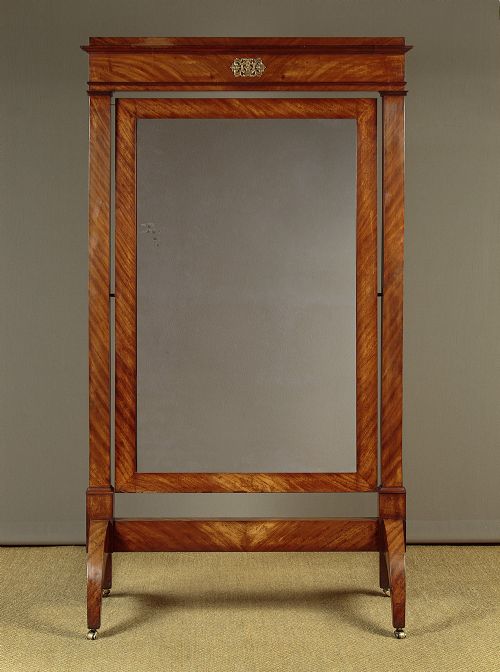
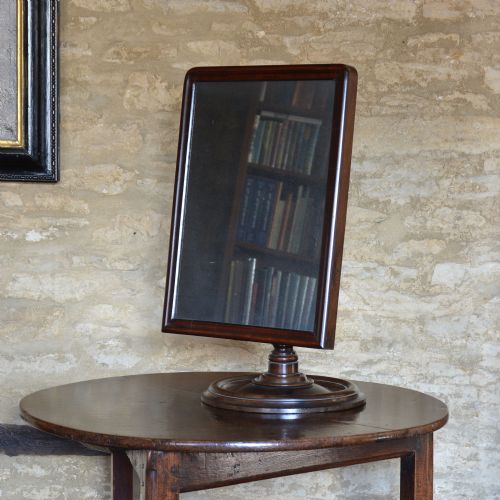
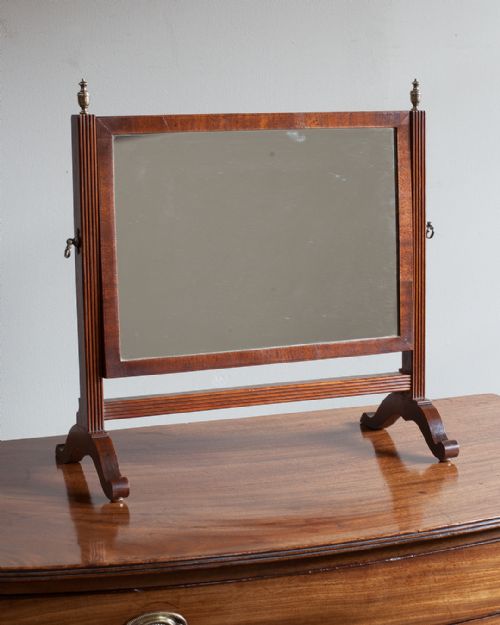
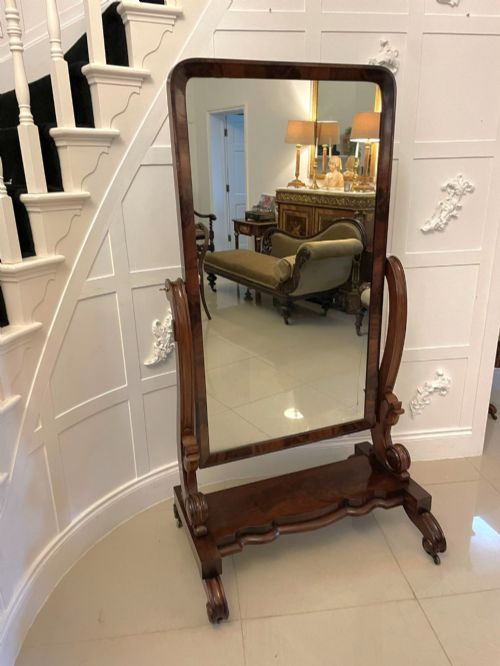
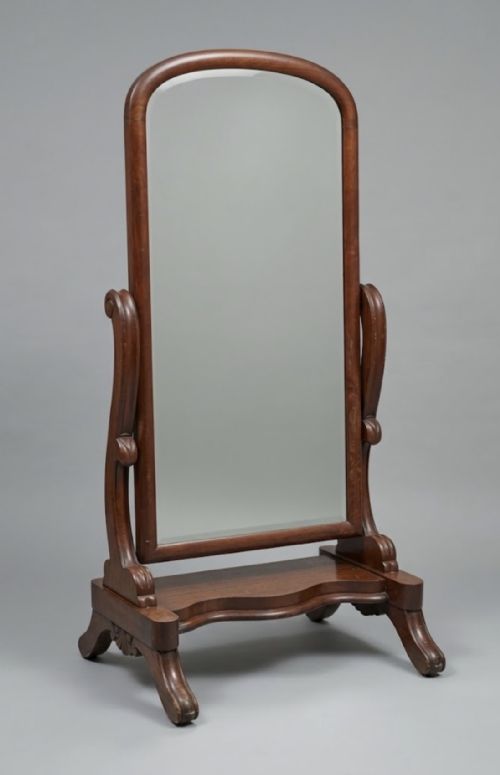
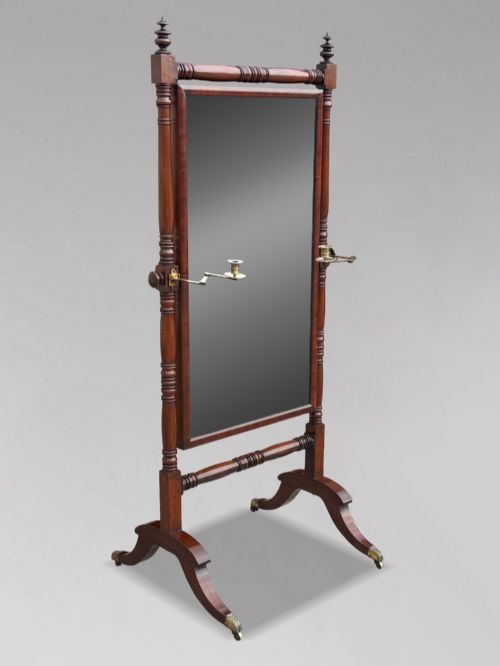
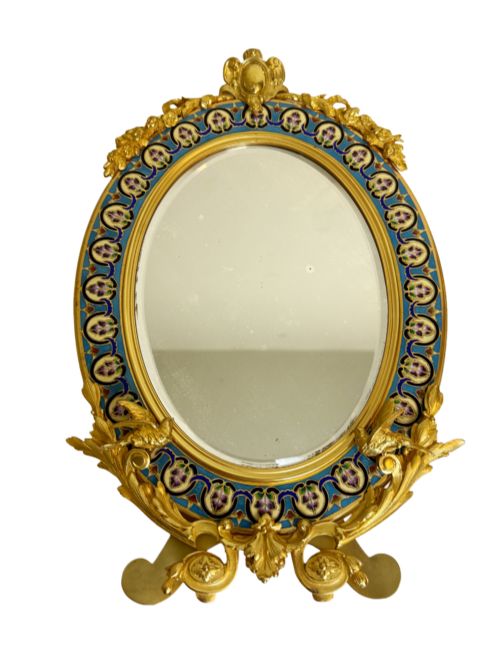
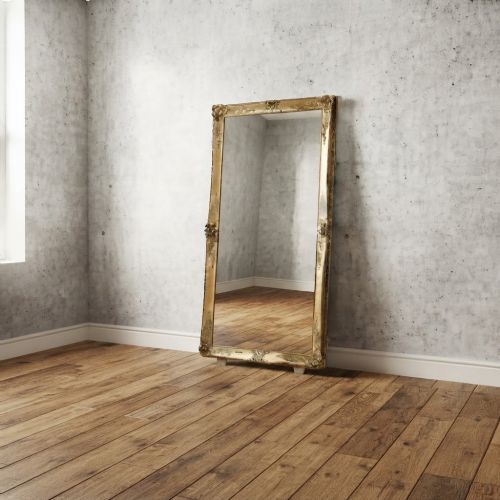
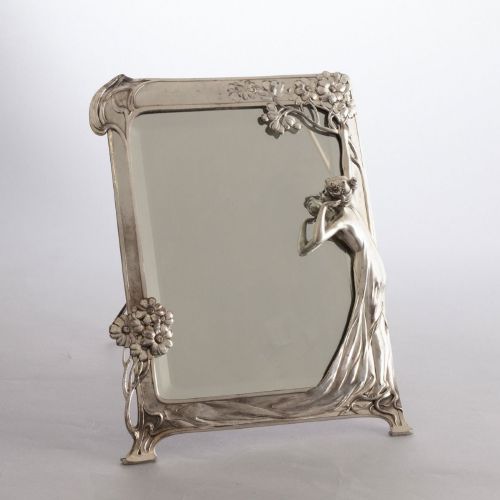
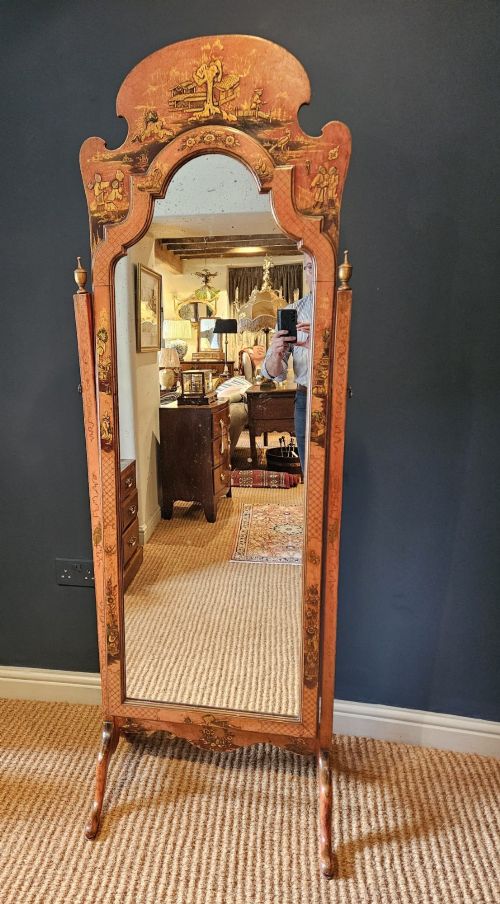
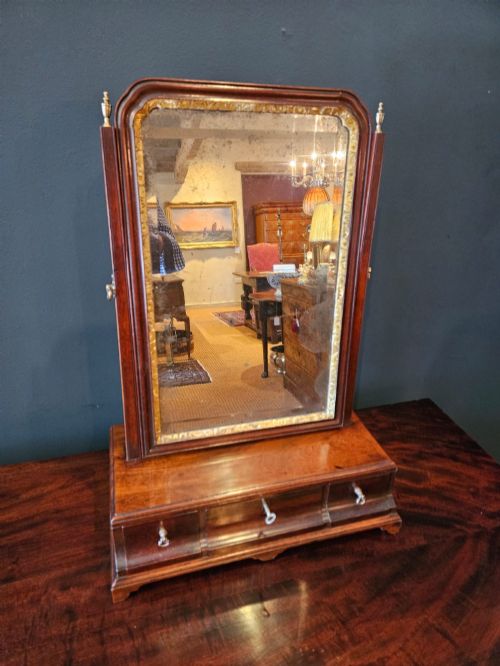
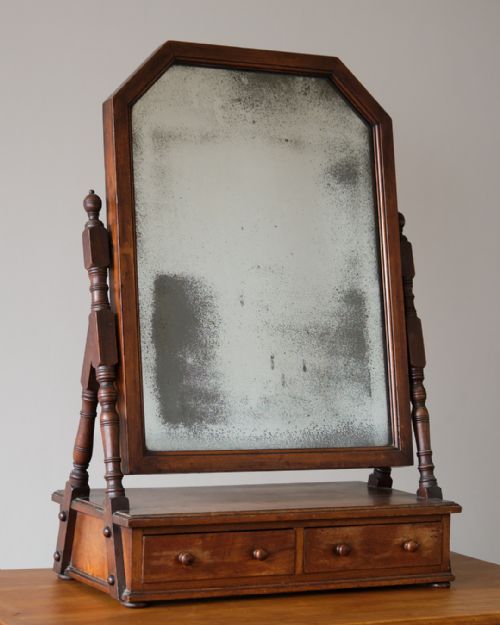
A standing dressing mirror represents a diverse group of furnishings designed for personal grooming and reflection, encompassing several distinct forms. When searching for a standing dressing mirror, buyers encounter everything from large floor-standing cheval mirrors to smaller toilet glasses and shaving stands.
The pieces on this page span several centuries, with examples originating from the Georgian, Regency, Victorian, Edwardian, and later periods. Mahogany is the predominant material seen across these eras, alongside walnut, oak, giltwood, and brass elements.
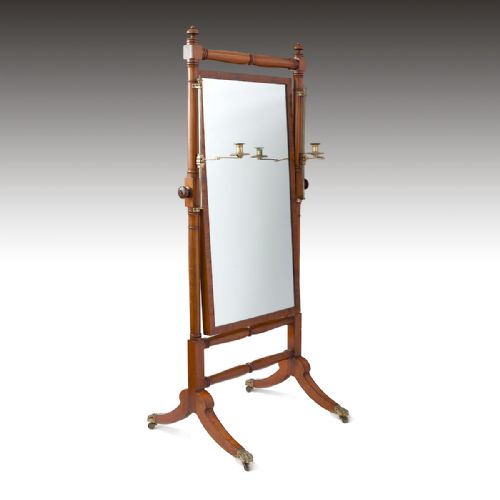
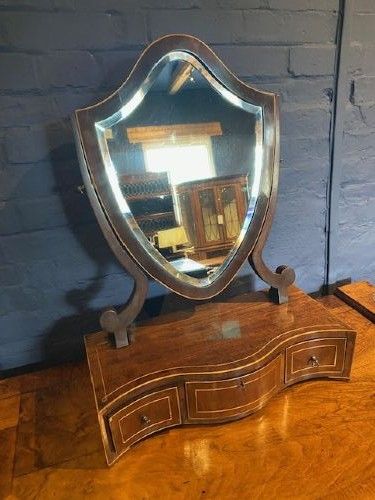
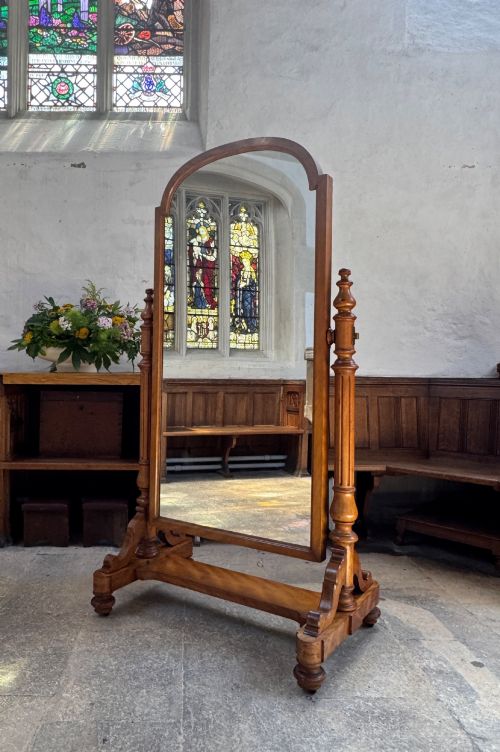
Cheval mirrors and floor-standing swing mirrors dominate the larger formats, while table-top toilet mirrors offer a more compact alternative. Shaving stands add a specialised functional form to the selection.
How they were made
Cabinet makers utilised solid and veneered timbers such as mahogany, oak, and walnut to construct the robust frames required to support pivoting glass plates. Flame mahogany veneer frequently appears on surfaces to create rich grain patterns.
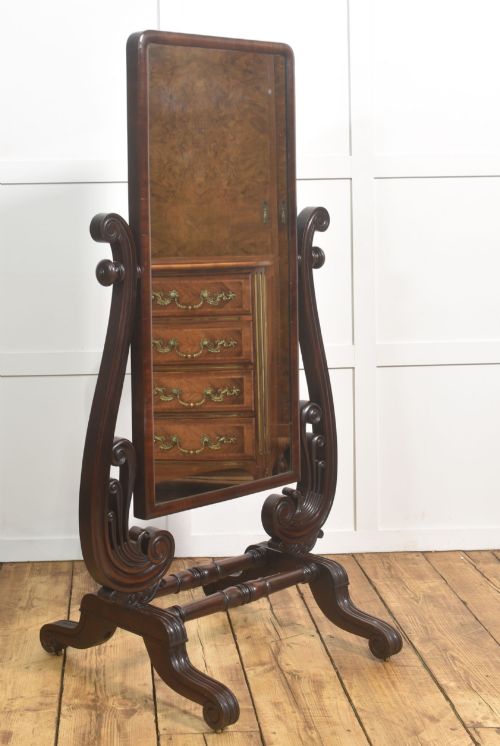
The mirror plates are held within adjustable swing frames, often connected by brass pivots, turning mechanisms, or scroll brackets that allow the glass to tilt. Turned columns, carved supports, and trestle bases provide stability to the floor-standing cheval versions.
Retail Price Guide 2026
Typical UK retail prices for standing dressing mirror, calculated from the Sellingantiques database of over a million retail prices indexed since 2003. This retail price guide relies exclusively on Sellingantiques data; no external sources or auction records are used, so the figures do not describe the wider market.
A shaving stand from 1900 reminds us that morning routines once involved highly specialised furniture dedicated entirely to the razor.
What varies in quality
The distinction between ordinary and superior examples lies in the depth of timber selection and the refinement of frame construction. Finely figured veneers, precise joinery, and substantial brass hardware elevate the presence of a piece.
Proportion and stability dictate the merit of larger cheval frames, where heavy timber requires expert balance to prevent warping and ensure smooth pivoting of the glass.
The Standing Dressing Mirror Glossary
- Cheval mirror
- A large floor-standing dressing mirror supported by a frame with four legs or a trestle base, allowing the glass to swing freely. This form became particularly popular during the Regency and Victorian periods.
- Toilet mirror
- A smaller dressing glass designed to sit atop a table, chest of drawers, or dressing bureau. These often feature small drawer bases beneath the swing frame.
- Flame mahogany
- A veneer cut from the fork of a mahogany tree where the branches join the trunk, producing a distinctive, fiery grain pattern. Cabinet makers used this to create decorative visual movement on surfaces.
- Giltwood
- Timber that has been coated with a thin layer of gold leaf or gilt composition. This finish appears on decorative frames within certain periods.
Frequently Asked Questions
What is a cheval mirror?
A cheval mirror is a tall, floor-standing dressing glass mounted in a frame that allows the entire plate to swing. It provides a full-length reflection and stands independently without needing wall attachment.
These pieces typically feature four legs or a secure trestle base with pivoting hardware on the sides.
How do I place a standing dressing mirror?
Floor-standing mirrors require sufficient clearance to allow the swing frame to tilt without striking surrounding furniture. Placing them perpendicular to a window maximises natural light.
Smaller toilet mirrors need a stable surface like a chest of drawers or dressing table to support their weight securely.
What woods were used for these mirrors?
Mahogany is the primary timber seen across Georgian, Regency, and Victorian examples, often utilising solid boards or decorative flame veneers. Oak, walnut, and giltwood also appear in various period styles.
Brass hardware frequently provides structural pivots and decorative accents on the frames.
How do I date a dressing mirror?
Dating relies on identifying stylistic markers, construction methods, and timber types associated with specific eras such as Georgian, Regency, or Edwardian. Turned frames, leg styles, and edge mouldings help distinguish between periods.
Hardware details like brass pivot screws and the quality of the glass plate further indicate the period of manufacture.