
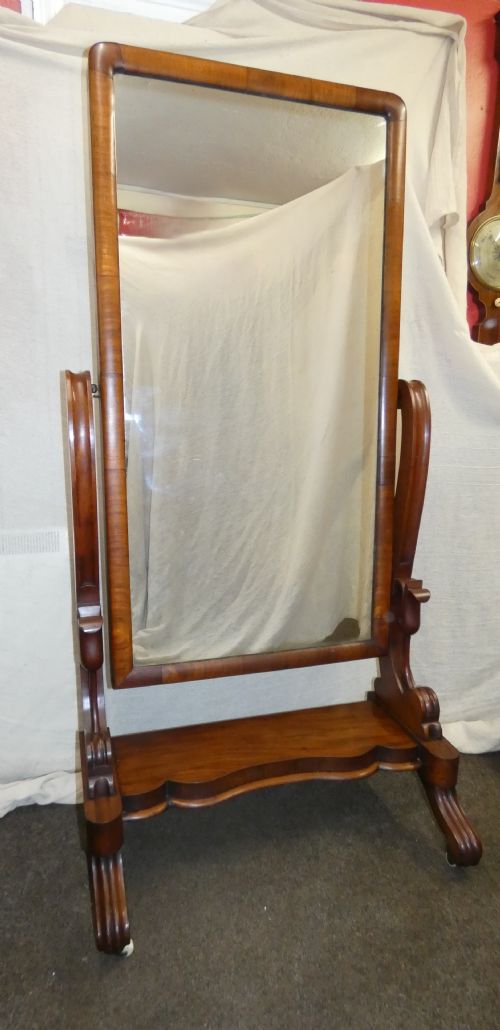


Regency Full Length Mirror
A regency full length mirror brings dramatic scale and reflecting light to a room through its tall proportions and pivoting frame.
Regency Full Length Mirror
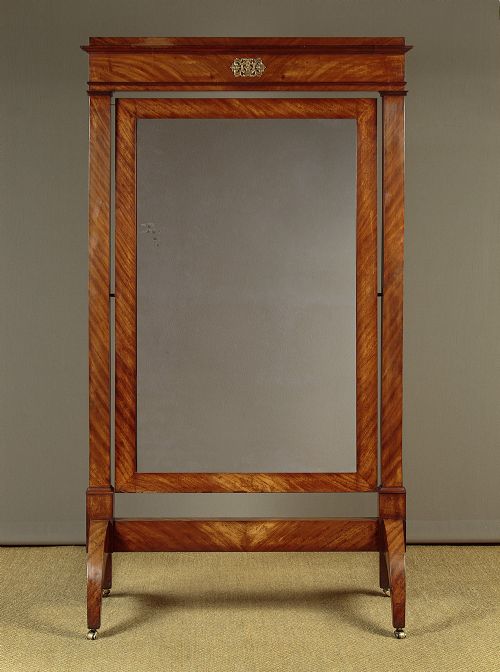
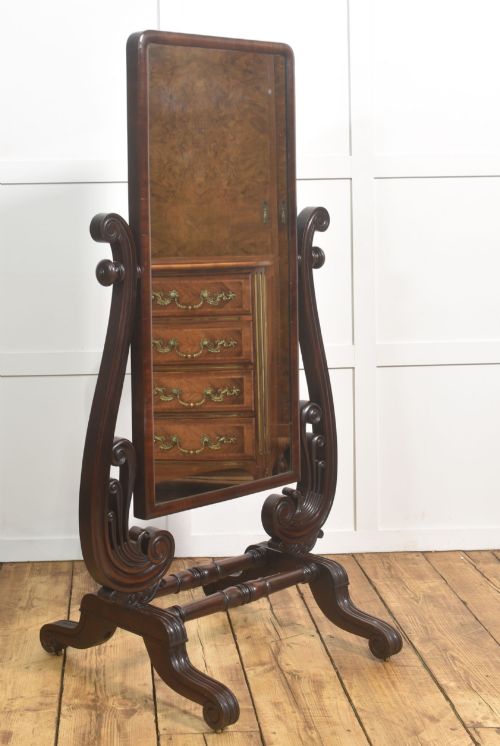
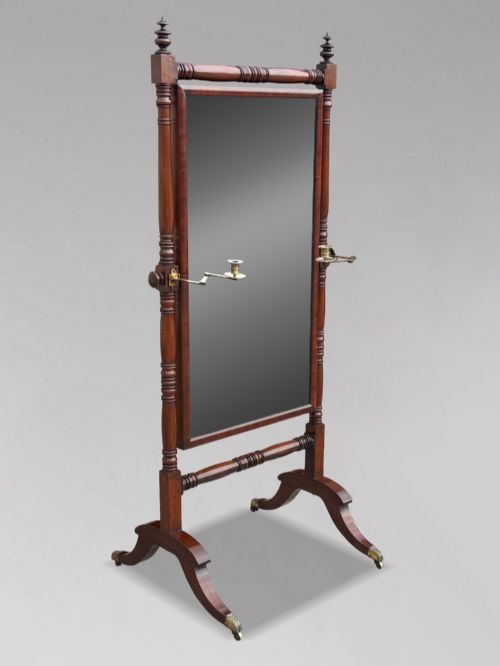
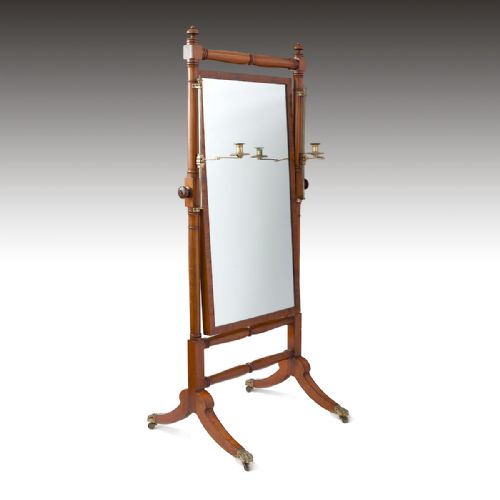
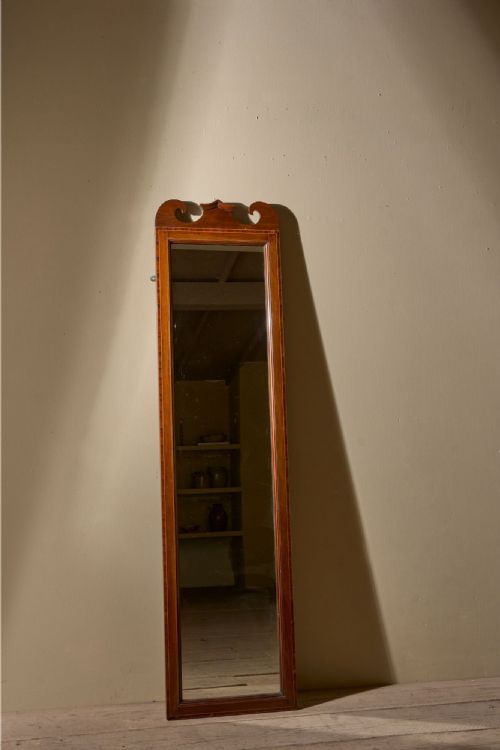
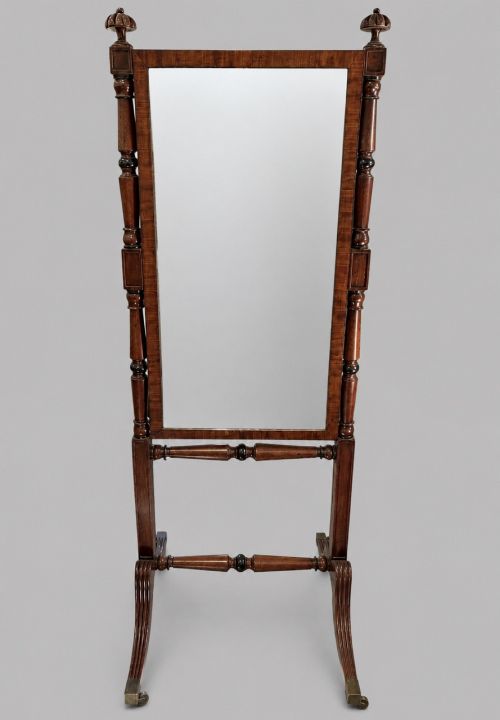
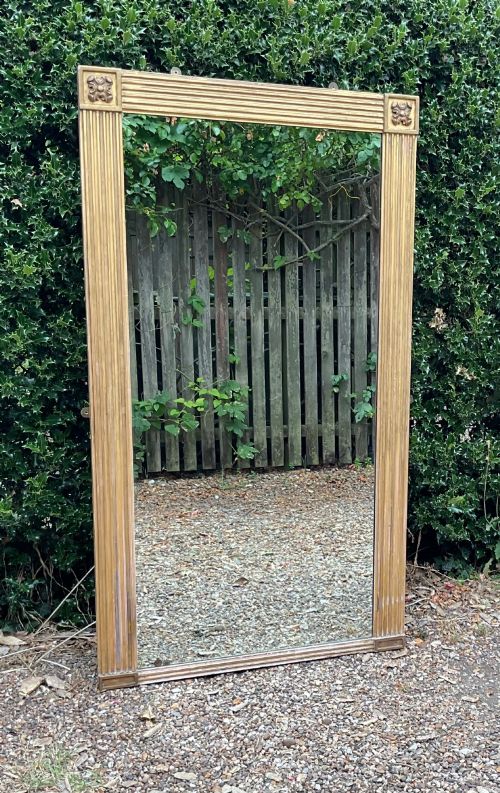
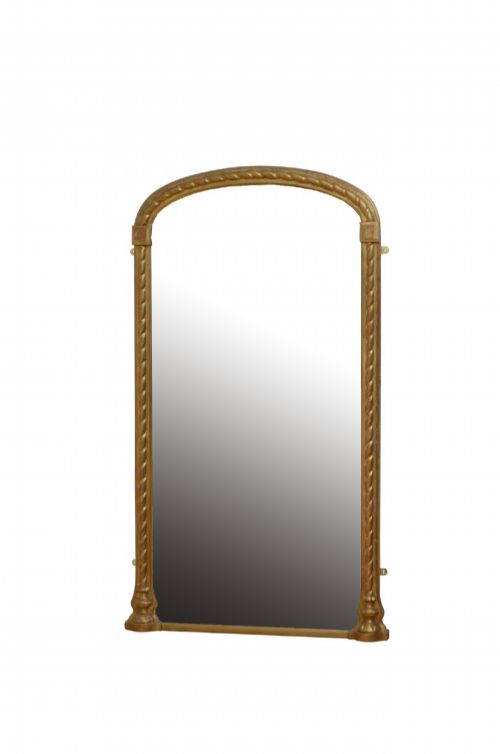
When searching for a regency full length mirror, you encounter tall floor-standing dressing glasses alongside substantial wall-hanging pier glasses. The floor-standing pieces, known as cheval mirrors, dominate the selection and stand upright on four legs or a robust frame.
Most examples date from the nineteenth century, spanning the Regency period through the William IV and Victorian eras. Mahogany and giltwood represent the primary choices, frequently featuring adjustable swing mechanisms to tilt the glass.
Makers designed these grand looking-glasses for principal bedrooms, dressing rooms and grand hallways. Their tall vertical format provides a complete head-to-toe reflection while expanding the perceived dimensions of interior spaces.
Distinctions in quality
The refinement of the carving and the architectural balance of the frame separate standard workshop production from exceptional pieces. Superior examples display crisp rope carving, well-proportioned sabre legs, and high-grade giltwood enrichment.
Hardware integration also marks the standard of the piece, with finely chased brass sabots, castors, and original pivoting candle arms indicating superior craftsmanship. The depth of the timber grain and the integrity of the original mirror plate further define the standing of the work.
Gillows
The Regency Full Length Mirror Glossary
- Cheval mirror
- A large floor-standing dressing mirror supported by a frame with four legs that allows the glass to swing. This freestanding form permits full-length viewing from various angles.
- Pier glass
- A tall mirror designed to hang on the wall between two windows or against a narrow pier of masonry. These pieces often feature elaborate giltwood frames and matching console tables.
- Giltwood
- Timber, usually gesso-coated pine or soft wood, covered with a thin layer of gold leaf or metallic gilt. It creates the brilliant reflective surfaces seen on formal Regency frames.
- Sabots
- Protective brass or metal sockets fitted to the base of furniture legs. They frequently terminate in castors to allow smooth movement across floor surfaces.
- Sabre legs
- Outward-curving legs that taper towards the floor, characteristic of Regency and Neoclassical furniture design. They provide stable support for heavy pivoting frames.
Regency Full Length Mirror: Frequently Asked Questions
Where should I place a cheval mirror?
These tall mirrors function best in bedrooms, dressing rooms, or wide hallways where adequate floor space allows clearance for the pivoting frame.
Positioning them opposite a window captures natural daylight and reflects it deep into the room, enhancing illumination.
How do I identify a genuine Regency piece?
Examine the timber species, joinery methods, and secondary woods used in the hidden parts of the frame. Authentic examples from the period frequently feature dense mahogany construction with hand-cut joinery and period brass fittings.
Stylistic markers such as sabre legs, rope carving, and Neoclassical proportions also help confirm the era.
Can the mirror glass be replaced?
Many surviving pieces retain their original mercury or early silvered glass, which often displays charming foxing and age spots. While replacement is possible, collectors generally prefer original plates to preserve the historic character.
When replacement is necessary for functional use, mirror specialists can cut glass to fit historic rebate depths.
How do I maintain the wooden frame?
Dust the mahogany or giltwood surfaces regularly with a soft, dry cloth to prevent accumulation. Avoid commercial polishes containing silicone, which can damage historic finishes over time.
Keep the mirrors away from direct sunlight and damp environments to protect the wood and the silvering on the glass.