





Georgian Floor Mirror
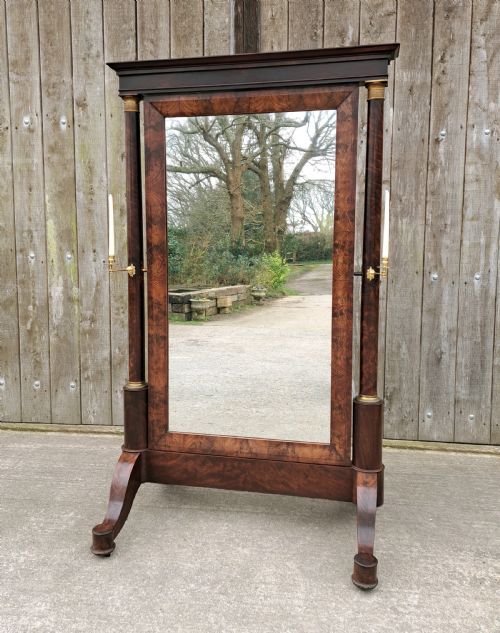
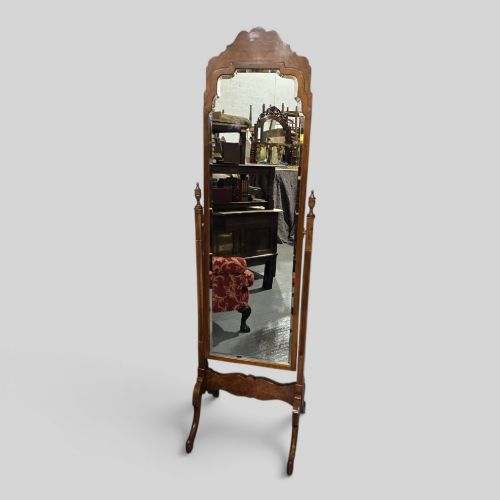
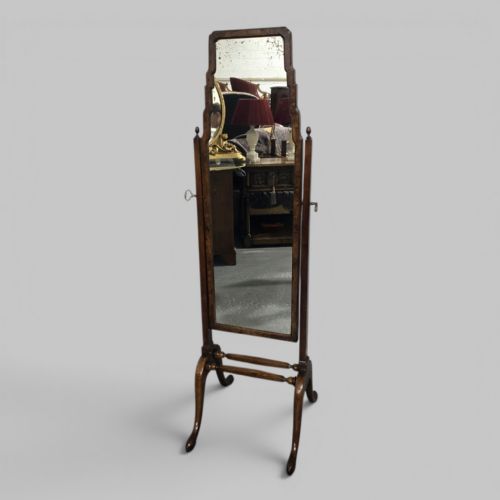
A georgian floor mirror stands tall to catch the whole figure, bringing mahogany frames and pivoting glass into the room.
Georgian Floor Mirror
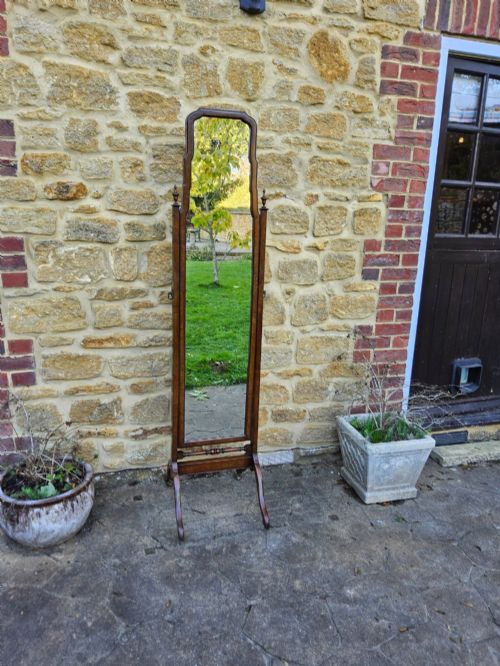
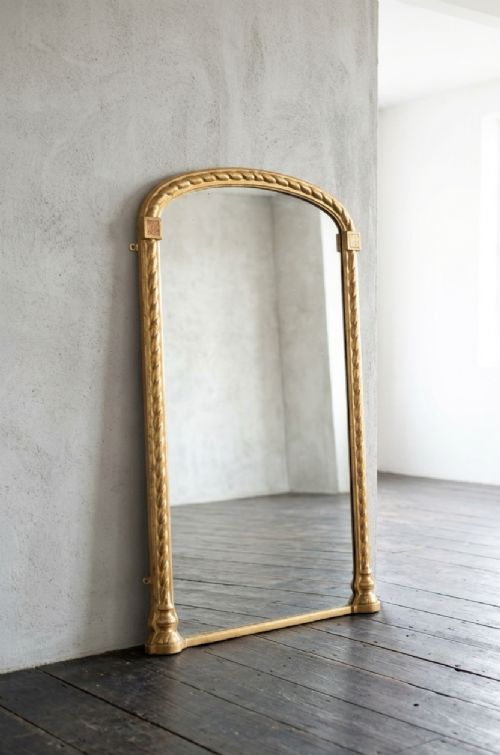
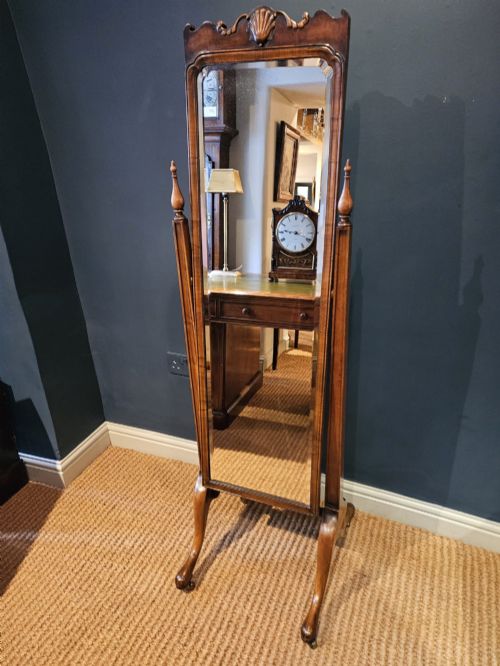
When searching for a georgian floor mirror, buyers look at tall freestanding looking glasses designed to tilt within a stable wooden frame. The examples seen here appear most frequently in mahogany, walnut, and giltwood, taking the form of cheval mirrors or pier glasses.
The periods represented span from the eighteenth century into the nineteenth century, alongside later revival pieces from the twentieth century. These furnishings served dressing rooms and bedrooms for full-length reflection.
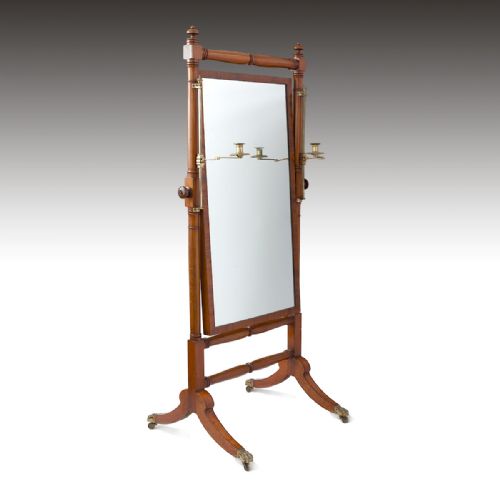
The primary formats include cheval mirrors on four legs with castors and wall-anchored pier mirrors placed above console tables. Mahogany remains the dominant timber across the recorded pieces.
How they were made
Joiners constructed these frames using dense hardwoods like mahogany, walnut, and satinwood, often enhanced with marquetry inlay or gilded gesso. Timber choice dictated the weight and structural stability of the pivoting frame.
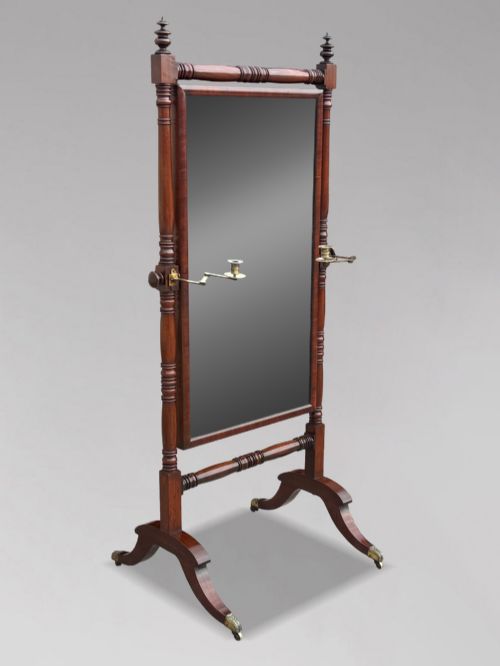
The glass plate hung between vertical posts using brass pins or screw knobs that allowed the mirror to tilt to the desired angle. Sabre legs fitted with brass sabots and castors supported the heaviest freestanding designs.
Georgian Floor Mirror Retail Price Guide 2026
Typical asking prices for georgian floor mirror among the pieces listed under this phrase on Sellingantiques today, from the lower quarter to the upper quarter. They describe what is for sale here now, not the wider market.
Listings feature mahogany, walnut, burr walnut, satinwood, and giltwood across periods from the eighteenth century to the twentieth century.
What varies in quality
The distinction between tiers rests upon the choice of timber figurations, such as burr walnut or figured mahogany, and the crispness of carved details like Vitruvian scrolls. Superior examples display refined proportions and matching secondary woods.
Hardware integration marks another divergence, where heavy cast brass sabots and original pivoting mechanisms demonstrate superior workshop execution. Secondary details like fine inlay work or giltwood surfaces elevate the standing of a piece.
Gillow·Gillows·Hepplewhite
The Georgian Floor Mirror Glossary
- Cheval mirror
- A large freestanding mirror supported on a frame with four legs that allows the glass to swing. It takes its name from the French word for horse.
- Pier glass
- A tall mirror designed to hang on the wall between windows, frequently placed above a console table. It reflects available light into the centre of a room.
- Giltwood
- Wood that has been coated with a thin layer of gold leaf over a prepared gesso surface. This finish appears on Neoclassical and Regency frames.
- Sabre leg
- A curved, outwardly tapering leg of circular or rectangular section that originates in classical antiquity. It often terminates in brass castors.
- Marquetry
- Decorative patterns formed by inserting thin veneers of different coloured woods into a solid ground. Satinwood and mahogany serve this function on inlaid surfaces.
Georgian Floor Mirror: Frequently Asked Questions
Where did they place a georgian floor mirror?
These tall mirrors stood in bedrooms and dressing rooms where individuals needed to view their complete attire before stepping out. Their pivoting design allowed users to adjust the angle of the glass.
Some variants, such as pier glasses, hung between windows above console tables to brighten dark corners by reflecting natural daylight.
How do I tell an original period mirror from a revival?
Examination of the timber, secondary woods, and construction methods reveals the true age of a piece. Eighteenth and nineteenth-century examples show appropriate tool marks and timber shrinkage.
Revival pieces from the twentieth century often utilise different assembly techniques and standardised fixings that differ from earlier workshop practices.
What is the difference between a cheval mirror and a pier glass?
A cheval mirror is a freestanding structure mounted on a pivoting frame with legs, allowing it to stand independently on the floor. It can be moved around a room as needed.
A pier glass is a wall-mounted mirror traditionally hung on the narrow pier of wall between two windows, frequently paired with a matching console table underneath.
How do I care for the timber and glass?
Keep the wood conditioned with appropriate traditional waxes rather than modern silicone polishes to preserve the finish of mahogany and walnut. Avoid placing the frame in direct sunlight.
Clean the glass gently with mild solutions, ensuring moisture does not seep behind the mirror plate where the silvering might suffer damage.