
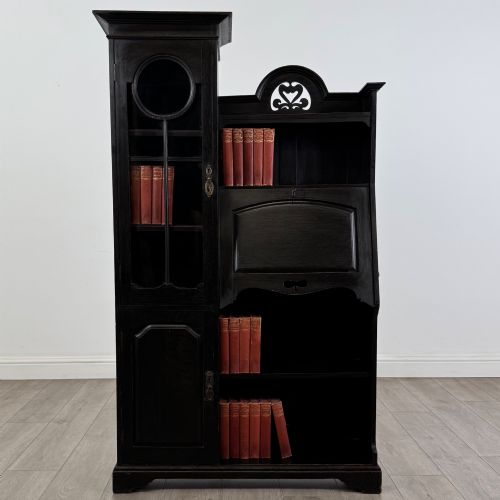
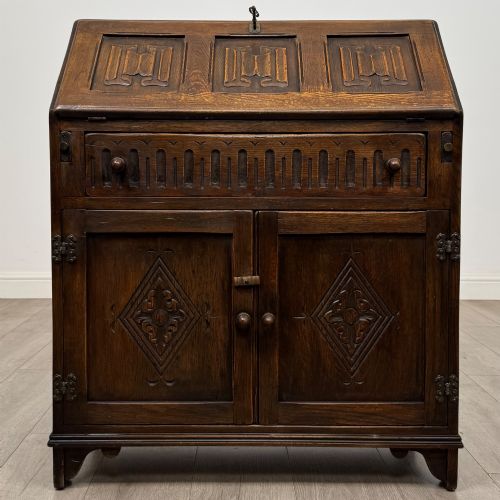
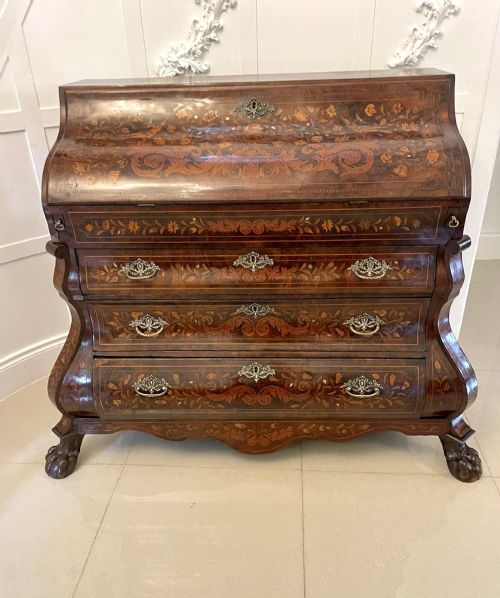
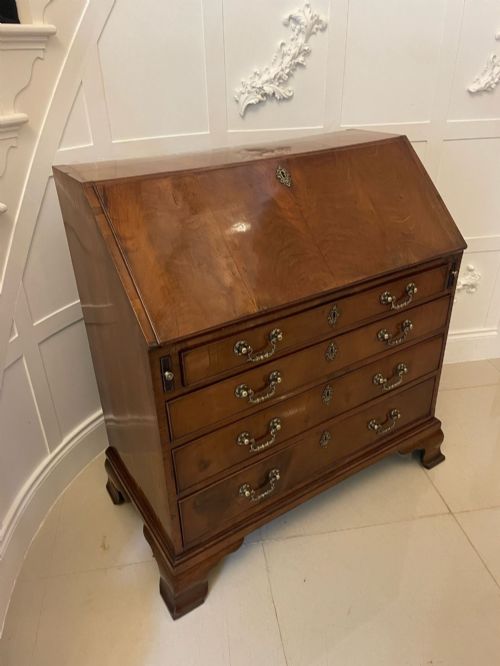
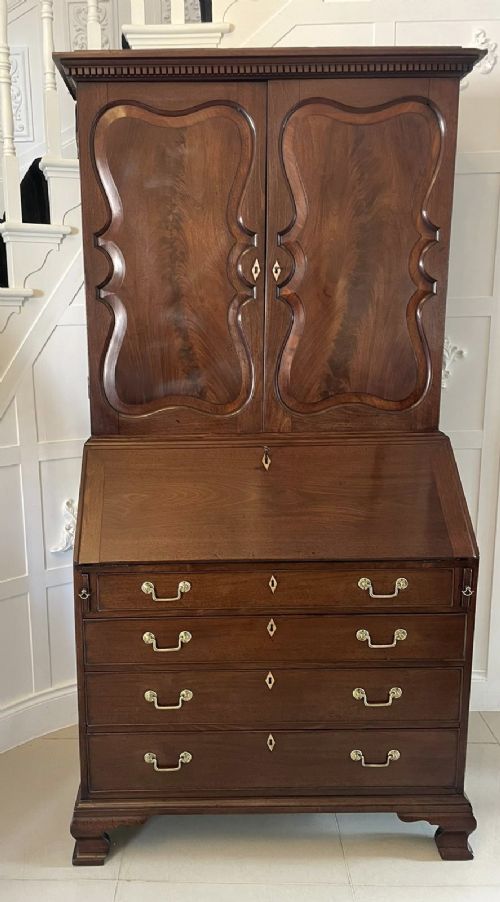
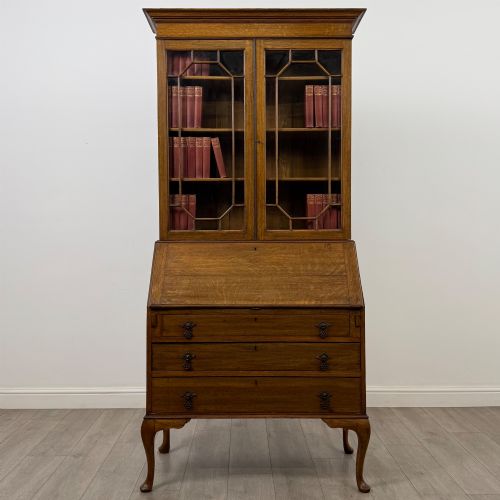
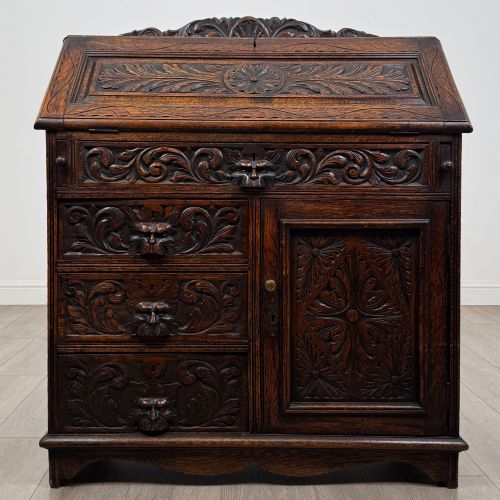
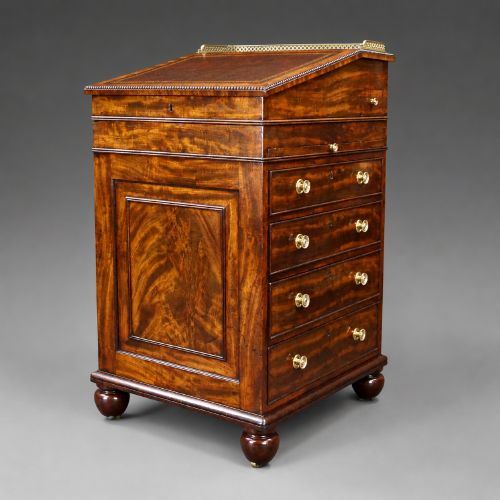


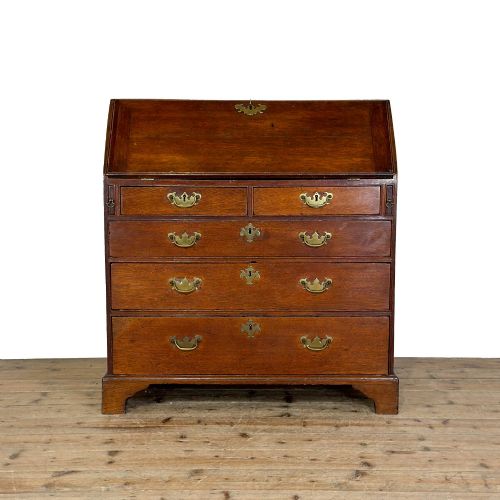
Slant Front Bureau Cabinet
A slant front bureau cabinet combines a sloping writing desk with a shelved upper bookcase, offering both workspace and display.
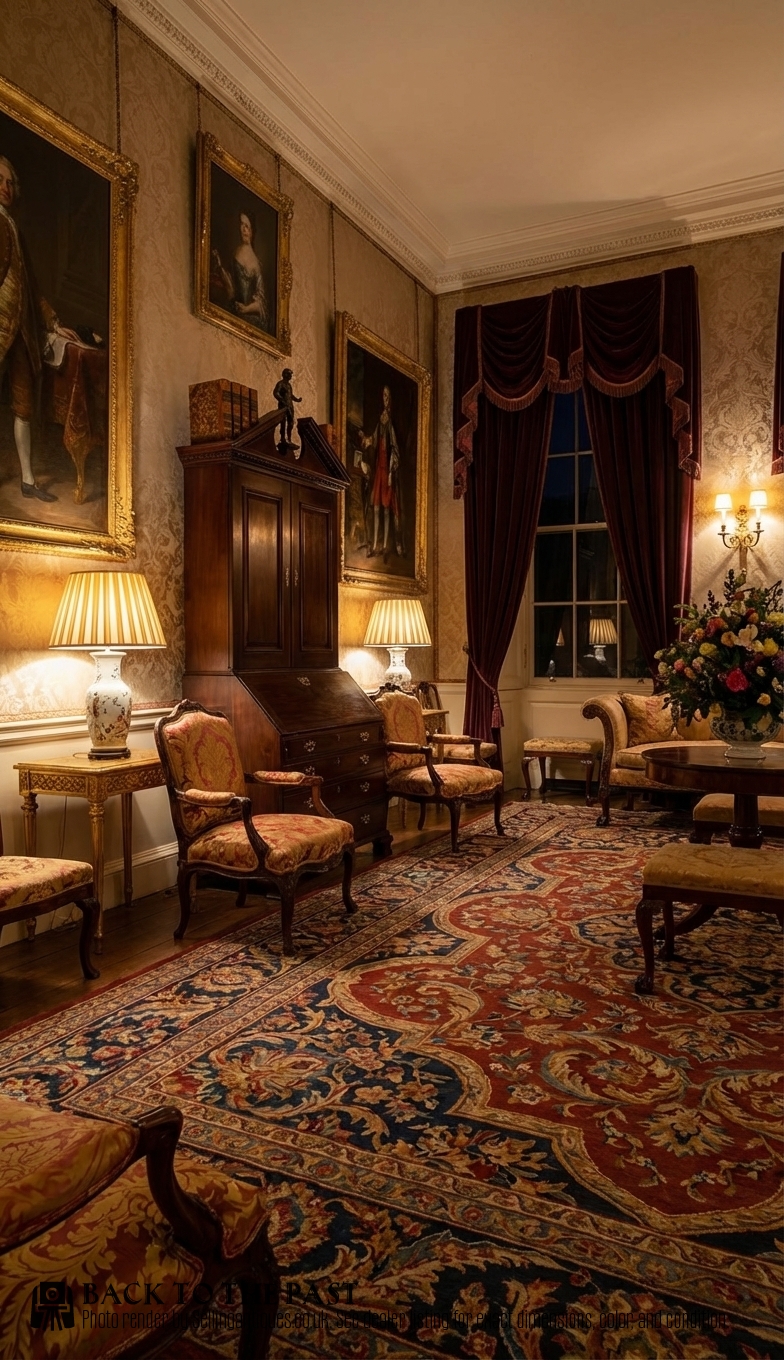
What They Are
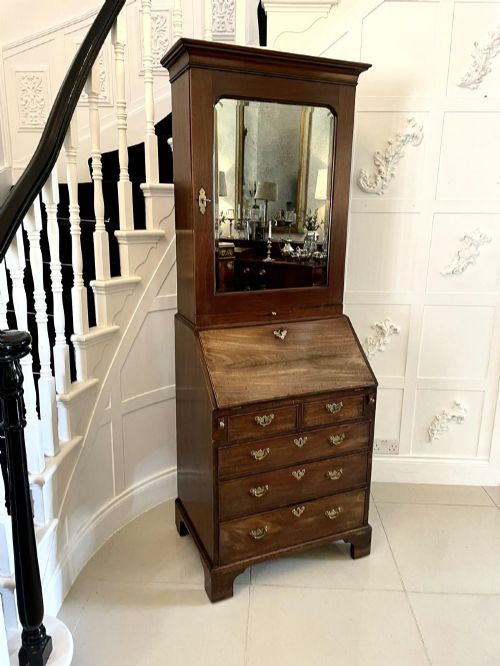
A slant front bureau cabinet provides a dedicated workspace hidden behind a hinged flap alongside upper shelving for books or display. The form bridges the gap between private writing compartment and grand library furniture.
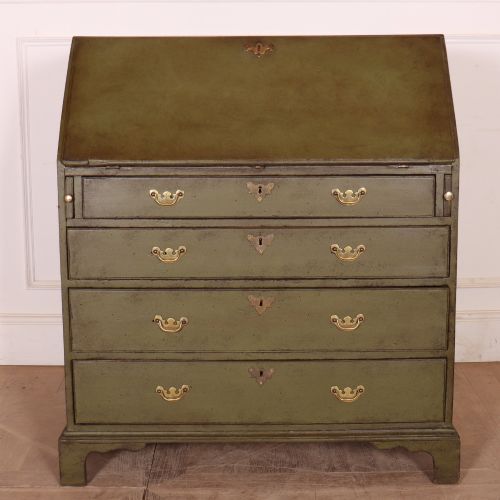
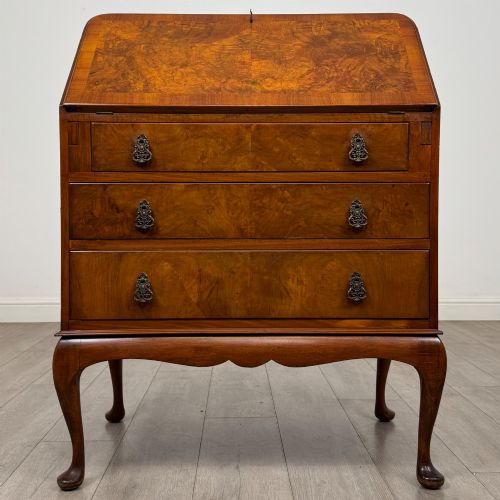
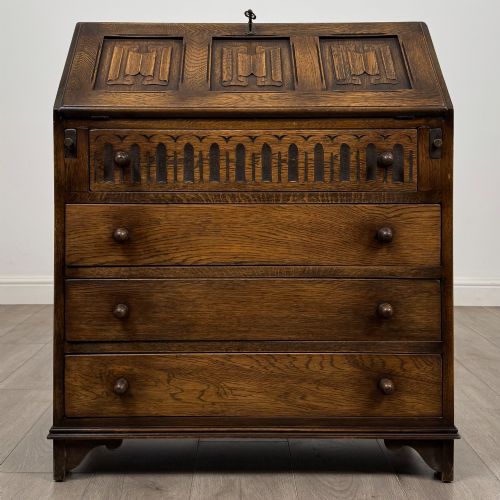
The pieces appearing on this page span the 18th century and the Edwardian period, encompassing styles from Georgian to Scandinavian Country and Italian Rococo. Mahogany, walnut, yew wood, and painted softwood all feature in these cabinet forms.
How They Were Made
Cabinet makers utilised dense timber stocks such as mahogany and walnut alongside yew wood and softwood for these carcases. Marquetry inlay also appears on select Italian examples to embellish the exterior surfaces.
Glazing is fitted to the upper cabinet doors to protect books while allowing visibility, while brass hardware secures internal compartments and drawer fronts.
Retail Price Guide 2026
Typical UK retail prices for slant front bureau cabinet, calculated from the Sellingantiques database of over a million retail prices indexed since 2003. This retail price guide relies exclusively on Sellingantiques data; no external sources or auction records are used, so the figures do not describe the wider market.
Several bureau cabinets feature secret compartments hidden behind internal pigeonholes for storing private letters.
What Varies in Quality
Quality rests upon the selection of timber figures and the precision of the marquetry inlay rather than mere age. Finer pieces demonstrate careful grain matching across the fall front and drawer facades.
Construction methods visible in the interior pigeonholes and drawer dovetailing separate standard workshop production from more ambitious furniture.
The Slant Front Bureau Cabinet Glossary
- Bureau bookcase
- A dual-purpose furniture form featuring a sloping writing flap above drawers combined with a glazed upper bookcase. This combination accommodates both storage and functional writing tasks.
- Fall front
- The hinged flap on a bureau that drops down to create a flat writing surface. It conceals a fitted interior of small drawers and pigeonholes when closed.
- Marquetry
- Decorative veneer work arranged in intricate patterns or pictures using various coloured woods. It elevates plain timber surfaces into pictorial displays.
- Glazing bars
- The wooden strips that hold individual panes of glass within the upper cabinet doors. Their arrangement defines the visual character of the bookcase section.
Frequently Asked Questions
What is a bureau cabinet?
A bureau cabinet is a two-part piece of furniture combining a sloping writing desk with an upper shelving section, usually enclosed by glass doors.
It provides concealed workspace alongside prominent storage for books and display items.
How do I date a bureau cabinet?
Dating relies on observing the timber species, construction methods, and stylistic details such as cornices and feet.
Georgian examples frequently utilise mahogany or walnut, while Edwardian pieces introduce alternative woods like yew.
Where should I place a bureau cabinet?
These tall pieces suit studies, living rooms, or hallways with sufficient wall space and ceiling height.
Adequate clearance must be allowed in front of the piece for the writing flap to drop down fully.
How do I maintain walnut furniture?
Walnut requires protection from direct sunlight and extreme humidity fluctuations to prevent timber movement or fading.
Regular dusting with a dry cloth keeps the polished surface clean without moisture damage.