




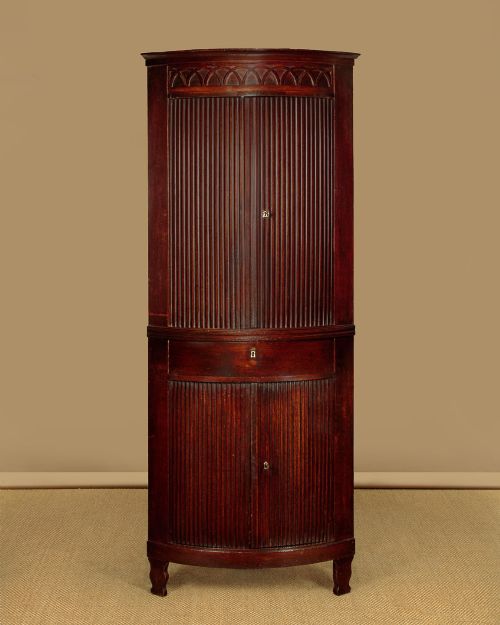
Antique Double Bookcase
An antique double bookcase provides substantial storage for large collections while anchoring a room with period craftsmanship and timber.
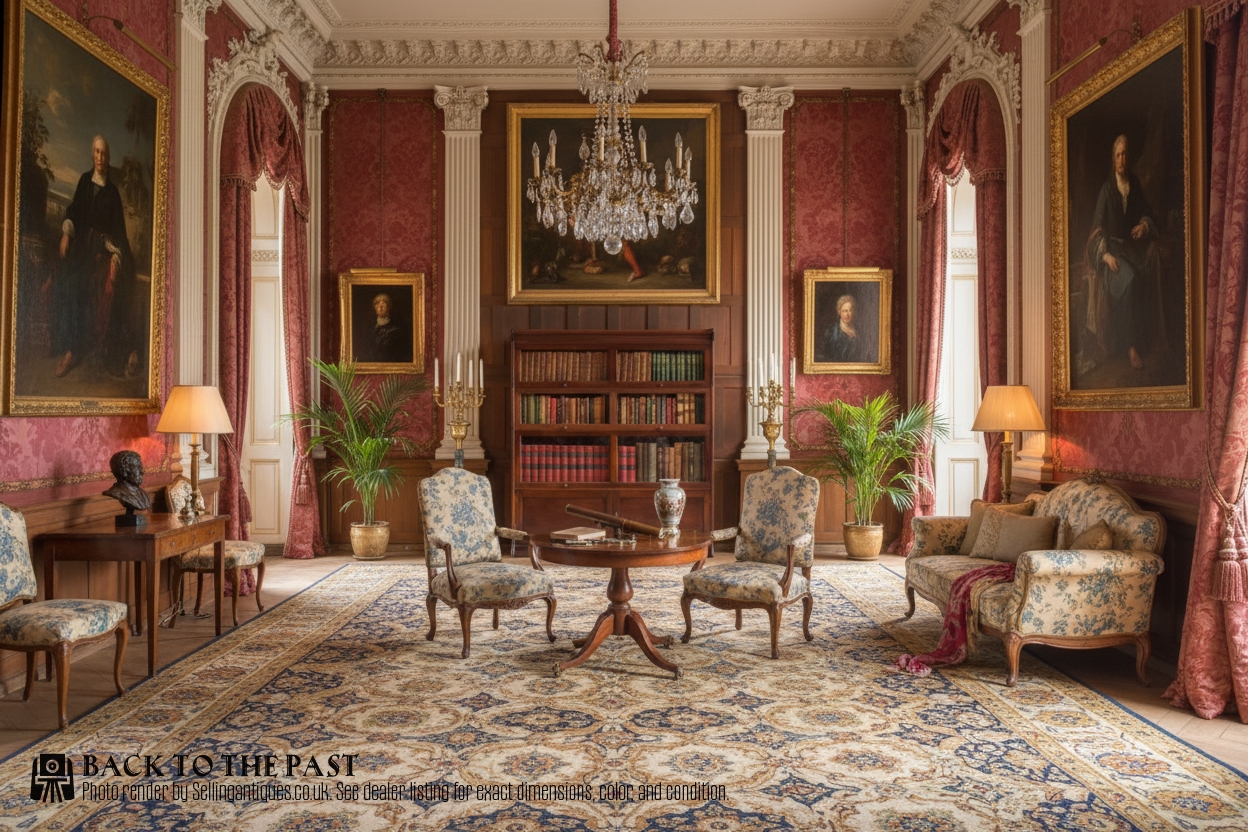
Antique Double Bookcase
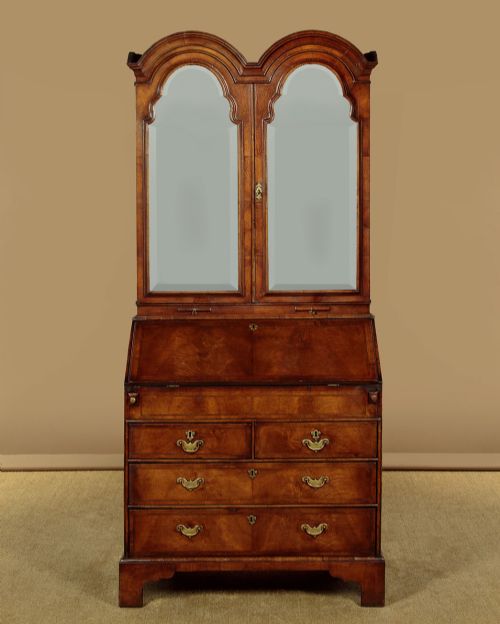
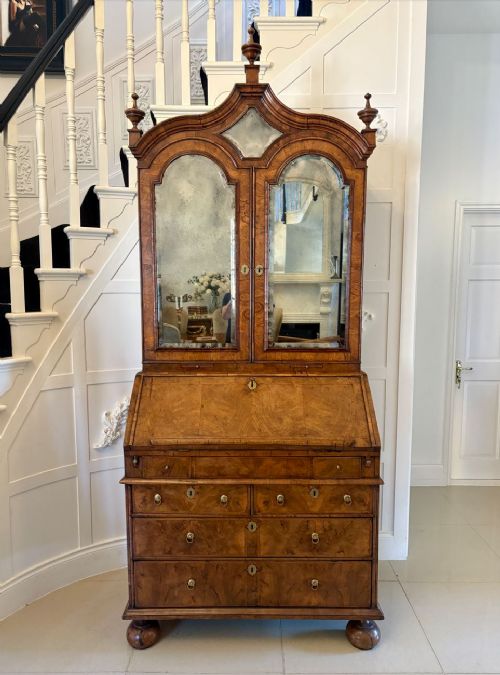
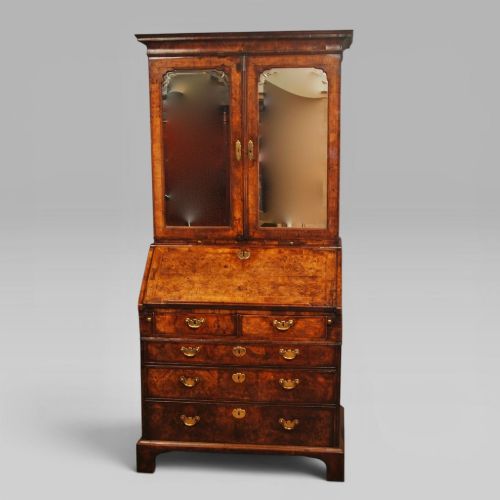
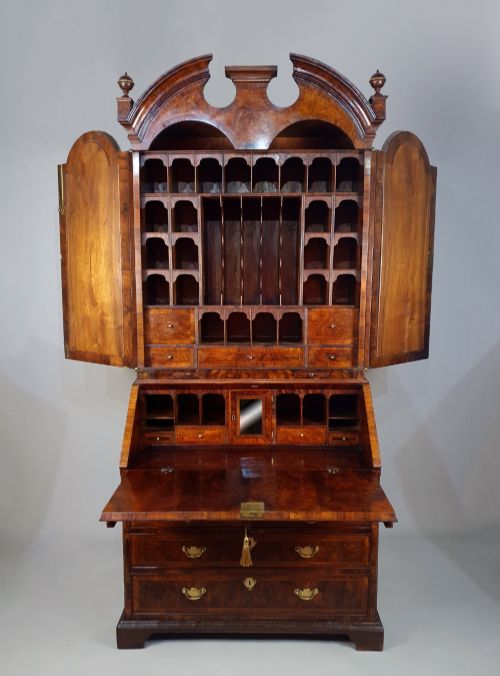
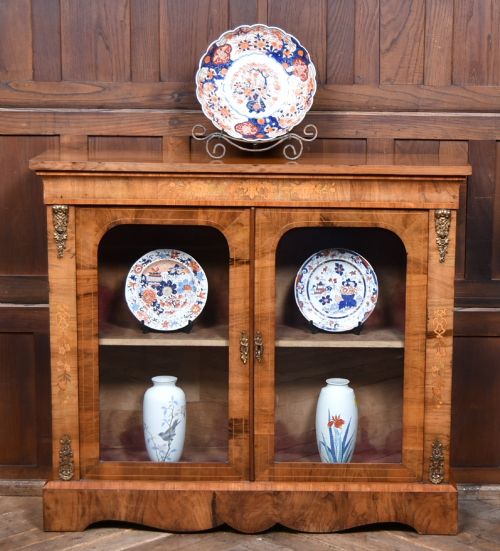
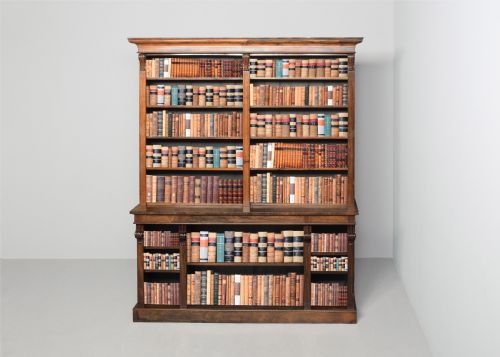
An antique double bookcase encompasses large library shelving units, glazed cabinets, bureau bookcases, and double-sided open shelf designs suited to holding extensive collections. Pieces spanning the 18th century through to the Edwardian era demonstrate forms ranging from breakfront and bureau configurations to double dome and open library formats.
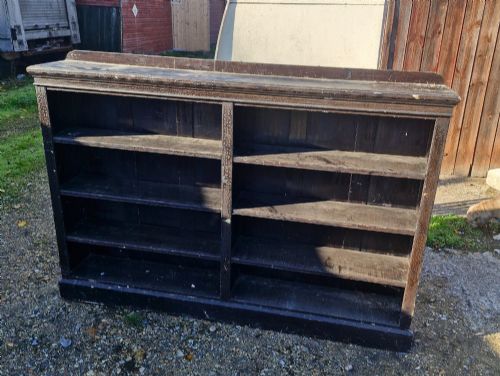
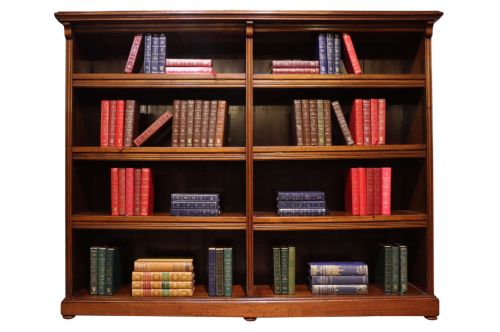
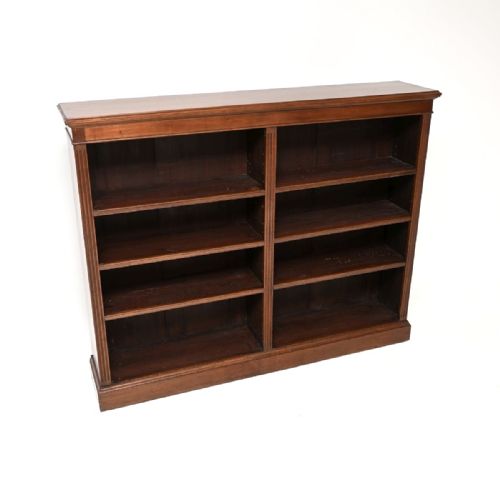
The version most commonly encountered on this page is the Victorian mahogany or walnut open bookcase, alongside substantial oak and Edwardian glazed examples. These pieces serve as both functional room dividers and architectural focal points, utilising substantial timber proportions to house domestic libraries.
How they were made
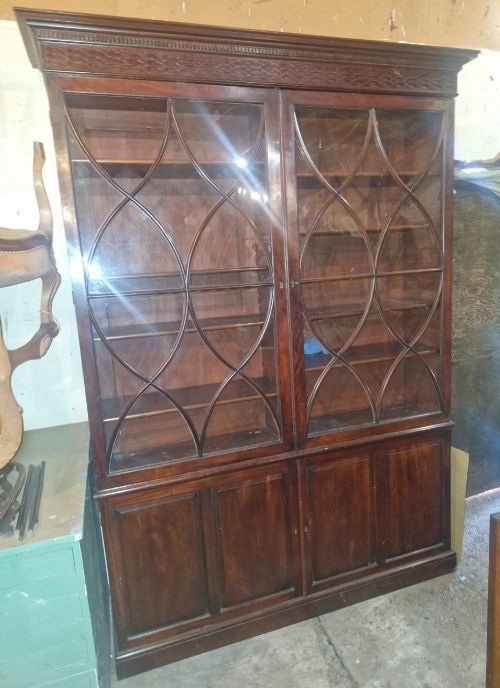
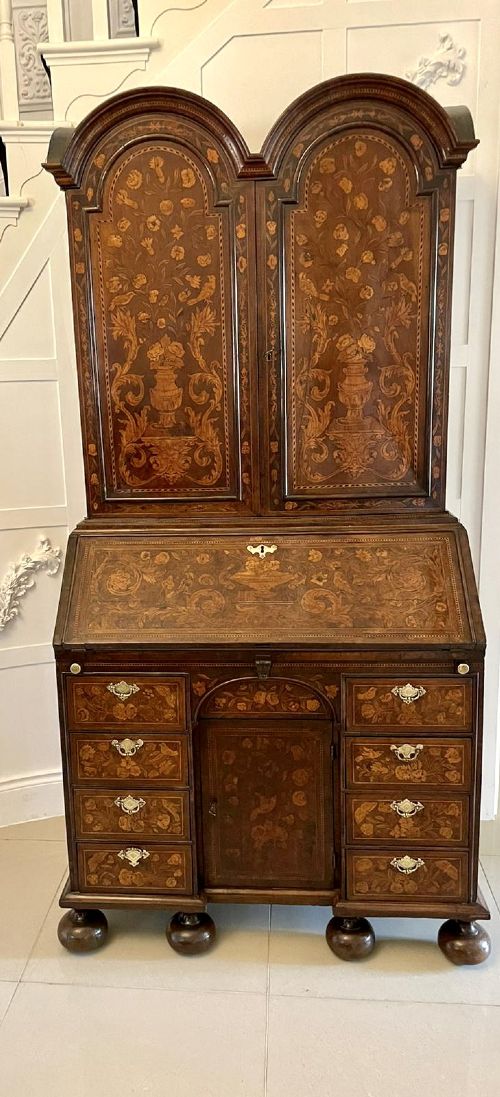
Cabinet makers constructed these pieces using dense hardwoods including mahogany, walnut, burr walnut, oak, and rosewood, often enhanced with marquetry, inlay, or featherbanding. Glazed doors incorporate glass panels, while brass hardware and occasional ormolu mounts complete the structural fittings of the cabinets.
Joinery methods relied on sturdy carcase construction, housing adjustable shelves within open fronts or fitted desk interiors within bureau bookcase variants. Carved detailing and moulded cornices, such as double dome tops, required specialised hand woodworking techniques across the Georgian, Victorian, and Edwardian periods.
Antique Double Bookcase Retail Price Guide 2026
Typical asking prices for double bookcase among the pieces listed under this phrase on Sellingantiques today, from the lower quarter to the upper quarter. They describe what is for sale here now, not the wider market.
Some barristers needed sectional stacking bookcases so urgently they could dismantle their entire library to move offices before tea.
What varies in quality
The distinction between standard utility items and finer examples rests upon timber selection and decorative execution, such as figured burr walnut veneers or intricate marquetry. Superior pieces exhibit considered proportion, harmonious grain matching across large double doors, and refined mouldings rather than plain structural carcases.
Interior fittings and hardware further divide the range, with adjustable shelving mechanisms, integrated writing drawers, and original brasses marking out superior workshops. The integration of complex forms, such as double dome tops or breakfront profiles, requires advanced cabinet-making skill that elevates the status of the piece.
Gillows·Lebus·Globe Wernicke
The Antique Double Bookcase Glossary
- Bureau bookcase
- A combination of a sloping desk compartment and upper shelving enclosed by doors. This form allows for both writing and book storage within a single piece of furniture.
- Breakfront
- A cabinet design where the central section projects forward from the flanking wings. This architectural arrangement creates depth and visual interest across large bookcases.
- Double dome
- An upper pediment featuring two rounded arches side by side. This distinctive stylistic flourish appears on high-status 18th-century bureau and display bookcases.
- Marquetry
- Decorative veneer work forming pictorial or geometric patterns using various coloured woods. Craftsmen cut and fitted these contrasting timbers into the primary surface of the cabinet.
- Open bookcase
- A shelving unit without doors designed for immediate access to volumes. These pieces frequently feature adjustable wooden shelves supported by side uprights.
Antique Double Bookcase: Frequently Asked Questions
How do I use a double bookcase?
These large pieces serve primarily to store and display extensive book collections, often functioning as central architectural elements in a library or study. Double-sided versions also work effectively as room dividers within larger open-plan spaces.
Interior shelving is frequently adjustable, accommodating volumes of varying heights. Bureau variants provide an integrated writing surface alongside upper display space for functional daily use.
How do I date an antique bookcase?
Dating relies on observing timber choices, construction techniques, and stylistic markers associated with specific eras like the Georgian, Victorian, or Edwardian periods. Walnut and marquetry often point to early 18th-century Queen Anne or Georgian origins, whilst heavy mahogany and rosewood frequently indicate Victorian manufacture.
Secondary woods used in drawer linings and backboards, alongside the presence of hand-cut joints versus machine-tooled elements, provide further clues to age.
Are the shelves adjustable?
Many examples from the 19th and early 20th centuries feature adjustable shelving supported by rack-and-pinion systems or wooden fillets. This adaptability allows the interior layout to suit different book sizes.
Early Georgian pieces more commonly utilised fixed shelving set permanently into the carcase structure during original construction.