

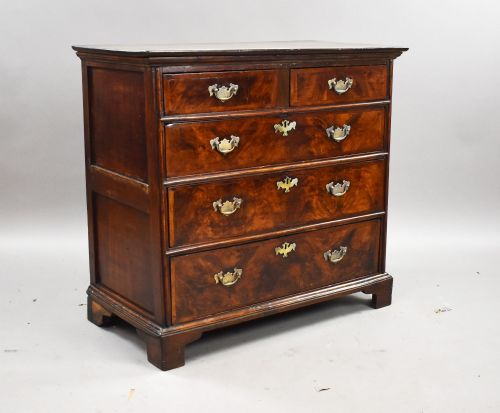


George III Walnut Furniture
George iii walnut furniture brings warmth and rich grain to a room through practical Georgian forms built to last.
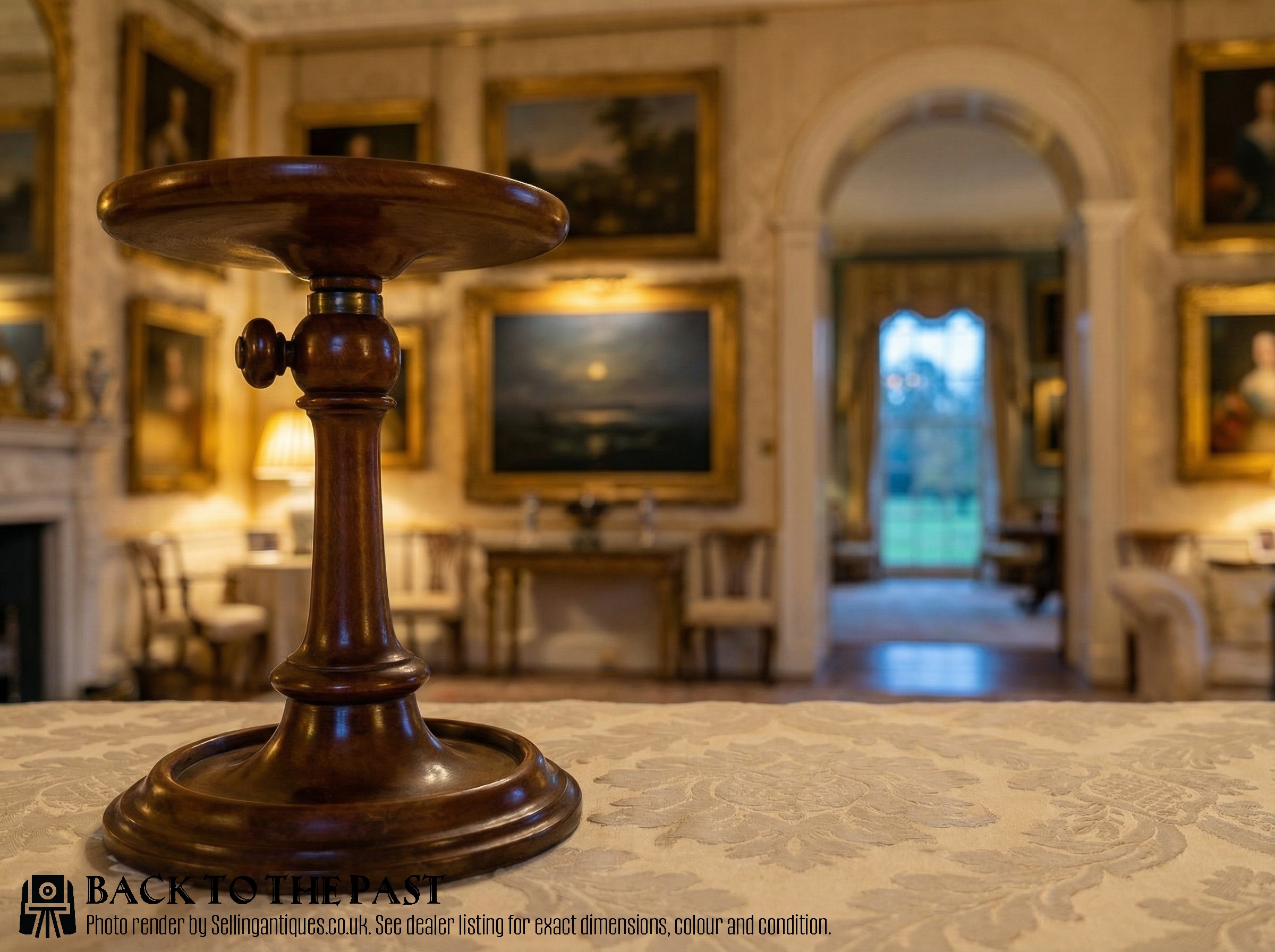
George III Walnut Furniture
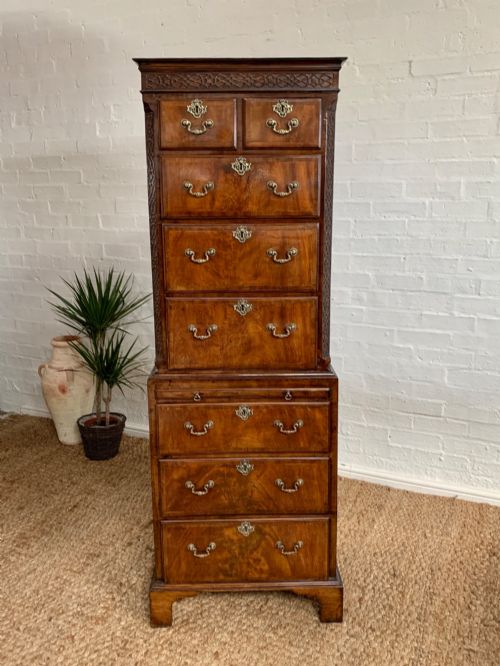
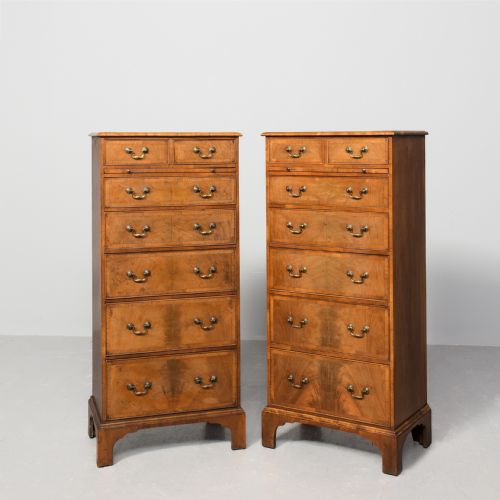
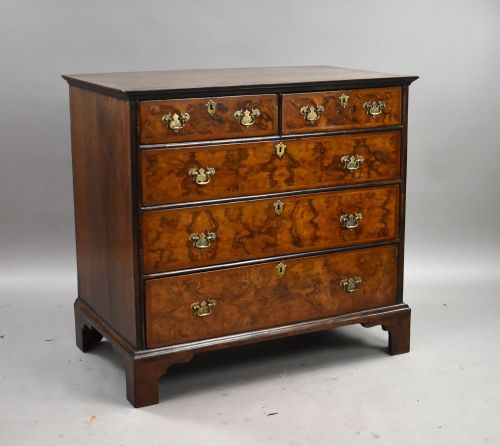
George iii walnut furniture spans practical household forms from the eighteenth century alongside later nineteenth-century revivals. Buyers encounter chests of drawers, lowboys, card tables, and candle stands shaped in solid walnut and burr walnut veneer.
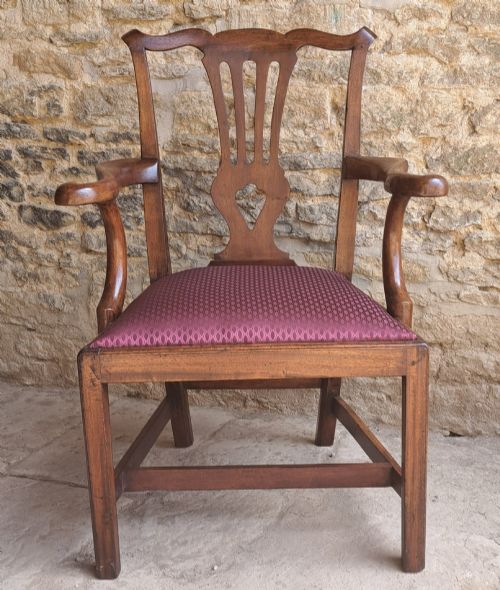
The selection ranges from compact Irish armchairs and bureau bookcases to dining tables and wall mirrors. These pieces combine functional storage and display with the distinctive figuring of walnut timber.
How they were made
Cabinetmakers utilised solid walnut and burr walnut veneer applied over secondary woods such as oak and pine. Selected sections displayed lively grain patterns across drawer fronts and tabletop surfaces.
Brass hardware, including handles and escutcheons, complemented the dark timber. Marquetry inlay and cabriole legs added decorative detail to candle stands and lowboys.
George III Walnut Furniture Retail Price Guide 2026
Typical asking prices for george iii walnut furniture among the pieces listed under this phrase on Sellingantiques today, from the lower quarter to the upper quarter. They describe what is for sale here now, not the wider market.
The documented forms include chests of drawers, lowboys, card tables, candle stands, armchairs, dining tables, and wall mirrors.
What varies in quality
Quality depends upon the choice and matching of the walnut veneer across large surfaces. Figured burr walnut with symmetrical grain patterns distinguishes finer pieces from plain timber.
Proportion and scale dictate the standing of a piece, with neat dimensions and crisp carving on legs and mouldings commanding attention. Original brass fittings and undisturbed construction further elevate the status of individual items.
The George III Walnut Furniture Glossary
- Burr walnut
- A specialised timber cut from growths on walnut trees, showing swirling, knotted grain patterns. It provides highly decorative surfaces on drawer fronts and table tops.
- Lowboy
- A small side table or dressing table featuring one or more tiers of drawers supported on four legs. These tables served domestic functions in Georgian bedchambers and parlours.
- Marquetry
- Decorative inlay work using various woods to create floral or geometric patterns on furniture surfaces. It adds colour contrast and intricate detail to tables and stands.
- Tallboy
- A tall chest of drawers built in two stacked sections, providing generous vertical storage while occupying a modest floor footprint. The upper chest sits upon a lower base or stand.
George III Walnut Furniture: Frequently Asked Questions
What is george iii walnut furniture?
George iii walnut furniture comprises domestic wooden items made during the Georgian era and subsequent revival periods. These functional objects range from chests of drawers to dining tables.
Craftsmen utilised walnut and burr walnut veneer over structural timbers like oak and pine. The resulting pieces combine utility with decorative grain patterns.
How do I identify burr walnut?
Burr walnut displays distinctive swirling and mottled grain patterns caused by growths on the tree. Cabinetmakers prized this timber for prominent surfaces.
Sections of burr veneer are carefully matched to create symmetrical patterns across drawer fronts and tabletops. This technique enhances the visual depth of the wood.
Where were lowboys used?
Lowboys served as versatile side tables in eighteenth-century homes, functioning as dressing tables or writing surfaces in private chambers. Their compact proportions suited smaller spaces.
Drawer arrangements provided storage for personal items while the flat top held candles or small objects. They typically stood against bedroom or parlour walls.
How do I care for walnut furniture?
Walnut furniture requires placement away from direct sunlight and heat sources to prevent timber shrinkage and veneer splitting. Gentle dusting maintains the surface.
Applying appropriate wax feeds the wood and preserves the natural lustre of the grain. Avoid harsh chemical cleaners that strip historical finishes.