


Antique Bureau with Top
An antique bureau with top combines a fitted writing compartment with a bookcase or cabinet superstructure, providing workspace and display in one piece.
Antique Bureau with Top
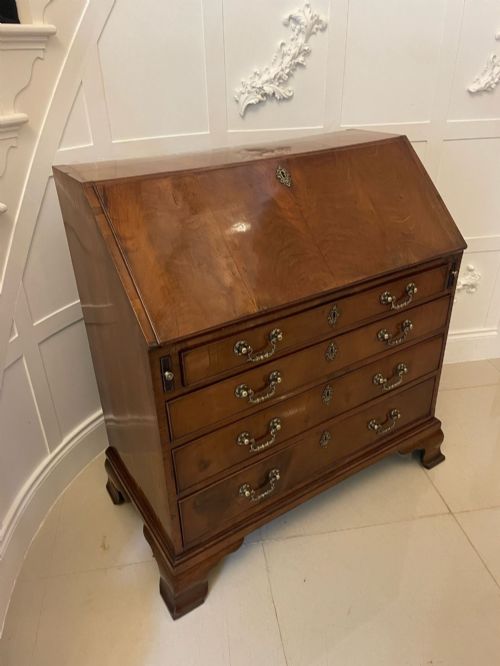
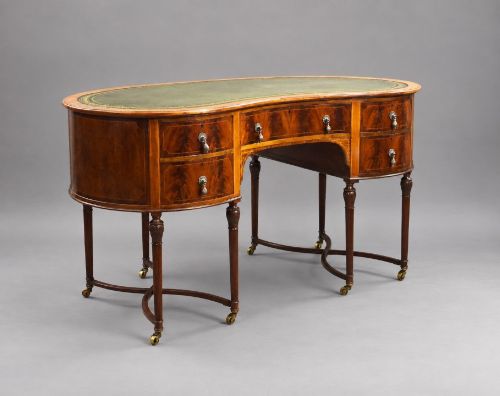
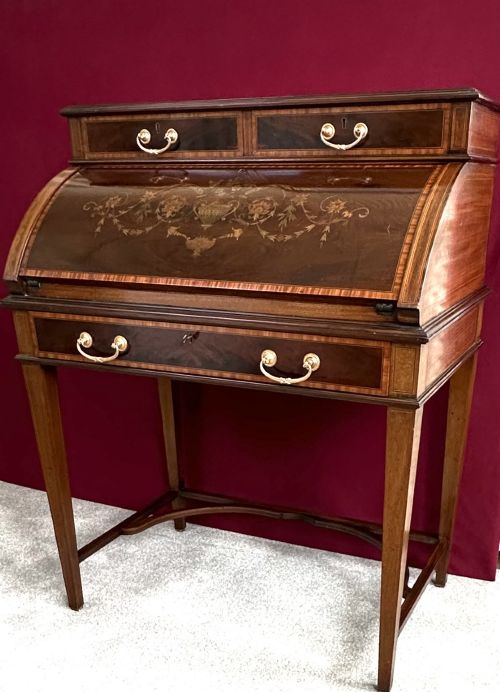
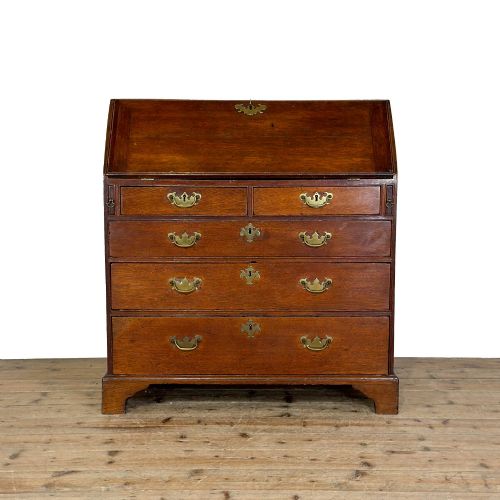
An antique bureau with top covers writing furniture fitted with an upper bookcase, cabinet, or superstructure. The form brings together a lower writing section, often featuring a sloping fall-front or cylinder front, with matching upper storage.
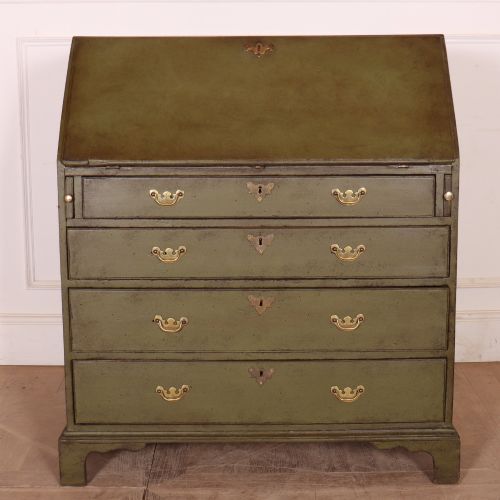
The pieces on this page span several centuries, with examples originating from the eighteenth, nineteenth, and early twentieth centuries. Georgian and Victorian periods provide the largest share of these writing cabinets.
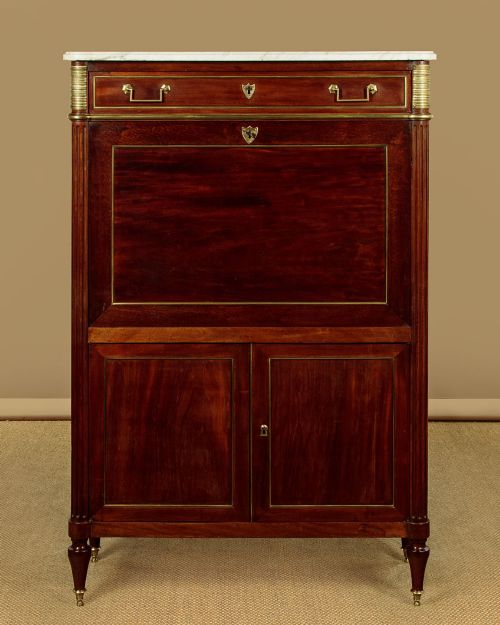
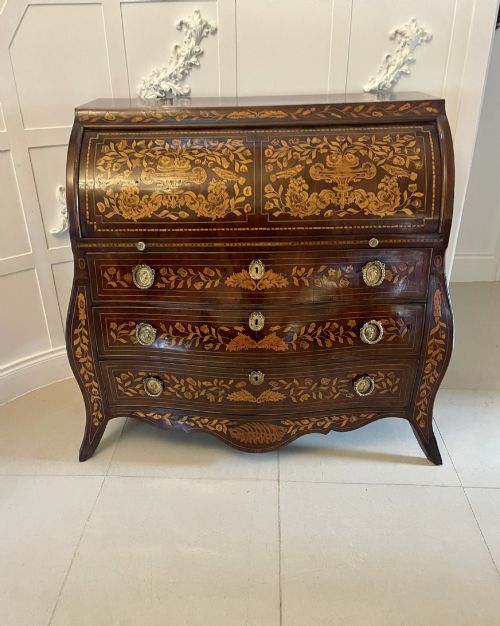
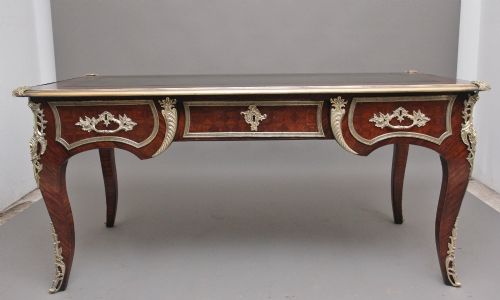
Makers utilised diverse regional idioms, incorporating styles ranging from plain oak country furniture to elaborate French marquetry escritoires with ormolu mounts and marble tops.
Materials and construction methods
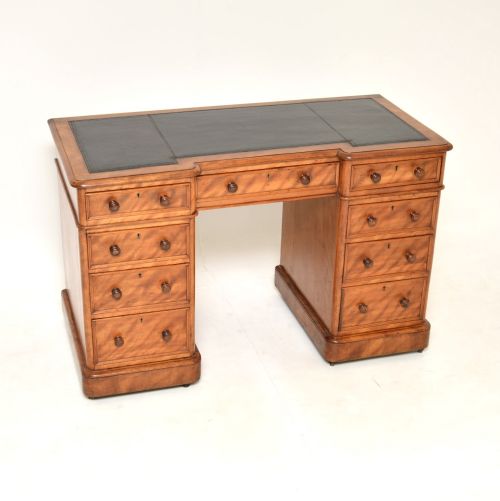
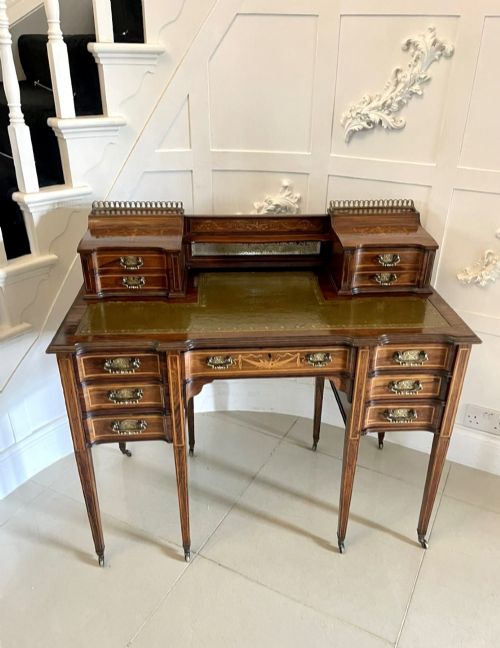
Cabinet makers relied principally upon mahogany, oak, and walnut, frequently applying burr veneers or contrasting satinwood and ebony inlay to drawer fronts and writing surfaces.
Leather inserts appear frequently on writing surfaces, often tooled with gilt decoration, while brass handles, locks, and ironwork secure the drawers and fall-fronts.
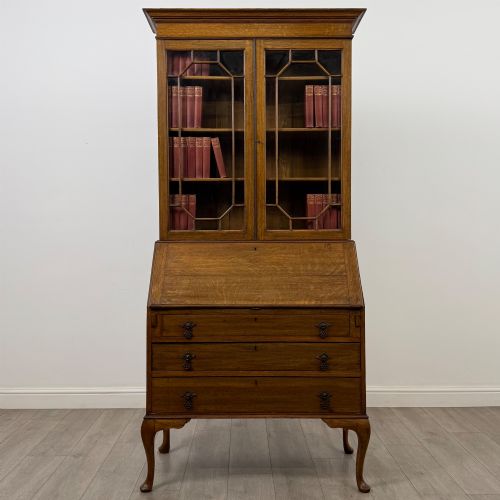
Superstructures range from glazed bookcase doors with wooden astragals to open galleries, marble slabs, and gilt bronze mounts on continental pieces.
One early oak bureau bookcase has adapted its interior to house a television.
Judging construction and finish
Quality rests upon the selection of timber figures, such as matched burr walnut or figured mahogany, and the precision of inlaid stringing and crossbanding.
Interior architecture reveals structural standard through stepped pigeonholes, secret drawers, and dovetailed drawer construction that remains intact without modern reinforcement.
Original hardware, including brass ring handles, escutcheons, and working locks with matching keys, distinguishes superior cabinet work from later replacements.
Tudor and Burrey·Edwards and Roberts·Blyth and Son
The Antique Bureau with Top Glossary
- Bureau bookcase
- A writing cabinet combining a bureau base with an enclosed upper shelving section. Glass-fronted doors typically protect the books stored inside.
- Escritoire
- A writing cabinet featuring a drop-front panel that conceals small drawers and pigeonholes. These often include upper cabinets or decorative marble tops.
- Tambour top
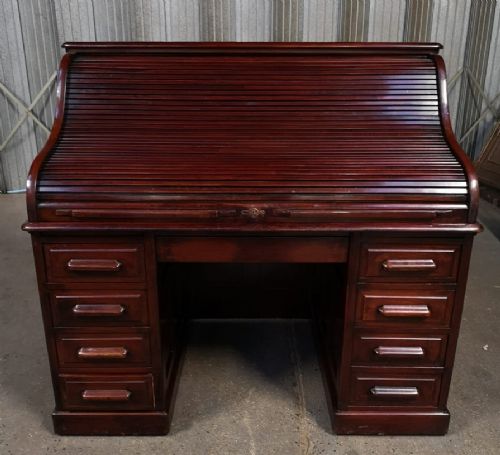
- A flexible sliding cover made of narrow vertical strips of wood glued to canvas. This mechanism rolls back to reveal the writing surface and interior compartments.
- Cylinder desk
- A writing desk with a curved, quarter-circle wooden shutter that rolls backward into the body of the desk. Pull-out writing slides often accompany this mechanism.
- Astragal
- A small wooden moulding used to divide glass panes within bookcase doors. These mouldings form geometric patterns across the upper glazed section.
Antique Bureau with Top: Frequently Asked Questions
How do I use a bureau with top?
The lower fall-front or sliding shutter opens to create a writing surface equipped with small drawers for stationery. The upper bookcase or cabinet stores books and papers.
Lower drawer units provide additional storage for household items, keeping workspaces tidy when the writing flap closes.
Where should I place an antique bureau?
These tall pieces require stable wall placement in rooms with controlled humidity to protect polished timber veneers. Adequate floor space ensures upper bookcase doors open fully.
Pairing the desk with a suitable height chair allows comfortable use of the fitted writing compartment.
What is a cylinder desk?
A cylinder desk uses a curved wooden shutter that slides backward into the desk body to uncover the writing surface. Many versions include pull-out leather slides for extra workspace.
This design hides paperwork from view when closed while maintaining access to internal pigeonholes.
How do I date an antique bureau?
Timber choice, construction methods, and hardware styles indicate the period of manufacture. Earlier pieces frequently employ solid oak or walnut, while later examples use mahogany and satinwood veneers.
Internal drawer dovetailing and secondary woods help confirm the age of the cabinetwork.