

Georgian Mahogany Secretary Desk
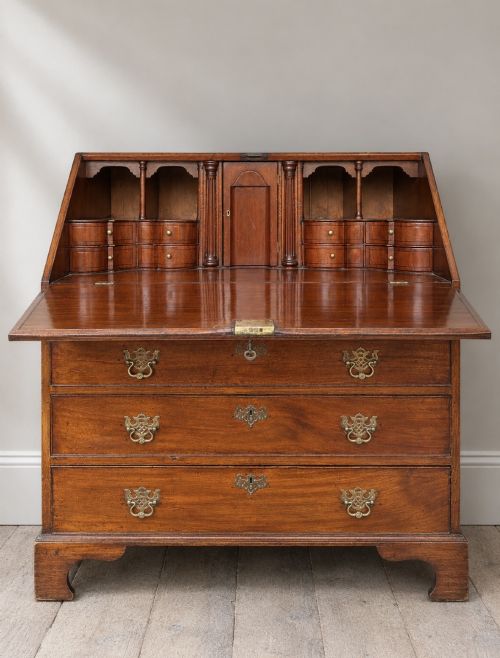
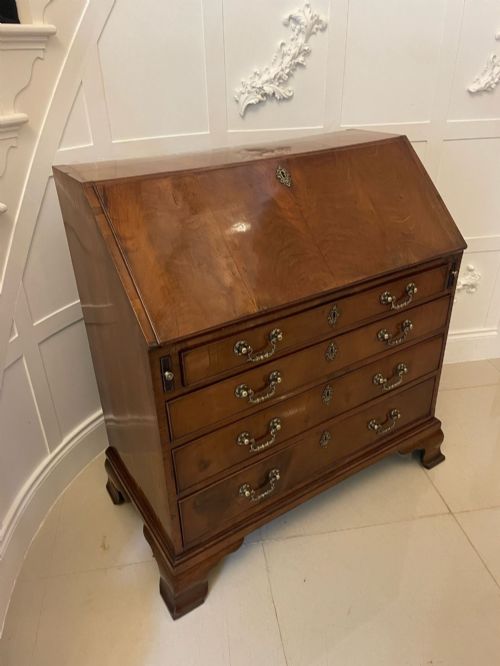
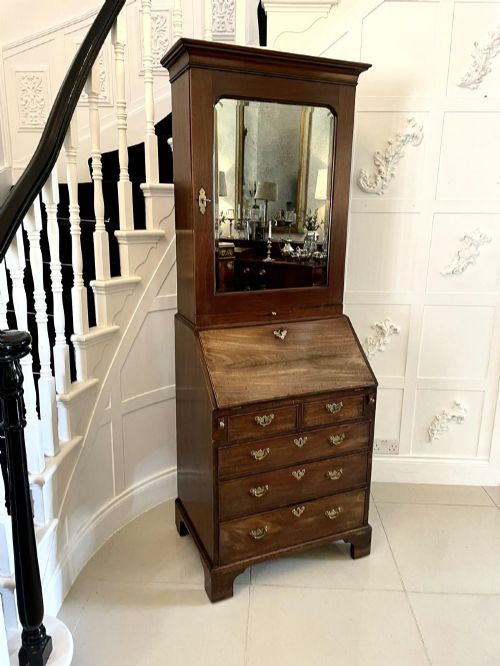
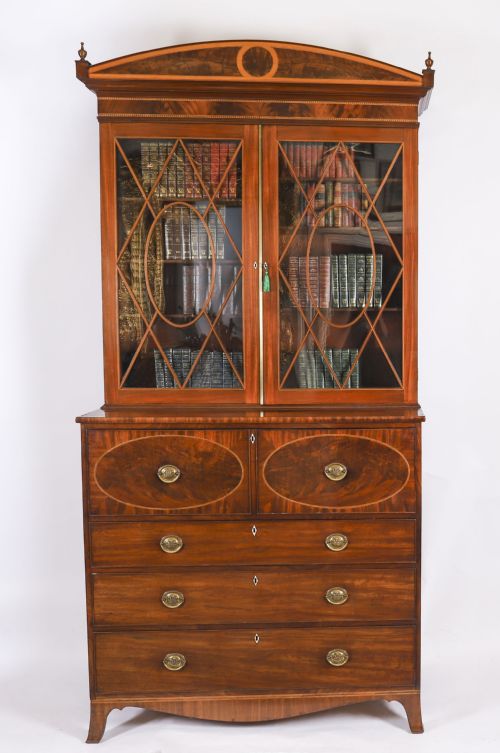
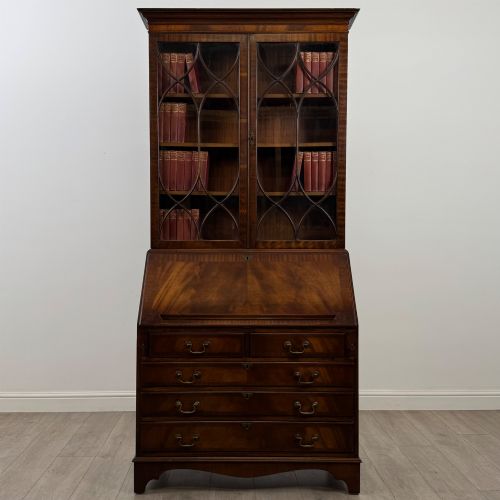
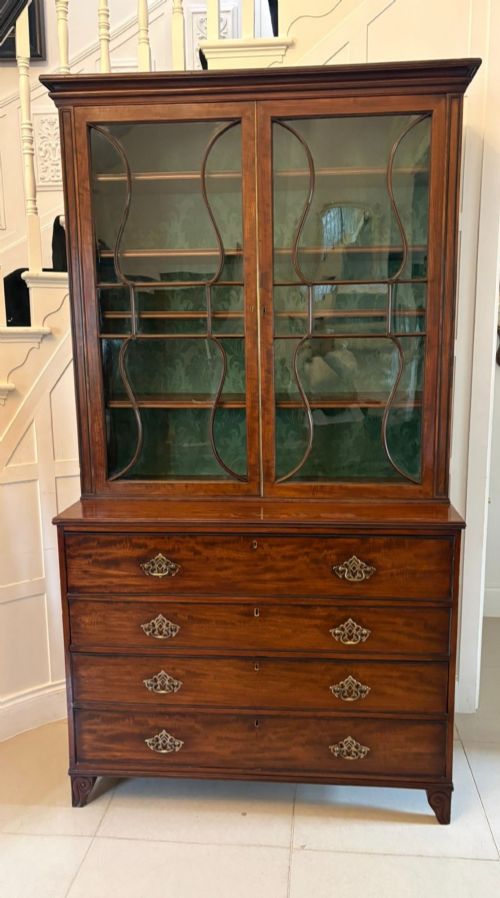
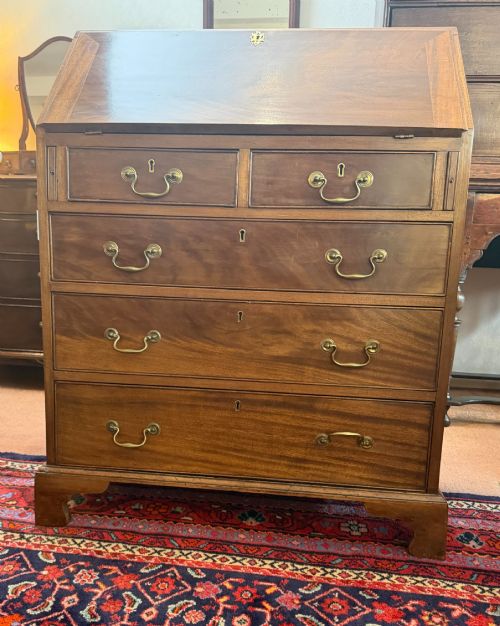
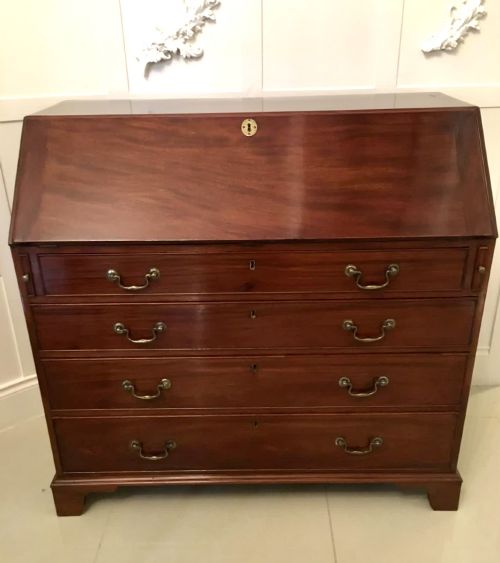
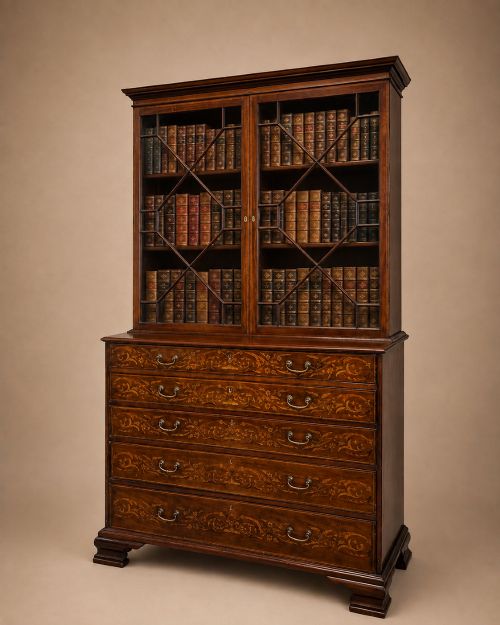
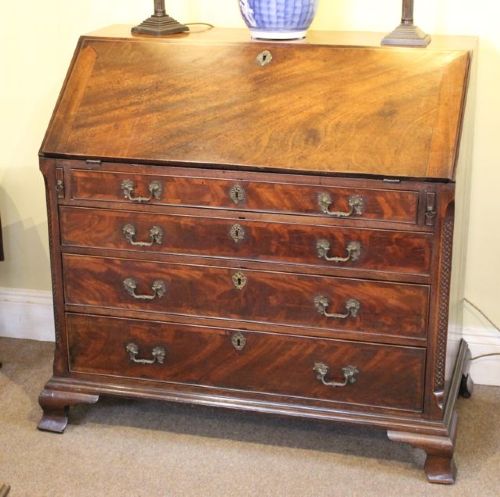
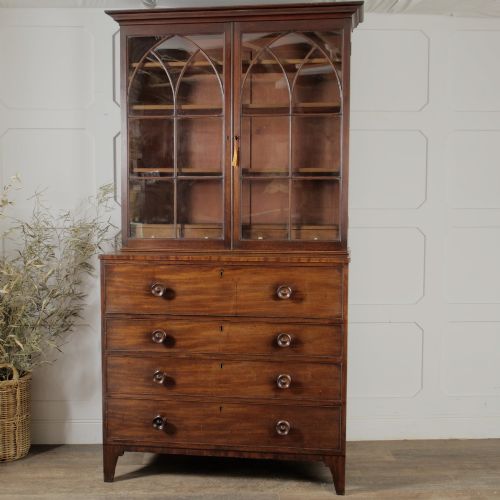
These pieces are a georgian mahogany secretary desk, built to provide secure storage and a sloping writing surface.
Georgian Mahogany Secretary Desk
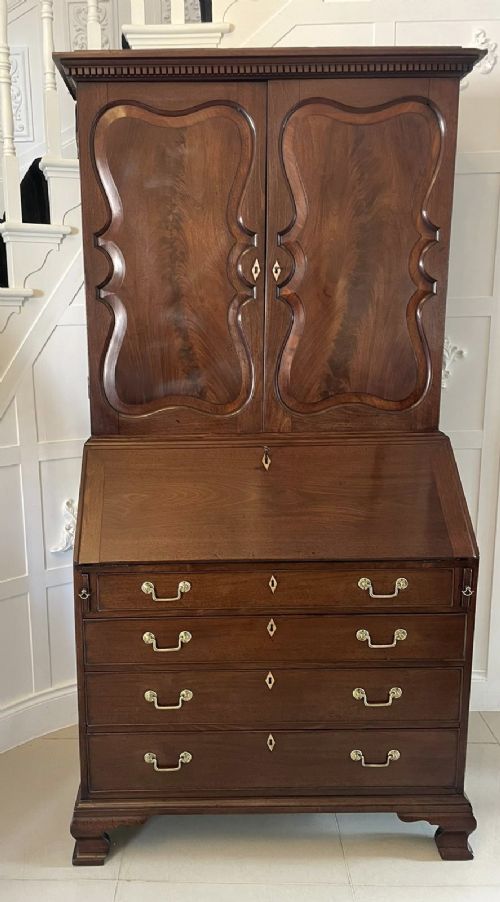
A georgian mahogany secretary desk combines a writing surface with compartmentalised drawers and pigeonholes behind a fall front or pull-out drawer. The examples seen on this page span the Georgian period, the Regency era, and later revivals, taking the form of both compact writing desks and towering bureau bookcases.
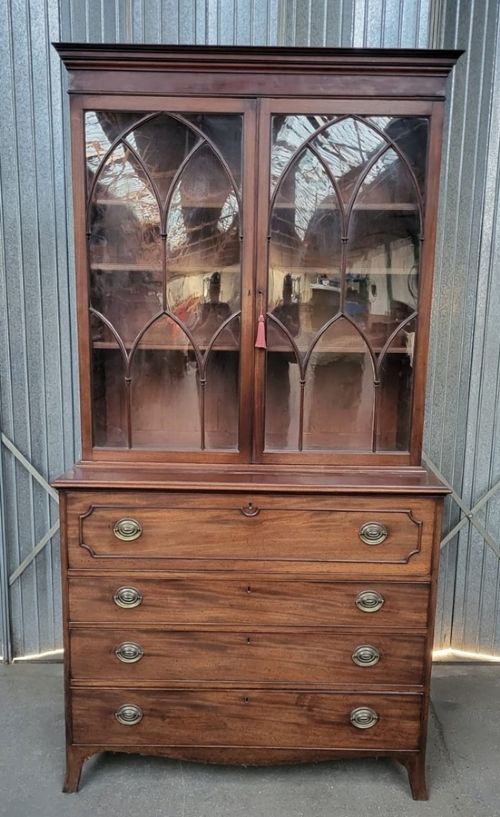
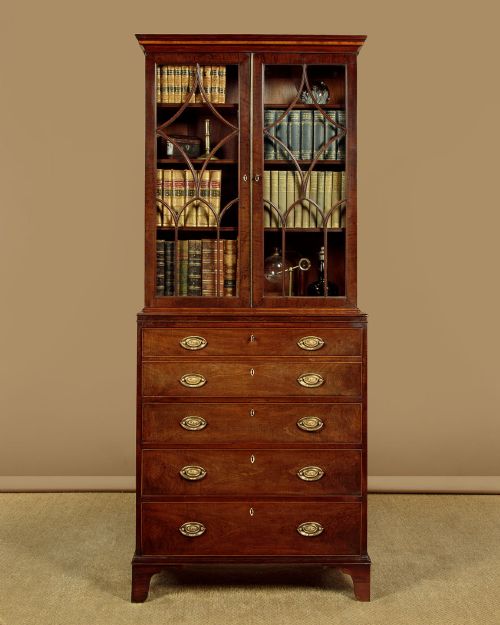
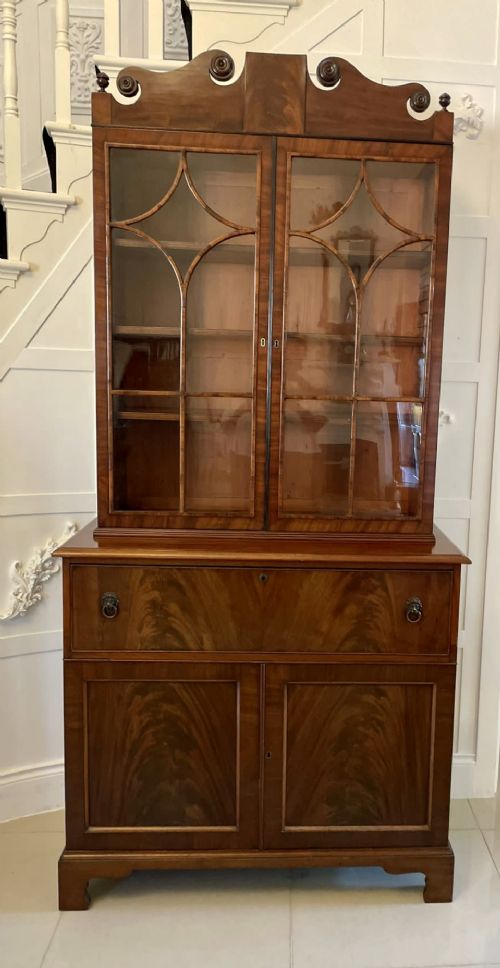
Buyers will encounter simpler slant-front bureaux alongside grander secretaire bookcases featuring glazed upper doors for display. These items originate predominantly from the eighteenth and nineteenth centuries, reflecting domestic workspace needs of the period.
How they were made
Construction relies heavily on solid and figured mahogany, often enhanced by flame mahogany veneers and contrasting satinwood inlay. Cabinetmakers utilised oak as a secondary wood for drawer linings, while brass hardware secures doors and internal compartments.
Glazed upper sections employ timber glazing bars to form astragal patterns, protecting libraries while keeping volumes visible. Interiors incorporate intricate sequences of small drawers, secret compartments, and pigeonholes constructed with traditional joinery.
Object forms span simple writing bureaux, cylinder tambour desks, and tall glazed secretaire bookcases.
What varies in quality
The degree of refinement in the timber selection defines the upper tiers of quality, visible in highly figured grain and book-matched flame mahogany veneers. Craftsmanship is apparent in the tightness of the dovetails and the complexity of the fitted internal drawers.
Proportion and scale also separate standard items from superior pieces, particularly in tall bureau bookcases where balance is difficult to achieve. Original brasses and unblemished glass panes further distinguish finer examples.
Tudor & Burrey·Gillows of Lancaster·Gillows
The Georgian Mahogany Secretary Desk Glossary
- Secretaire
- A piece of furniture containing a writing drawer or pull-out writing flap designed to conceal a fitted interior.
- Astragal
- A moulding used to hold glass panes within the doors of a bookcase cabinet.
- Tambour
- A sliding shutter constructed from narrow strips of wood glued to a canvas backing, found on cylinder desks.
- Bureau
- A desk featuring an angled flap that drops down to form a writing surface above a set of drawers.
Georgian Mahogany Secretary Desk: Frequently Asked Questions
What is a georgian mahogany secretary desk?
A georgian mahogany secretary desk is a piece of case furniture featuring a writing surface and internal compartments for correspondence. They typically combine a lower section of drawers with either a sloping fall front or a secretaire drawer.
These items served as functional household writing cabinets and libraries for storing documents and books. They reflect the domestic requirements of eighteenth and nineteenth-century households.
How were secretaire bookcases used?
The upper glazed section functioned as a bookcase for displaying volumes, while the lower writing compartment provided a private space for correspondence. The drop-front or pull-out drawer revealed pigeonholes and small drawers designed for letters and ink.
In period interiors, these dual-purpose cabinets stood in libraries, parlours, and private studies. They kept writing materials organised and valuable books protected behind glass doors.
How do I live with a secretary desk?
These desks suit studies, living rooms, and large hallways where their dark mahogany tones and fitted interiors can be appreciated. The fold-down writing surface or pull-out drawer offers a practical working area when needed.
Positioning them away from direct sunlight and heat sources protects the mahogany veneer and polish. Regular polishing with traditional wax maintains the finish of the timber.
How can I tell periods apart?
Earlier eighteenth-century pieces often display bracket feet and restrained astragal glazing bars with figured mahogany surfaces. Regency and later nineteenth-century examples introduce bolder mouldings, distinct brass handles, and sometimes cylinder or tambour fronts.
Examining the secondary woods, such as oak in drawer interiors, helps confirm the age of the construction. Stylistic details like inlay patterns and foot design shift from Georgian plainness to Regency classical influence.