


Vintage Bureau Cabinet
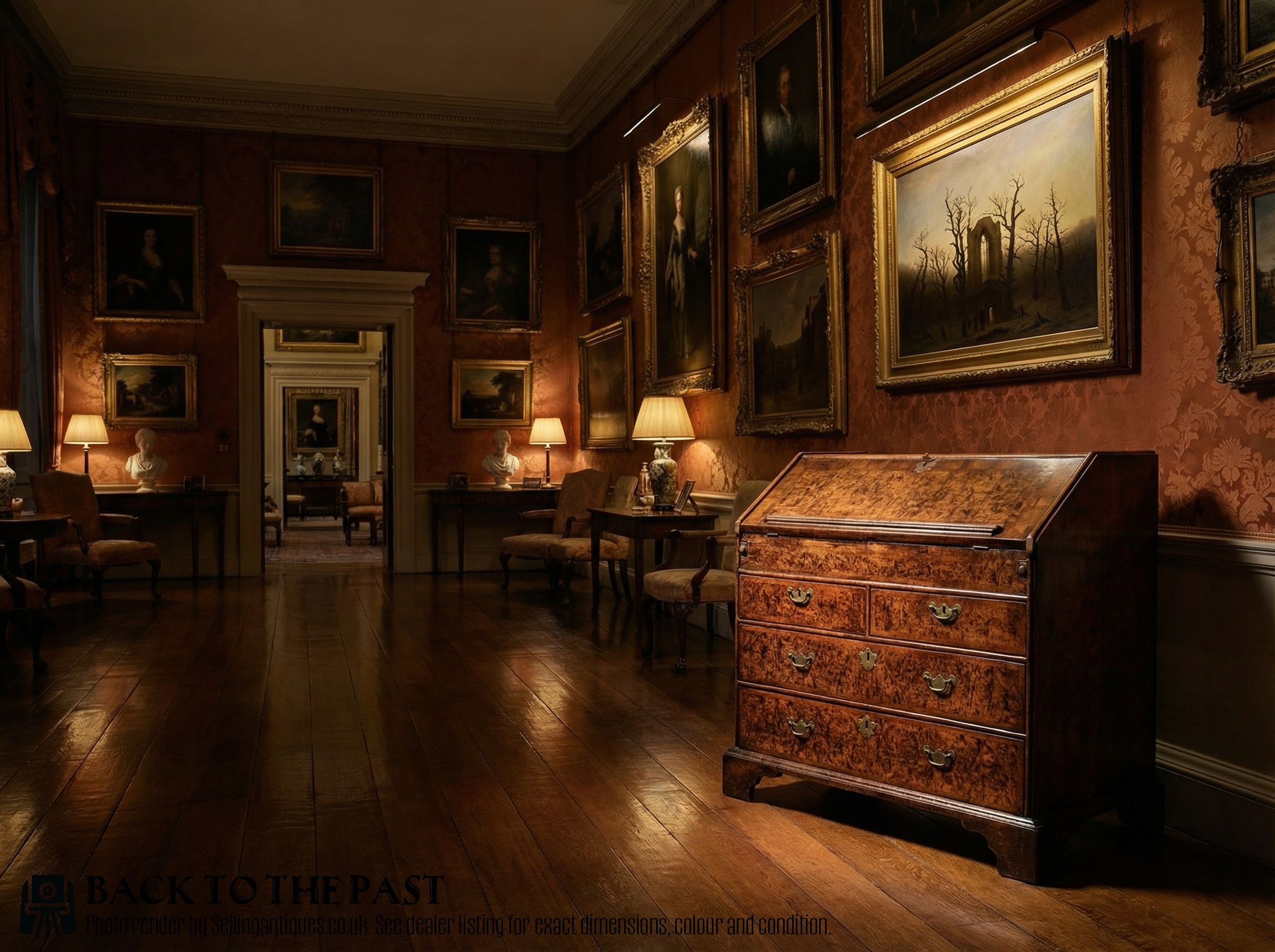
A vintage bureau cabinet combines a practical writing slope with secure storage, offering a compact workspace that conceals correspondence behind a hinged fall front.
Vintage Bureau Cabinet
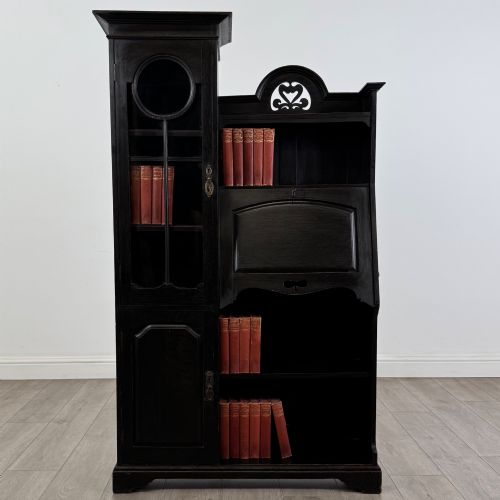
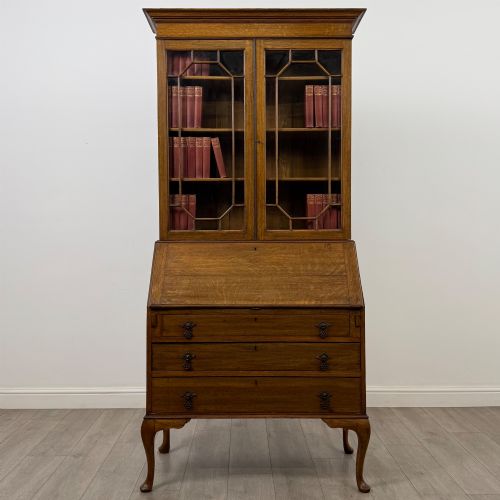
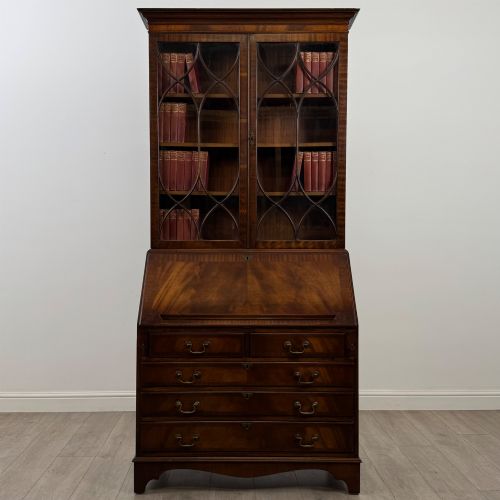
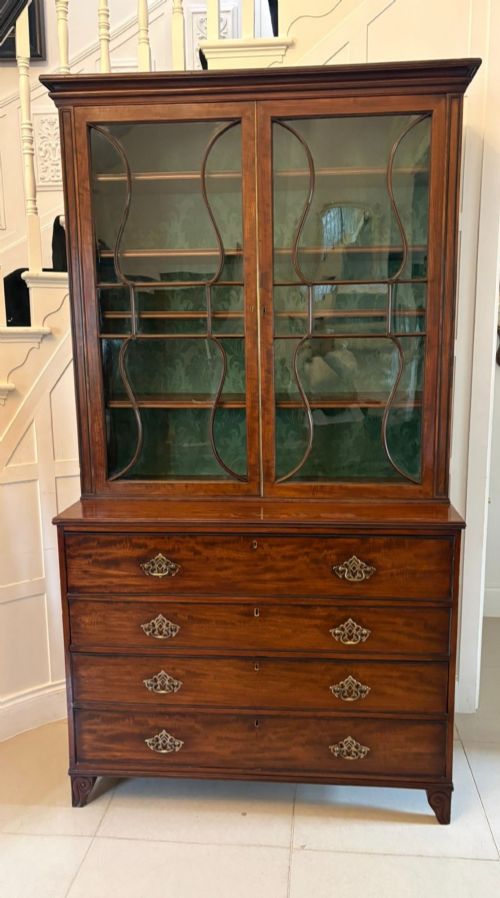
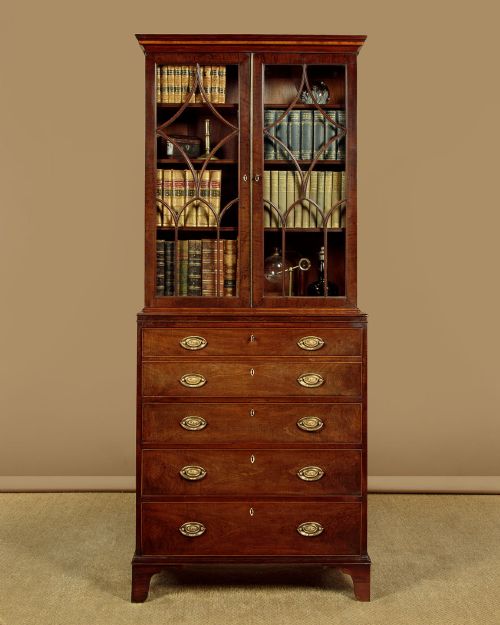
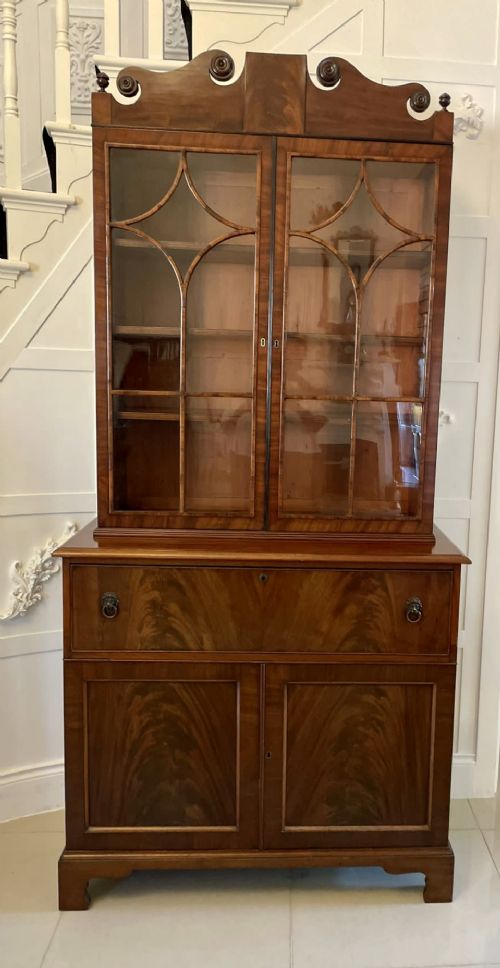
When searching for a vintage bureau cabinet, buyers encounter a variety of forms that merge a writing desk with cabinetry, spanning periods from the eighteenth century through to the Edwardian era and the nineteen-twenties. The most common examples on this page are Edwardian oak and mahogany pieces, often incorporating upper glazed bookcases or fitted internal stationery compartments.
Construction and materials
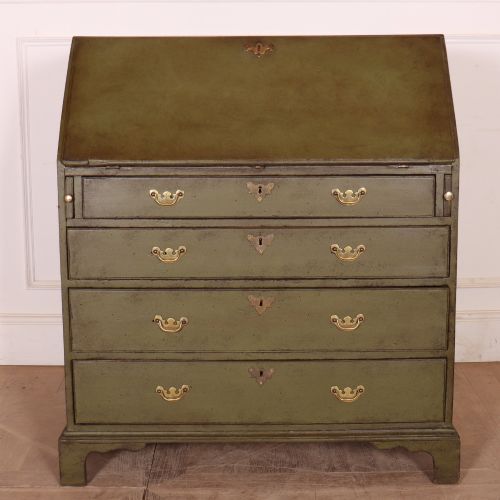
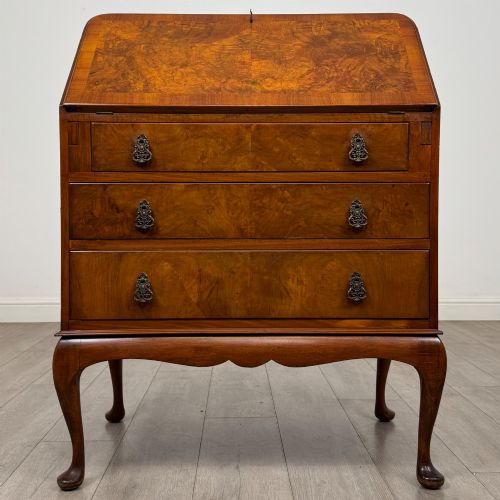
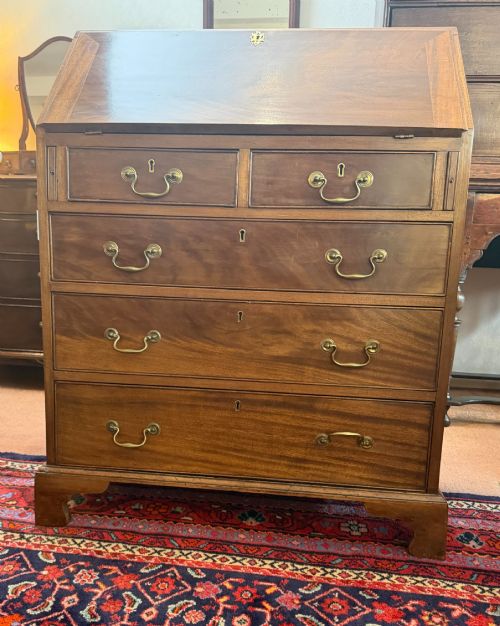
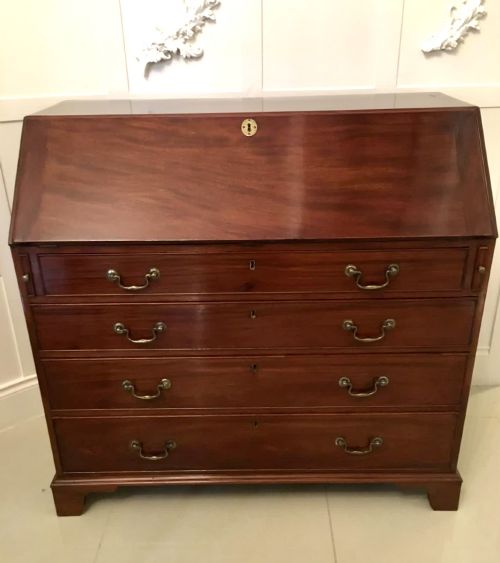
Cabinetmakers utilised durable hardwoods such as oak, mahogany, and walnut, frequently selecting burr walnut and figured veneers for decorative impact on the fall front and drawer faces. Brass hardware, including drop handles and escutcheons, secures operational components while adding metallic contrast to the timber surfaces.
Joinery techniques involve precision dovetailing on drawer boxes and sturdy framing for upper glazed bookcases and pigeonhole interiors. Structural integrity relies on solid timber carcases designed to support the weight of books and the downward pressure exerted on the writing flap during daily use.
Many a forgotten love letter still hides securely behind the secret sliding partitions of these clever nineteenth-century pigeonholes.
Assessing quality and craftsmanship
The distinction between standard and superior pieces rests upon the selection of timber veneers and the intricacy of the internal fittings. Finer examples display continuous grain matching across the fall front and harmonious proportions within the pigeonholes and small drawers.
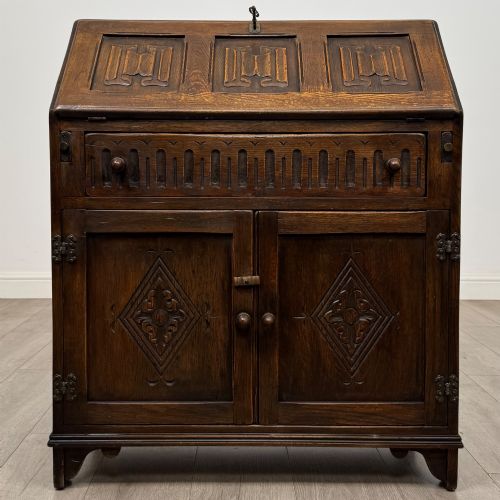
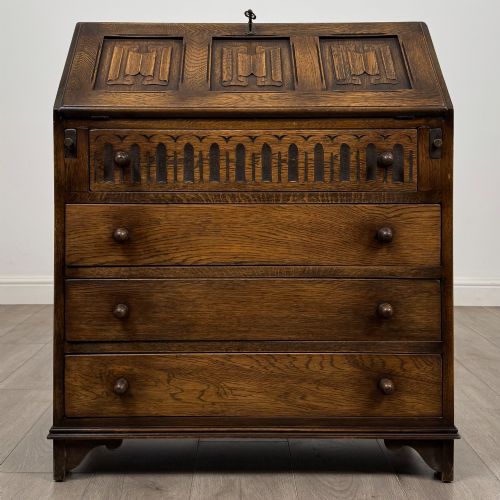
Execution of decorative details, such as carved linenfold panels, inlay work, and hand-cut dovetails, separates mass-produced items from superior workshops. The quality of the original glass in upper bookcase doors and the smoothness of the fall-front hinges further indicate higher standards of production.
ARTHUR BASIL REYNOLDS·LARKIN
The Vintage Bureau Cabinet Glossary
- Fall front
- A hinged writing flap that pulls down to form a horizontal desk surface. When closed, it conceals the interior compartments and locks securely.
- Bureau bookcase
- A combination furniture form featuring a writing bureau base with an enclosed shelving unit or glazed cabinet mounted on top.
- Linenfold
- A carved wood panel motif resembling folded cloth. This decorative technique appears frequently on Edwardian oak furniture.
- Pigeonhole
- A small, open compartment within the fitted interior of a desk. These spaces serve to sort letters, documents, and stationery.
Vintage Bureau Cabinet: Frequently Asked Questions
How do I use a bureau cabinet daily?
Lower the hinged fall front to create an immediate writing slope with convenient access to internal stationery compartments. Close the flap afterwards to keep papers out of sight and maintain a tidy room.
Upper glazed sections hold books or display items, keeping them dust-free behind glass doors. Lower drawers provide ample storage for household linens or paperwork.
What woods were used for these cabinets?
Cabinetmakers relied heavily on oak, mahogany, and walnut for structural stability and rich surface grain. Figured walnut and burr veneers appeared on finer examples to create decorative patterns.
Secondary timbers like yew wood also feature in select pieces. Brass hardware and occasional glass doors complete the construction palette.
How do I date a vintage bureau cabinet?
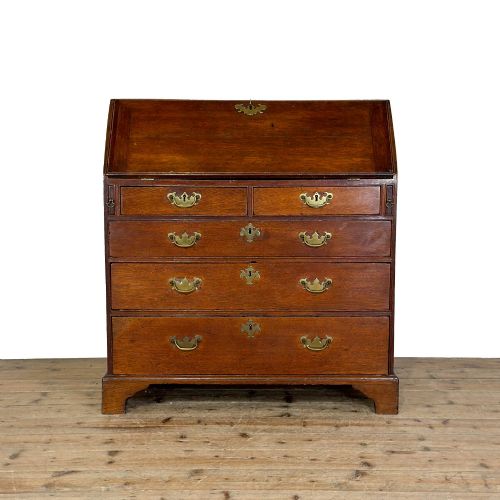
Examine the timber species, construction methods, and stylistic cues visible in the hardware and feet. Eighteenth-century models often show simple solid oak construction, while Edwardian versions frequently utilise oak with carved linenfold details.
Nineteenth-century pieces commonly showcase mahogany or Regency styling with classical proportions. Art Deco and Arts and Crafts examples display distinct decorative motifs characteristic of the early twentieth century.
Where should I place a bureau cabinet?
Position the cabinet against a sturdy interior wall with adequate clearance in front to lower the fall-front writing flap comfortably. Ensure the location avoids direct sunlight to protect antique timber finishes and veneers from fading.
Living rooms, studies, and home offices provide ideal settings where the combination of desk space and display shelving functions practically.