



Victorian Desk Drawers
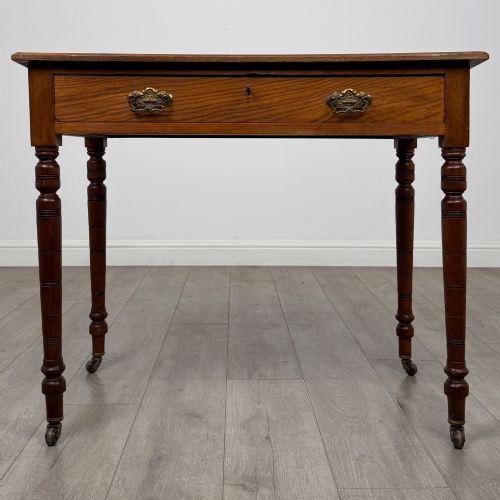
Victorian desk drawers bring purposeful joinery and rich timber to the study, housing correspondence in tidy internal compartments.
Victorian Desk Drawers
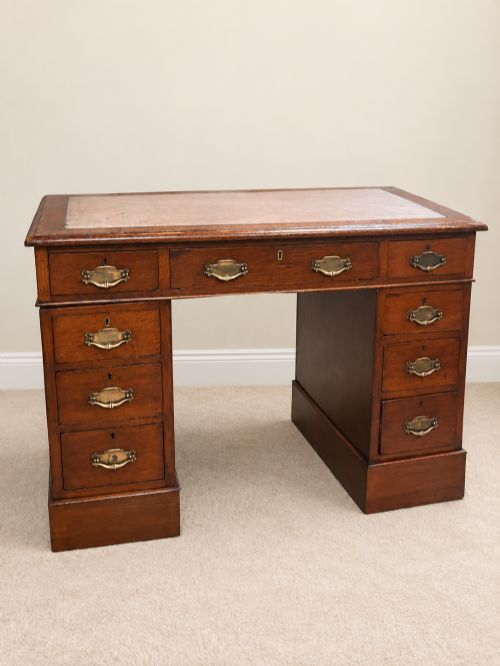
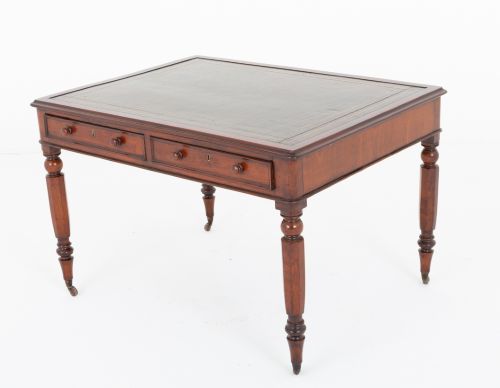
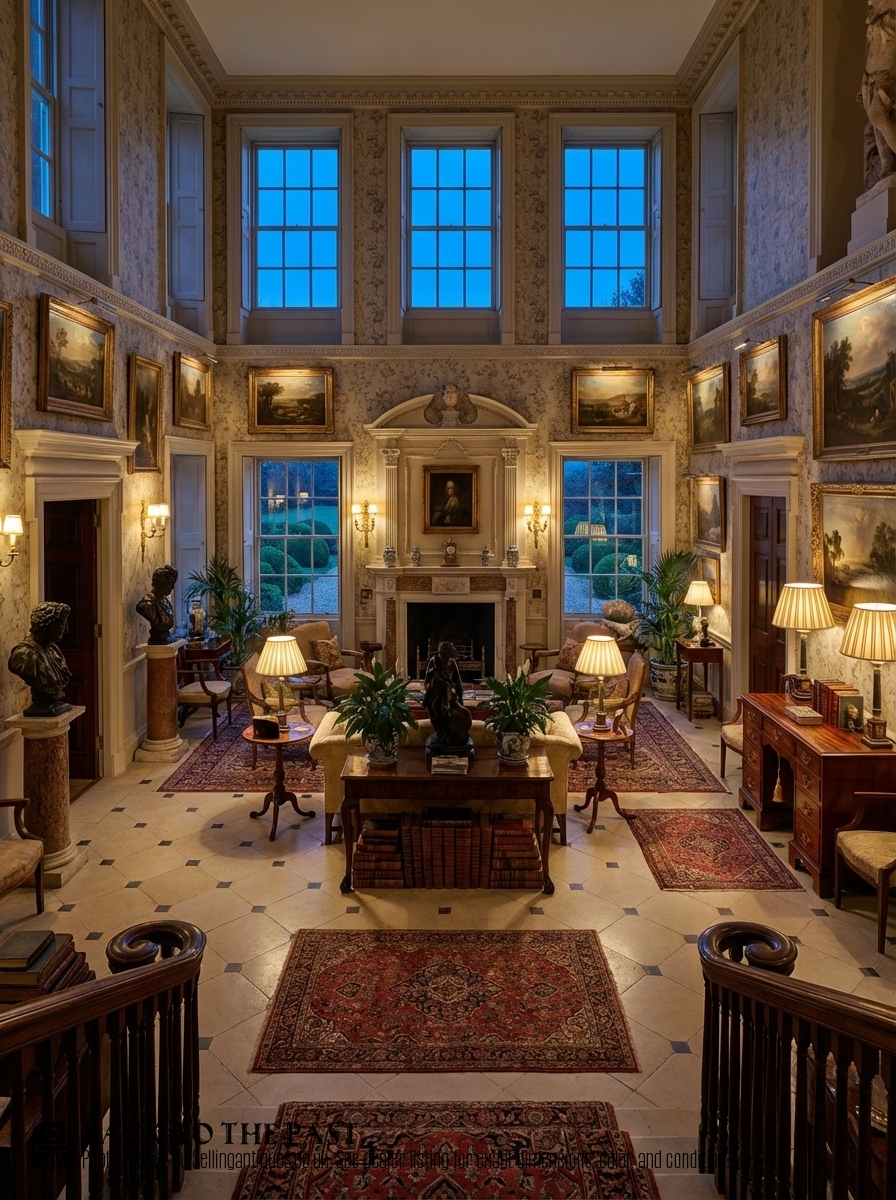
Victorian desk drawers appear predominantly within robust pedestal desks, partner tables, and compact davenports constructed across the nineteenth century. These pieces serve daily clerical tasks, organising paper inside deep timber receptacles built directly into the carcass or frieze.
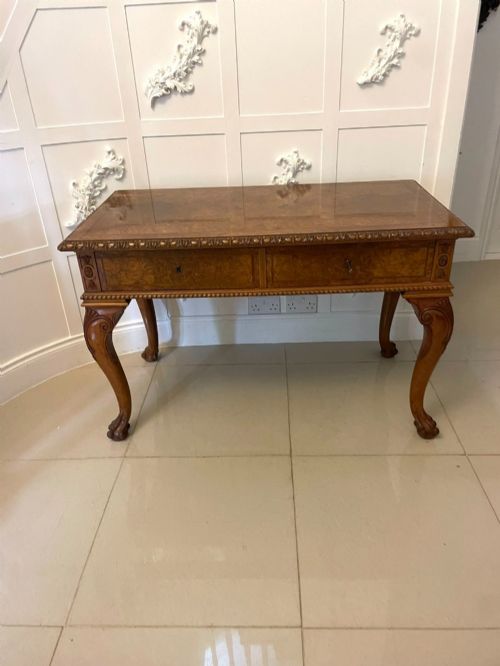
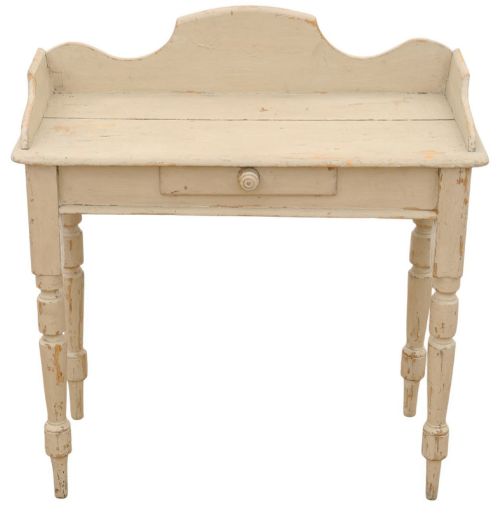
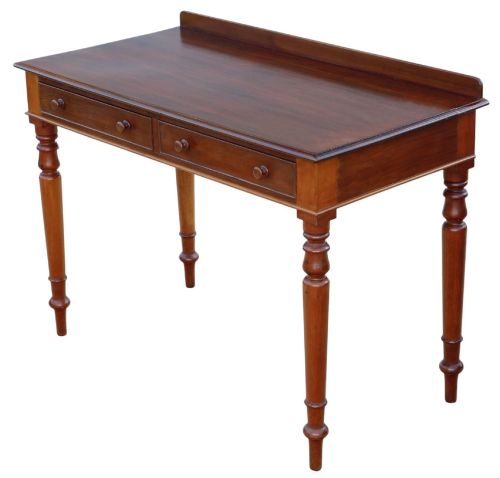
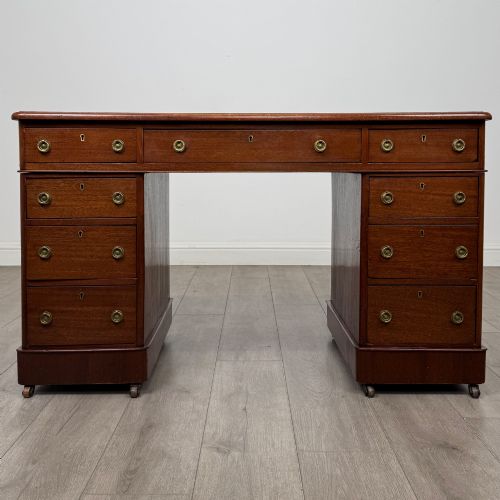
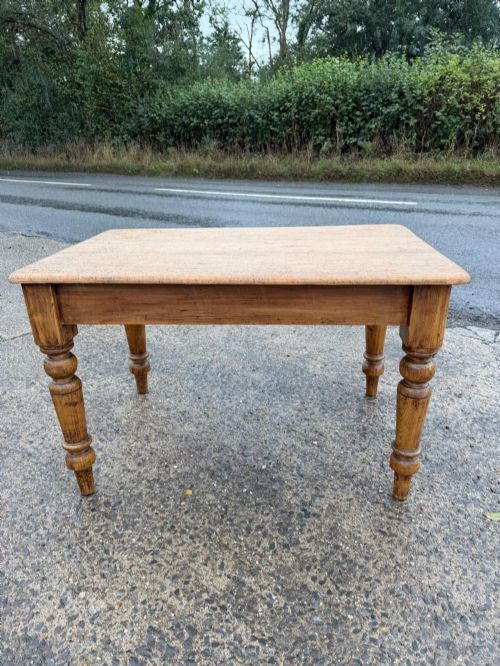
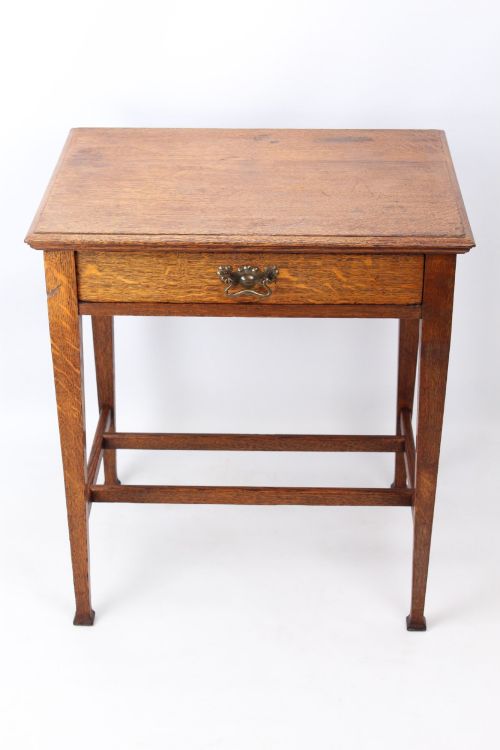
Buyers commonly encounter mahogany and oak kneehole configurations alongside simpler pine tables fitted with single or twin frontal drawers. Elaborate examples incorporate burr walnut veneers, internal stationery fittings, and secret compartments designed for private documents.
Originating in domestic studies, libraries, and estate offices, these utilitarian items combine robust proportions with decorative carving or simple vernacular restraint depending on their original placement.
Materials and Technique
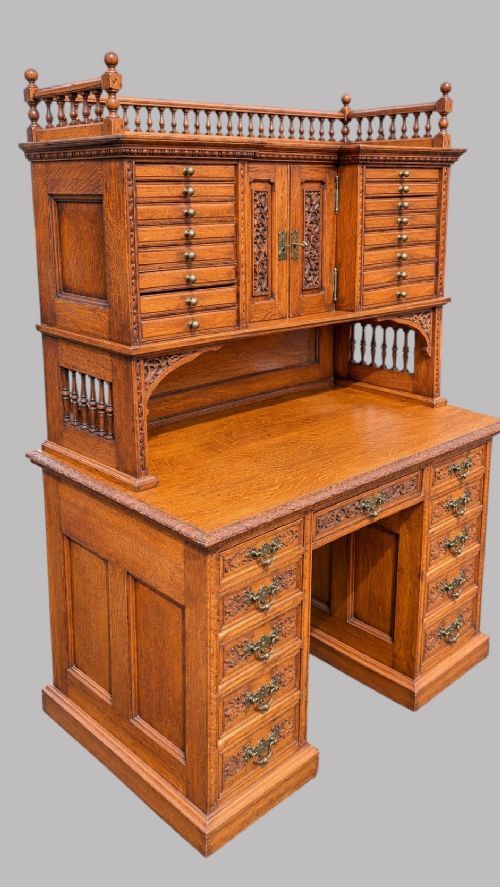
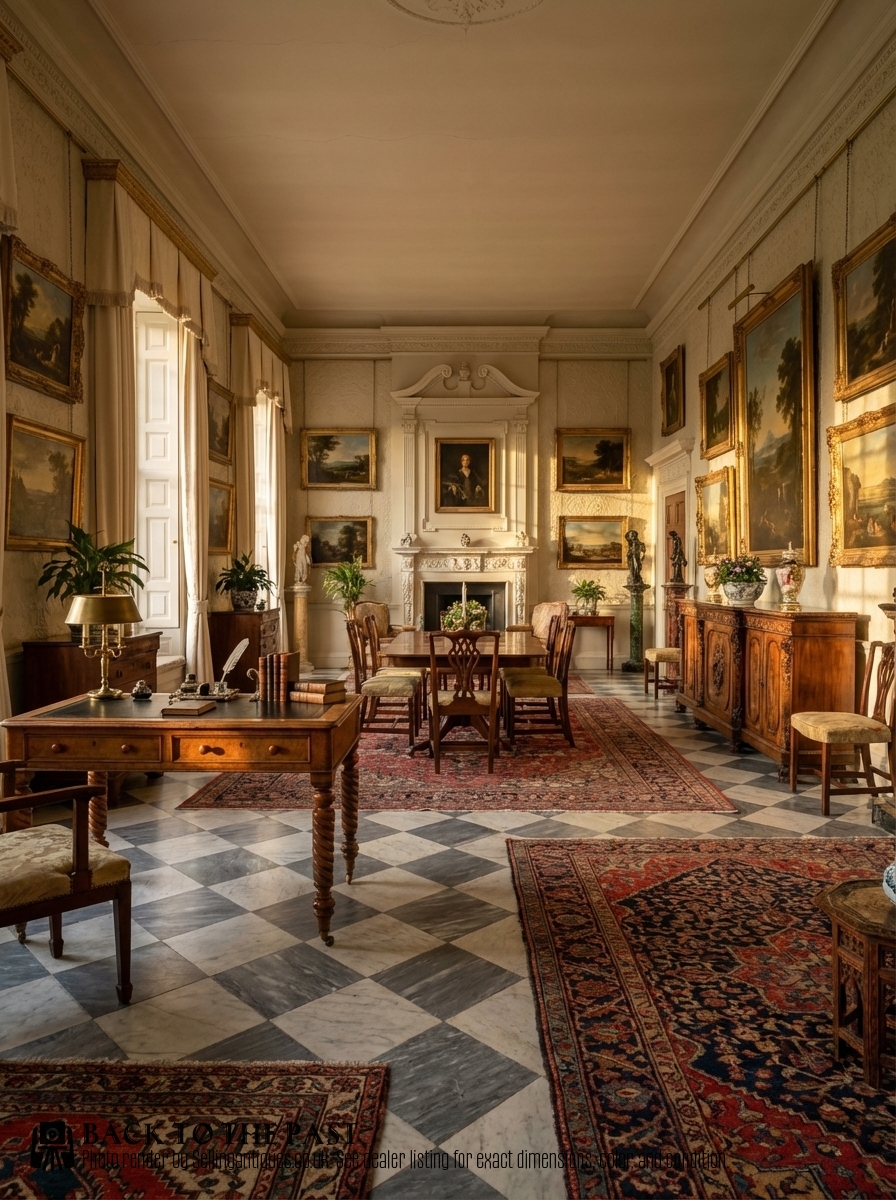
Cabinetmakers utilised dense hardwoods like mahogany, walnut, and oak alongside utilitarian softwoods such as pine and pitch pine for structural carcasses and drawer linings. Solid timber construction often meets figured veneers like burr walnut and flame mahogany on primary display surfaces.
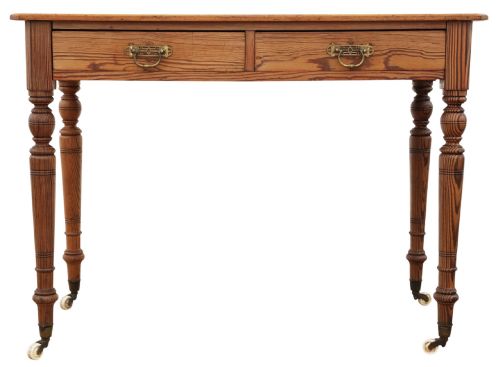
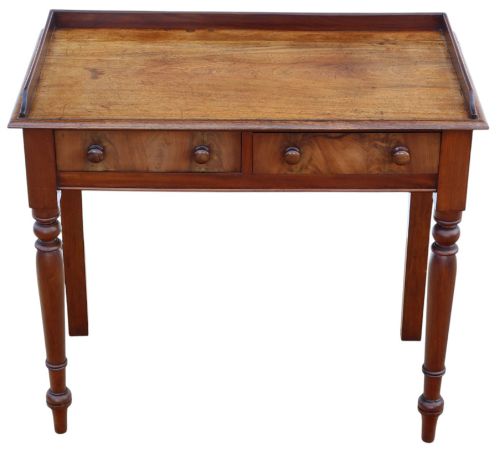
Drawer construction relies on traditional hand-cut dovetails joining drawer sides to front plates, paired with solid timber drawer bottoms sliding into grooved recesses. Secondary woods inside the carcass frequently include ash or mahogany for drawer linings, operated with brass drop handles or turned wooden knobs.
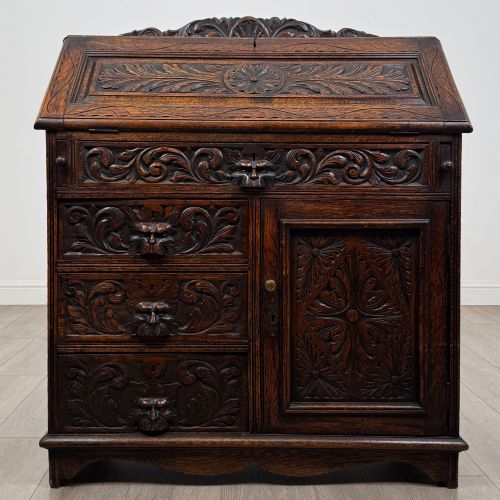
Green Man carvings occasionally peer out from Victorian oak desk drawers, guarding the inkwell with leafy brows.
The Spectrum of Construction
Quality rests upon the selection of timbers and the precision of internal joinery visible within the drawer housings. Secondary woods matching the primary carcass timber and finely cut dovetails indicate superior workshop standards.
Heal and Son·Edwards and Roberts
The Victorian Desk Drawers Glossary
- Davenport desk
- A compact Victorian writing desk featuring a sloping top above a bank of side drawers. It typically includes internal stationery compartments and rests on castors.
- Partners desk
- A large double-sided pedestal desk designed for two people to work opposite one another. These incorporate mirrored banks of drawers and cupboards beneath a shared writing surface.
- Kneehole desk
- A writing desk featuring a central recessed space for the user's legs, flanked by two vertical pedestals of drawers. They provide substantial storage while maintaining a compact footprint.
- Secretaire
- A cabinet or desk incorporating a drop-front writing flap that conceals a collection of small drawers and pigeonholes. It merges the storage of a chest with the utility of a writing surface.
- Frieze drawer
- A wide, shallow drawer positioned directly beneath the main top surface of a table or desk. These single drawers run within the wooden framework supporting the table.
Victorian Desk Drawers: Frequently Asked Questions
What woods were used for Victorian desk drawers?
Makers relied on dense hardwoods including mahogany, walnut, and oak for principal surfaces and structural framing. Softwoods like pine and pitch pine frequently appear in provincial items or interior drawer linings.
Figured veneers such as burr walnut and flame mahogany also decorate primary panels on finer pieces.
What is a davenport desk?
A davenport is a small, upright Victorian writing desk with an angled leather-lined writing slope on top. Lifting the slope reveals small interior compartments for paper and ink.
A bank of drawers opens along one side of the pedestal while dummy drawers balance the opposite side.
Are secret drawers common in these desks?
Many Victorian desks incorporate concealed compartments hidden behind movable panels or dummy partitions within the stationery interior. Cabinetmakers built these spaces to secure private papers and valuables.
Opening them usually requires releasing hidden spring catches or sliding locking timber stops.