




Golden Wood Desk
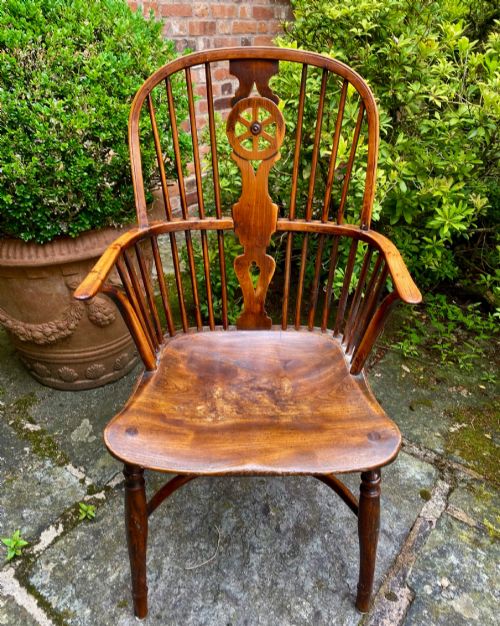
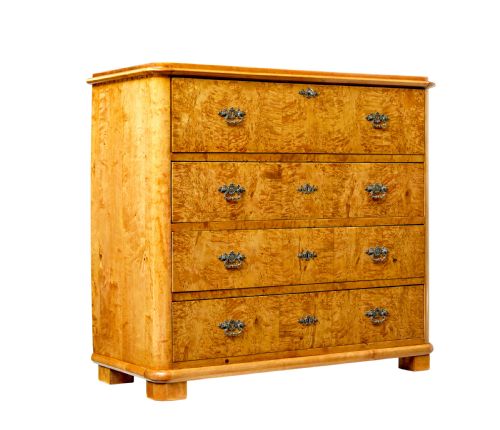
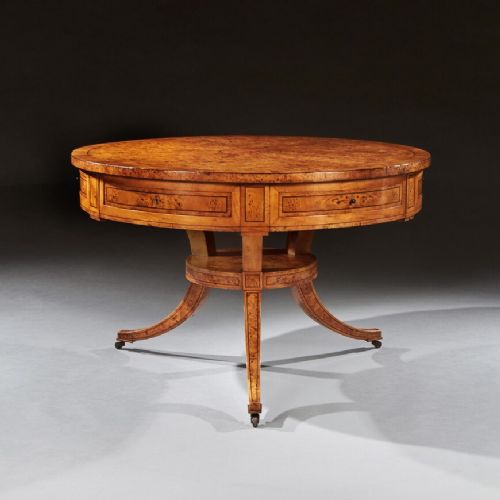
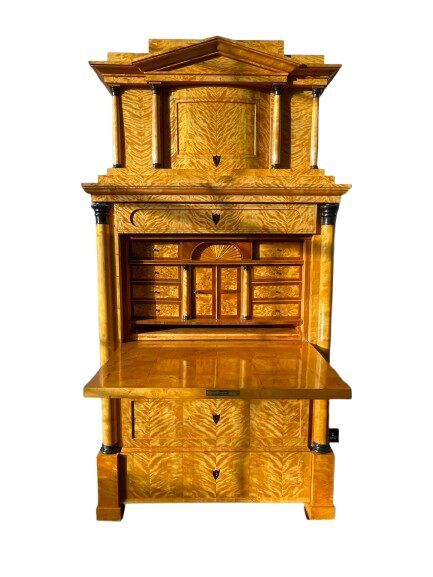
A golden wood desk brings warmth and striking blonde grain into a room, offering a refined surface for daily correspondence.
Golden Wood Desk
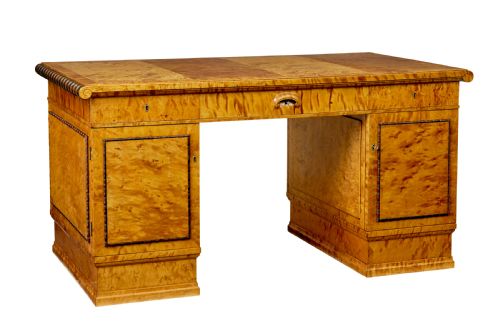
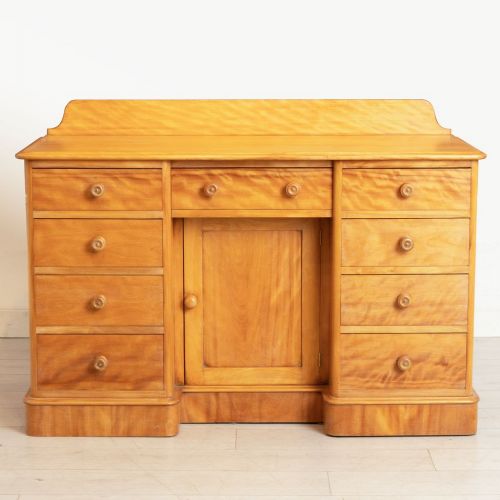
A golden wood desk encompasses various forms designed for writing and storage, frequently identified by lighter timber tones such as satinwood, birch and yew. These pieces emerge from periods spanning the eighteenth, nineteenth and early twentieth centuries, reflecting styles from Georgian elegance to Victorian utility and Edwardian painted decoration.
How they were made
Cabinet makers utilised select timbers such as satinwood, burr birch and yew, often chosen for their natural golden lustre and distinctive figuring. Construction frequently incorporated solid secondary woods beneath decorative veneers or relied on dense native hardwoods for structural integrity.
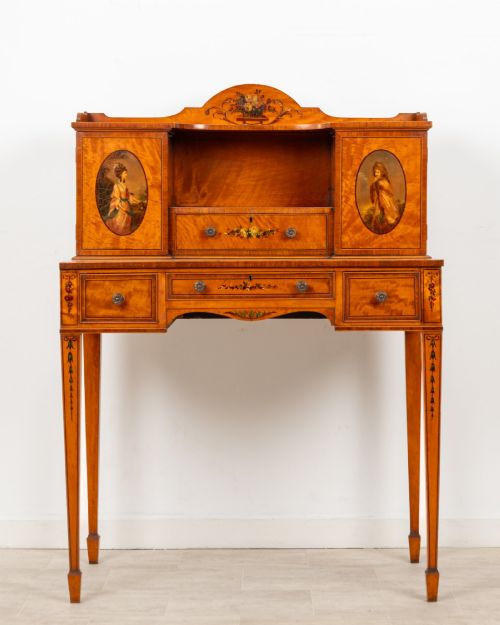
Surface ornamentation involved hand-painting, contrasting banding in timbers like tulipwood and ebony, and polished brass hardware. Cabinetry techniques prioritized secure joinery, dovetailed drawers and fitted interior compartments tailored for stationery.
The listings incorporate several regional origins, uniting English cabinet work with Scandinavian birch pieces and Chinese export furniture.
What varies in quality
Quality rests primarily in the choice and matching of timber veneers, where highly figured burr or meticulously selected satinwood creates a richer visual depth. Superior examples display finer hand-painted details, crisper brass mounts and more complex internal stationery arrangements.
Construction standards also set pieces apart, visible in the precision of the dovetailing, the integrity of the secondary timbers used inside drawers, and the overall balance of proportions established during the period of manufacture.
John Taylor of Edinburgh·Gillows·James Winter and Son
The Golden Wood Desk Glossary
- Satinwood
- A lustrous hardwood native to the tropics and parts of Europe, prized for its pale golden sheen and smooth texture. It became a favoured timber for refined neoclassical and Edwardian furniture.
- Pedestal desk
- A freestanding writing table supported by two banks of drawers beneath the work surface. This form provides substantial storage while maintaining a finished appearance on all sides.
- Bureaus
- A sloping desk featuring a hinged writing flap that opens to reveal internal pigeonholes and small drawers. These pieces combine compact workspace with enclosed storage.
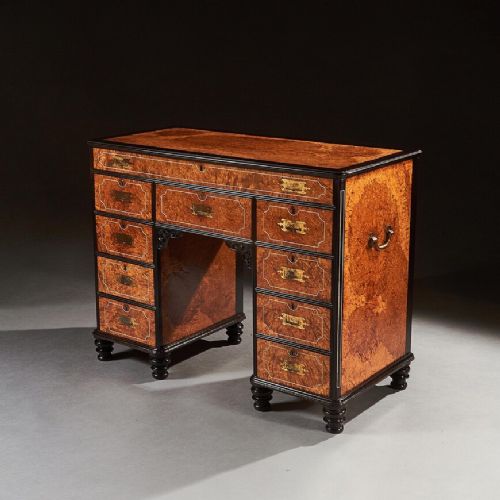
- Kneehole desk
- A writing desk featuring a central recess for the user's legs, flanked by pedestals containing drawers. This configuration offers organised storage without sacrificing seated comfort.
- Inlay
- A decorative technique where pieces of contrasting wood, shell or metal are inserted into recessed portions of the primary surface. It defines many refined surfaces across Georgian and Victorian pieces.
Golden Wood Desk: Frequently Asked Questions
What is a satinwood desk?
A satinwood desk is a writing surface constructed from or veneered in pale, golden satinwood timber, known for its reflective sheen.
These pieces were particularly popular during the late eighteenth and early nineteenth centuries, as well as the Edwardian era, often featuring delicate painted or inlaid decoration.
How do I care for golden wood?
Golden wood furniture requires gentle dusting with a dry, soft cloth and protection from direct sunlight to preserve the pale tone of the timber.
Applying occasional specialist wax helps nourish the wood and maintain the natural lustre of the finish without building up heavy residues.
How do I identify a Victorian desk?
Victorian desks often display robust construction utilising dense secondary woods alongside satin birch or walnut veneers, reflecting industrial-era manufacturing improvements.
Stylistic cues range from heavy, practical kneehole forms to revived historical patterns influenced by earlier Georgian and Sheraton designs.