




Late Victorian Bureau
When you search for a late victorian bureau, you are looking at nineteenth-century writing furniture combining drop fronts with fitted drawers and pigeonholes.

Late Victorian Bureau
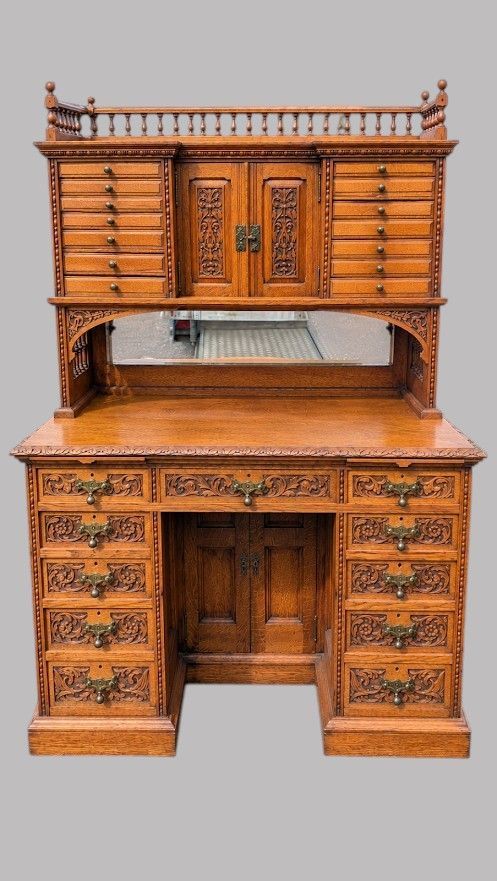
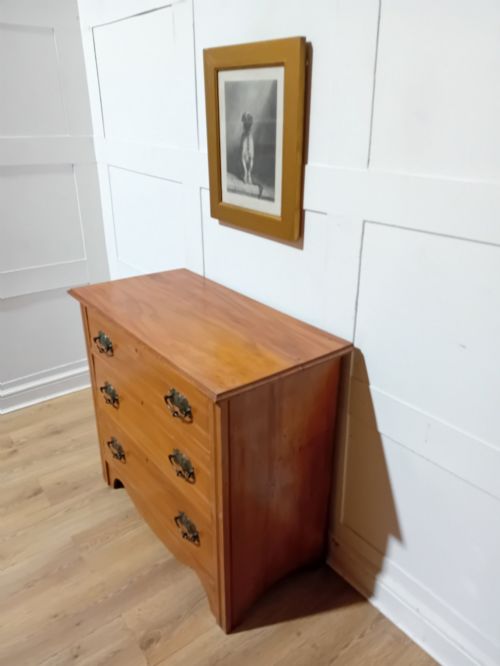
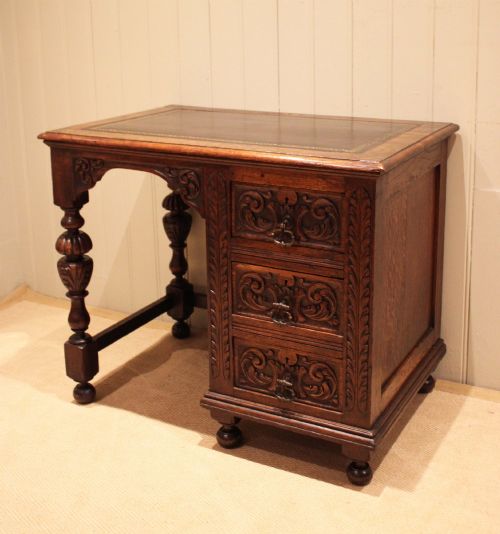
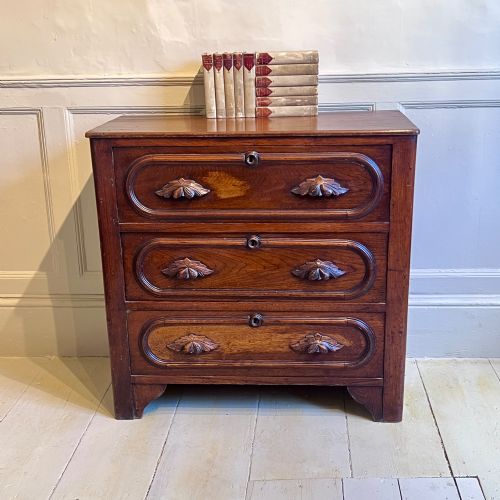
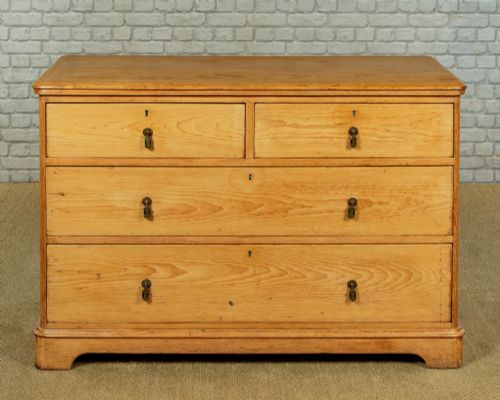
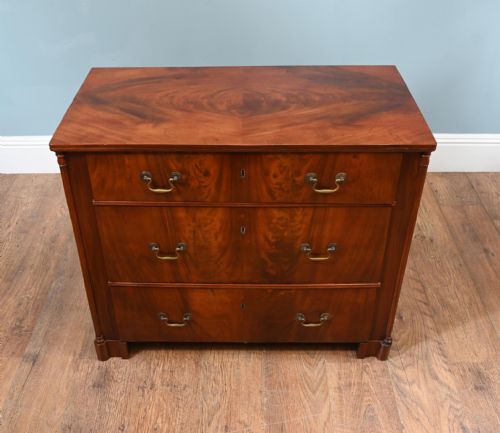
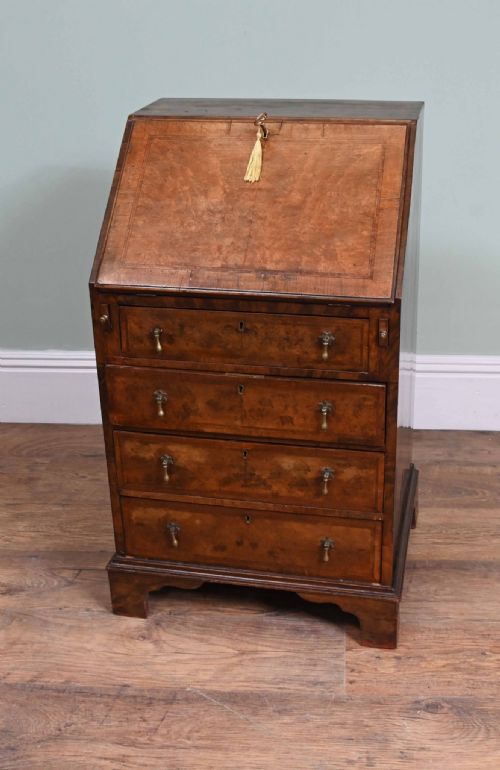
A late victorian bureau typically comprises a sloping fall front that opens to reveal a writing surface and internal compartments, often set above multiple storage drawers or bookcase cabinets. The pieces seen here span forms such as oak writing desks, mahogany cylinder desks, and satinwood fall-front cabinets produced around the close of the nineteenth century.
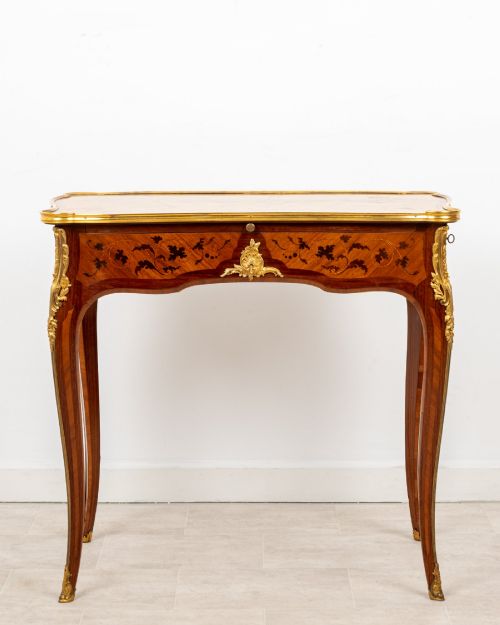
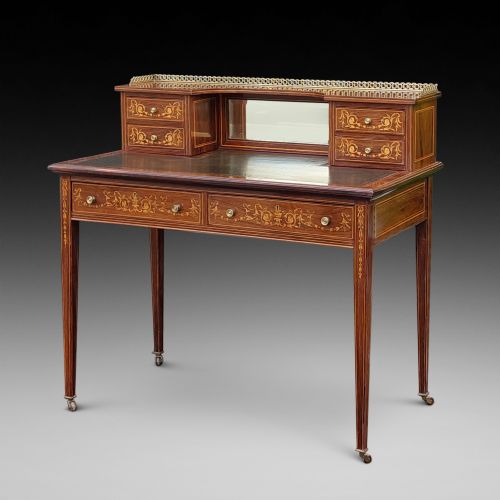
The varieties on this page range from compact writing tables and inlaid rosewood secretaire abattants to substantial library bookcase combinations. Walnut and oak versions frequently appear alongside mahogany and satinwood examples reflecting Sheraton Revival or Arts and Crafts influence.
How they were made
Cabinet makers utilised dense hardwoods such as mahogany, walnut, and oak for structural carcasses, frequently applying decorative veneers like satinwood, kingwood, and amboyna to exterior surfaces. Brass hardware, leather inserts, and glass panelling completed the fittings.
Joinery techniques combined traditional dovetailing for drawer construction with marquetry, inlay, and ebonising for surface ornamentation. Fall fronts relied on sturdy hinges and internal pigeonhole structures to support daily correspondence.
Listings demonstrate a preference for oak, mahogany, and walnut, complemented by decorative satinwood veneers and brass hardware.
What varies in quality
Quality separates through the selection of timber figure, such as flamed mahogany or pollard oak, and the precision of inlaid wood veneers. Elaborate marquetry work and secondary decorative details distinguish finer cabinetwork from simpler utility pieces.
Structural integrity depends upon smooth drawer action, tight joinery at the fall-front hinges, and original brass fittings. The complexity of the internal arrangement and the integration of upper bookcases further define the upper tier of execution.
Harris Lebus of Tottenham·Durand·Maple & Co·Edwards & Roberts·Thomas Turner
The Late Victorian Bureau Glossary
- Bureau
- A desk featuring a sloping hinged lid that drops down to form a writing surface over a set of drawers. This term frequently describes fall-front writing furniture from the nineteenth century.
- Secretaire Abattant
- A tall vertical cabinet with a drop-down writing flap concealing an interior of small drawers and pigeonholes. These pieces often incorporate fine veneers and architectural cornices.
- Marquetry
- Decorative veneer patterns formed by fitting together small pieces of tinted wood, ivory, or metal to create pictorial designs. It appears commonly on satinwood and walnut writing surfaces.
- Pigeonhole
- A small compartment within a desk interior used for sorting letters and papers. They sit behind the main fall front of a bureau.
- Cylinder Desk
- A form of writing desk featuring a quarter-circle rotating wooden cylinder that covers the desk surface and interior compartments. This mechanism slides back when the writing slide pulls forward.
Late Victorian Bureau: Frequently Asked Questions
How do you use a bureau?
You lower the fall-front flap to create a stable writing surface supported by built-in sliding arms. The internal compartments organise stationery, while the lower drawers store household papers.
In daily living, these desks function well in studies or living rooms as compact writing stations with built-in storage capabilities.
Are these desks made of solid wood?
Many pieces combine solid structural framing timbers like oak or pine with decorative hardwood veneers on visible exterior surfaces. Common surface veneers include satinwood, walnut, and mahogany.
This construction method allowed cabinet makers to display striking wood grain patterns while maintaining structural stability across the writing surfaces and drawers.
How do you date a late victorian bureau?
Dating relies on stylistic clues such as Sheraton Revival inlay, Arts and Crafts simplicity, or heavy carved oak decoration typical of the late nineteenth century. Maker stamps and lock signatures can also help narrow the production period.
Construction traits like hand-cut dovetails and specific secondary woods provide further chronological context for individual pieces.