
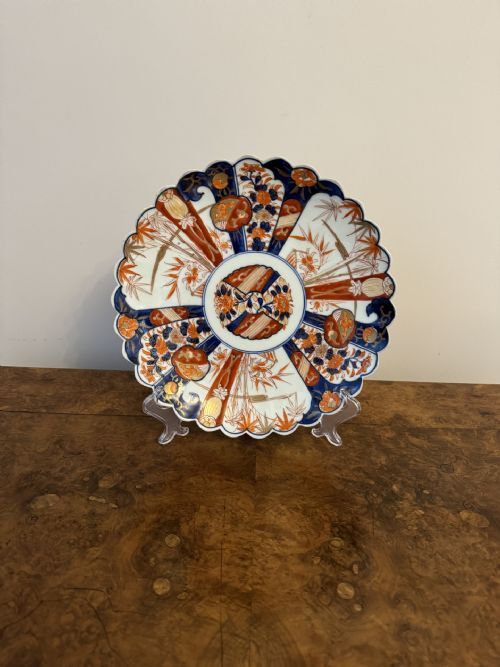
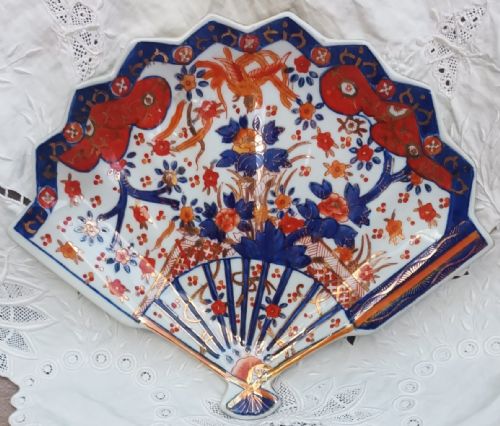


Shaped Imari Plate
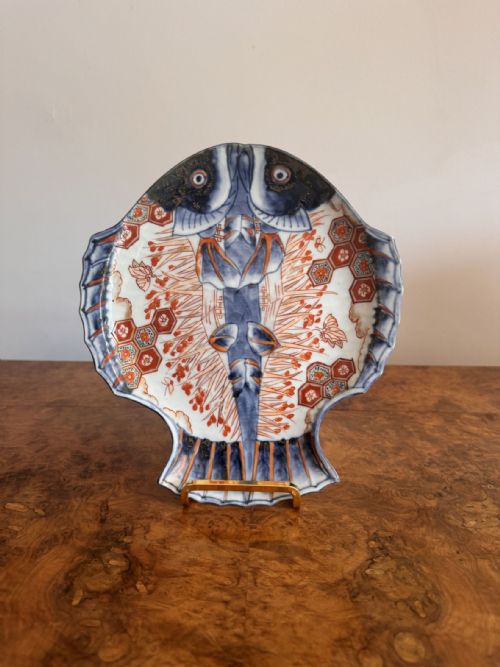
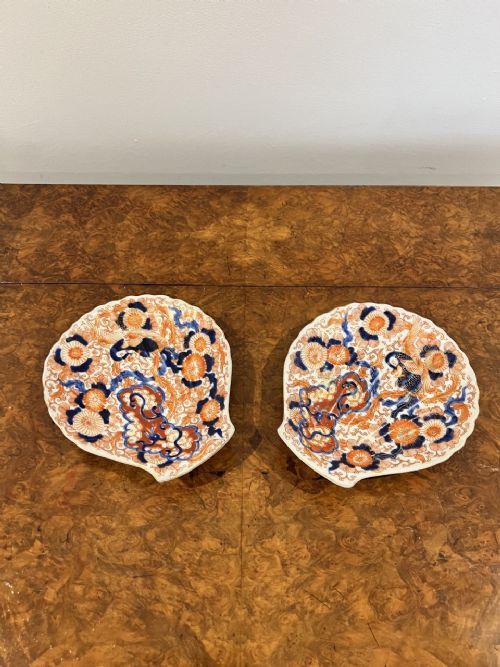
Shaped imari plate variations offer striking display forms, uniting traditional Japanese ceramics with inventive silhouettes like shells, fans, and fish.

Shaped Imari Plate
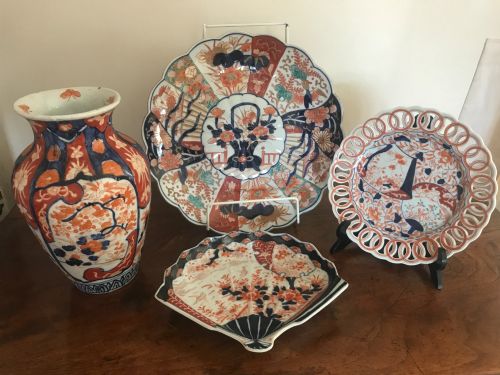
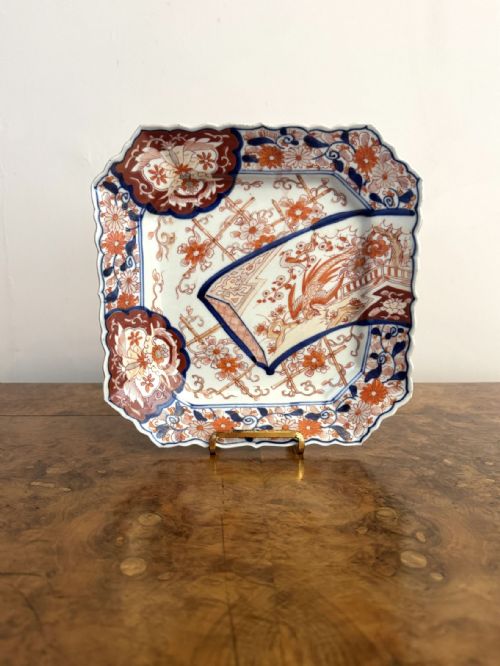
A shaped imari plate presents a distinct departure from standard circular geometry, utilising outlines such as squares, petals, scalloped edges, and fan shapes. These decorative dishes serve primarily as ornamental pieces rather than standard tableware, reflecting both Japanese Meiji and Edo period aesthetics alongside Regency interpretations.
The pieces on this page span several centuries, including late seventeenth-century shallow relief examples, nineteenth-century European responses like Old Derby and Masons, and numerous items from around nineteen hundred. Japanese Imari dominates the selection, bringing characteristic motifs and varied silhouettes directly to the collector.
Materials and decoration methods
Makers shaped ceramic and porcelain bodies into specific moulds, producing shallow relief designs for crane dishes, fish forms, and shell profiles. Fired clay provided the foundational ceramic base before glazing and enamel work took place.
Decoration relied on applied enamel, iron red, black pigment, and gold leaf or gilding. This palette defined the distinctive Imari style across both Japanese originals and British interpretations.
One determined fish-shaped plate ensures dinner guests can admire aquatic styling without any actual seafood on the table.
Distinctions in craftsmanship and form
The sophistication of the moulding defines the upper tiers of these items, particularly when craftsmen shaped porcelain into complex profiles like fish, birds, or folded fans rather than simple geometric variations. Crisp definition in shallow relief work separates superior examples from standard productions.
The precision and depth of the enamel work, combined with the application of gold leaf or gilt, dictate overall visual impact. Strong execution in iron red and black pigments ensures the decorative pattern holds its contrast across the ceramic surface.
The Shaped Imari Plate Glossary
- Imari
- A style of Japanese porcelain originating from Arita and exported through the port of Imari. It traditionally employs a palette of underglaze blue, iron red, and gilt.
- Meiji Period
- The era in Japanese history spanning from eighteen sixty-eight to nineteen twelve. Pieces from this time often display intricate enamel decoration and varied moulded silhouettes.
- Kakiemon
- A style of Japanese enamelled porcelain characterised by asymmetric designs and a refined palette. European factories frequently copied these patterns on domestic ceramic bodies.
- Ironstone
- A type of durable ceramic developed in nineteenth-century Britain. Masons utilised this material to produce decorative desert dishes inspired by Eastern designs.
- Regency
- A British architectural and design period spanning the early nineteenth century. Imari style ceramics from this era reflect contemporary European interpretations of Asian motifs.
Shaped Imari Plate: Frequently Asked Questions
What is a shaped imari plate?
A shaped imari plate is a decorative ceramic or porcelain dish featuring an outline outside the standard circle, such as a fan, shell, or square. These items utilise traditional Imari decoration.
They function primarily as ornamental display pieces rather than utility tableware. Their diverse silhouettes reflect both Japanese craftsmanship and later European interpretations.
How do I identify a Meiji period piece?
Meiji period items date from eighteen sixty-eight to nineteen twelve, aligning with the recorded dates of many Japanese ceramics on this page. They typically exhibit detailed enamel work and precise moulding.
Examinations of the ceramic body and the style of the hand-painted decoration help confirm this timeframe. Makers during this era produced numerous fan, shell, and scalloped variants for export.
What does Kakiemon style mean?
Kakiemon style refers to a refined Japanese ceramic aesthetic featuring restrained asymmetric arrangements and specific enamel colours. Old Derby examples on this page imitate these characteristic patterns.
This style differs from standard busier Imari designs through its emphasis on negative space and delicate painting. Collectors prize these European interpretations for their cross-cultural design history.
Were these dishes used for dining?
Most shaped imari plate examples served as decorative dishes or desert dishes rather than everyday utility plates. Their unconventional outlines, such as fish and crane forms, made them unsuited for standard meals.
Their primary purpose was visual display within a room. The delicate gilding and enamel surfaces required careful handling away from heavy dining use.
How do Japanese and British pieces differ?
Japanese originals utilise traditional porcelain bodies decorated in Meiji or Edo period workshops with characteristic iron red, blue, and gold. British equivalents, such as Masons ironstone or Old Derby, adapt these motifs onto local ceramic wares.
British Regency versions demonstrate how domestic potteries reinterpreted Eastern designs to suit contemporary tastes. Both traditions embraced the popular fan and shell silhouettes.