




Oriental Porcelain Tray
These oriental porcelain tray examples range from eighteenth-century Chinese export wares to nineteenth-century Japanese Imari pieces, offering distinctive decorative display potential for any room.

Oriental Porcelain Tray
An oriental porcelain tray designation covers decorative plates, dishes, and serving platters originating from China and Japan. Buyers exploring this category encounter eighteenth and nineteenth-century examples, alongside pieces dating into the early twentieth century.
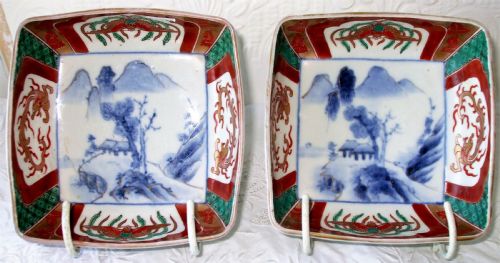
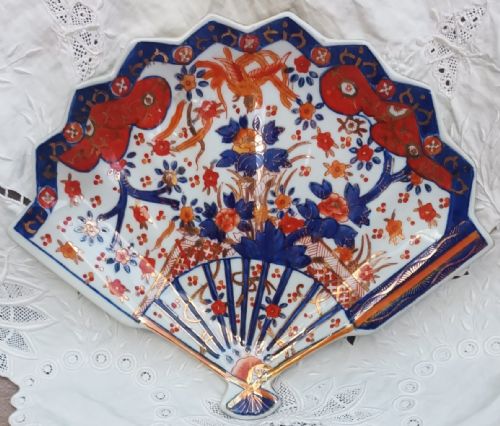
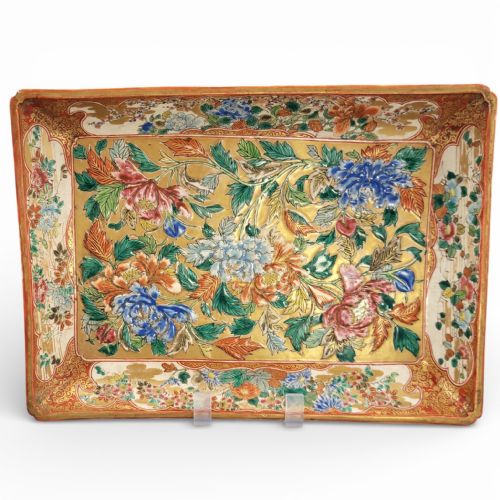
The selections span Chinese export porcelain, including Canton famille rose and blue and white serving dishes, as well as Japanese Meiji period Imari and Kutani wares. Forms vary from traditional round plates to fan shapes, shell shapes, and hexagonal planters with accompanying drip trays.
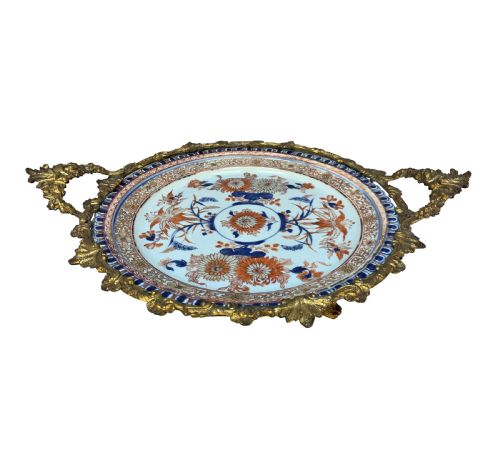
Many of these items showcase elaborate hand-painted decoration featuring peonies, songbirds, and traditional motifs in rich palettes. European influence also appears through ormolu mounts added to eighteenth-century Chinese Imari plates.
How oriental porcelain tray objects were made
Hard-paste porcelain forms the foundational body of these pieces, shaped into plates, dishes, and specialised serving vessels. Artisans applied detailed underglaze blue and vibrant overglaze enamel colours by hand.
Gilding, gold leaf, and gold platings frequently highlight specific details within the painted compositions. Certain items incorporate cast ormolu and gilt bronze mounts fitted securely around the porcelain body.
Period designations represented span the eighteenth century, the nineteenth century, and early twentieth-century dates including 1900, 1910, and 1930.
What varies in quality
The refinement and complexity of the hand-painted brushwork separate standard production from superior pieces. Crisp execution of motifs like peonies and birds indicates higher artistic skill.
The integration of supplementary materials, such as finely chased ormolu mounts or rich application of gold leaf, influences the overall character of the work. Unusual forms, including fan and shell shapes, represent greater moulding and firing challenges.
The Oriental Porcelain Tray Glossary
- Imari
- A style of Japanese porcelain featuring a distinct palette typically dominated by underglaze blue, iron red, and gold. These wares were heavily exported to Europe during earlier centuries.
- Famille Rose
- A palette of Chinese porcelain decoration characterised by opaque pink enamel colours. This style developed during the Qing dynasty and became prominent on export porcelain.
- Ormolu
- Gilded bronze used for decorative mounts and furnishings. European makers often applied these metal mounts to imported Asian porcelain pieces.
- Kutani
- A style of Japanese coloured porcelain originating from Ishikawa prefecture. It is noted for bold pictorial designs enhanced with gold leaf.
- Hard-paste porcelain
- A dense ceramic material composed of kaolin and petuntse fired at very high temperatures. This substance produces a durable, vitrified body typical of traditional Asian wares.
Oriental Porcelain Tray: Frequently Asked Questions
What is an oriental porcelain tray?
An oriental porcelain tray refers to decorative plates, dishes, and platters made in China and Japan, often featuring hand-painted enamels and intricate glazes.
These items range from eighteenth-century export pieces to nineteenth-century Meiji period wares designed for ornamental display or serving purposes.
How do I identify Imari porcelain?
Imari porcelain is characterised by its traditional colour scheme, which relies heavily on underglaze blue, iron red, and supplementary gold.
Many examples take unusual shapes, such as fans or shells, and originate from the Japanese Meiji period or nineteenth-century production.
What are ormolu mounts?
Ormolu mounts consist of gilded bronze or brass worked into decorative frames and stands. European craftsmen attached these metal fittings to imported porcelain plates and bowls.
This practice combined Asian ceramic traditions with European decorative tastes during earlier centuries.
How should I display these trays?
These ceramic pieces suit careful placement on flat surfaces, inside cabinets, or mounted securely on walls using appropriate hardware. Their hand-painted details reward close inspection in well-lit spaces.
Care should be taken to protect antique porcelain and any associated metal mounts from accidental impact.
What is Canton porcelain?
Canton porcelain describes wares decorated in the Chinese port city of Canton primarily for the Western export market. These pieces frequently utilise famille rose or famille verte palettes.
They often depict elaborate figurative or botanical scenes rendered in bright enamels.