




Imari Ceramic Platter
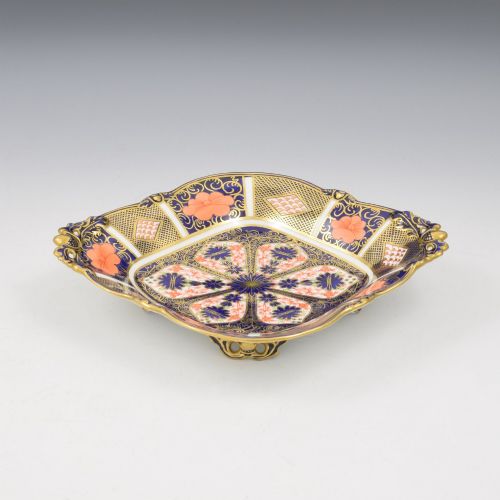
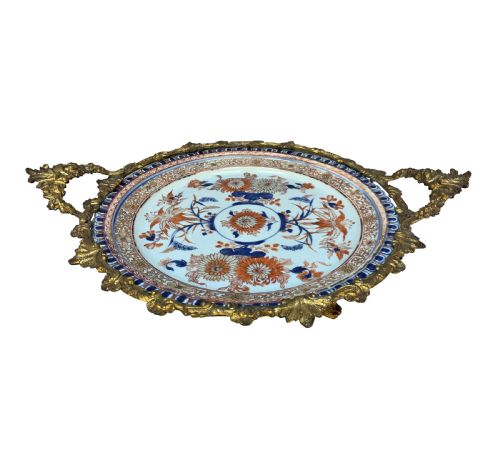
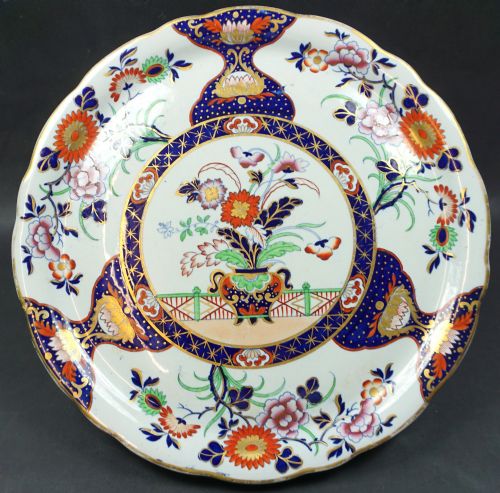
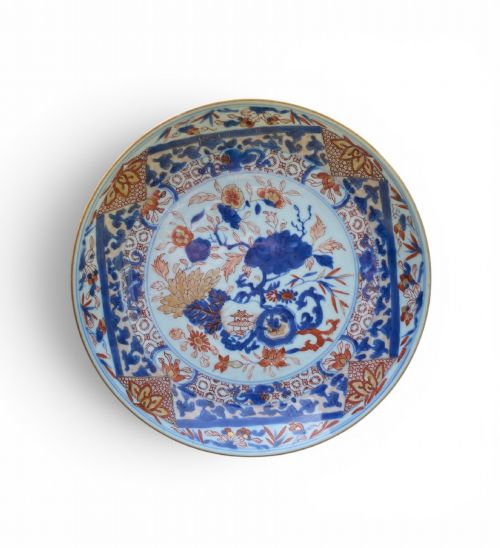
When you search for an imari ceramic platter, you find striking porcelain and earthenware dishes painted in vibrant iron red, cobalt blue, and gold.

Imari Ceramic Platter
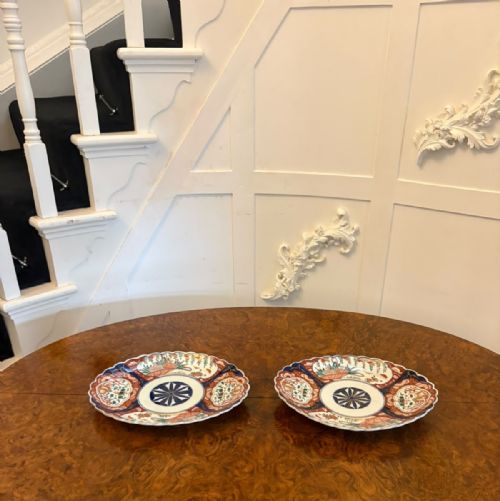
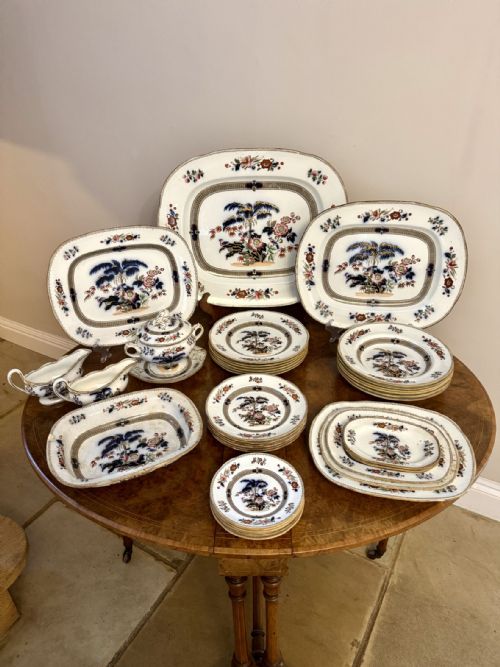
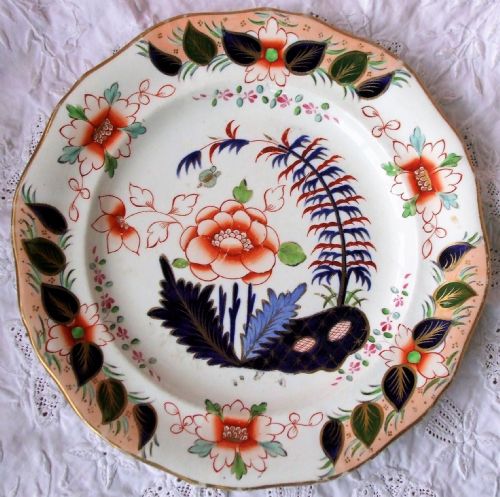
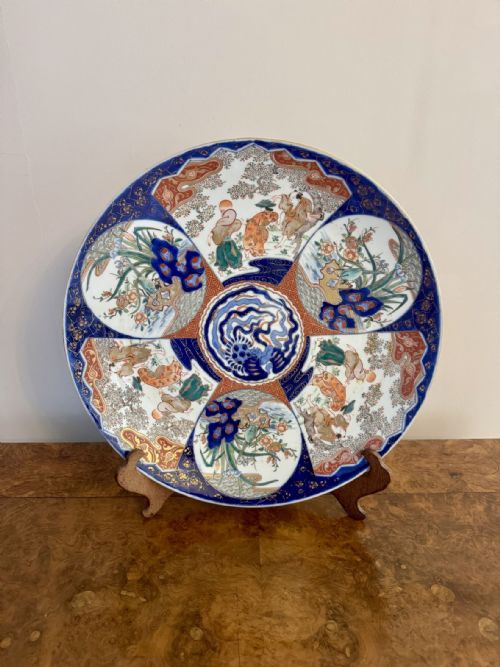
An imari ceramic platter encompasses traditional chargers, serving dishes, and decorative plates originating from both Japanese kilns and European potteries. When searching for an imari ceramic platter, buyers encounter pieces ranging from large Japanese Arita chargers to English ironstone interpretations.
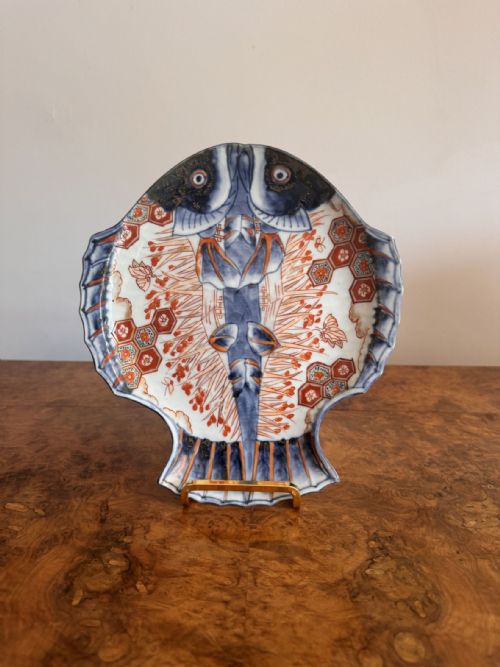
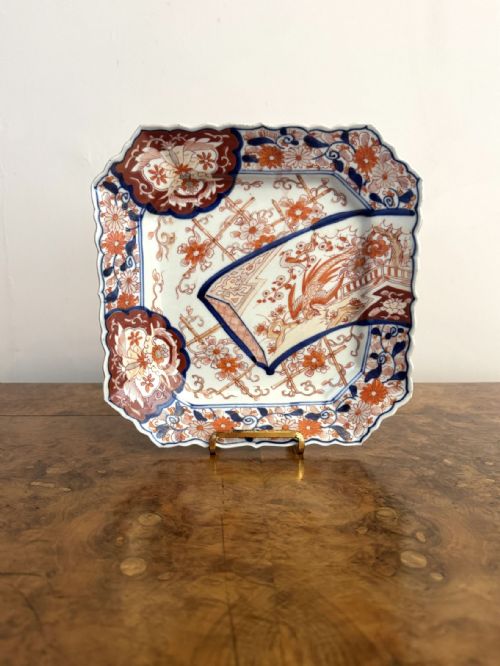
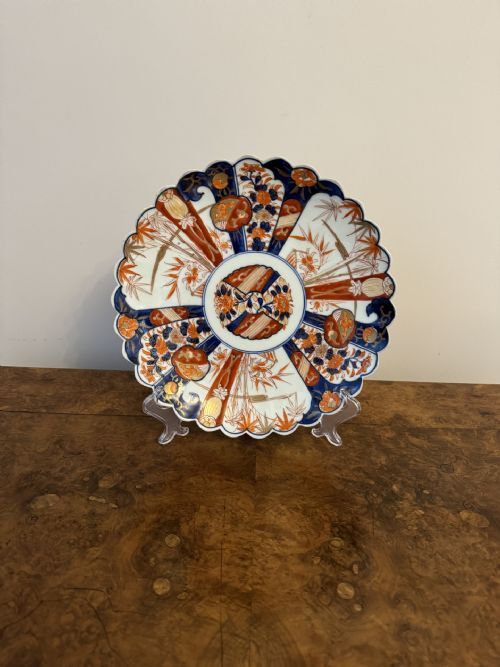
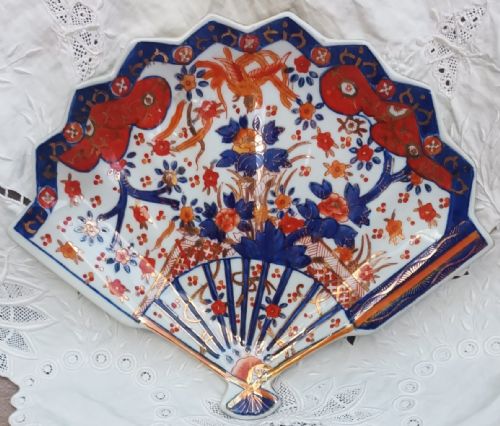
The selections span the Edo and Meiji periods alongside eighteenth and nineteenth-century European production. Forms extend from standard circular chargers to scalloped edges, square plates, fish shapes, and fan designs.
How they were made
Potters shaped porcelain, earthenware, and ironstone before applying underglaze blue and overglaze enamel colours. Gilding and gold leaf often highlight the painted floral, bird, and figural motifs.
Firing techniques allowed cobalt blue to fuse beneath the glaze while enamel details and gold accents were fixed in subsequent lower-temperature firings.
Listings feature porcelain, earthenware, and ironstone materials spanning the eighteenth, nineteenth, and early twentieth centuries.
What varies in quality
The refinement of the hand-painted brushwork distinguishes standard items from superior examples. Crispness in the cobalt blue underglaze and precision in the enamel overlay reveal the skill of the decorator.
The complexity of the moulded or thrown form also dictates worth, such as intricate scalloped borders, unusual fish shapes, or large charger diameters.
Royal Crown Derby·Hicks & Meigh·John Davenport of Longport·John Ridgway
The Imari Ceramic Platter Glossary
- Imari palette
- A decorative colour scheme typically featuring underglaze blue, iron red, and gilt highlights. This palette originated in Japanese export ware and was later copied by English potteries.
- Charger
- A large decorative plate or platter used historically for service or display. These substantial pieces provide a wide surface for detailed hand-painted designs.
- Meiji Period
- A Japanese historical era spanning from eighteen sixty-eight to nineteen twelve. Pieces from this time often exhibit elaborate floral and figural compositions.
- Edo Period
- A Japanese historical era lasting from sixteen hundred and three to eighteen sixty-eight. Early examples from this period show the foundational styles of Japanese porcelain production.
- Ironstone
- A type of durable earthenware developed in nineteenth-century England. Potteries utilised this strong material to create robust plates and platters in the imari taste.
Imari Ceramic Platter: Frequently Asked Questions
Are English imari pieces different?
English potteries adopted the imari palette during the nineteenth century, applying the characteristic red, blue, and gold colours to ironstone and earthenware. These items reflect European interpretations of Japanese export porcelain.
Maker marks on the reverse frequently distinguish English wares from their Japanese counterparts.
How were large chargers displayed?
Large chargers served both functional dining roles and decorative display purposes in historical interiors. Their substantial diameters made them ideal for placement on sideboards or mounting on walls.
The vibrant colour palette ensured these platters acted as focal points within a room.
What shapes do these platters take?
While standard circular plates and chargers dominate, makers also produced square plates, fan shapes, and fish forms. These unusual silhouettes showcase the versatility of the ceramic medium.
Moulded and scalloped edges further add to the sculptural quality of individual pieces.